2027 Best Career Programs for Career Growth

Co-Founder and Chief Data Scientist
Choosing a career program is not just about finding a promising field. You need to know whether the credential qualifies you for the work, what it costs, and whether it fits your experience. Demand makes that decision timely: the U.S. Bureau of Labor Statistics (BLS) projected nurse practitioner employment to grow 46% from 2023 to 2033, but that role requires nursing preparation and licensure - not simply any healthcare degree. This guide compares master's-level program families, explains their career trade-offs, and shows you what to verify before enrolling.
Key Things You Should Know
- For growth-oriented careers, consider the occupation before the degree: BLS projected 2023-2033 employment growth of 46% for nurse practitioners, 36% for data scientists, and 33% for information security analysts, but entry requirements differ substantially.
- A master's program is most valuable when it fills a specific gap - such as eligibility for licensed practice, advanced technical skills, or qualifications for a role that rewards graduate study. An occupational median wage is not a graduate salary.
- Compare total cost, required experience, accreditation, placements, and state licensing rules before applying; a lower tuition rate or online format may not mean a cheaper or easier path to completion.
Top 10 Best Career Programs for Career Growth
Business Programs
An MBA or specialized master's in finance, analytics, or accounting can help professionals build management and decision-making skills. The best fit depends on your target role: an MBA emphasizes broad leadership, while a specialized degree offers deeper subject training. Compare employer recruiting, internship access, total cost, and whether you can study while working. Management jobs generally require relevant experience; a master's alone does not confer a promotion. If you seek accounting licensure, confirm that the coursework meets your state's requirements.
Healthcare Programs
A Master of Health Administration or related healthcare management degree prepares students for operations, finance, policy, and quality-improvement work rather than clinical practice. It may suit clinicians moving into administration or professionals already working in healthcare organizations. Compare internships, employer connections, and the program's approach to data and regulation. Management positions commonly require industry experience. If your goal is patient care, choose a clinical program with the appropriate accreditation and licensure pathway instead.
Information Technology Programs
A master's in information technology, cybersecurity, or information systems can support a move into systems leadership, security, or enterprise technology. Hands-on projects, current tools, and access to internships may matter more than a broad program title. Check prerequisites: some programs welcome career changers, while others expect networking, programming, or computing experience. Certifications may complement a degree, but employers often expect evidence that candidates can secure and maintain real systems.
Computer Science Programs
A computer science master's typically develops advanced software, algorithms, artificial intelligence, or data-systems skills. It can suit developers seeking specialization or applicants preparing for research, depending on whether the program emphasizes a thesis or applied capstone. Career changers should check foundation-course requirements before comparing advertised completion times. Software roles do not universally require a master's, so weigh the cost against the specific technical work you want to pursue.
Nursing Programs
A Master of Science in Nursing may prepare registered nurses for advanced practice, education, or leadership, but these tracks lead to different roles. Nurse practitioner applicants generally need an eligible nursing background, supervised clinical training, and subsequent certification and state licensure. Verify the specialty, program accreditation, clinical-placement support, and eligibility rules in the state where you plan to practice. Online coursework does not remove in-person clinical requirements.
Psychology Programs
A psychology master's can support work in research, behavioral services, or further study, but its title does not establish eligibility to practice independently. Counseling, school psychology, and clinical psychology have distinct training and licensing rules; some roles require a doctorate. Before enrolling, compare curricula and supervised-practice opportunities against the exact occupation and state license you want. An applied program may be a better fit than a research-focused psychology degree if direct service is your goal.
Education Programs
A Master of Education may focus on curriculum, instructional design, special education, or school leadership. Some programs serve licensed teachers seeking advancement; others offer an initial teacher-certification pathway. Those purposes are not interchangeable. Confirm student-teaching requirements, state approval where applicable, and whether your employer's pay schedule recognizes the credential. For a career change into teaching, prioritize a program that explicitly meets the state's initial licensure requirements.
Criminal Justice Programs
A criminal justice master's can deepen knowledge of policy, investigations, administration, or public safety. It may help experienced professionals pursue specialized responsibilities, but many entry-level law-enforcement jobs do not require graduate study. Compare coursework with the role you want, including whether it develops useful analytical or management skills. Agency hiring standards, background checks, academy training, and experience remain separate from earning the degree.
Engineering Programs
A Master of Engineering or engineering-focused MS can develop expertise in areas such as systems, electrical, civil, or mechanical engineering. Professional programs often emphasize applied projects; research-oriented programs may require a thesis. Check undergraduate prerequisites, laboratory access, and employer relevance. A master's is not the same as a Professional Engineer license, which has separate state requirements. If your goal is a regulated engineering role, review that pathway before selecting a specialization.
Social Work Programs
A Master of Social Work is a professional route into many clinical and advanced social-work roles. Look for Council on Social Work Education accreditation and confirm field-placement arrangements, especially if studying online. Clinical licensure generally requires additional supervised experience and an examination after graduation, with details set by states. Applicants with an eligible bachelor's in social work may qualify for advanced standing; verify how that changes remaining coursework, placement requirements, time, and cost.
What career programs offer the strongest job growth and salary potential?
No single program leads on both growth and salary for every applicant. Nursing advanced practice, data-focused computing, and cybersecurity connect to fast-growing occupations, but each has different entry barriers. The BLS figures below describe occupations across the U.S., not earnings or employment outcomes for graduates of any particular program.
This comparison pairs BLS 2023 median occupational wages with its 2023-2033 employment projections. Use it to identify roles worth investigating, then check whether a master's is required, helpful, or unnecessary for your intended entry point.
| Occupation | Related program pathway | 2023 median wage | Projected growth, 2023-2033 |
| Nurse practitioner | Eligible advanced-practice nursing program, plus certification and licensure | $126,260 | 46% |
| Data scientist | Computer science, statistics, or related quantitative study | $108,020 | 36% |
| Information security analyst | IT, cybersecurity, or related preparation alongside relevant experience | $120,360 | 33% |
Projected growth signals demand, not an individual job offer. Nurse practitioner training is appropriate only for applicants who can meet nursing-entry requirements. Data science and cybersecurity offer more varied educational routes, so compare a graduate program with lower-cost ways to build the skills employers seek. Readers exploring undergraduate choices can also compare highest paying majors before committing to graduate tuition.
Which education pathways lead to high-demand careers?
The strongest pathway is the one that meets the occupation's actual entry requirements without buying an unnecessary credential. Licensed clinical roles may require a specified professional degree and supervised training. In contrast, some technology and business roles allow entry through a relevant bachelor's degree, demonstrated skills, and experience, with a master's becoming more useful for specialization or advancement.
Start by reading current job postings for your target role and location. Compare required credentials with preferred ones, then identify what you already have. A career changer who needs foundational skills might begin with a certificate, prerequisite courses, or a relevant entry-level job; quick certifications can be worth comparing, provided employers recognize the credential. Do not substitute a short course for a license-required degree or assume a certificate alone leads to a high-paying position.
How do you choose an accredited career program?
Check both the institution and the program when the profession calls for it. Institutional accreditation addresses the school as a whole. Programmatic accreditation or state approval can be crucial for pathways such as social work, nursing, teacher preparation, and certain other regulated fields.
Verify the school's current accreditation status with its recognized accreditor, then confirm any profession-specific approval directly with the relevant accreditor or state licensing board. Ask the program which states it prepares students for, whether placements meet those states' rules, and what happens if you move. A common mistake is treating "accredited university" as proof that every degree it offers qualifies graduates for licensure; it does not.
What are the differences between online and campus career programs?
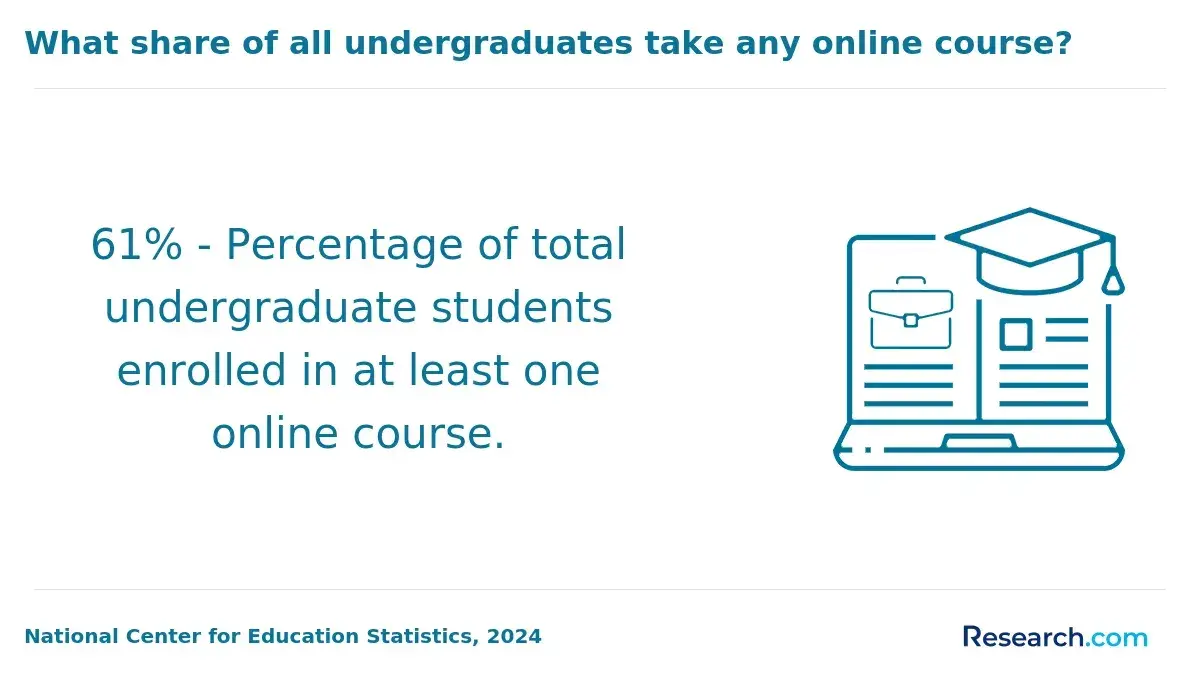
Online study can reduce commuting, but it does not necessarily remove scheduled classes or in-person training. The format that best supports career growth is one you can complete while gaining the skills and professional contacts your target role requires.
The comparison below highlights delivery trade-offs that can affect time away from work, access to facilities, and placement planning. Actual requirements depend on the specific program.
| Format | Potential advantage | Requirement to verify |
| Online | Remote access to coursework | Live meetings, fixed deadlines, proctoring, and local placements |
| Hybrid | Remote coursework with some in-person instruction | Campus frequency, travel, and residency costs |
| Campus | Direct access to facilities and face-to-face activities | Class schedule, commuting, and ability to keep working |
Ask for a sample course schedule and written details of labs, clinicals, internships, or student teaching. An online nursing or social-work program, for example, may still require substantial supervised work at an approved site.
What subjects and skills do career programs typically teach?
Career programs generally combine field knowledge with applied work: case studies in business, labs and coding projects in computing, supervised placements in clinical fields, or classroom practice in teacher preparation. The most useful curriculum closes a gap between your present abilities and the tasks in your target job.
Review required courses rather than relying on a concentration's name. Look for a capstone, portfolio, internship, thesis, or practicum that produces evidence of relevant skill. Research-oriented study may be valuable for doctoral preparation, while an applied track may fit someone seeking a near-term role change. Neither is inherently better; the deciding question is what work you want the credential to help you do.
What admission requirements do career programs have?
Most master's programs require a bachelor's degree and transcripts, but prerequisites vary widely. Computing programs may expect programming or mathematics; advanced-practice nursing programs require appropriate nursing preparation; business programs may consider professional experience. Schools may also request recommendations, a statement of purpose, an interview, or standardized tests. Meeting general graduate-admission rules does not necessarily satisfy a selective department's requirements.
Before paying an application fee, ask whether your previous coursework meets prerequisites, whether tests are required for your applicant category, and when missing courses must be completed. If application costs affect your shortlist, online college free application options may be useful to investigate, but confirm that any fee policy applies to the specific graduate program and admission cycle.
How long do career programs take, and what do they cost?
Completion time and cost depend on the requirements you have left, not just the program's advertised timeline or tuition rate. Full-time enrollment can shorten the calendar but reduce working hours; part-time study may protect income while extending fees and delaying a career change. Sequential courses, prerequisites, placements, and thesis work can also affect the finish date.
Request a written estimate of required credits, tuition, mandatory and program fees, materials, travel, and any placement-related expenses. Then compare that total with expected aid, employer assistance, and income you may forgo. Ask whether eligible prior graduate coursework can transfer and whether you must complete a minimum number of credits at the school; neither previous experience nor undergraduate credit automatically reduces master's requirements. Be skeptical of unusually short claims, including searches for 1 year PhD programs online no dissertation: doctoral study is a different credential, and any advertised duration needs to be checked against its actual requirements.
Which careers require professional licenses or certifications?
A degree and permission to practice are separate things. Nurse practitioners, clinical social workers, teachers, and some counselors or psychologists must satisfy role- and state-specific rules. These can include an approved program, supervised practice, examinations, background checks, and continuing education. Engineering licensure is also separate from an engineering master's; many engineering jobs do not require a Professional Engineer license, but certain responsibilities do.
Work backward from the exact job title and state where you intend to work. Check the relevant licensing board's education rules before enrolling, particularly if a program is online or based in another state. In nonlicensed fields such as many IT roles, an employer-requested certification may strengthen an application, but it is not equivalent to a state license.
What jobs and salaries can graduates expect after completing a career program?
Graduates may pursue clinical practice, software development, security, teaching, management, or other work depending on their prior credentials and experience. A program can build qualifications, but it cannot establish what an individual graduate will earn. For context, BLS reported a 2023 median wage of $86,070 for registered nurses and $132,270 for software developers. Those are wages for people working in the occupations - not starting salaries, master's-degree premiums, or promises to new graduates.
For a realistic return-on-investment comparison, identify jobs you would qualify for after completing the program and any separate license or certification. Compare local openings and requirements with your current earnings, total education cost, and likely time away from work. Ask schools for clearly defined, program-specific career outcomes when available; do not mistake access to career services for evidence of job placement.
Other Things You Should Know About
Not always. It is most consequential when a target role requires it or when it supplies specialized skills you cannot gain as efficiently through experience or a shorter credential.
Choose one that accepts your academic background and prepares you for an identifiable entry role. Check prerequisites and employer expectations before choosing a specialized graduate degree.
Coursework may be online, but clinicals, practicums, or student teaching generally require approved in-person settings. Confirm that the specific program meets your intended state's rules.
Ask for total program cost, a realistic completion plan, placement requirements, accreditation or approval details, and a written explanation of how the curriculum connects to your target job.
References
- Estimate your college cost | USAGov https://www.usa.gov/estimate-college-cost
- Fast Facts: Tuition costs of colleges and universities (76) | ed.gov https://nces.ed.gov/fastfacts/display.asp
- Fastest Growing Occupations | bls.gov https://www.bls.gov/ooh/fastest-growing.htm
- Work-Based Learning and Early Career Outcomes - CCWT | The Center for Research on College to Workforce Transitions https://ccwt.wisc.edu/publication/work-based-learning-and-early-career-outcomes-evidence-on-earnings-college-level-employment-and-career-progression/
- Income Share Agreements (ISAs) | UNESCO https://www.unesco.org/en/dtc-finance-toolkit-factsheets/income-share-agreements-isas
- All Bright Outlook Occupations | onetonline.org https://onetonline.org/help/bright/
- Fastest Growing Careers | careeronestop.org https://www.careeronestop.org/Toolkit/Careers/fastest-growing-careers.aspx