
2027 Best Colleges With Student Success Coaching

Co-Founder and Chief Data Scientist
Choosing a college is also choosing the support you can count on when a course gets difficult or life interrupts your plans. Student success coaching can help, but schools differ in who receives it and what coaches actually do. The distinction matters: the National Center for Education Statistics reports that roughly 64% of first-time, full-time students at four-year institutions complete a bachelor's degree within six years. That figure describes a broad student group - not the effect of coaching. This guide helps undergraduate and graduate applicants compare colleges, verify access to coaching, and weigh support alongside cost and program fit.
Key Things You Should Know
- Arizona State University Online and Oregon State University Ecampus offer identifiable success-coaching services; Western Governors University assigns program mentors who provide related, but differently structured, support.
- Coaching is not a graduation guarantee. Compare who qualifies, how often you can meet, and whether help continues after the first term.
- For context, College Board reports average published 2024-25 tuition and fees of $11,610 at public four-year colleges for in-state students; compare your actual net cost and access to support, not coaching alone.
Top 10 Best Colleges With Student Success Coaching
Business Programs
A master's in business administration, management, or analytics can suit professionals seeking broader decision-making skills. A coach may help a working student plan around group projects and demanding terms, but a coach does not replace a faculty mentor or career adviser. Compare whether coaching is available to graduate students in your specific program. An MBA may value professional experience, while a specialized analytics program may require quantitative preparation. Choose the curriculum and schedule that fit your goal before treating coaching as a deciding factor.
Healthcare Programs
Master's-level healthcare options include public health, health administration, and health informatics. Their career purposes differ: public health emphasizes population-level work, while administration focuses on organizational operations. A success coach can help coordinate deadlines, but cannot determine whether a program meets an employer's or licensing board's requirements. Ask whether the graduate program has required fieldwork and whether coaching covers placement planning. If you need preparation for a licensed clinical role, verify that the exact degree - not merely the college - meets that pathway's requirements.
Information Technology Programs
Master's programs in information technology often emphasize systems, cybersecurity, or technology management. A coach may help students balance technical courses with work and identify when tutoring or faculty help is needed. Compare hands-on labs, project requirements, and any scheduled online sessions; "online" does not necessarily mean self-paced. Applicants changing fields should ask whether foundational coursework is required. If a targeted industry certification would meet your immediate goal, a full master's degree may be more education - and expense - than you need.
Computer Science Programs
A computer science master's may focus on algorithms, software, artificial intelligence, or research. It usually demands more mathematical and programming preparation than a general technology-management degree. Success coaching can help with study planning, but technical feedback should come from instructors, teaching assistants, or tutors. Career changers should verify prerequisite courses and whether they add time and cost before graduate admission. Compare thesis, capstone, and project options according to whether you want research preparation or applied work.
Nursing Programs
Master's nursing programs can prepare registered nurses for education, leadership, or advanced practice, depending on the track. Admission commonly depends on nursing credentials and program-specific requirements. A success coach may help plan coursework around shifts, but clinical placements, supervised hours, and state authorization require separate attention. Do not assume an online nursing degree can be completed entirely from home or that every track leads to nurse practitioner eligibility. Confirm the program's accreditation, clinical arrangements, and your state's licensure rules before applying.
Psychology Programs
A master's in psychology may support research, applied work, or preparation for further study. It does not, by itself, generally qualify someone to practice as a licensed psychologist. A coach can help structure a thesis or application timeline, but faculty guidance and research opportunities may matter more for doctoral goals. Applicants seeking therapy roles should compare counseling or other specifically licensure-oriented programs and check state requirements. Ask whether success coaching extends to graduate students and whether research supervision is available in your area of interest.
Education Programs
Master's education programs may target current teachers, school leaders, curriculum specialists, or people entering teaching. Coaching can help coordinate assignments and work schedules, but it cannot substitute for required student teaching or supervision. Verify whether a program is designed for initial licensure, an additional endorsement, or professional advancement; the same degree title may not serve all three purposes. Check state educator rules, placement availability, and whether graduate students receive coaching throughout field experiences.
Criminal Justice Programs
A criminal justice master's may cover policy, leadership, criminology, or analysis. It can be relevant to experienced practitioners, but many entry-level public-safety positions have separate hiring and training processes that a graduate degree does not replace. A coach can help manage coursework alongside shift work; career-specific advice should also come from program faculty or employers. Compare applied projects and research requirements, and ask whether the curriculum fits the agency or role you hope to pursue.
Engineering Programs
Engineering master's degrees may deepen a technical specialty or develop project-management skills. Success coaching can support course planning, but students also need access to discipline-specific faculty, labs, or project resources. Verify undergraduate prerequisites, thesis or capstone requirements, and any campus attendance before choosing an online option. If professional engineering licensure is your goal, check your state board's education and experience rules; earning a master's degree does not automatically confer a license.
Social Work Programs
A master of social work is a professional degree with field education requirements. A success coach can help students organize coursework and connect with campus resources, while field coordinators and supervisors handle placement-specific responsibilities. Applicants should check whether the MSW is accredited by the Council on Social Work Education, how local placements work, and whether an advanced-standing route requires a qualifying bachelor of social work. Graduation alone does not grant independent clinical licensure; state requirements typically include examinations and supervised experience.
What Is Student Success Coaching in College?
Student success coaching is structured, individualized help with the habits and decisions that keep a student moving toward a degree. Coaches may help set goals, build a study routine, identify obstacles, and connect students with tutoring, financial aid staff, or other specialists. Coaching differs from academic advising, which typically focuses on course and degree requirements; one person may perform both functions at some schools.
The label is not standardized. One college may assign a coach at enrollment, another may offer appointments on request, and a third may provide similar support through mentors. The useful question is not simply "Does the college have coaches?" but "What support would I receive in this program?"
Which Colleges Offer the Best Student Success Coaching?
There is no reliable national ranking of coaching quality. The colleges below are useful starting points because they describe identifiable coaching or ongoing mentoring for their online students. They are not ranked, and service details can change; confirm eligibility and availability for your intended degree directly with each school.
This comparison distinguishes dedicated success coaching from a related mentoring model so you can decide which kind of relationship you want.
| College and option | Published support model | Best question to ask |
| Arizona State University Online | Success coaches support online students with goal-setting, planning, and connections to resources. | When will my coach be assigned, and how often can we meet? |
| Oregon State University Ecampus | Academic success coaching offers individualized help with learning strategies and navigating challenges. | Is coaching available throughout my specific program or only at certain stages? |
| Western Governors University | Assigned program mentors provide ongoing, individualized academic support; this is a mentoring model, not necessarily a service labeled "success coaching." | How will my mentor help me plan each term and respond if I fall behind? |
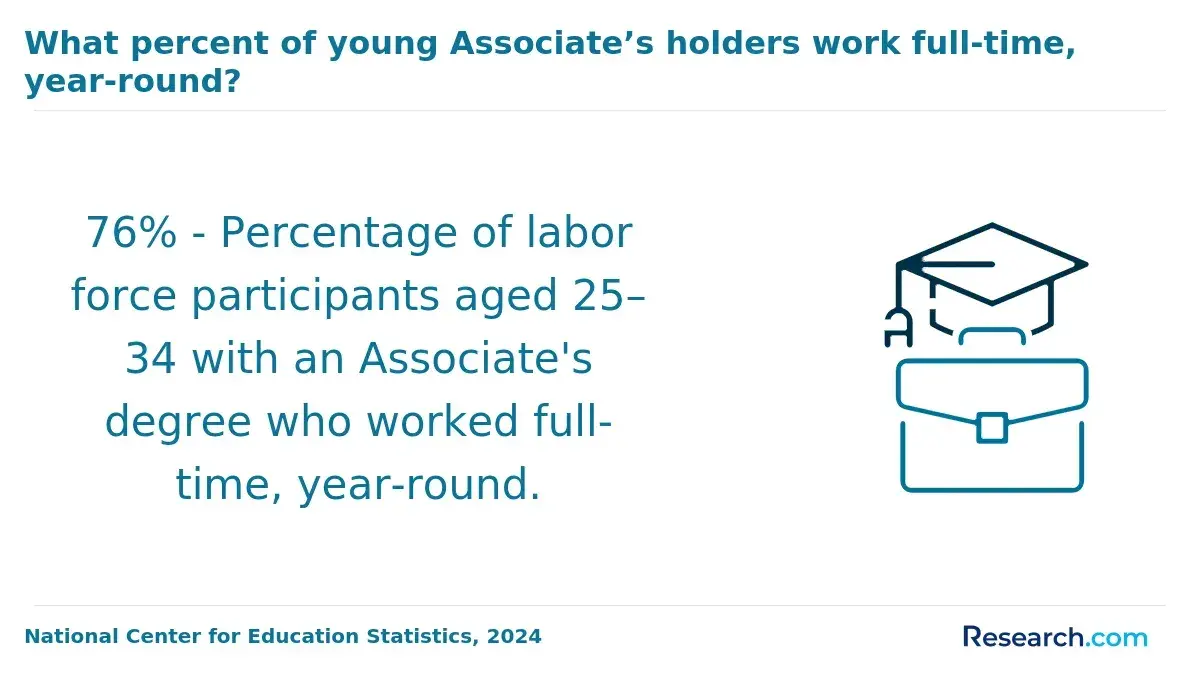
These options suit different learners. A student who wants appointments focused on study strategies may prefer a dedicated coaching service; someone who wants a consistent academic contact may value assigned mentoring. Also compare the actual degree, schedule, tuition, and accreditation. If a bachelor's degree is not yet your goal, consider whether one of the best associates degrees to get provides a better first step - and ask whether its college offers comparable support.
How Does Student Success Coaching Support Online and Campus Students?
Online students may use video, phone, or digital appointments to discuss time management, course engagement, and whom to contact for help. Campus students may have in-person meetings or drop-in services. Neither format is inherently better: a conveniently scheduled online meeting can be more useful than an office students cannot visit, while campus access may make follow-up easier.
Check the practical limits. Does coaching serve part-time, transfer, and graduate students? Are appointments available outside work hours? Can a coach help during an internship or clinical term? Scheduled online classes and fixed deadlines can still constrain your week, even when coaching meetings are flexible.
What Services Do College Student Success Coaches Provide?
Services vary, but a coach's most valuable role is often helping a student recognize a problem early and reach the right specialist. A typical conversation might cover a realistic weekly study plan, preparation for a difficult course, or what to do after missing assignments.
Coaches generally do not provide subject tutoring, mental health treatment, financial aid decisions, or authoritative licensure advice. Ask how they refer students to those services and whether they follow up. A useful measure of quality is not the length of a services list, but whether you can get timely, relevant help when you need it.
What Are the Admission Requirements for Colleges With Success Coaching?
Coaching usually does not create a separate admissions pathway. Apply to the college and your intended degree under their normal rules: undergraduate applicants may need transcripts and proof of secondary education, while graduate applicants typically need a bachelor's degree and may face program-specific prerequisites, recommendations, or professional requirements. Selective nursing, engineering, and licensure-oriented programs can have additional conditions.
Ask whether coaching begins before enrollment, after admission, or only after classes start. Transfer applicants should also request an evaluation showing which credits satisfy degree requirements, not just how many credits the college accepts. A coach can help you plan around the result, but cannot waive academic policies.
How Much Do Colleges With Student Success Coaching Cost?
Colleges generally do not advertise a separate coaching charge, but that does not make the degree free or coaching equivalent across schools. College Board's 2024-25 average published tuition and fees at public four-year institutions was $11,610 for in-state students. That is a sector benchmark, not a price for any college in this guide or an estimate of what you will pay after aid.
Compare the same degree and enrollment load at each school. Include mandatory fees, books, technology, travel for required visits, and any clinical or field-placement expenses. Then subtract grants and scholarships to estimate net cost; distinguish those from loans, which must be repaid. A search for the cheapest tuition online college can help you identify alternatives, but confirm both total cost and coaching access before choosing one.
Which Careers Can Student Success Coaching Help You Prepare For?
Coaching can support preparation for many careers by helping students persist with coursework and find appropriate academic or career resources. The degree - not the coaching service - determines which knowledge or credential a student is pursuing. Employers, experience requirements, and licensing bodies determine whether that preparation is sufficient for a particular job.
Start with the occupation you want, then compare its usual entry requirements with the college's curriculum and career services. For example, a business student may seek an internship, while a nursing student must examine clinical and licensure requirements. If a narrow skill is your immediate goal, short certificate programs that pay well online may be worth comparing with a longer degree; verify employers' expectations rather than assuming either credential guarantees work or earnings.
Do Student Success Coaching Programs Require Certification or Licensure?
Students do not ordinarily need certification or licensure to receive success coaching. A college's coaches may have different training or job titles, so ask how they are prepared and supervised rather than assuming all coaching follows one credential standard.
Your degree or intended profession is a separate matter. Nursing, social work, teaching, and some other paths have state-specific rules beyond graduation. Psychology students considering cheap doctoral programs should verify the exact program's accreditation, clinical training, and state licensure eligibility - not rely on its cost or the availability of coaching.
How Can You Choose an Accredited College With Success Coaching?
Start by checking the college's institutional accreditation through the U.S. Department of Education or the accreditor. For a regulated field, check the relevant programmatic accreditation and state board requirements too. Accreditation is essential to verify, but it does not tell you how responsive a coach will be.
To compare your finalists, ask each school for specific answers to these questions before committing:
- Is coaching available to students in my exact degree, education level, and delivery format?
- Will I have an assigned contact, or must I request each appointment?
- How quickly can I get help if I am struggling, and which specialist handles issues outside a coach's role?
- What is my estimated net cost, and which degree requirements or in-person activities could affect it?
A common mistake is choosing the school with the most appealing support description without testing how that support works. Request a sample of the coaching process, review degree requirements, and compare written answers. Choose the college whose program, cost, and accessible support fit your circumstances - not the one that merely uses the word "coach."
Other Things You Should Know About
Not always. Advisers generally help interpret course and graduation requirements; coaches often focus on goals, study habits, and connecting students with resources. Duties may overlap.
Many do, but access depends on the college and program. Confirm whether meetings are remote, when they are available, and whether graduate or part-time students qualify.
Coaching may be helpful, but the presence of a service alone does not establish its effect at a particular college. Ask how the school evaluates the service, and do not treat access as a promised outcome.
Treat coaching as an important comparison factor, not the only one. Verify that the degree fits your goal, the institution and any relevant program are appropriately accredited, and the total cost is manageable.
References
- Defining Advising, Coaching, and Mentoring for Student Development in Medical Education - PMC https://pmc.ncbi.nlm.nih.gov/articles/PMC9411822/
- Evaluating the Effectiveness of Academic Coaching for... - ERIC https://eric.ed.gov/
- Student Success Coaching - Ball State University https://www.bsu.edu/academics/collegesanddepartments/universitycollege/student-success-coaching
- Academic Coaching FAQ - The Learning Center https://learningcenter.unc.edu/academic-coaching-faq/
- III. FEES OTHER THAN TUITION - The City University of New York https://www.cuny.edu/about/administration/offices/legal-affairs/university-tuition-fee-manual/iii-fees-other-than-tuition/
- Academic Coaching: Advising's Growing Little Sister - NACADA https://nacada.ksu.edu/Resources/Academic-Advising-Today/View-Articles/Academic-Coaching-Advisings-Growing-Little-Sister
- Student Success Coaching Program | ucsd.edu https://successcoaching.ucsd.edu/
- Frequently Asked Questions About Academic Success Coaching | North Carolina Central University https://www.nccu.edu/university-college/academic-success-coaching/faqs
- Home | Student Success Coaching https://successcoaching.umn.edu/
- Student Success Coaching | Office for Student Success | The George Washington University https://studentsuccess.gwu.edu/student-success-coaching


