2027 Best Degrees With Year-Round Enrollment

Co-Founder and Chief Data Scientist
Missing a fall application deadline should not mean putting your education plans on hold. Year-round enrollment can offer another entry point, but start dates, course availability, and hands-on requirements vary by degree. The stakes are substantial: the U.S. Bureau of Labor Statistics (BLS) reports a 2024 median annual wage of $133,080 for software developers - an occupational figure, not a promise to computer science graduates.
This guide helps prospective undergraduate and graduate students compare fields, identify genuinely flexible programs, and check the costs and requirements that matter before applying.
Key Things You Should Know
- Business, IT, computer science, and some psychology programs can be easier to schedule across multiple terms; nursing, education, and social work may depend on placement calendars.
- A flexible start is not a fast finish: required courses, prerequisites, and practicum availability determine your actual timeline.
- Check career requirements before choosing a field. BLS reports a 2024 median annual wage of $93,600 for registered nurses, but an applicable nursing degree and state licensure - not year-round enrollment - are essential to entering that occupation.
Top 10 Best Degrees With Year-Round Enrollment
Business Programs
An MBA or specialized master's in management, accounting, or analytics can suit professionals who want to start between traditional semesters. Some programs admit multiple cohorts; others accept applications continuously but begin required courses only once or twice a year. Compare part-time schedules, live meetings, foundation courses, and capstone timing. An MBA is most useful when its curriculum and cost fit a specific advancement goal; a specialized master's may be better for building technical expertise. Ask whether your intended concentration is available at your proposed start date.
Healthcare Programs
Master's programs in healthcare administration, public health, and health informatics offer different career paths. Administration emphasizes operations and finance; public health often centers on population-level research and practice; informatics combines healthcare processes with data systems. Multiple online start dates may be available for coursework, but internships or applied projects can follow separate schedules. Check prerequisites, employer expectations, and any relevant programmatic accreditation. A healthcare administration degree does not qualify someone to practice a licensed clinical profession.
Information Technology Programs
A master's in information technology, cybersecurity, or information systems may appeal to working professionals seeking applied technical or management skills. Flexible starts can help if courses are offered repeatedly, but a start date is less valuable when a required specialization course runs infrequently. Compare prerequisites in networking, programming, and statistics; hands-on labs; and whether classes require scheduled attendance. A degree can support career development, while particular jobs may also call for experience or industry certifications.
Computer Science Programs
A computer science master's typically goes deeper into algorithms, software systems, or AI than a general IT degree. It may fit applicants with substantial programming and mathematics preparation; career changers should check whether foundation courses add time and cost. For year-round entry, verify when prerequisites and advanced electives actually run, not just when applications are accepted. Compare research-oriented thesis options with project-based programs according to your goals. A graduate degree is not generally required for entry-level software development.
Nursing Programs
Master's-level nursing pathways include education, leadership, and advanced practice, and their entry requirements differ. Many require an active RN license and prior nursing education; some have additional clinical or experience requirements. Online coursework and several admission cycles do not eliminate supervised clinical hours, approved placement sites, or state-specific advanced-practice rules. Before applying, confirm the exact credential, clinical placement responsibilities, and whether the program meets requirements in the state where you intend to practice. A non-nursing master's does not substitute for initial RN preparation.
Psychology Programs
Master's degrees in psychology may emphasize research, applied behavior, or a specialty, while counseling and clinical licensure tracks have distinct requirements. A program with frequent academic starts may still schedule practica by cohort or local site availability. Match the curriculum to your intended role: a general psychology master's does not automatically qualify you to become a licensed psychologist or counselor. Verify accreditation where relevant, state licensing rules, supervised-hour requirements, and whether your preferred specialty accepts students at every advertised start.
Education Programs
A master's in education can serve experienced teachers seeking curriculum, leadership, or subject expertise, while an initial-licensure program serves a different applicant. Start dates may be frequent for coursework but restricted for student teaching, school-based placements, or cohort sequences. Check whether a teaching license is required for admission and whether the program meets the rules of the state where you plan to work. If your goal is a salary increase or endorsement, verify the relevant district or state policy before enrolling.
Criminal Justice Programs
A master's in criminal justice can focus on policy, administration, research, or leadership in public-safety settings. It may make sense for professionals whose target roles value graduate study, but many entry-level positions have separate hiring, training, and background-check requirements. Compare online course schedules and any internship or capstone requirements across start terms. Ask employers whether the credential affects eligibility or advancement before paying for it; year-round access alone is not evidence of a strong return on investment.
Engineering Programs
Engineering master's options range from technical specialties to engineering management. Applicants commonly need substantial mathematics and discipline-specific preparation; missing prerequisites can extend the timeline even with frequent starts. Laboratory access, research supervision, thesis sequencing, and project courses may limit when students can progress. A professional master's may fit an experienced engineer seeking a specialty, while a research track better suits some doctoral goals. Confirm that the precise concentration, not merely the engineering school, admits students at your intended time.
Social Work Programs
A Master of Social Work is a professional pathway that can lead toward clinical or other regulated social work roles after additional state requirements. Programs generally include substantial supervised field education, making placement calendars as important as admission dates. Advanced-standing routes may be available to eligible graduates of accredited bachelor's social work programs, but eligibility and remaining requirements must be checked individually. Confirm program accreditation, field-placement support, state licensure alignment, and whether your chosen start permits timely access to required courses.
What are degrees with year-round enrollment?
Degrees with year-round enrollment are degree pathways that permit students to begin at multiple points throughout the academic year rather than only in a traditional fall intake. The label does not promise a new cohort every month, immediate admission, continuous access to every course, or a shorter degree. Schools may use several fixed start dates, rolling application review, or self-paced terms; these are different policies.
Business and computing fields are often practical places to look because coursework can sometimes be scheduled without external placements. Clinical, school-based, and laboratory fields may also offer multiple starts, but their required experiences can constrain progression. For any option, ask for the next available program start and a course-by-course plan - not just the university's general admissions calendar.
Which degrees offer the best career opportunities with flexible start dates?
The best career opportunity depends on the occupation you want, the credential it actually requires, and whether the program's start pattern lets you complete required courses on time. Business, IT, and computer science are worth comparing for careers with varied entry routes; nursing, education, and social work require closer attention to professional preparation and state rules.
This comparison separates scheduling appeal from career eligibility so a convenient start date does not obscure a more important requirement.
| Degree field | Potential advantage of multiple starts | Career-fit question |
| Business | May accommodate work schedules | Does the role value this specialization or graduate credential? |
| IT or computer science | May offer repeatable online coursework | Do you have the skills and prerequisites employers expect? |
| Nursing | May provide another entry to a defined pathway | Does it meet licensure and clinical requirements? |
| Education or social work | May offer an additional cohort | When can required fieldwork actually begin? |
A good choice is the field that meets your career goal and has a workable completion schedule. Neither a high occupational wage nor an early start establishes that a particular degree will pay for itself.
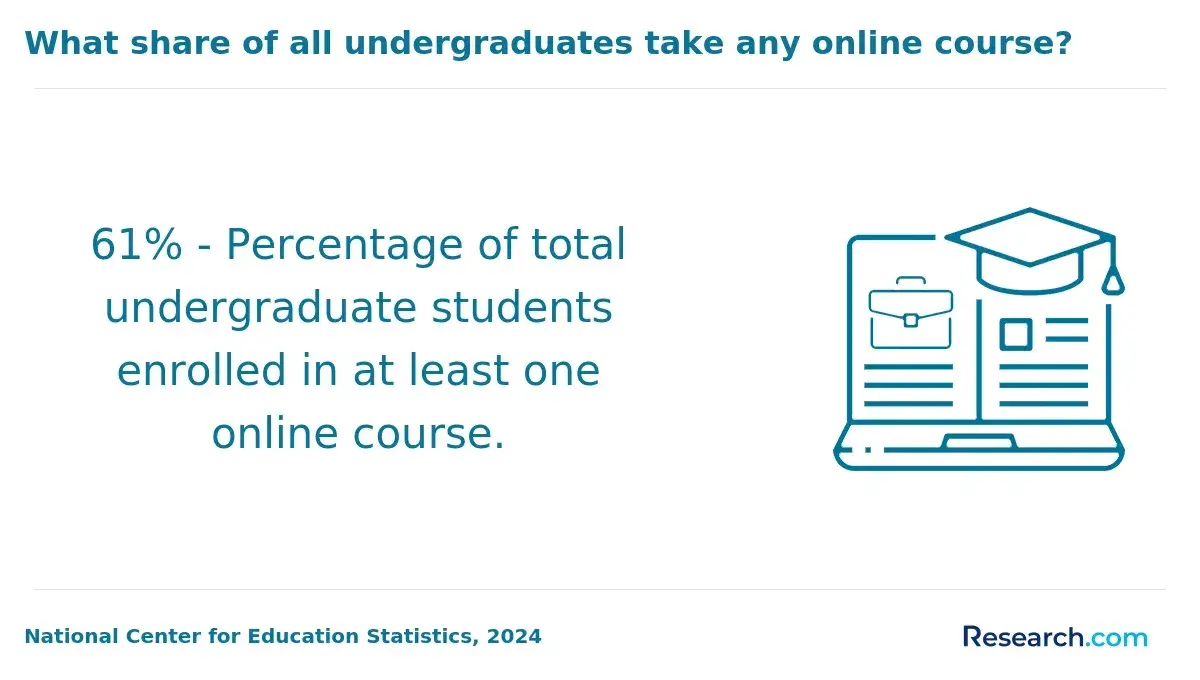
Are year-round online degree programs accredited and reputable?
Yes, a year-round online degree can be accredited and reputable; its admissions calendar does not determine its academic standing. Check the institution's current accreditation through the U.S. Department of Education or the Council for Higher Education Accreditation, then confirm any programmatic accreditation relevant to your field.
For regulated paths, institutional accreditation alone may not establish licensure eligibility. Verify the specific program, delivery format, and intended state of practice with the program and licensing board. Be wary of a school that advertises accreditation vaguely, cannot explain required placements, or suggests that online delivery removes professional requirements.
What degree and certificate pathways support year-round enrollment?
Year-round entry can occur in associate, bachelor's, and master's degrees, as well as some certificates. Certificates may help you test a specialty or build a specific skill without committing immediately to a degree. They are not automatically interchangeable with degree coursework: ask whether credits will apply to a named future program and what grade or time limits apply.
Bridge and advanced-standing pathways can reduce remaining coursework for eligible students, but they require specific prior education or credentials. Likewise, transfer credit helps only when an evaluation shows where it fits in the degree. If speed matters, compare a program's required credits and sequencing with its advertised starts; a quickest cheapest masters degree search is a starting point, not proof of your personal completion date.
How do online and campus-based year-round programs compare?
Online study can remove a commute, but it does not necessarily remove scheduled meetings or local placements. Campus study offers in-person facilities and interaction, though course and travel schedules may be harder to manage. Hybrid programs combine elements of both.
The comparison below highlights scheduling differences to check when choosing a format, rather than assuming one is always more flexible.
| Format | Possible scheduling benefit | Requirement to verify |
| Online | Remote access to coursework | Live sessions, deadlines, proctoring, and placements |
| Hybrid | Some remote coursework | Frequency and location of required visits |
| Campus-based | Direct access to facilities and instructors | Travel time and availability of required classes |
Check the format for your specific degree. Even online colleges with open enrollment and no application fee may have separate graduate-program admissions rules, limited start dates, or required in-person components.
What are the admission requirements for year-round degree programs?
Requirements depend on the degree level and field. Undergraduate applicants may need a high school credential and prior-college records; master's applicants generally need a bachelor's degree. Individual graduate programs may also assess GPA, prerequisites, professional experience, recommendations, portfolios, or tests. Nursing and other practice-oriented programs can impose separate license or placement conditions.
Rolling review means applications may be considered as they arrive; it does not necessarily mean admission is automatic or classes begin immediately. If your academic record is a concern, explore easiest masters programs to get into alongside the actual published requirements for your intended program. Ask admissions which policy applies to your degree, whether conditional admission exists, and the deadline for the next start.
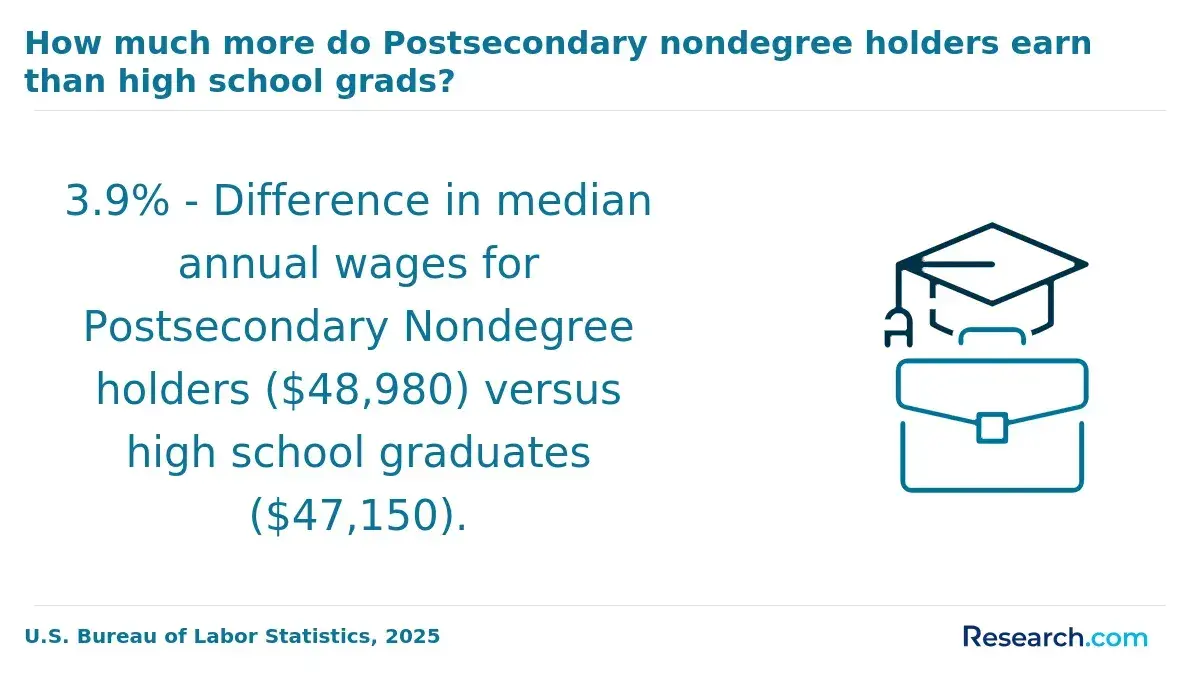
How long do year-round degrees take and what do they cost?
Year-round enrollment does not set a standard completion time or price. The time remaining depends on required credits, accepted prior coursework, course load, how often required classes run, and any thesis, clinical, or fieldwork sequence. A student taking one course at a time will generally need a different plan from a full-time student, even if both begin on the same date.
Calculate total cost using tuition for your remaining required credits, mandatory and program-specific fees, books or technology, and any travel or placement expenses. Ask for a written credit evaluation and a term-by-term estimate before treating an advertised price as your likely bill. Compare affordable online master's programs on total expected cost, not per-credit tuition alone. Eligible students should also check federal aid, scholarships, and employer assistance before deciding how much to borrow.
What careers and salaries can year-round degrees lead to?
These degrees can support paths in business operations, software, healthcare administration, teaching, nursing, and social services, but the connection between degree and job differs sharply. A software employer may value demonstrated programming ability and experience; an RN must meet state licensing requirements. Graduate education may support specialization or advancement without being required for initial entry.
For salary comparisons, use occupational data as context rather than a forecast of graduate earnings. The BLS 2024 median annual wage for registered nurses was $93,600; that figure includes workers with different experience levels, employers, and locations. Compare that context with the full price of your intended pathway and the additional qualifications needed for your target role.
How can you verify licensing and certification requirements?
Licensing rules apply to the occupation and state, not simply to a degree title. Before enrolling in nursing, teaching, counseling, social work, or another regulated pathway, use this sequence to confirm that a flexible start will still lead toward the credential you need.
- Identify the exact job and the state where you intend to practice, then read that state licensing board's current education and examination rules.
- Ask the program to confirm in writing whether its specific degree and delivery format meet those requirements, including any required programmatic accreditation.
- Confirm who arranges clinical, practicum, or student-teaching placements and when they can begin for your proposed start term.
- Separate requirements for graduation from later supervised practice, examinations, background checks, and license applications.
A common costly mistake is assuming that admission to an online program - or completion of its courses - automatically establishes eligibility to practice.
Other Things You Should Know About
Usually not. It commonly means several scheduled starts during the year. Confirm the next start for your specific degree and concentration.
You may finish earlier than if you waited to begin, but graduation still depends on required credits, course sequencing, enrollment intensity, and any placements.
Not necessarily. Academic requirements still apply, and online classes may have live meetings, fixed deadlines, or in-person experiential work.
Request the next program start, a term-by-term course plan, total estimated cost, transfer-credit evaluation, and confirmation of any licensing or in-person requirements.
References
- Understanding College Costs | studentaid.gov https://studentaid.gov/resources/prepare-for-college/students/choosing-schools/consider-costs
- Annual Earnings by Educational Attainment - COE https://nces.ed.gov/programs/coe/indicator/cba/annual-earnings
- Accreditation in the U.S. | ed.gov http://www.ed.gov/laws-and-policy/higher-education-laws-and-policy/college-accreditation/accreditation-in-the-us
- Academic Years, Academic Calendars, Payment Periods, and Disbursements | 2025-2026 Federal Student Aid Handbook https://fsapartners.ed.gov/knowledge-center/fsa-handbook/2025-2026/vol3/ch1-academic-years-academic-calendars-payment-periods-and-disbursements
- Field of degree: Occupational Outlook Handbook | bls.gov https://www.bls.gov/ooh/field-of-degree/
- The Major Payoff: Evaluating Earnings and Employment Outcomes Across Bachelor's Degrees - CEW Georgetown https://cew.georgetown.edu/cew-reports/major-payoff/
- Fastest Online Degrees With Year-Round Enrollment 2026 | Learn.org https://learn.org/accelerated-degrees/fastest-online-degrees-with-year-round-enrollment-2026
- Start Online College Anytime: Open Enrollment Schools (2026) | edsmart.org https://www.edsmart.org/online-colleges-open-enrollment-start-anytime/
- Best Online Universities With Year-Round Enrollment | College Transitions https://www.collegetransitions.com/blog/best-online-universities-with-year-round-enrollment/
- Best Fastest Online MHA Programs | Accelerated MHA 2026 https://publicadministrationpolicy.org/degree/master-of-health-administration/fastest/