
2027 Best College Degrees With High Acceptance Rates

Co-Founder and Chief Data Scientist
A degree field may offer several routes to graduate study, but its name alone cannot tell you whether you will be admitted. That distinction matters when tuition is a substantial investment: College Board reports average published tuition and fees of $11,610 for in-state students at public four-year colleges in 2024-25. If you are comparing master's programs, this guide explains which fields may offer a wider choice of admissions pathways, how to verify actual acceptance rates, and what to check before choosing a program for its career value.
Key Things You Should Know
- No degree field has a universal acceptance rate. Compare admissions figures for the specific master's program and applicant pool, not the university's undergraduate rate.
- Business, IT, education, and other broad fields may offer multiple program formats and entry routes; nursing and licensed professions can impose separate eligibility requirements.
- College Board's 2024-25 public four-year in-state tuition-and-fee average was $11,610, but graduate pricing varies. Compare the full program cost before applying.
Top 10 Best College Degrees With High Acceptance Rates
Business Programs
Business master's options include the MBA and specialized degrees in accounting, management, finance, or analytics. Their breadth makes it possible to compare programs with different experience requirements, test policies, and admissions cycles. A general management program may suit a career changer; a specialized degree may fit someone with a defined role in mind. Do not assume that an accessible university admits applicants equally readily to its MBA. Ask for the program's admissions figures and total cost, including fees, before treating it as a strong option.
Healthcare Programs
Healthcare administration, public health, and health informatics master's programs can suit applicants interested in systems, policy, or data rather than direct patient care. Admissions may be more accessible than those of some clinical programs, but that must be checked school by school. Public health programs may include a practicum; informatics programs may expect quantitative preparation. Neither degree automatically qualifies a graduate to practice a licensed clinical profession. Choose the concentration and experiential requirements that match the work you want to do.
Information Technology Programs
IT master's programs commonly cover networks, cybersecurity, cloud systems, and technology management. Some accept applicants from varied undergraduate majors and assign foundation courses; others expect prior computing study. That flexibility can widen your choices without making admission automatic. Compare prerequisite costs, hands-on projects, and whether classes teach current tools alongside durable systems concepts. If your goal is an entry-level technical role, a focused certificate plus experience might be a less costly first step than a master's degree.
Computer Science Programs
A computer science master's can support advanced software, computing, or research goals, but admissions often depend on programming and mathematics preparation. Career-change programs may offer bridge coursework; those courses can add time and expense. Compare the exact prerequisites and whether the degree offers a thesis, project, or coursework-only route. Do not mistake a university's overall admission rate for the selectivity of its computer science department. Applicants without a computing background should obtain a written assessment of missing prerequisites.
Nursing Programs
Nursing master's pathways differ sharply. An MSN for licensed registered nurses may require an active RN license, clinical experience, and supervised placements; a direct-entry pathway for non-nurses has different prerequisites and leads toward initial nursing preparation. Admission to the university does not establish eligibility for either route. Confirm the program's accreditation, clinical-placement arrangements, and state authorization before applying. If you want an advanced practice role, verify the specific certification and state licensure pathway rather than relying on the MSN title.
Psychology Programs
Psychology master's programs can emphasize research, applied behavior, or preparation for further study. Their admissions requirements and outcomes differ from those of clinical psychology doctorates. A general psychology master's usually does not, by itself, qualify someone for licensure as a psychologist. If counseling practice is your goal, examine a counseling program's curriculum, supervised training, accreditation, and state eligibility instead. Applicants comparing acceptance rates should separate research-focused programs from professional pathways with limited practicum capacity.
Education Programs
Education master's programs serve different applicants: licensed teachers seeking advancement, career changers pursuing initial certification, and students interested in curriculum or leadership. A program for current teachers may be accessible to qualified educators but closed to applicants without a teaching license. Initial-certification routes can require student teaching at a local school. Check your state's approval rules and the program's applicant eligibility before interpreting a high institutional acceptance rate as an open route into teaching.
Criminal Justice Programs
A criminal justice master's may focus on policy, administration, criminology, or analysis. Programs can appeal to applicants from several undergraduate fields, which may create more possible entry points than a narrowly licensed profession. That does not establish a high acceptance rate. Compare research methods, internships, and employer requirements for your intended role. Police, investigative, and federal jobs have hiring standards beyond the degree; a master's is not necessarily the most direct route into those occupations.
Engineering Programs
Engineering master's programs typically expect substantial preparation in mathematics and a relevant engineering or science discipline. Some offer bridge routes, but added prerequisites can change the real cost and timeline. Compare concentrations against the work you want to perform, and check whether a thesis or laboratory component requires campus access. A university may admit broadly while a particular engineering department remains selective. Professional engineer licensure follows separate state rules; a master's degree alone does not confer a license.
Social Work Programs
A master of social work is a professional pathway that generally includes supervised field education. Applicants with an eligible bachelor of social work may qualify for advanced standing, while others typically follow a longer foundation route; eligibility depends on the program. Compare field-placement support and state licensure alignment, not acceptance rates alone. Clinical social work practice generally requires post-degree supervised experience and a license. An online MSW can still demand substantial in-person hours at an approved placement site.
What Are College Degrees With High Acceptance Rates?
A degree does not have an acceptance rate; a particular admissions process does. An acceptance rate is the share of applicants offered admission for a specified program, term, and applicant group. Published university-wide figures often describe first-time undergraduate applicants and cannot establish how likely admission is to an MBA, MSN, or other master's program.
In this guide, "high-acceptance" means a field worth investigating for specific programs with comparatively accessible admissions - not a claim that every program in that field admits most applicants. Broad fields may give you more schools, formats, and prerequisite policies to compare. If you are still choosing an undergraduate major, that is a separate decision; a guide to easy online degrees can help you examine workload, but ease of study is not evidence of a graduate program's admission rate.
Which College Degrees Offer the Best Career Opportunities?
The best career opportunity is the one whose entry requirements match the credential you can realistically complete. IT and computer science can support technical career moves, while social work, teaching, and nursing offer clearer profession-specific pathways with more regulated requirements. Business and healthcare administration offer broader options, but relevant experience often matters when seeking advancement.
This comparison separates potential career fit from admissions accessibility. It is a starting point for narrowing fields, not a ranking of acceptance rates.
| Field | Good fit if you want to... | Key trade-off to check |
| Business or healthcare administration | Move toward operations, analysis, or management | Experience and program specialization may matter more than the degree title |
| IT or computer science | Build or manage technical systems | Prerequisites and evidence of practical skill can affect entry and hiring |
| Education, nursing, or social work | Prepare for a defined professional pathway | State rules and supervised placements can limit program choice |
| Psychology or criminal justice | Study behavior, research, policy, or public systems | Some desired occupations require different credentials or additional training |
For a career change, look beyond the highest-paid occupation associated with a field. Determine whether employers hire people with the specific master's degree, whether prior experience is expected, and whether a less expensive credential would meet your immediate goal.
How Do You Find Accredited Colleges With High Acceptance Rates?
Start with institutional accreditation, then check any program-specific approval needed for your career. The U.S. Department of Education's accreditation database can help confirm recognized institutional status. For a licensed profession, consult the relevant state board and the programmatic accreditor identified by that board; institutional accreditation alone may not establish licensure eligibility.
Next, request admissions information for the exact program and applicant category you would enter. These questions make an apparently favorable acceptance rate more useful:
- What were the program's applicant and admit counts for the most recent available cycle, and who was included?
- Does the rate apply to my concentration, delivery format, and applicant route?
- What prerequisites, placements, or licenses must I have before enrollment?
- Will the school review my transcripts and estimate remaining requirements before I commit?
If a school does not publish program-level figures, ask directly and treat any unavailable rate as unknown - not high. Applicants balancing moves or deployments may also want to compare the location requirements discussed in guides to online colleges for military spouses.
Which Degree Programs Are Best for Online or Campus Study?
Online study can reduce travel, but it does not necessarily mean self-paced study or a degree without in-person requirements. Business, IT, and some nonclinical healthcare programs may be easier to fit around remote coursework. Nursing, social work, teacher preparation, and some engineering programs can require clinical work, field placements, student teaching, or laboratories. Availability and scheduling vary by institution.
Ask whether classes meet live, how often required courses run, and who arranges local placements. Campus study may be worth the travel if you need laboratory access or close supervision. Short courses are a different decision: 4 6 week certification programs online may help you explore a skill, but an individual course's length does not establish how quickly you can finish a master's degree.
What Do You Learn in High-Acceptance Degree Programs?
Master's programs combine advanced field coursework with some form of applied or culminating work, but the mix depends on the goal. A business student may complete financial analysis and a consulting project; an IT student might study systems security and build a technical portfolio. Research-oriented psychology or engineering programs may require a thesis, while professional nursing, education, and social work routes emphasize supervised practice.
Read the required-course list rather than relying on a degree's name. If you need one marketable skill rather than broad graduate training, compare the scope and cost of best online certificate programs with the master's curriculum. A certificate is not interchangeable with a degree or a professional license.
What Admission Requirements Apply to These Degree Programs?
Master's admission normally starts with a bachelor's degree, but programs set their own rules for prior coursework, grades, recommendations, statements, and, where applicable, experience or tests. Computer science and engineering may require technical foundations; an MSN for registered nurses typically requires nursing credentials. An MBA may weigh work history. A school's test-optional undergraduate policy says nothing conclusive about its graduate programs.
Before paying an application fee, ask admissions staff to evaluate your prerequisites and explain any conditional-admission or bridge option in writing. Also ask whether transfer coursework can satisfy a requirement. Accepted credits do not necessarily replace major courses, and graduate credits should not be assumed transferable without a program-specific review.
How Long Do These Degrees Take and What Do They Cost?
Completion time depends on required courses, enrollment intensity, prerequisites, and whether the program includes a thesis or supervised placement. Advanced standing may shorten an eligible MSW pathway; a bridge curriculum may lengthen a computing pathway. Ask each school for a term-by-term plan based on your prior education rather than an advertised fastest-case timeline.
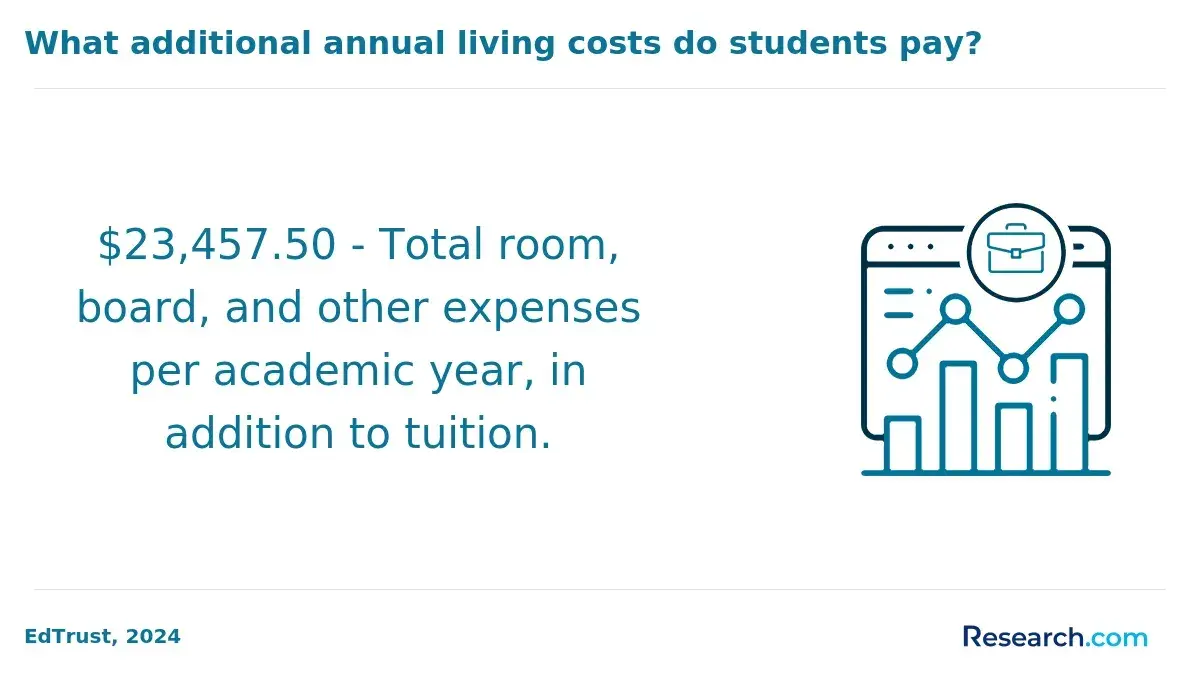
College Board's $11,610 public four-year in-state tuition-and-fee average for 2024-25 is undergraduate context, not a graduate price quote. Graduate tuition can be charged by credit or term, with different rates and additional program fees. To compare offers, obtain an estimate of every remaining requirement and ask about the costs that may sit outside tuition.
The following cost categories can materially change which offer is less expensive overall:
- Required foundation courses, repeat coursework, and any credits that do not transfer.
- Technology, laboratory, clinical, placement, and graduation fees.
- Travel or lost work time for residencies, laboratories, and supervised placements.
- Books, equipment, examination fees, and any borrowing costs.
Check eligibility for federal aid, employer assistance, and scholarships with the school's financial aid office. A lower per-credit rate is not necessarily the cheaper choice if it takes more credits or requires costly travel.
What Jobs and Salaries Can These Degrees Lead To?
Occupational pay can help you assess a possible destination, but it is not a forecast of what graduates of a particular program earn. The U.S. Bureau of Labor Statistics reported the following national median annual wages for occupations in 2023. Each figure covers workers across experience levels and educational backgrounds.
| Occupation | 2023 median annual wage | Important qualification |
| Software developer | $132,270 | A computer science master's is not the standard entry requirement |
| Registered nurse | $86,070 | Requires an applicable nursing education pathway and licensure, not necessarily an MSN |
| Social worker | $58,380 | Requirements differ by role; clinical practice requires a state license |
| Medical and health services manager | $110,680 | Employers commonly expect relevant healthcare experience |
Use these figures to investigate roles, not to calculate an automatic return on a degree. Compare job postings in your region with program outcomes that a school can document, and account for experience, licensing, and the full cost of study.
How Do Licensing and Certification Requirements Affect Career Planning?
Licensing can turn an attractive admission offer into the wrong choice if the program does not meet the rules where you intend to work. Nursing, teaching, clinical social work, and certain counseling roles have state-specific education and supervised-practice requirements. Engineering licensure also follows a separate state process. Professional certification may be valuable in IT, but it is generally distinct from both a master's degree and a state license.
Before enrolling, identify the occupation and state first. Then confirm with the state board whether the specific program meets its educational requirements, what examinations or supervised hours follow graduation, and whether an online student can complete required placements locally. A program's claim that it prepares students for a profession should not replace that verification.
Other Things You Should Know About
There is no reliable, universal answer by degree field. Ask schools for recent admit and applicant counts for the exact programs you are considering; do not substitute institution-wide undergraduate rates.
Sometimes. Business, public health, and some IT programs may consider varied majors, while others require prerequisites or a bridge sequence. Request an individual transcript review.
Not necessarily. An online and campus program may share admission standards, and an online cohort may have limited places. Check the program's published criteria and available admissions figures.
Only if it also fits your career goal, budget, preparation, and location needs. For licensed work, confirm state eligibility before treating accessibility as an advantage.
References
- Find a College or Educational Program | ed.gov http://www.ed.gov/higher-education/find-college-or-educational-program
- Field of degree: Occupational Outlook Handbook:: U.S. Bureau of Labor Statistics https://www.bls.gov/ooh/field-of-degree/
- Use The Data - National Center for Education Statistics (NCES) https://nces.ed.gov/ipeds/use-the-data
- Selectivity: Acceptance Rates at 4-Year Colleges - National Association for College Admission Counseling (NACAC) https://www.nacacnet.org/selectivity-acceptance-rates-at-4-year-colleges/
- How to Find Accurate College Acceptance Rates | IvyWise https://www.ivywise.com/blog/how-to-find-accurate-college-acceptance-rates/


