2027 Best Colleges With Academic Advising

Co-Founder and Chief Data Scientist
A college may advertise academic advising, but the useful question is whether you can reach an advisor who understands your degree requirements before a missed prerequisite delays graduation. This guide is for students comparing colleges and for readers considering academic advising as a career.
The U.S. Bureau of Labor Statistics reports a May 2024 median annual wage of $65,140 for school and career counselors and advisors - a broad occupation, not an expected salary for college advisors or graduates. Below, you'll find colleges to investigate, advising questions to ask, and guidance on credentials and career preparation.
Key Things You Should Know
- The best college for academic advising is the one that provides accessible, major-specific help with course sequencing, degree audits, and referrals, not merely an advising webpage.
- Advising arrangements can differ across majors, online programs, and graduate schools, confirm the service available to your specific program before enrolling.
- BLS projects 4% employment growth for school and career counselors and advisors from 2024 to 2034, that broad category does not predict hiring for college academic advisors specifically.
Top 10 Best Colleges With Academic Advising
Business Programs
Business master's programs may offer general advising alongside guidance from a program office. Ask who checks prerequisites, concentration choices, and course sequencing, especially if you plan to study part time or change specialties. An advisor can help map requirements, but career services are a separate resource. If you need help securing an internship or evaluating employers, confirm which office provides it.
Healthcare Programs
For a healthcare-related master's degree, useful advising goes beyond choosing electives. Ask whether an advisor helps students understand prerequisites, placement timelines, and any professional requirements tied to the intended role. Healthcare administration, public health, and clinical programs have different purposes; neither a general advisor nor a degree title can establish licensure eligibility. Confirm requirements with the program and the applicable state board.
Information Technology Programs
IT master's students may need to choose among infrastructure, cybersecurity, analytics, and management coursework. Advising is most valuable when it accounts for your technical background and the order in which courses are offered. Career changers should ask whether foundation courses add time or cost. If you hope to earn an industry certification, check whether the curriculum prepares you for its exam rather than assuming the degree awards the certification.
Computer Science Programs
In a computer science master's program, an advisor should help distinguish thesis, project, and coursework-only routes where available. Ask how prerequisites are evaluated if your bachelor's degree is in another field, and whether required advanced courses run often enough to support your intended pace. A general enrollment advisor may not be able to approve technical substitutions; find out who makes those decisions.
Nursing Programs
Nursing master's advising should address specialty admission, clinical placement, and the requirements for your intended credential. Ask whether the program arranges placements or expects students to find sites, including for online study. State authorization and professional certification eligibility need separate confirmation. A supportive advisor can help you plan, but cannot waive clinical hours or guarantee that a program meets another state's licensing rules.
Psychology Programs
Psychology master's degrees can lead toward research, applied work, or further graduate study; they do not all prepare students for clinical licensure. Ask an advisor to explain the program's purpose, supervised-experience opportunities, and typical next educational step. If your goal is licensed practice, check the applicable state board's degree and supervision requirements before relying on a program description or an advisor's general guidance.
Education Programs
Education master's students should ask whether advising covers teacher certification, endorsements, or advancement within an existing teaching role. These are different pathways, and a master's degree does not automatically grant an initial license. Confirm prerequisites, student-teaching or fieldwork arrangements, and state-specific rules. Working teachers should also ask whether required courses and placements fit the school-year calendar.
Criminal Justice Programs
A criminal justice master's degree may emphasize policy, administration, research, or specialized practice. Advising should help you choose courses that match a realistic career goal, not assume the credential is required for every justice-related job. Ask about internship access and whether the program accommodates agency schedules. Law enforcement hiring and promotion standards are set by employers and jurisdictions, not by the degree alone.
Engineering Programs
Engineering master's advising matters when prerequisite chains, laboratory access, or a thesis affect completion time. Ask who approves a concentration and whether needed courses are available in your preferred terms and format. If professional engineering licensure is your goal, investigate state board rules and the relevance of your undergraduate preparation; a graduate degree by itself does not establish eligibility.
Social Work Programs
Master of Social Work students should look for advising that coordinates course plans with field education. Ask when placements occur, who helps secure them, and what scheduling flexibility is realistic. Also verify Council on Social Work Education accreditation and your state's licensure requirements. Academic advising can clarify the path, but graduation, supervised practice, examinations, and licensing are separate steps where required.
What Is an Academic Advising Program?
Academic advising has two meanings in this guide, the service colleges provide to help students navigate academic requirements, and the professional field that prepares people to provide that service. An academic advising program is typically graduate study in advising or a related area such as higher education or student affairs. It examines how students develop, make decisions, and progress through college.
It is not the same as an advisor assigned to you as a student. Nor is it interchangeable with career counseling or a credential obtained through certifications online. If you want help choosing a college, evaluate its advising service; if you want to become an advisor, evaluate its academic and professional preparation.
Which Colleges Offer the Best Academic Advising Degrees and Certificates?
There is no single best college for every student. Arizona State University, Oregon State University, and the University of Central Florida are starting points for comparing institutional advising; Kansas State University is also worth investigating if your goal is graduate study specifically in academic advising. These are options to evaluate, not a verified ranking of advisor availability or student outcomes. Your experience may depend more on the particular college, major, and delivery format than on the university-wide service description.
The comparison below separates the reason to investigate each institution from the question that should decide whether it fits you.
| College | Reason to investigate | Confirm for your program |
| Arizona State University | Academic advising within a large university with campus and online offerings | Which advisor serves your major and delivery format, and who resolves degree-audit questions? |
| Oregon State University | Academic advising for students exploring campus or Ecampus study | How do online students access major-specific appointments and course-planning help? |
| University of Central Florida | University and college-level advising resources | Which office handles your major, and what happens when requirements change? |
| Kansas State University | Graduate study specifically focused on academic advising | Does the current advising credential fit your career goal, and what student advising support accompanies it? |
Ask each school for the advising page and current degree map for your exact program, then contact the office you would actually use. Compare appointment access, support for transfer or part-time students, and how advisors handle exceptions. If you are considering online study, a list of most reputable online universities can broaden your search, but reputation alone does not establish the quality of advising in your major.
What Degree Do You Need to Become an Academic Advisor?
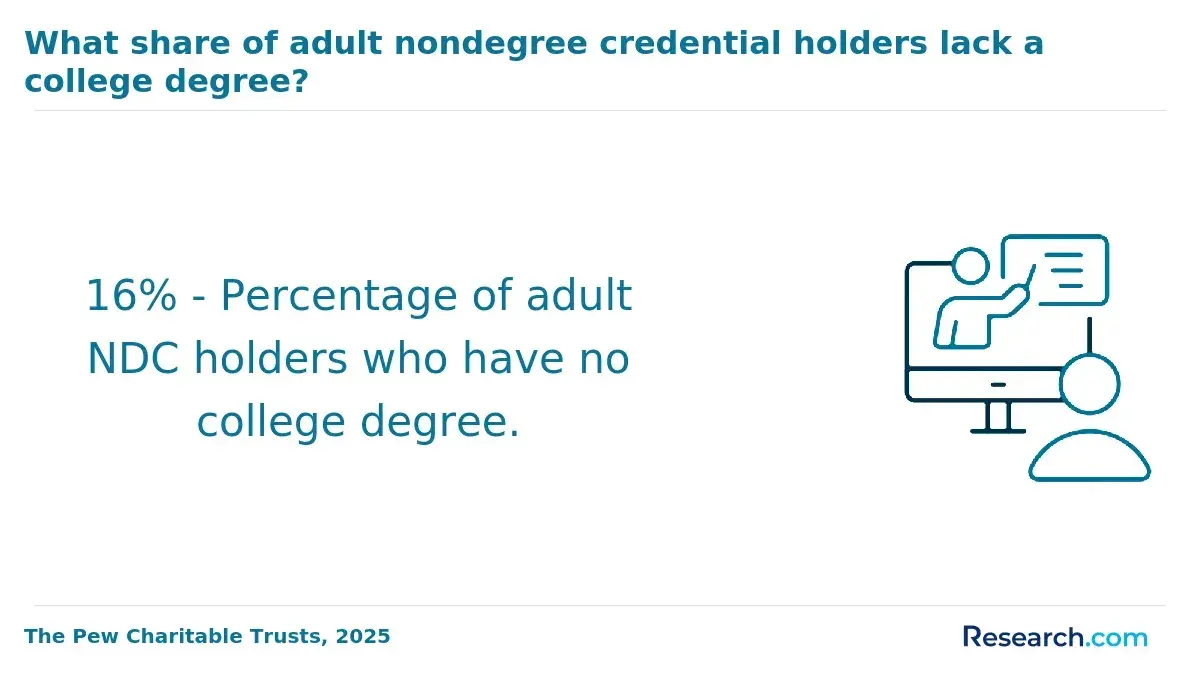
College academic advisor positions commonly seek a bachelor's degree; requirements vary by employer and assignment. A master's in academic advising, higher education, counseling, education, or student affairs may strengthen an application or be required for some positions. Experience supporting students - through orientation, tutoring, admissions, or student services - can also matter. Read actual job postings before paying for graduate study.
Choose a graduate credential when postings for your target roles call for it or when you need deeper preparation. An associate degree is a different educational starting point, not a substitute for a bachelor's or master's requirement: searches for the best associate degree in 6 months online should not be treated as evidence of a fast route into a college advisor position. School counseling has separate state licensure rules and should not be confused with college academic advising.
Are Online Academic Advising Programs Accredited?
Online delivery does not determine accreditation. Check that the institution holds recognized institutional accreditation, then verify that the specific advising credential is currently offered in the format you need. Academic advising generally does not have the same universal, licensure-linked programmatic accreditation requirement as some clinical professions; related counseling or educator-preparation programs may have additional standards.
Before enrolling across state lines, ask about any required campus sessions, internship arrangements, and state authorization. Do not interpret "online" as meaning asynchronous or free of scheduled meetings.
What Courses Do Academic Advising Programs Include?
Academic advising coursework commonly addresses student development, higher education systems, advising approaches, educational equity, and research or assessment. Programs may also cover technology used to track academic progress, referral practices, and advising for transfer or first-generation students. Exact requirements differ: a graduate certificate may emphasize core advising skills, while a master's may add broader higher education study and a capstone or research component.
Compare course descriptions with the work you want to do. For direct student support, look for supervised or applied practice; for leadership or assessment roles, examine the research and organizational coursework.
What Are the Admission Requirements for Academic Advising Programs?
Graduate academic advising programs generally require a completed bachelor's degree and an application with transcripts. Depending on the institution, applicants may also need a statement of purpose, recommendations, a résumé, or evidence of relevant experience. Graduate certificates can have different eligibility rules from master's degrees, even at the same university. Do not assume that a general university admissions policy settles a particular program's GPA or test requirements.
If you lack higher education experience, use your statement to connect tutoring, mentoring, teaching, or other student-facing work to advising. Confirm whether previous graduate courses can count toward the credential and get any transfer decision in writing before planning around it.
How Long Do Academic Advising Programs Take and What Do They Cost?
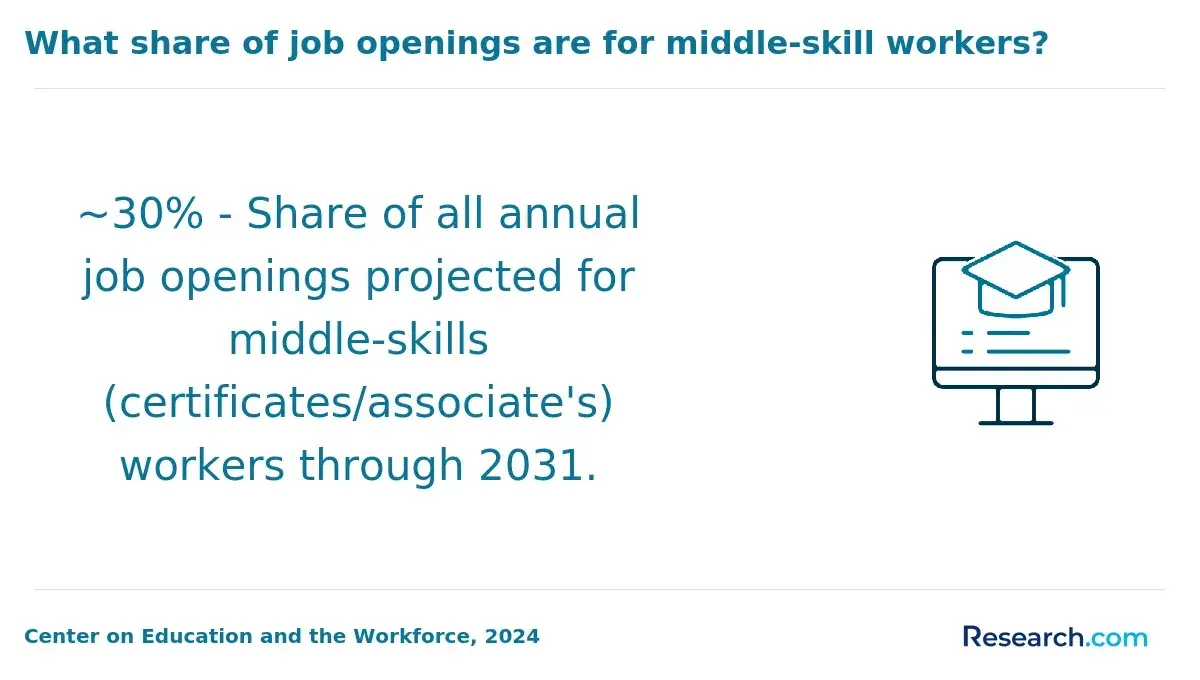
A graduate certificate usually requires less study than a master's degree, but neither has a universal completion time or price. Your total depends on required credits, course availability, enrollment pace, accepted prior graduate coursework, and any capstone or practice requirement. Part-time study may fit a working advisor while extending the time until completion.
Published tuition alone is not a reliable cost comparison. The factors below explain why two apparently similar offers can produce different bills.
| Cost factor | Why it matters |
| Tuition basis | Per-credit rates, residency rules, and online rates may differ. |
| Required credits | A longer credential can cost more even with a lower per-credit price. |
| Mandatory fees | Technology, graduate, and course fees may sit outside advertised tuition. |
| Attendance requirements | Campus visits or practice experiences can add travel or reduce working hours. |
| Aid and employer support | Eligibility varies by credential and enrollment status; workplace benefits may reduce out-of-pocket cost. |
Request an itemized estimate for the entire credential, not just one term. Ask the financial aid office whether your program and intended course load qualify for federal aid; a short certificate should not be assumed eligible.
What Careers and Salaries Can Academic Advising Graduates Expect?
Academic advising graduates may pursue college advisor, student success, transfer advising, or student services roles. Some positions focus on individual degree plans; others involve outreach, assessment, or coordinating services. Supervisory jobs may require substantial experience in addition to a graduate credential.
The BLS school and career counselors and advisors category offers labor-market context, but it combines roles with different employers and qualifications. Its median wage is not a forecast for someone completing an academic advising program. Compare pay ranges in current postings for your location and target institution. Although some advising work uses virtual appointments, searches for work from home degrees that pay good money should not lead you to assume advisor jobs are fully remote; employers set their own on-site expectations.
How Do You Choose a Reputable Academic Advising Program?
Start with your goal: receiving dependable advising as a student or preparing for an advising career. For student support, test the service attached to your intended major. For a career program, compare its curriculum and credential with real advisor job postings. Use these checks before making a deposit or committing to a schedule:
- Verify institutional accreditation and the exact degree, certificate, major, and delivery format you would enter.
- Ask who your advisor would be, how appointments work, and who can resolve course substitutions or transfer-credit questions.
- Check the current catalog for required courses, sequencing, experiential work, and any campus attendance.
- Request a whole-program cost estimate and ask how aid, employer benefits, or approved transfer credit would apply.
- For career preparation, compare employer requirements and ask what applied advising experience you can obtain while studying.
Two common mistakes are treating a university-wide advising promise as proof of support in every major and assuming an academic advising degree guarantees an advisor job. Written program requirements, a direct conversation with the relevant advising office, and current job postings provide a firmer basis for a decision than a ranking alone.
Other Things You Should Know About
Accessible, major-specific help with course plans, prerequisites, degree audits, and referrals. Ask how appointments work and who has authority to resolve exceptions.
No. Academic advising focuses on educational progress and requirements; career counseling focuses on occupational decisions. Some services overlap, but staff roles and qualifications may differ.
Often, yes, but access varies by college and program. Confirm whether appointments are virtual, when they are available, and whether the advisor understands your online degree requirements.
Not for every position. Many employers consider applicants with a bachelor's degree, while others prefer or require graduate education and relevant student-support experience. Check postings for the jobs you want.
References
- Auxiliary Aids and Services for Postsecondary Students with Disabilities | U.S. Department of Education http://www.ed.gov/laws-and-policy/individuals-disabilities/auxiliary-aids-and-services-for-postsecondary-students-with-disabilities
- WWC | Effective Advising for Postsecondary Students https://ies.ed.gov/ncee/wwc/practiceguide/28
- Transfer Student Resources - The Office of Orientation & Transition https://orientation.utah.edu/transfer/resources/
- What Does An Academic Advisor Do? | University of Arizona Online https://online.arizona.edu/news/what-does-academic-advisor-do
- College Scheduling | uchicago.edu https://collegescheduling.uchicago.edu/
- Advising Appointments - University College https://universitycollege.indianapolis.iu.edu/support/advising/appointments/index.html
- College Advising | CDSS at UC Berkeley https://cdss.berkeley.edu/advising
- Academic Support | Temple University Bulletin https://bulletin.temple.edu/undergraduate/student-resources/academic-support/
- UW Academic & Career Success Model | wisc.edu https://oacs.wisc.edu/uw-madison-advising-model/
- Nearly Half of Students Lack Key Academic Guidance | Inside Higher Ed https://www.insidehighered.com/news/student-success/academic-life/2023/02/28/student-survey-reveals-gaps-core-academic-advising