
2027 Best Online College Programs With Student Success Coaching

Co-Founder and Chief Data Scientist
Choosing an online program is hard enough without wondering who will help when work, coursework, and deadlines collide. Student success coaching can provide a consistent point of contact, but the service varies substantially by school. The stakes are real: the U.S. Bureau of Labor Statistics reports a 2024 median wage of $133,080 for software developers, an occupation that often requires substantial technical preparation - not simply enrollment in an online degree. This guide compares master's-level program families, explains what coaching should include, and shows how to check whether an online program fits your schedule, budget, and career goal.
Key Things You Should Know
- The strongest coaching option is one that identifies an assigned contact, explains when that person checks in, and provides a clear route to academic and technical help - not one that merely advertises "support."
- Online master's programs vary widely in length and required fieldwork; a coaching service cannot remove clinical hours, student teaching, or licensing requirements.
- Federal Student Aid lists $20,500 as the standard annual Direct Unsubsidized Loan limit for graduate students, with exceptions for certain health-profession programs. Compare the full cost of completing a program, not just its tuition rate.
Top 10 Best Online College Programs With Student Success Coaching
Business Programs
An online MBA or specialized master's in accounting, finance, or management can suit professionals seeking advancement or a career change. A coach is particularly useful for mapping prerequisite courses, group-project deadlines, and a capstone around work commitments. Compare career services separately from coaching: help staying enrolled does not establish placement results. Ask whether your intended concentration is available online and whether the school holds business-specific accreditation, such as AACSB, if that matters to your goals.
Healthcare Programs
Online master's programs in healthcare administration, public health, and health informatics serve different goals. Administration emphasizes operations and leadership; public health emphasizes population-level research and practice; informatics connects healthcare workflows with data systems. Coaching can help coordinate projects or internships, but it cannot substitute for professional experience. Confirm whether a public health program has CEPH accreditation if it is important to your intended employer or certification path, and ask whether any required practice experience can be completed locally.
Information Technology Programs
An online master's in information technology, cybersecurity, or information systems may fit experienced practitioners moving toward architecture, security, or management. A coach can help plan around sequential technical courses and certification preparation, but verify access to faculty and technical tutoring as well. Check whether the curriculum assumes prior programming or networking knowledge. A degree does not replace the hands-on experience or certifications some employers request; compare the program's projects with actual job postings.
Computer Science Programs
Online computer science master's programs commonly emphasize algorithms, software systems, artificial intelligence, or research. They may be a poor fit for applicants seeking introductory coding instruction: some require specific prior coursework even when the degree itself is online. Ask how a coach helps students sequence prerequisites and demanding project courses, then check whether the program offers faculty feedback and substantive computing projects. Compare thesis and project options if doctoral study or a portfolio is part of your plan.
Nursing Programs
Online MSN programs may prepare registered nurses for leadership, education, informatics, or advanced practice. Many require an active RN license, and clinical tracks involve supervised placements even when coursework is online. A coach may help track milestones, but confirm who secures clinical sites and whether the program meets requirements in the state where you plan to practice. Check nursing-program accreditation and the relevant certification and licensing rules before applying; an MSN alone does not authorize advanced practice.
Psychology Programs
An online master's in psychology can support research, applied work, or further study, but its career purpose depends on the concentration. Do not assume a general psychology degree qualifies you for independent clinical practice. If counseling licensure is your goal, investigate a specifically designed counseling pathway, its accreditation, required supervised experience, and your state's rules. Coaching is most valuable here when it helps distinguish academic advising from guidance on practicum and licensing milestones.
Education Programs
Online M. Ed. and other education master's programs can serve licensed teachers seeking specialization or applicants pursuing an initial teaching credential. Those are not interchangeable pathways. A coach can help schedule assignments alongside the school year, but student teaching or field observations may require substantial daytime availability. Verify whether the program accepts applicants without a teaching license, whether local placements are supported, and whether its curriculum meets the requirements of your intended state.
Criminal Justice Programs
An online criminal justice master's may emphasize policy, administration, criminology, or analysis. It can be useful for experienced public-service professionals, but advancement often also depends on agency rules and experience. Ask whether coaching includes help pacing research and a capstone, particularly if you work shifts. Compare courses against your intended role: a policy-heavy degree may not deliver the technical training needed for digital forensics, and a master's does not automatically qualify someone for a law-enforcement position.
Engineering Programs
Online engineering master's programs often target graduates with a related bachelor's degree and substantial mathematics preparation. Specializations and laboratory expectations differ, so confirm which courses and any campus sessions are actually online. A coach may help plan a sequence of technical courses, while faculty and engineering-specific career guidance address different needs. If professional engineer licensure matters, check your state board's education and experience rules; earning a master's alone does not confer a license.
Social Work Programs
An online MSW combines coursework with supervised field education; "online" does not mean placements can be completed remotely. CSWE accreditation is especially important for students pursuing social work licensure. A coach can help track deadlines and connect you with field staff, but ask which office approves placements near you and what happens if a site falls through. Applicants with an eligible BSW may qualify for an advanced-standing pathway; its admission rules and remaining field requirements differ from a traditional MSW.
What Is Student Success Coaching in Online College Programs?
Student success coaching is ongoing, individualized help with planning, motivation, navigating school processes, and connecting to resources. Depending on the institution, the person providing it may be called a success coach, student advisor, or program mentor. An academic advisor usually concentrates on degree requirements and course selection; an instructor teaches and evaluates coursework. Roles can overlap, so the title alone tells you little.
The useful questions are operational: Is a coach assigned to every student in your exact online program? Who initiates contact, how often can you meet, and can you reach that person after normal work hours? Can the coach intervene when you miss a course milestone, or only direct you elsewhere? Coaching should complement, not replace, tutoring, accessible instruction, faculty support, and field-placement assistance.
Which Online College Programs Offer Dedicated Student Success Coaches?
Western Governors University (WGU) describes an assigned Program Mentor who works with students throughout their online degree. ASU Online describes success coaching for its online students alongside academic advising. These are useful examples of structured support, not a claim that every master's field listed above is offered by either university or that both services work identically. Confirm the current support arrangement for the exact program and enrollment status you are considering.
Ask to see the program page and the school's student-support description together. An institution may offer coaching to all online learners, only newly enrolled students, or only those who request it. If a school describes general advising but cannot establish a dedicated coaching relationship, do not treat the two as equivalent. No coach or mentor can guarantee graduation or a job.
How Can You Verify Online College Accreditation and Program Quality?
Start with the institution: confirm that its accreditation is current through the accreditor and the U.S. Department of Education's accreditation information. Then check the specific program. Relevant programmatic accreditors include CSWE for social work and nursing accreditors such as CCNE or ACEN; the accreditor that matters depends on the credential and career goal.
Accreditation is a baseline, not a quality score. For a regulated occupation, ask the relevant state licensing board whether the particular online program and its field experiences satisfy educational requirements where you intend to work. Also inspect the current catalog for admission prerequisites, required courses, placement responsibilities, and any residency or campus requirement. A common mistake is checking the university's accreditation while assuming that every program qualifies for the same license or credential.
What Degrees and Certificates Are Available Through Online College Programs?
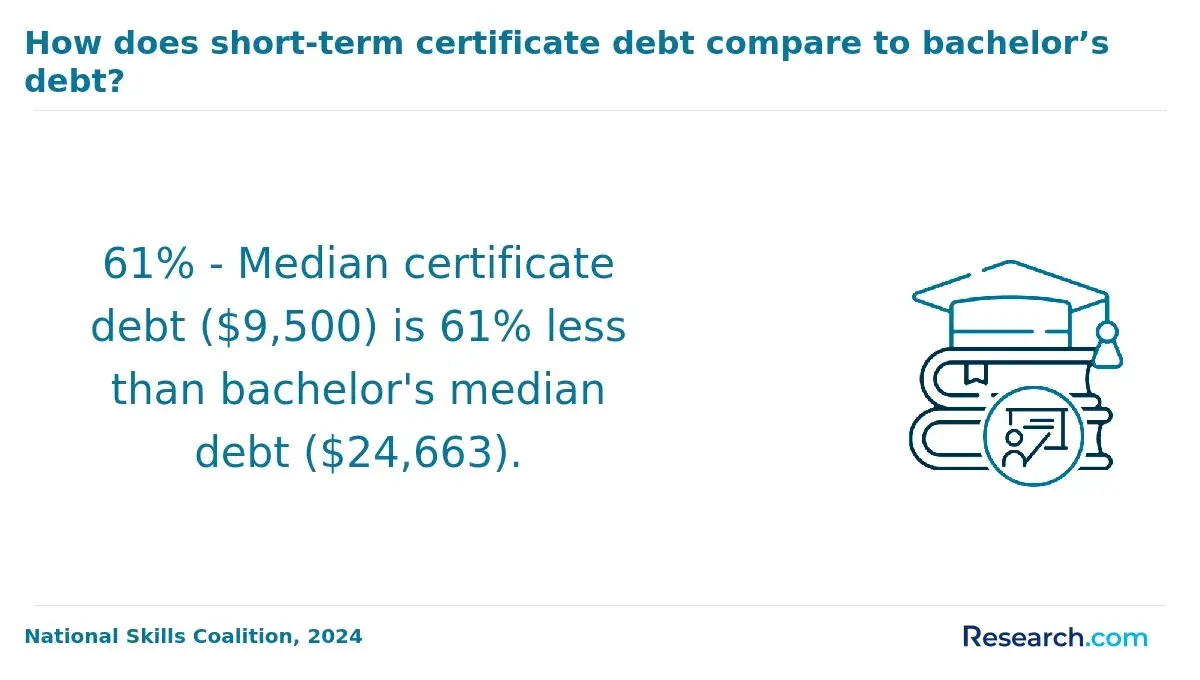
Online colleges offer certificates, associate and bachelor's degrees, graduate certificates, and master's degrees; availability of coaching may differ at each level. This guide emphasizes master's program families, so compare the precise degree - such as an MBA, MSN, MSW, or M. Ed. - rather than relying on a broad field label. A certificate may be better when you need a narrower skill set and do not need a graduate degree.
If you still need an undergraduate credential, an accelerated bachelor's degree is a different starting point from a master's program. Check whether its shorter timeline assumes previously earned credits. Undergraduate credits do not automatically satisfy graduate degree requirements, and coaching availability must be verified for whichever credential you choose.
What Are the Admission Requirements for Online College Programs?
Most master's applicants need a bachelor's degree and transcripts. Programs may also request a relevant major, prerequisite courses, recommendations, a statement of purpose, or professional experience. Licensed or practice-oriented tracks can have additional requirements: an MSN may require an RN license, for example, while a computer science program may expect programming and mathematics preparation. GRE or GMAT policies are program-specific; do not assume that a university-wide admissions statement governs a particular master's degree.
If speed matters, a 1 year masters degree is worth investigating only after checking its prerequisites and course sequence. A short advertised timeline may assume full-time study or prior preparation. Ask admissions to identify any separate requirements for the online track and whether the school will evaluate eligible previous graduate coursework before you commit.
How Long Do Online College Programs Take and What Do They Cost?
Master's completion time depends on required credits, enrollment pace, course availability, prerequisites, and final projects or fieldwork. A clinical or licensure-oriented program may take longer than a coursework-only degree even if both deliver lectures online. Request a term-by-term plan based on your starting credentials and the hours you can actually study.
For cost, calculate tuition across every remaining credit, then add mandatory, technology, course, placement, and travel expenses. Ask for a written estimate and check eligibility for federal aid or employer tuition assistance. Federal Student Aid's standard $20,500 annual graduate Direct Unsubsidized Loan limit is a borrowing limit, not a measure of program affordability or an assurance of aid eligibility.
Readers comparing education levels may also encounter 2 year accelerated bachelor degrees online. Those timelines generally depend on the student's previous credits and cannot be used to estimate the length or cost of a master's. For either level, find out which accepted credits apply to required courses, not merely whether the institution accepts transfers.
What Do Online College Programs Teach and How Are Courses Delivered?
Online courses may use recorded lectures, scheduled live discussions, readings, labs or simulations, group projects, and proctored assessments. Master's students may also complete a thesis, capstone, internship, clinical placement, practicum, or student teaching. Online describes where much of the instruction occurs; it does not establish that attendance is asynchronous or that every requirement can be completed from home.
Before enrolling, request a sample course schedule and ask when live meetings occur, whether deadlines follow a fixed weekly calendar, and who arranges local experiential work. A success coach can help you manage that schedule, but cannot make a required daytime placement compatible with an inflexible job. Current interest in AI-related skills also makes it worth checking how programs teach responsible use of AI, data, and field-specific tools rather than judging a curriculum by its degree title alone.
What Careers and Salaries Can Online College Graduates Expect?
Career possibilities depend on the field and your existing qualifications. A business or IT master's may support advancement; an accredited MSW can form part of a social work licensure pathway; an MSN can support certain nursing specialties when other requirements are met. None of those outcomes follows automatically from receiving coaching or earning the degree.
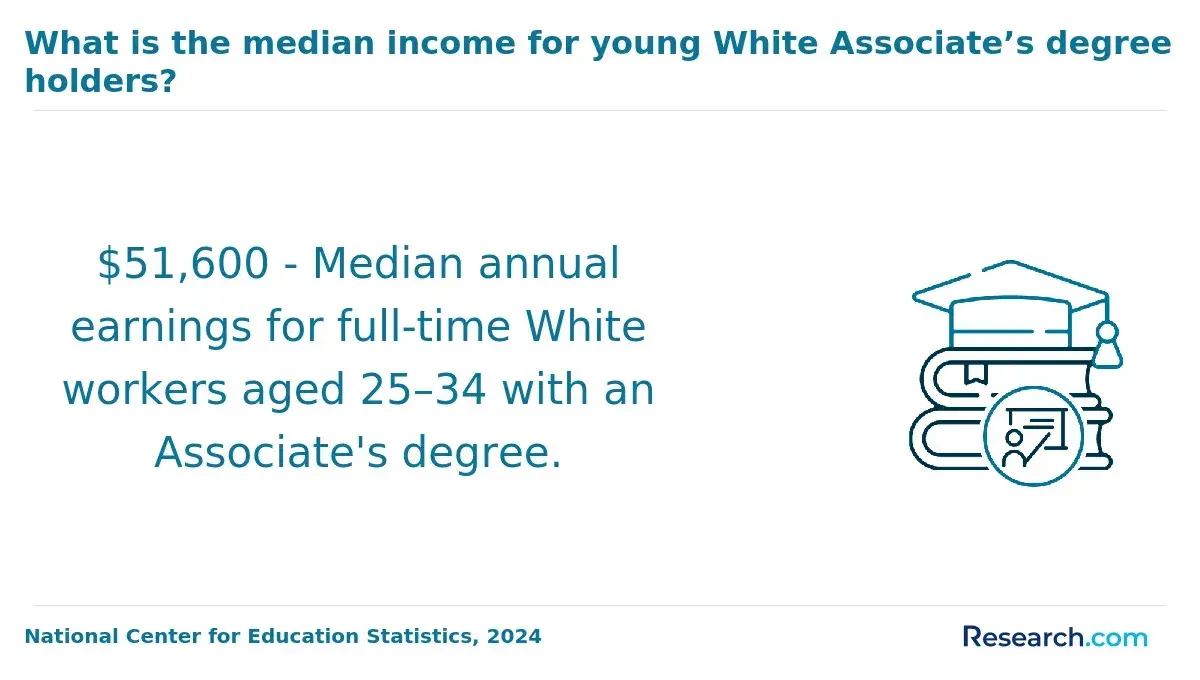
For wage context, the Bureau of Labor Statistics reports a 2024 median annual wage of $93,600 for registered nurses. That is an occupational figure across workers with different education and experience - not an expected salary for MSN graduates. Use BLS occupation profiles to compare duties, entry requirements, wages, and projected employment before estimating whether a program's cost makes sense for you.
If your target job does not require a graduate degree, compare narrower training first. Some quick certifications that pay well may address a specific skill gap, though their relevance and employer recognition vary. A certificate is not a substitute for the accredited education and supervised practice required for a professional license.
How Should You Choose an Online College Program With Coaching?
Choose the program whose documented coaching model and academic requirements fit your circumstances - not the one making the broadest support claim. The following checks turn marketing descriptions into comparable answers.
- Identify the exact online degree and career goal; rule out programs that lack a required accreditation or do not meet applicable state licensing rules.
- Ask whether a coach is assigned to students in that degree, when contact starts, how meetings are scheduled, and what the coach does when a student falls behind.
- Request a personalized course plan showing prerequisites, accepted transfer credit, live sessions, and all placements or campus visits.
- Compare written total-cost estimates and ask about fees, financial aid, employer benefits, and the effect of studying part time.
- Speak with the program about access to faculty, tutoring, technical help, and placement staff; those services solve problems a coach may not be qualified to handle.
Beware of vague promises that coaching ensures completion or employment. If a school cannot explain who provides support or who is responsible for finding a clinical or field site, get clarification before paying a deposit. The best choice may be a less accelerated program if its schedule, placement support, and cost give you a more realistic path to finishing.
Other Things You Should Know About
Not necessarily. Advisors typically focus on academic rules and course selection; coaches may also help with planning and staying engaged. Ask the school how it divides those responsibilities.
No. Assignment, eligibility, meeting frequency, and job titles differ by institution and program. Verify the arrangement for your specific degree before enrolling.
Yes. Nursing, social work, education, and other fields may require local clinical work, field placements, or student teaching. Coaching does not waive those requirements.
It can add value if the service fits your needs, but it does not guarantee an outcome. Compare its actual availability with the program's total cost, scheduling demands, accreditation, and career relevance.
References
- Fast Facts: Distance learning (80) | ed.gov https://nces.ed.gov/fastfacts/display.asp
- Cost of Attendance (Budget) | 2025-2026 Federal Student Aid Handbook https://fsapartners.ed.gov/knowledge-center/fsa-handbook/2025-2026/vol3/ch2-cost-attendance-budget
- Chapter 3 - Courses and Enrollment, Full Course of Study, and Reduced Course Load | USCIS https://www.uscis.gov/policy-manual/volume-2-part-f-chapter-3
- What Is a Student Success Coach? Roles & Salary | Southeastern Oklahoma State University https://online.se.edu/programs/education/med-sped-counseling/school-counseling/student-success-coach/
- Stanford study shows college student coaching improves retention and graduation rates https://ed.stanford.edu/news/stanford-study-shows-college-student-coaching-improves-retention-and-graduation-rates
- Online Degree Programs | SNHU https://www.snhu.edu/online-degrees
- Why Is Accreditation Important? | ACE Blog https://ace.edu/blog/why-is-accreditation-important/


