2027 Best Online Colleges With No SAT or ACT Requirement

Co-Founder and Chief Data Scientist
Skipping the SAT or ACT can simplify a college application, but it does not tell you whether an online program is affordable, flexible, or right for your career. This guide is for prospective undergraduates comparing colleges with published no-test admissions policies and for readers considering graduate study, where different admissions rules apply. The stakes extend beyond admission: the U.S. Bureau of Labor Statistics reports a median annual pay of $93,600 for registered nurses in May 2024, but entering that occupation also requires an approved education pathway and licensure. You'll learn how to check the policy, compare colleges, and avoid costly enrollment mistakes.
Key Things You Should Know
- Southern New Hampshire University, University of Maryland Global Campus, and Western Governors University are examples to investigate for online undergraduate study without an SAT or ACT admission requirement; confirm the policy for your specific program and applicant category.
- No-test admission does not mean automatic admission. Colleges may still require transcripts, proof of prior education, placement, prerequisites, or separate approval for selective programs.
- A bachelor's degree commonly requires about 120 credits, so accepted transfer credit, total fees, and program-specific requirements may matter more to your final cost and timeline than the application policy.
Top 10 Best Online Colleges With No SAT or ACT Requirement
Business Programs
Online MBA and specialized business master's programs generally evaluate applicants without SAT or ACT scores because those are undergraduate admissions tests. A school may instead consider a bachelor's degree, transcripts, work experience, and, in some cases, GMAT or GRE scores. Compare accounting, analytics, and management curricula against your goal: an MBA suits broader leadership development, while a specialized degree may better serve a technical pivot. Ask whether foundation courses add time or cost if your undergraduate major was outside business.
Healthcare Programs
Online master's degrees in healthcare administration and public health prepare students for different work: organizational management versus population-health research and practice. SAT and ACT scores are generally irrelevant to graduate admission, but schools may assess undergraduate preparation or professional experience. Check whether an MPH has public-health programmatic accreditation and whether the curriculum includes a supervised practice experience. A healthcare administration degree does not itself qualify someone for clinical practice or a professional license.
Information Technology Programs
An online IT master's may emphasize cybersecurity, cloud systems, or technology management. Graduate admission typically centers on a bachelor's degree and relevant preparation, not SAT or ACT scores; some programs require programming or networking foundations. Compare hands-on labs, certification alignment, and any scheduled or proctored activities. If you need a targeted skill rather than a graduate credential, a shorter certificate or industry certification may be a more proportionate investment.
Computer Science Programs
Online computer science master's programs can be research-oriented or professionally focused. Applicants without a computing bachelor's degree may need calculus, programming, or algorithms prerequisites, even when SAT and ACT scores are not requested. Compare foundation-course costs and whether a thesis, capstone, or project fits your goals. An online format does not necessarily mean self-paced coursework; confirm live meetings, lab access, and course sequencing before applying.
Nursing Programs
Online MSN pathways often require an active RN license and prior nursing education; some also require clinical experience. SAT and ACT scores are not the relevant admissions hurdle. An RN-to-MSN pathway, nurse educator degree, and advanced-practice track have different prerequisites and outcomes. Clinical placements may be local but still require in-person hours. Before enrolling in a licensure-oriented track, obtain written confirmation that its curriculum and placements meet the requirements of the state where you intend to practice.
Psychology Programs
An online psychology master's can support research, organizational work, or preparation for further study, depending on its curriculum. Graduate programs generally do not use SAT or ACT scores but may ask for recommendations, a statement of purpose, or research preparation. Do not assume any psychology master's qualifies you to practice as a psychologist; that title usually requires a doctoral-level licensing pathway. Counseling-focused master's programs have distinct accreditation, supervised-practice, and state eligibility considerations.
Education Programs
Online education master's programs serve different audiences, including licensed teachers seeking advancement and career changers pursuing initial certification. SAT and ACT scores are typically beside the point; prior degree, teaching license, and state rules matter more. An initial-licensure route may require student teaching in person, regardless of online coursework. Confirm whether a program is designed for your state and whether it leads to the credential you need rather than assuming every M. Ed. grants teacher eligibility.
Criminal Justice Programs
An online criminal justice master's may focus on policy, administration, intelligence, or research. Schools generally assess graduate applicants through prior education rather than SAT or ACT scores. Compare the curriculum with the role you want: agency leadership may depend heavily on experience, while research roles may reward stronger methods training. A degree alone does not confer law enforcement authority, security clearance, or eligibility for a particular government position.
Engineering Programs
Online engineering master's degrees usually expect substantial undergraduate math and engineering preparation, despite not requiring SAT or ACT scores. Some admit students from related fields with additional prerequisites. Compare laboratory, project, and campus-attendance requirements alongside the engineering discipline offered. If professional engineer licensure is your goal, examine your undergraduate program's accreditation and your state board's rules; an engineering master's does not automatically resolve undergraduate eligibility requirements.
Social Work Programs
An online MSW commonly combines remote coursework with in-person field education. Applicants generally need a bachelor's degree, not SAT or ACT scores. Advanced-standing tracks are different from standard tracks: they usually require a qualifying bachelor's in social work and have separate eligibility rules. Check Council on Social Work Education accreditation, field-placement support, and your state's licensing requirements before choosing a program. Finishing the degree alone does not replace required exams or supervised experience.
What does no SAT or ACT requirement mean for online college applicants?
No SAT or ACT requirement means a college does not require either score for the admissions process in question. It does not mean admission is guaranteed, that grades are ignored, or that every program follows the same rule. A college may evaluate high school or previous college transcripts and may use a separate assessment to place admitted students into appropriate courses.
Check the wording carefully. "Test-optional" lets an applicant choose whether to submit scores; "test-blind" means scores are not considered; and a published "no-test" requirement means scores are not needed. A transfer applicant may follow different rules from a first-year applicant. For master's applicants, SAT and ACT scores are generally not part of graduate admission at all; GRE, GMAT, prerequisites, licensure, and experience are more relevant questions.
Which accredited online colleges do not require SAT or ACT scores?
Southern New Hampshire University (SNHU), University of Maryland Global Campus (UMGC), and Western Governors University (WGU) are useful starting points for applicants seeking online undergraduate options without an SAT or ACT requirement. They are examples, not a ranked list. Admissions language, available majors, and selective-program rules can change, so confirm the current policy with each school before applying.
The comparison highlights meaningful differences beyond testing. Use it to narrow your choices, then check the admissions page for your exact degree and applicant status.
| College | Online-study distinction | What to verify before applying |
| Southern New Hampshire University | Broad selection of online undergraduate majors with conventional course-based study | The current no-test undergraduate policy, major availability, transfer evaluation, and course schedule |
| University of Maryland Global Campus | Public university with online degrees and a substantial focus on adult and transfer students | Undergraduate admissions rules, residency-based tuition, transfer applicability, and any program exceptions |
| Western Governors University | Online, competency-based degrees designed around demonstrated mastery | Program-specific entry requirements, term-based tuition, professional prerequisites, and placement obligations |
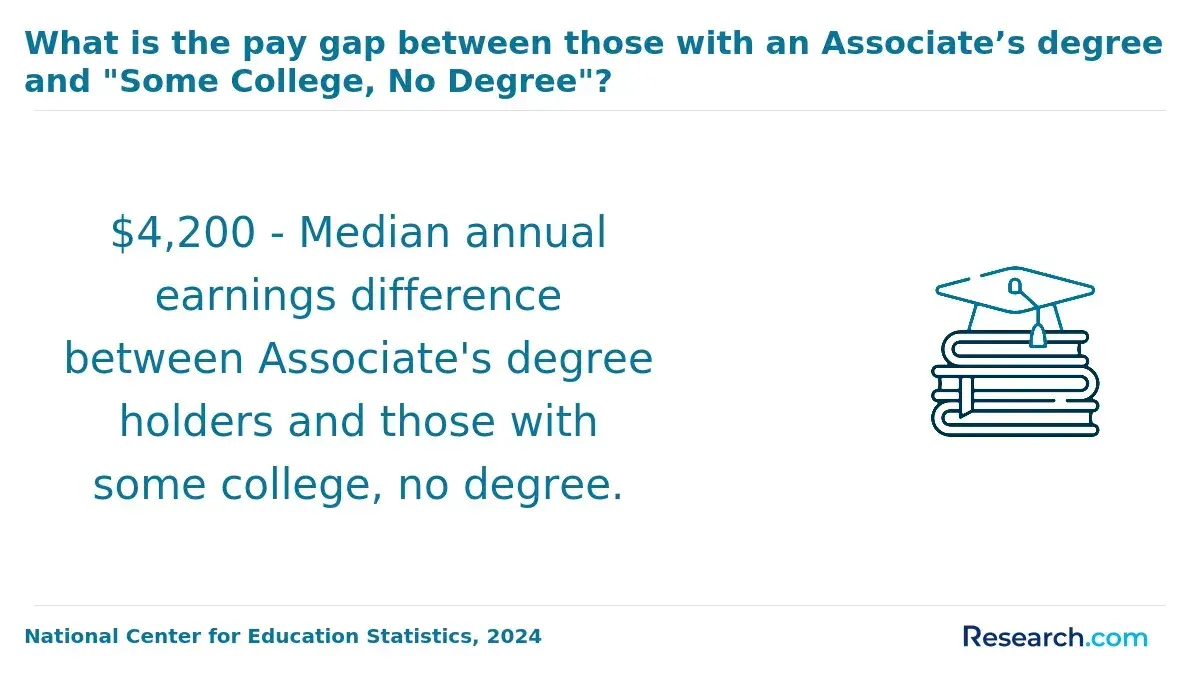
If a bachelor's is not necessary for your immediate goal, an online associate's degree may provide a smaller initial commitment. Check how its credits would apply to a later bachelor's rather than assuming they will all satisfy major requirements.
What are the admission requirements for online colleges without test scores?
Without test scores, undergraduate colleges commonly rely on an application and evidence of prior education, such as a high school transcript, GED documentation, or college transcripts for transfer applicants. Identity or residency documentation may affect enrollment or tuition classification. Some degrees also have separate admission gates: nursing may require prior licensure, for example, and a technical program may require demonstrated preparation.
Before paying an application fee, ask admissions which policy applies to you as a first-year, transfer, international, or returning student. Request the program's prerequisite list and ask whether any placement assessment determines course enrollment rather than admission. An unpublished minimum GPA is not proof that academic history will be ignored; request an explanation if the published criteria are unclear.
How can students verify online college accreditation and program quality?
Start with institutional accreditation: check the college's current status in the U.S. Department of Education's accreditation database and confirm the accreditor's listing directly. Accreditation matters for federal aid eligibility, but it does not mean every course will transfer or every degree will meet professional licensing rules.
Next, investigate the specific program. Nursing, social work, engineering, education, and other regulated fields may have programmatic accreditation or state-approval requirements. Ask for the program's current accreditation status, required in-person work, applicable state approvals, and any publicly available completion or licensing-exam outcomes. A warning sign is a school that promises universal licensure or refuses to identify the authority that approves its program.
Which online degree programs offer strong career and salary potential?
Choose a degree by working backward from the occupation's actual entry requirements, not from its highest advertised salary. For context, the U.S. Bureau of Labor Statistics reports a May 2024 median annual pay of $133,080 for software developers and $93,600 for registered nurses. These are occupation-wide medians, not expected earnings for graduates of a particular online college. Software development requires demonstrable technical skills; registered nursing requires an approved educational pathway and state licensure.
Business, IT, computer science, and healthcare degrees can support different career paths, but experience and credentials affect which positions are realistic. If your goal is a narrower skill rather than a degree-dependent occupation, compare online certificate programs that pay well with degree options. Check the job postings in your target area to see whether employers request a degree, a specific license, or a portfolio of work.
How long do online degree and certificate programs typically take?
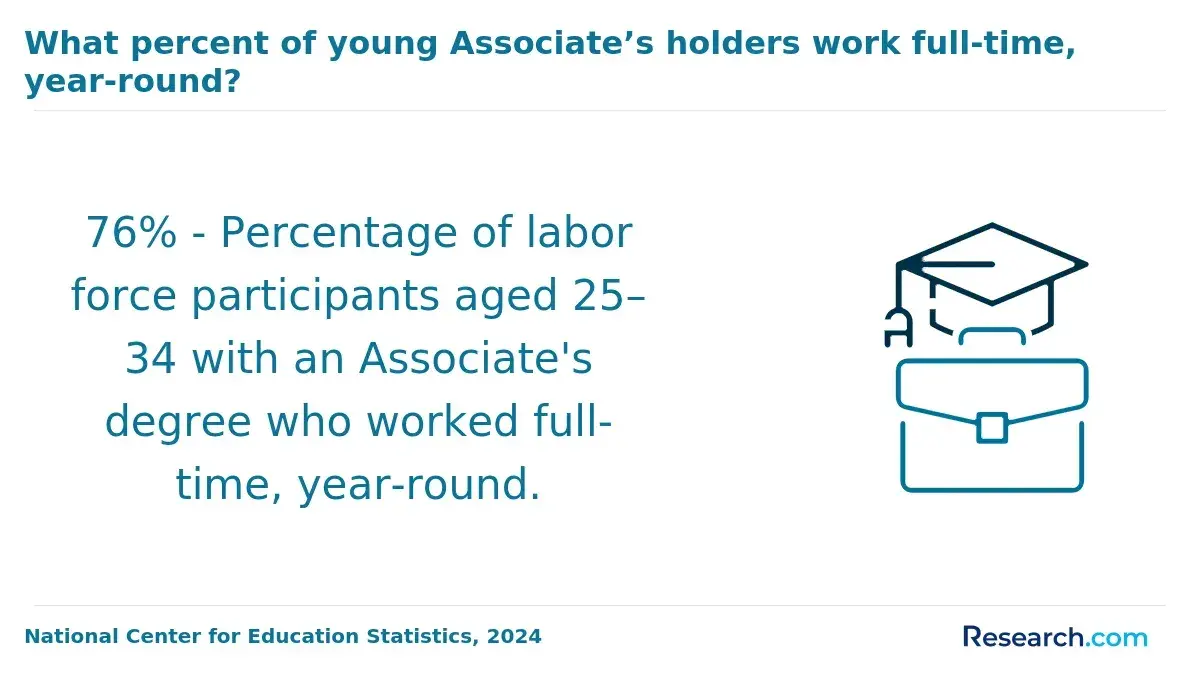
Time to completion depends on the credential, credits remaining, and how courses are offered. Associate degrees commonly require around 60 credits and bachelor's degrees around 120; certificates vary widely. Those totals are starting points, not promises about how long a particular student will take. Part-time enrollment, prerequisite courses, limited course availability, and clinical or student-teaching placements can extend a timeline.
Ask for a written degree audit showing which transferred courses meet general education, major, and elective requirements and which must be completed at the new college. If you are exploring a shorter associate degree online pathway, check the previous credits or preparation behind any advertised completion time. A short class term is not the same as a short degree.
How much do online colleges without SAT or ACT requirements cost?
The absence of an SAT or ACT requirement does not determine price. Compare the estimated cost to finish your specific degree, not tuition per credit alone. Published prices may exclude mandatory fees, books, equipment, clinical expenses, and travel; the credits a school accepts can also change the amount you must pay.
These cost components make offers easier to compare. Request a school-specific estimate for each one before treating a quoted tuition rate as your total cost.
| Cost component | Why it changes the comparison |
| Tuition structure | Per-credit and term-based prices respond differently to course load and pace. |
| Mandatory and program fees | Technology, laboratory, or clinical charges may sit outside base tuition. |
| Credits remaining | Accepted transfer courses can reduce billed coursework, but only if they apply to degree requirements. |
| Required in-person work | Travel, placement, equipment, and unpaid time may add substantial expense. |
| Grants and assistance | Federal, state, employer, or military benefits can change out-of-pocket costs if the student and program qualify. |
Submit the FAFSA if you may qualify for federal aid, and compare each school's aid offer and borrowing terms. A low published tuition rate is less useful than a clear estimate of your remaining credits, fees, and likely out-of-pocket cost.
Are online degrees accepted for professional licensing and certification?
An online degree can support professional licensing, but online delivery and institutional accreditation alone do not establish eligibility. State boards may require an approved curriculum, particular programmatic accreditation, supervised hours, an examination, or a background check. Requirements depend on the occupation and the state where you plan to work.
For nursing, teaching, counseling, social work, and other regulated paths, identify your intended state and credential first. Compare the board's requirements with the school's written disclosures, including who arranges clinicals, practicums, or student teaching near you. If the school cannot clearly confirm whether its program meets your state's educational requirements, resolve that uncertainty before enrolling—not after completing the coursework.
How should students choose the best online college without test scores?
Begin with the admissions policy for the exact online program you want. Then compare colleges on the factors that will affect your ability to finish: credits accepted toward that degree, full remaining cost, course scheduling, academic support, and any in-person requirements. A school with easy admission is not the better choice if its program misses a licensing requirement or makes you repeat substantial coursework.
Request written answers to three questions before committing: Are SAT or ACT scores required for my applicant category and program? Which of my previous credits satisfy degree requirements? What will I have to pay and complete, including placements or campus visits, to graduate? Military-connected applicants should also compare benefit rules and support when evaluating a military spouse online college. Favor the option whose documented requirements fit your goal, budget, and weekly schedule—not simply the one with the shortest application.
Other Things You Should Know About
Yes. Some online colleges do not require these scores for undergraduate admission. You may still need transcripts, proof of high school completion, or program-specific qualifications.
Both allow eligible applicants to apply without scores, but test-optional colleges may consider scores submitted voluntarily. Check the policy for your program and applicant category.
It does not by itself prevent you from applying for federal student aid. Individual scholarships may have their own criteria, so check each award's rules.
Generally, no. Those tests are intended for undergraduate admission. Graduate programs may instead require a bachelor's degree, prerequisites, professional credentials, or, in some cases, GRE or GMAT scores.
References
- Admissions Eligibility | Colorado Department of Higher Education Home https://cdhe.colorado.gov/admissions-eligibility
- Recognition of Accrediting Agencies | Texas Higher Education Coordinating Board https://www.highered.texas.gov/recognition-of-accrediting-agencies/
- Rule 3352-3-01 | Undergraduate admission. https://codes.ohio.gov/ohio-administrative-code/rule-3352-3-01
- Accreditation in the U.S. | ed.gov http://www.ed.gov/laws-and-policy/higher-education-laws-and-policy/college-accreditation/accreditation-in-the-us
- Student Information | HESC - NY. Gov https://hesc.ny.gov/programs-policies-and-procedures/student-information
- Undergraduate Admission | Cal State LA https://www.calstatela.edu/ecst/tech/undergraduate-admission
- Tuition & Fees - The Los Angeles Film School - Catalog https://catalog.lafilm.edu/017-fees-tuition/
- Scholarships | Costs & Financial Aid | University of Houston https://www.uh.edu/financial/undergraduate/types-aid/scholarships/
- Flexible Learning Opportunities | Monroe University https://www.monroeu.edu/our-formula-success/flexible-learning-opportunities
- First-Year Application Requirements | Undergraduate Admissions https://www.admissions.caltech.edu/apply/first-year-applicants/application-requirements