
2027 Best Online Colleges With 2.0 GPA Admission

Co-Founder and Chief Data Scientist
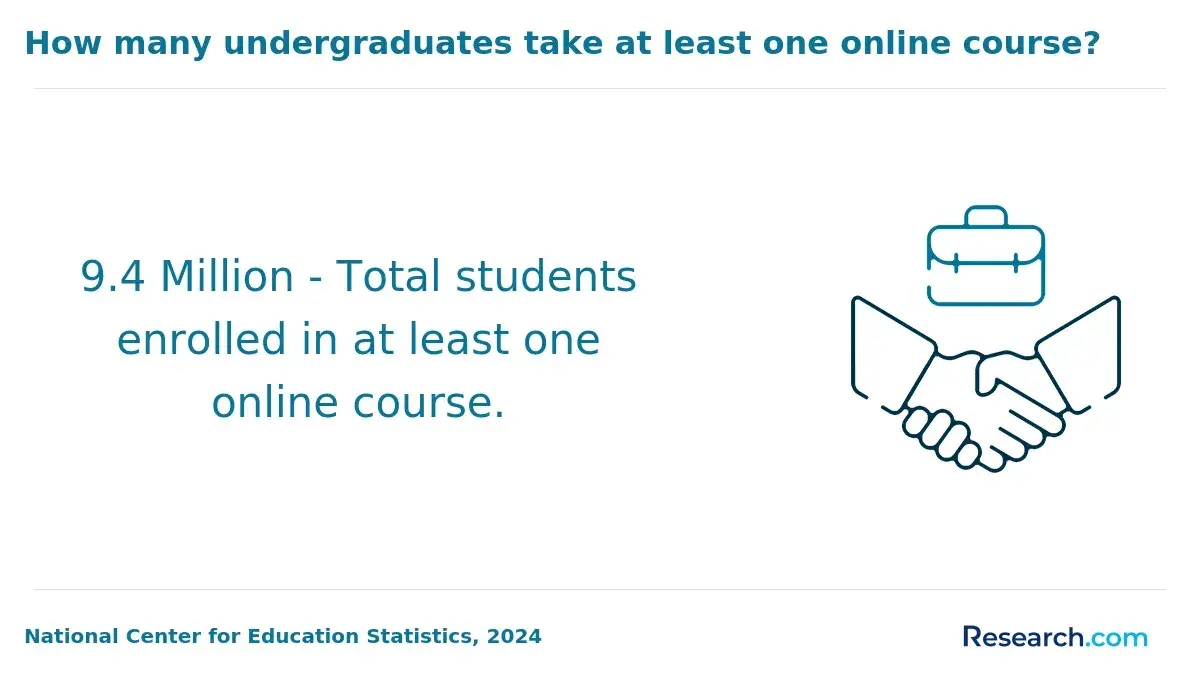
A 2.0 GPA can make college applications feel uncertain, but it does not rule out an online degree. The important question is whether a school's admission policy applies to your education level and intended program. Online study is a substantial part of U.S. higher education: National Center for Education Statistics data show that more than half of postsecondary students took at least one distance education course in fall 2022. This guide compares accessible college options, explains why graduate and licensed-profession programs require extra scrutiny, and shows you how to check costs and eligibility before applying.
Key Things You Should Know
- A 2.0 GPA may qualify you for an open-admission online associate degree or consideration for some bachelor's programs; it does not establish eligibility for a particular major or master's program.
- Compare the published policy for your applicant type and degree, then confirm that required courses - not just the institution - are available online.
- For cost context, the maximum federal Pell Grant was $7,395 in 2025-26; your award depends on eligibility, and a school's financial-aid participation must be checked separately.
Top 10 Best Online Colleges With 2.0 GPA Admission
Business Programs
Online MBA and specialized business master's programs can serve experienced professionals seeking advancement, but a 2.0 undergraduate GPA rarely establishes direct graduate eligibility. Some schools consider professional experience, prerequisite business courses, or conditional admission; verify the specific graduate policy rather than relying on undergraduate admissions language. Compare accounting, analytics, and general management curricula against your goal. An online MBA is not automatically self-paced, and a lower-priced program may still require substantial foundation coursework.
Healthcare Programs
Healthcare administration and public health master's programs may be available online, but applicants typically need a bachelor's degree and must meet program-specific standards. A 2.0 GPA may prompt a review of recent coursework, professional experience, or conditional-admission options; none should be assumed. Healthcare administration is distinct from clinical preparation. If your goal involves patient care, confirm the required clinical training, program accreditation, and state credential rules before choosing a degree.
Information Technology Programs
IT master's programs commonly emphasize networks, cybersecurity, cloud systems, or technology management. Applicants with a 2.0 undergraduate GPA should ask whether relevant employment, certifications, or bridge courses can support an application; such credentials do not automatically replace a GPA requirement. Compare hands-on labs, prerequisite computing skills, and any scheduled sessions. For an entry-level career change, a bachelor's degree or focused certificate may be a better starting point than a graduate program.
Computer Science Programs
Online computer science master's degrees often require substantial programming and mathematics preparation, even when a school reviews applicants holistically. With a 2.0 GPA, ask about minimum grades in prerequisite courses and whether nondegree coursework can demonstrate readiness. Distinguish a research-oriented program, which may include a thesis, from an applied curriculum with a project or capstone. Admission to an online university does not imply admission to its computer science graduate program.
Nursing Programs
An online nursing master's degree usually requires an active registered nurse license, a qualifying nursing degree, and clinical preparation; many programs also set a separate GPA minimum. Someone with a 2.0 GPA should verify whether conditional admission is offered before applying. Online lectures do not remove supervised clinical hours, and placements may need to occur in an approved state. For nurse practitioner goals, check program accreditation and state licensure requirements independently of the university's general admission policy.
Psychology Programs
Online psychology master's programs differ sharply: some support research or workplace applications, while others prepare students for further professional training. A 2.0 GPA may fall below a program's graduate minimum, so ask whether recent academic work or conditional entry can be considered. Do not assume a general psychology master's degree qualifies you to practice therapy. Counseling and psychology licenses have distinct state rules, supervised-practice requirements, and, often, program-specific educational standards.
Education Programs
Online education master's degrees may serve licensed teachers seeking advancement or career changers seeking initial certification. Those routes have different admission and fieldwork requirements. A 2.0 undergraduate GPA does not override a graduate GPA minimum, and an online degree is not automatically a teacher-licensure pathway. Ask whether the program accepts applicants without a teaching license, arranges student teaching in your state, and meets that state's certification requirements.
Criminal Justice Programs
Criminal justice master's programs may focus on policy, leadership, or research rather than preparation for a particular law-enforcement job. If your GPA is 2.0, check the graduate school's minimum and whether the department offers conditional review. Compare capstones and internships with the work you hope to do. A master's degree does not replace agency hiring standards, background checks, or academy training where those apply.
Engineering Programs
Online engineering master's programs generally expect an engineering or closely related bachelor's degree plus specific mathematics and technical prerequisites. A 2.0 GPA may not meet graduate admission standards even at a college with accessible undergraduate entry. Check whether labs, exams, or a thesis require travel or scheduled attendance. If professional engineer licensure is your goal, review your state board's education and experience rules; a master's degree alone does not confer a license.
Social Work Programs
An online Master of Social Work is a professional pathway with supervised field education, even when academic classes are remote. Programs can set GPA, prerequisite, and experience requirements beyond those used for general university admission. Applicants with a 2.0 GPA should ask about conditional review rather than presume eligibility. Verify Council on Social Work Education accreditation, field-placement arrangements near home, and your state's licensing steps before enrolling.
Can You Get Into an Online College With a 2.0 GPA?
Yes - particularly at the undergraduate level. Open-admission community colleges can provide an online associate-degree starting point for applicants with a 2.0 GPA. Some online bachelor's admissions processes also consider applicants without a published minimum GPA, but admission decisions still depend on the applicable policy and application record. A master's program is a separate decision and often has a higher GPA threshold.
A 2.0 GPA is generally a C average, not a promise of admission or evidence that every transferred course will count. If your goal is to rebuild your academic record, choose courses that meet the intended bachelor's program's transfer requirements. An easiest degree to get list cannot tell you whether a school will admit you or whether its curriculum fits your career goal.
Which Online Colleges Accept Students With a 2.0 GPA?
These colleges are useful starting points, not guaranteed admissions or an overall ranking. Their accessible undergraduate entry routes make them worth investigating with a 2.0 GPA. Confirm the current rule for your residency, applicant category, and intended online degree directly with admissions.
The comparison separates access to the college from access to a particular program - the distinction most likely to affect your application.
| College | Why investigate it | What to verify before applying |
| Dallas College | Its open-door community-college route and online offerings can provide an associate-degree starting point. | Whether your chosen degree's required courses are online, plus placement and selective-program rules. |
| Rio Salado College | This community college offers online associate-degree options through an accessible undergraduate admissions route. | Program availability in your location, course prerequisites, and the cost for your residency. |
| Sinclair Community College | Its open-access community-college route and online programs may suit a student rebuilding an academic record. | Whether the entire intended pathway is online and whether a health program has separate admission. |
| Southern New Hampshire University | Its online undergraduate application information does not publish a general minimum incoming GPA. | How admissions will evaluate your record and whether your specific major has additional conditions. |
For a bachelor's goal, ask each college for a degree audit or transfer evaluation. An associate degree can be a practical first step, but credits accepted by a future university may not all satisfy its major requirements.
Are Online Colleges Accepting a 2.0 GPA Accredited?
They can be accredited. Admission selectivity and accreditation answer different questions: accreditation evaluates an institution against an accreditor's standards, not whether it sets a high incoming GPA. Check the college's current institutional accreditation in the U.S. Department of Education database or with the accreditor itself, and confirm the status applies to the institution awarding your degree.
Then check programmatic accreditation when your intended occupation requires it. Nursing, social work, counseling, engineering, and teacher-preparation pathways may have additional accreditation or state-approval considerations. A college's institutional accreditation alone does not establish eligibility for a professional license in your state.
What Admission Requirements Apply Beyond a 2.0 GPA?
Requirements depend on whether you are a first-time undergraduate, transfer applicant, or graduate applicant. A school may request a high school credential, transcripts from every college attended, proof of English proficiency where applicable, or placement information. Transfer applicants may face rules concerning prior grades or academic standing; graduate applicants may need a bachelor's degree, prerequisites, recommendations, or work experience.
Ask admissions which GPA is evaluated: high school, cumulative college, recent college work, or major-specific coursework. If your record includes withdrawals or earlier unsuccessful attempts, request a review of how those courses affect admission and financial-aid satisfactory academic progress. Being admitted academically does not, by itself, establish aid eligibility.
Which Online Degrees Can You Earn With Flexible Admission?
Accessible undergraduate routes commonly include online associate degrees and bachelor's degrees in fields such as business, general studies, and information technology. The available online majors and their admission rules vary by school. Selective nursing, teacher-licensure, and other professional tracks may require prerequisites, a separate application, or a higher GPA after general college admission.
Master's degrees are possible for some applicants with a 2.0 undergraduate GPA only if a specific graduate program permits a qualifying pathway, such as conditional admission or consideration of later academic work. Verify that policy before treating the field descriptions above as available options. If graduate study is feasible, compare the full cost of a low cost masters degree online with any required foundation courses and in-person components.
How Long Do Online Degrees Take, and What Do They Cost?
An associate degree commonly requires about two years of full-time study and a bachelor's about four, but your remaining time depends on applicable transfer credit, course availability, and enrollment intensity. Master's programs vary further by prerequisites, credits, and fieldwork. A school may accept a course as elective credit without letting it replace a required major course, so request a program-specific degree audit before estimating your finish date.
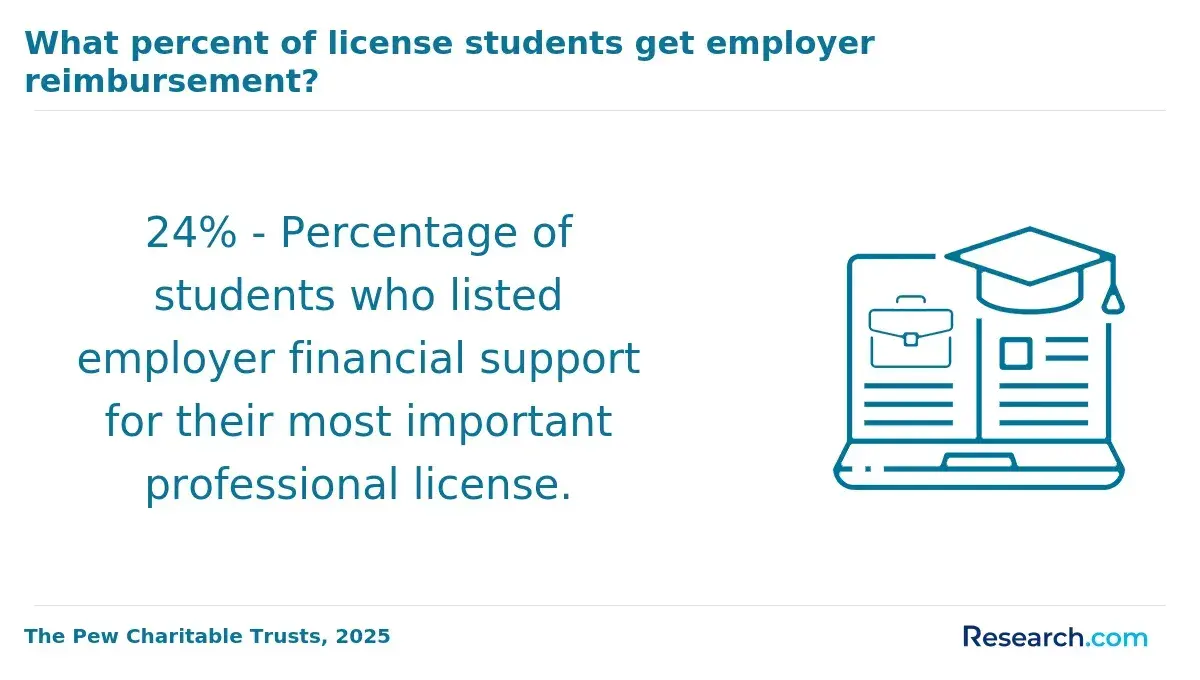
Compare total expected cost, not just advertised tuition: include mandatory and program fees, books, technology, travel for required activities, and the credits you still need. Published prices may differ by residency. The maximum federal Pell Grant was $7,395 in 2025-26, but actual eligibility varies. When checking FAFSA approved online colleges, confirm the specific institution's federal-aid participation and your program's eligibility; also ask about payment plans and employer assistance.
What Coursework and Learning Formats Do Online Colleges Offer?
Online courses may use recorded lectures, readings, discussions, projects, and deadlines without live class meetings. Others require scheduled video sessions or proctored exams. A course can be online without being self-paced, and a short term does not make an entire degree short. Ask for a sample course schedule if work or caregiving obligations limit when you can attend.
Expect coursework to become more specialized as you advance: an associate degree may emphasize general education, while a bachelor's major adds upper-level work and possibly a capstone. Graduate programs may require a thesis, project, lab, practicum, or clinical placement. Confirm who arranges any local placement and whether your location is eligible before committing to a program.
What Careers, Salaries, and Job Outlook Follow These Degrees?
The best career path depends on the degree and occupation, not the GPA threshold used to enter college. Business or IT studies may support applications for relevant entry-level roles; licensed healthcare, teaching, and clinical roles impose additional requirements. The U.S. Bureau of Labor Statistics reports a 2024 median annual wage of $93,600 for registered nurses. That is an occupational median - not a projected salary for someone who enrolls in an online college - and becoming an RN requires an approved educational route and licensure.
Before choosing a major, compare local job postings with the credential and experience they request. If a degree is not needed for the role you want, explore certificate jobs that pay well alongside degree options. A shorter credential may cost less, but check whether employers recognize it and whether it can later count toward a degree.
How Can You Choose a Reputable Online College With Flexible Admission?
Start with colleges whose published undergraduate policy offers a plausible route for your 2.0 GPA, then narrow the list by the degree you actually want. Admission access matters, but it cannot compensate for an unavailable major, an unaffordable completion plan, or a program that does not meet licensing rules.
Use these checks to turn a general admission claim into a decision about your specific application:
- Ask admissions in writing whether a 2.0 GPA meets the policy for your applicant type, degree level, and major, and whether any admission would be conditional.
- Confirm institutional accreditation and, where relevant, program accreditation or state approval for your intended occupation.
- Request an online degree plan showing remaining courses, accepted transfer credits, required in-person activities, and realistic part-time and full-time schedules.
- Compare an itemized estimate through graduation, including fees and aid eligibility, rather than choosing by per-credit tuition alone.
Watch for three common mistakes: treating open admission as admission to a selective major, assuming "online" means no scheduled or in-person work, and counting every previous credit as a degree requirement. Written answers and a program-specific degree audit are more useful than a general ranking when your GPA is the deciding constraint.
Other Things You Should Know About
It may be enough to apply through an accessible undergraduate route, but admission depends on the school and program. Ask how the college evaluates your particular record.
Do not assume so. Graduate programs often set separate standards; ask whether a specific program offers conditional admission or considers later coursework.
No. The college evaluates eligibility and decides whether accepted credits satisfy general education, major, or elective requirements. Request a degree audit.
An incoming GPA alone does not determine all aid eligibility. Check the school's aid rules and satisfactory academic progress policy, particularly if you previously attended college.
References
- Program Integrity Questions and Answers - Satisfactory Academic Progress | U.S. Department of Education http://www.ed.gov/laws-and-policy/higher-education-laws-and-policy/program-integrity-information-questions-and-8
- DAPIP | Homepage - Office of Postsecondary Education (OPE) https://ope.ed.gov/dapip/
- Cost of Attendance (Budget) | 2025-2026 Federal Student Aid Handbook https://fsapartners.ed.gov/knowledge-center/fsa-handbook/2025-2026/vol3/ch2-cost-attendance-budget
- Recognition of Accrediting Agencies | Texas Higher Education Coordinating Board https://www.highered.texas.gov/recognition-of-accrediting-agencies/
- Staying Eligible | Federal Student Aid https://studentaid.gov/understand-aid/eligibility/staying-eligible
- Cost of Attendance | Cal State LA https://www.calstatela.edu/financialaid/cost-attendance
- Undergraduate and Graduate Tuition and Fees | Purdue Global https://www.purdueglobal.edu/tuition-financial-aid/undergraduate-graduate-tuition-and-fees/
- Satisfactory Academic Progress | Brandeis University https://www.brandeis.edu/registrar/bulletin/provisional/financial-aid/academic-progress.html
- UNC Online: Top Online Degree Programs for 2026 https://online.unc.edu/
- Admission to the University - JSU Catalog https://catalog.jsu.edu/undergraduate/admission/





