
2027 Best Online Colleges With Tutoring Support

Co-Founder and Chief Data Scientist
Choosing an online college is harder when you cannot tell whether help will be available when coursework gets difficult. Tutoring can matter, especially in quantitative classes, writing-intensive programs, and subjects you have not studied recently. The U.S. Bureau of Labor Statistics projects 15% employment growth for software developers, quality assurance analysts, and testers from 2024 to 2034—one reason some students are considering demanding technical programs online.
This guide helps prospective students compare colleges by the tutoring they can actually use, alongside program fit, total cost, accreditation, and career requirements.
Key Things You Should Know
- Compare tutoring at the specific online program and course level: a college's tutoring page may not establish that graduate students, evening learners, or students in advanced courses can use a particular service.
- Use accredited institutions as starting points, then confirm tutor subjects, appointment availability, online access, and whether help is included in tuition or carries an added fee.
- Expect many bachelor's degrees to require about 120 credits, but ask how accepted transfer credit and course sequencing affect your remaining time and cost; tutoring does not shorten degree requirements.
Top 10 Best Online Colleges With Tutoring Support
Business Programs
Online MBA and specialized business master's programs may require accounting, statistics, finance, and analytical writing—subjects where targeted tutoring can be valuable. Compare colleges by whether graduate students can book help with those subjects, rather than assuming an undergraduate tutoring center covers them. An MBA generally suits experienced professionals seeking broader management preparation; a specialized master's may fit a narrower goal. Check prerequisites, possible foundation courses, and whether a capstone or team project involves scheduled meetings. A business master's does not itself qualify someone for a management job.
Healthcare Programs
Online master's programs in healthcare administration, public health, and health informatics serve different goals. Administration emphasizes operations and finance; public health may emphasize epidemiology and population health; informatics combines clinical context with data systems. Look for tutoring in statistics, research methods, and discipline-specific writing, plus support for any required practicum. Confirm whether the program admits applicants without healthcare experience and whether placements can be completed locally. These degrees are not interchangeable with clinical credentials or licenses.
Information Technology Programs
Master's programs in information technology often cover systems, networks, cybersecurity, or cloud computing. For students changing fields, the crucial comparison may be whether the college offers prerequisite courses and tutors who can help with networking, scripting, or technical projects—not just general study skills. Ask whether remote labs have staffed support during your available hours. An IT master's can strengthen technical preparation, but employers may also expect relevant experience or certifications for particular roles.
Computer Science Programs
An online computer science master's may expect prior programming, data structures, and mathematics, even when applicants hold bachelor's degrees in other fields. Compare admission prerequisites and the availability of tutoring for algorithms and advanced programming before committing. Check whether project help is available remotely and whether tutors can explain concepts without doing assessed work. Research-oriented programs may require a thesis; applied programs may use a capstone instead. Neither format guarantees a software-development job.
Nursing Programs
Online MSN programs differ substantially: leadership and education tracks have different requirements from nurse practitioner tracks. Many require an active RN license, and practice-focused options may require supervised clinical hours in person. Tutoring in advanced assessment, statistics, and scholarly writing can help, but it cannot replace clinical instruction. Confirm the program's accreditation, state authorization, placement responsibilities, and whether its specific track meets the educational requirements for your intended license or certification.
Psychology Programs
Online psychology master's degrees may emphasize research, applied behavior, or another specialty. Tutoring in statistics and research writing is useful, particularly for students returning to quantitative coursework. Do not assume that a general psychology master's qualifies you to practice independently as a psychologist or counselor: those occupations can require a particular accredited degree, supervised experience, examinations, and state licensure. Compare each program against the credential required for your intended role before weighing its tutoring benefits.
Education Programs
Online education master's programs can target classroom practice, curriculum, leadership, or initial teacher preparation. A college's writing and research tutoring may support graduate assignments, but aspiring teachers also need timely help coordinating fieldwork and student teaching. Check whether the program is designed for already licensed educators or for first-time licensure, and confirm state-specific requirements. Online courses do not necessarily make required school-based experiences remote or self-scheduled.
Criminal Justice Programs
A criminal justice master's commonly examines policy, research, leadership, and justice systems. Look for accessible tutoring in research methods and analytical writing, particularly if the program requires a thesis or capstone. Some programs suit professionals seeking advancement; others are more research-oriented. Ask employers whether the credential matters for your target position before paying for it: law enforcement, legal practice, and forensic specialties have distinct entry or licensing requirements that this degree alone may not satisfy.
Engineering Programs
Online engineering master's programs often expect an engineering or closely related undergraduate background. Remote tutoring for graduate mathematics and specialized software may be limited, so confirm who provides technical help and when. Compare thesis and coursework-only routes, lab or residency requirements, and whether necessary courses run often enough for your schedule. If professional engineer licensure is your goal, review your state board's education and experience rules separately; a master's degree does not replace every licensure requirement.
Social Work Programs
An online MSW may include a standard track for eligible bachelor's graduates and an advanced-standing track reserved for applicants with qualifying social work preparation. Either route can require substantial supervised, in-person field education. Compare colleges' support for securing placements as carefully as their writing and research tutoring. Check Council on Social Work Education accreditation and your state's licensure rules before enrolling. Advanced standing should not be assumed from unrelated work experience or a bachelor's degree in another field.
What tutoring services do the best online colleges provide?
The most useful online colleges offer tutoring that matches the courses you will actually take, at times you can use. Services may include scheduled one-to-one appointments, drop-in help, writing feedback, math support, or assistance from course instructors. Availability can differ by campus affiliation, degree level, subject, and term.
Arizona State University's ASU Online, University of Maryland Global Campus, and Western Governors University are reasonable institutions to investigate because they describe online academic-support options. They are comparison starting points, not a verified ranking: confirm the current service available to students in your proposed program. These distinctions make the first conversation with each college more productive:
| College | Academic-support approach to investigate | Important distinction |
| ASU Online | University tutoring and writing-support resources | Eligibility and virtual availability can depend on the service and subject. |
| University of Maryland Global Campus | Online tutoring and writing support | Subject coverage and service arrangements should be checked for the intended course. |
| Western Governors University | Course instructors, program mentors, and academic-support resources | Instructor and mentor support is not necessarily the same as an independent, on-demand tutor. |
Before choosing, request a demonstration or current service directory. Ask who provides help in your hardest required course, whether graduate students are eligible, how long appointments take to obtain, and what happens when you need assistance outside business hours.
How can you verify accreditation for an online college?
Accreditation is a check on the institution or program - not proof that tutoring is effective. Verify the college's current institutional accreditation in the U.S. Department of Education's accreditation database and with the named accrediting agency. Match the institution's legal name and confirm that the accreditation covers the school awarding your degree.
For a regulated career, check any relevant programmatic accreditation and your state licensing board's requirements separately. This is especially important for nursing, social work, teaching, and some counseling or engineering pathways. A college can be institutionally accredited while a particular program does not meet the requirements for the license you want. Treat accreditation claims on an advertisement as a starting point, not the final check.
How much do online colleges with tutoring support cost?
There is no single price for an online college with tutoring: costs vary by institution, residency status, degree level, program, and enrollment pace. Compare the cost to finish your specific degree, not only the advertised price per credit. Tutoring may be included in tuition or a mandatory fee, while specialized or outside services may cost extra.
- Remaining required credits after an official transfer evaluation, multiplied by the applicable tuition rate.
- Mandatory technology, course, lab, graduation, and program-specific fees.
- Books, software, equipment, proctored exams, and any required travel or local placements.
- Charges for tutoring beyond the services included for your student group.
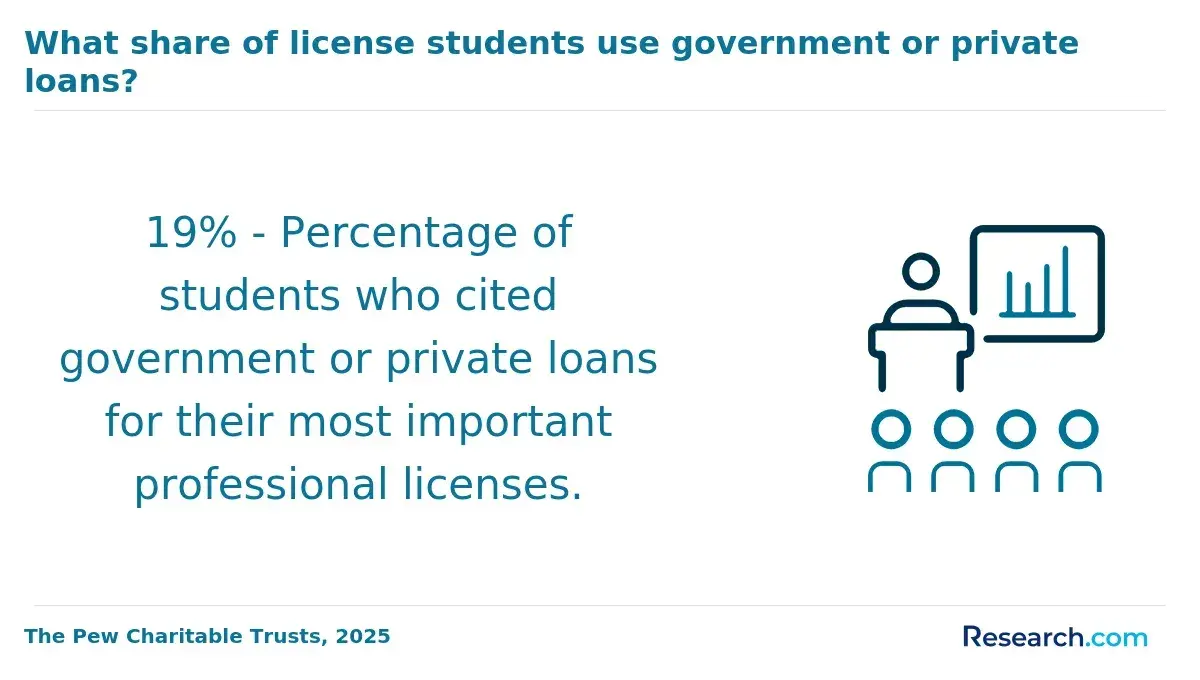
Use the college's financial aid office to check eligibility for grants, loans, and employer benefits; filing the FAFSA does not guarantee aid. Comparing online schools that accept FAFSA can help you build a shortlist, but confirm each school's current aid eligibility and your net cost. A lower per-credit price may lose its advantage if fewer of your credits apply to the degree.
Which online degree programs offer the strongest career pathways?
The strongest career pathway is the one whose coursework and credential match an occupation's actual entry or advancement requirements. Computer science and IT can lead toward technical work; nursing, education, and social work can lead toward regulated roles only when the particular program and additional requirements align. Business and healthcare administration may be better fits for applicants bringing relevant experience than for those expecting a degree alone to provide an immediate management position.
Compare a prospective program with job postings in your location: identify recurring skills, required credentials, and experience expectations, then see whether the curriculum and career services address them. If you are exploring options rather than targeting one occupation, reviewing fun majors in college that pay well may suggest fields to investigate. Occupational pay is context for that decision, not a forecast of what a particular college's graduates will earn.
What admission requirements do online colleges typically have?
Undergraduate applicants generally need a high school diploma or equivalent; admission to a particular major may have additional prerequisites. Graduate applicants generally need a bachelor's degree, and some programs require prior coursework, professional experience, a license, recommendations, or a statement of purpose. An institution's broad admissions policy does not necessarily govern its nursing or graduate programs.
Ask admissions to review the requirements for the exact online degree and entry term, including any GPA threshold, test policy, prerequisite deadlines, and separate program application. If you have previous college credit, request an official evaluation showing which courses satisfy degree requirements rather than merely counting as electives. Do not assume a test waiver or flexible admissions description applies to every applicant.
How do online colleges compare with campus-based programs?
Online study can eliminate a commute and expand the colleges available to you, but it is not automatically asynchronous or easier to schedule. Campus programs may offer more convenient in-person labs or face-to-face tutoring; online programs may offer virtual appointments and recorded resources. Either format can include fixed deadlines, live sessions, or required field experiences.
The comparison is clearest when you look at the same program requirements in each format:
| Decision factor | Online program | Campus-based program |
| Tutoring access | Depends on virtual subjects, hours, and appointment capacity. | May offer walk-in help, but hours can conflict with work. |
| Schedule | May allow remote coursework while retaining live meetings and deadlines. | Travel and scheduled classes are usually more prominent. |
| Hands-on requirements | Labs, clinicals, practica, or teaching may still be in person. | Facilities may be nearby, though placement schedules still apply. |
If price is central to your choice, use a shortlist of online colleges to begin comparing published costs, then check fees, remaining credits, and tutoring access for your intended program. Choose the format that makes it realistic for you to complete the work—not simply the one described as more flexible.
What academic support should online students expect beyond tutoring?
Tutoring works best alongside advising that helps you stay on track. Look for accessible faculty office hours, academic advising, library research help, disability accommodations, technical assistance, and career guidance. In programs with fieldwork, ask who coordinates placements and resolves problems; a writing tutor cannot fill that role.
Returning students may also benefit from a low-stakes way to rebuild study habits. Open university free courses for over 60s can be worth exploring before committing to a degree, but confirm whether a course awards credit before treating it as part of a completion plan. A warning sign at any college is support described only in broad terms, with no clear way to learn who is eligible or when help is available.
How long do online degree programs take to complete?
A bachelor's degree commonly requires about 120 credits and often takes around four years of full-time study from the beginning; associate degrees and master's degrees have different requirements. Part-time enrollment, prerequisites, infrequent course offerings, and clinical or practicum schedules can extend completion. Accepted transfer credit may reduce the credits left to take, but only if it applies to your degree requirements.
For a useful estimate, ask the college for a degree audit showing remaining general education, major, elective, and culminating requirements. Then compare that audit with the course schedule and the number of classes you can realistically manage each term. Be skeptical of a short advertised timeline that assumes transfer credits, advanced standing, or a heavier course load than you can maintain.
How do online college graduates compare on salary and job outlook?
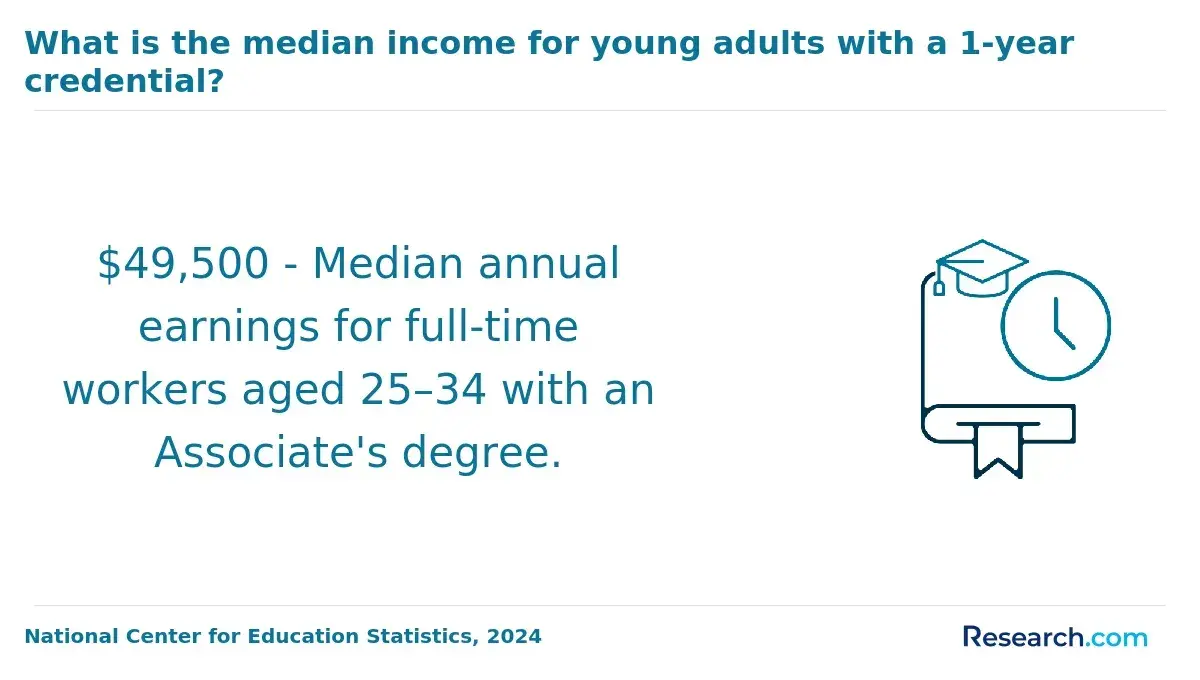
Employers and licensing bodies evaluate qualifications for the role; an online degree's format alone does not establish a salary outcome. For context, the Bureau of Labor Statistics reports a 2024 median annual wage of $133,080 for software developers. That is an occupational median across workers with varying experience and education—not the expected pay of a new computer science graduate or evidence that tutoring raises earnings.
Use BLS wage and outlook information for the specific occupation you want, then compare it with the program's full cost, likely borrowing, entry requirements, and your existing experience. Ask a college for program-level completion and employment information if available, including how outcomes are defined. Be cautious of claims that tutoring access, a high-paying field, or career services guarantee a job.
Other Things You Should Know About
No. Services, subjects, eligibility, and fees vary. Ask the college what is included for students in your exact program and courses.
Some colleges offer extended-hours or on-demand options, but coverage may vary by subject. Confirm current hours and expected appointment wait times.
No. Tutors generally explain concepts and provide feedback; instructors set assignment rules, and students must complete their own assessed work.
Confirm accreditation and that the intended degree is offered online. Then verify tutoring for its hardest required courses, total remaining cost, schedule, and any in-person requirements.
References
- Five Years of Tutoring Research: What We Have Learned Since the Pandemic | National Student Support Accelerator https://nssa.stanford.edu/briefs/five-years-tutoring-research
- College Tutoring & Academic Support | County College of Morris https://www.ccm.edu/student-support/tutoring-academic-support/
- Online Tutoring | Tutoring Centers - UW Tacoma https://www.tacoma.uw.edu/tutoring/online-tutoring
- 24/7 Online Tutoring | CCV Student Support https://ccv.edu/student-support/academic-career-support-services/24-7-on-demand-tutoring/
- Equal Access: Universal Design of Tutoring and Learning Centers - DO-IT https://doit.uw.edu/brief/equal-access-universal-design-of-tutoring-and-learning-centers
- Faculty Resources | tulane https://altc.tulane.edu/faculty-resources
- Tutoring | estrellamountain.edu https://www.estrellamountain.edu/students/tutoring
- Tutoring and Academic Support | CT State https://ctstate.edu/academics/tutoring


