
2027 Best Online Degree Programs With Flat-Rate Tuition

Co-Founder and Chief Data Scientist
Flat-rate tuition can make an online degree less expensive, but only if you can complete enough coursework during each paid period. That decision matters across fields with very different requirements: the Bureau of Labor Statistics reports a 2024 median wage of $133,080 for software developers, yet a degree alone does not secure that job or salary.
This guide is for students comparing online degree programs, especially working adults weighing cost against available study time. You'll learn which program families merit a closer look, how subscription pricing works, and what to verify before enrolling.
Key Things You Should Know
- Flat-rate tuition is charged by term or billing session, not by individual course; WGU, for example, uses six-month terms.
- The lowest price per term is not necessarily the lowest total price: additional terms, fees, transfer evaluations, and required fieldwork can change the result.
- Compare the specific degree and delivery pathway, not just the university. A school may offer flat-rate pricing for one program but per-credit pricing for another.
Top 10 Best Online Degree Programs With Flat-Rate Tuition
Business Programs
An online MBA is a strong candidate for flat-rate comparison because its coursework may fit around full-time employment. WGU offers an online MBA under its term-based tuition model.
Compare its course sequence and assessments with other schools' MBA options before estimating savings: a lighter pace can mean paying for another term. If you want accounting licensure, check whether the particular curriculum meets your state's education rules; an MBA alone does not establish CPA eligibility.
Healthcare Programs
Master's programs in healthcare administration and health informatics serve different goals. Administration emphasizes operations, finance, and leadership; informatics emphasizes health data and systems.
WGU offers an online Master of Healthcare Administration within its term-based model. Check whether a program requires a project, field experience, or prior healthcare preparation before comparing its total cost. These degrees may support career advancement, but they do not confer a clinical license.
Information Technology Programs
A master's in cybersecurity, IT management, or data analytics can suit experienced professionals seeking specialized or leadership responsibilities. WGU offers online master's options in these areas with term-based tuition.
Compare required projects, technical prerequisites, and whether courses can be completed in your intended sequence. A flat rate is most useful when your work schedule allows steady progress; industry certifications and hands-on experience may matter alongside the degree.
Computer Science Programs
Computer science master's programs typically emphasize software, algorithms, or advanced computing rather than general IT management. Do not treat a university's flat-rate bachelor's in computer science as proof that it offers a flat-rate master's in the field.
Verify the exact graduate credential, billing model, mathematics prerequisites, and thesis or project requirements. Applicants seeking software roles may also compare whether a targeted portfolio or technical certificate addresses their skills gap more directly.
Nursing Programs
Online MSN programs may focus on nursing education, leadership, or advanced practice. WGU offers term-priced MSN pathways, but applicants should compare the specific track: admission may require an active RN license, and clinical or practicum work can limit how quickly courses are completed.
An education or leadership MSN is not interchangeable with a nurse practitioner pathway. Confirm state authorization, placement responsibilities, and any certification eligibility before using a faster completion estimate.
Psychology Programs
A master's in psychology may support research, behavioral-health-adjacent work, or preparation for further study, depending on its curriculum. Flat-rate availability must be confirmed for the exact online master's program rather than inferred from a school's undergraduate subscription options.
If your goal is independent clinical practice, check your state board's approved degree, supervised-practice, and examination requirements first. A general psychology master's does not automatically qualify you for psychologist licensure.
Education Programs
Online education master's degrees may target licensed teachers seeking advancement or aspiring teachers pursuing initial licensure. WGU offers term-priced graduate education programs, but program requirements differ substantially. Initial-licensure routes can require supervised student teaching and state-specific approval.
Non-licensure routes may instead center on curriculum, instruction, or leadership. Ask whether fieldwork can be arranged locally and whether your state recognizes the pathway before assuming you can progress at subscription speed.
Criminal Justice Programs
A criminal justice master's commonly examines policy, administration, research, or public safety leadership. For a flat-rate option, verify that the graduate criminal justice program itself uses subscription pricing; an institution-wide claim may not cover it.
Compare capstone requirements and part-time pacing against per-credit alternatives. Many public safety jobs have separate hiring, training, and experience requirements, so the degree should match a specific advancement goal rather than an assumed promotion.
Engineering Programs
Engineering master's degrees often require specialized prerequisites, labs, or a substantial design or research project. These requirements can make rapid progress under flat-rate tuition difficult. Do not substitute an online IT or engineering-management degree for a discipline-specific engineering master's without checking the curriculum.
Confirm that the exact online program has flat-rate tuition and ask about laboratory access, campus attendance, and any professional licensing implications; an engineering master's does not itself grant a PE license.
Social Work Programs
An online MSW is a professional pathway for social work practice, not simply a collection of online courses. Field placements, program accreditation, and state licensing rules matter as much as tuition.
Confirm whether the specific MSW pathway is flat-rate and whether it accepts your location for placements. Advanced-standing MSW routes generally require a qualifying social work background; their shorter timelines should not be applied to applicants entering a standard program.
What Is Flat-Rate Tuition for Online Degree Programs?
Flat-rate tuition means an institution charges a set tuition amount for a defined enrollment period rather than charging separately for every credit. You may be able to finish more eligible courses during that period without increasing tuition. Schools may call the model term-based, subscription, or competency-based; those labels do not guarantee identical rules.
The central trade-off is time. Completing courses efficiently can reduce the number of paid terms, while a slower schedule can erase the advantage over per-credit tuition. Flat rate also does not necessarily include technology fees, materials, exams, travel, or clinical-placement expenses. Check whether courses have fixed start dates, prerequisites, or assessment attempts that constrain your pace.
Which Accredited Online Colleges Offer Flat-Rate Tuition?
Several institutionally accredited U.S. universities publish online pathways with term- or session-based tuition. The examples below are starting points, not a claim that every degree at each university uses the same price or format. Confirm the current catalog and tuition schedule for your intended program.
| Institution and pathway | Flat-rate scope to investigate | Best comparison question |
| Western Governors University; accredited by NWCCU | Online competency-based bachelor's and selected master's programs billed by six-month term | How many required courses can you realistically complete each term? |
| University of Maine at Presque Isle YourPace; accredited by NECHE | Selected online undergraduate programs with session-based tuition | Does YourPace offer your intended major and accept applicable transfer credit? |
| Northern Arizona University Personalized Learning; accredited by HLC | Selected online competency-based programs using subscription tuition | Is your chosen degree in Personalized Learning rather than a separately priced online pathway? |
| Capella University FlexPath; accredited by HLC | Selected online bachelor's and master's programs billed by session | Is your exact specialization available in FlexPath rather than GuidedPath? |
Institutional accreditation establishes an important baseline, but professional programs may also need programmatic accreditation or state approval. An online listing does not rule out local clinical work, student teaching, or other in-person requirements.
How Much Do Online Degree Programs With Flat-Rate Tuition Cost?
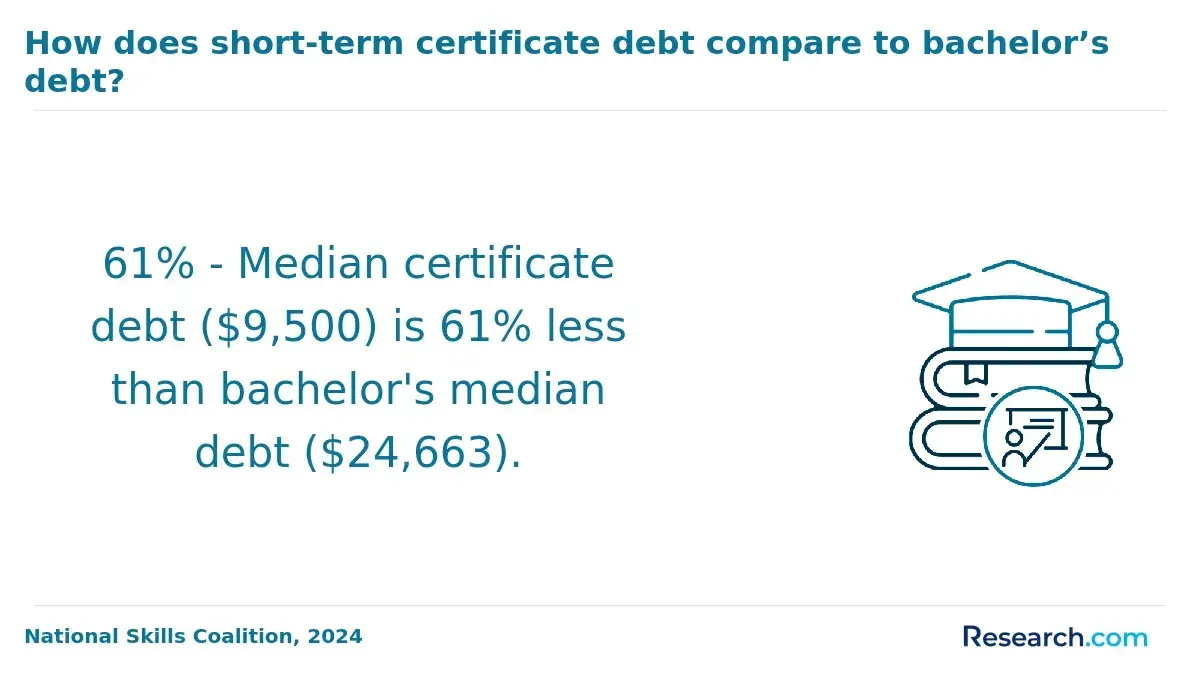
The useful cost figure is the amount you expect to pay to finish, not the advertised charge for one term. Current prices vary by institution, degree level, and program, so request an itemized estimate based on your transfer evaluation and realistic course load. In particular, distinguish tuition from mandatory fees and expenses that the flat rate excludes.
A comparison should account for the following charges and circumstances:
- Tuition for every term or session you expect to need, including a possible extra period for a capstone or placement.
- Mandatory technology, assessment, program, and graduation fees, plus required materials and equipment.
- Travel, clinical or field-placement costs, and any residency-related charges.
- Grants, employer assistance, and eligible federal aid, which affect your out-of-pocket cost but do not change the published tuition rate.
Graduate and doctoral pricing should not be assumed to match undergraduate subscriptions. If you are comparing doctoral study, examine the total program requirements alongside resources on the cheapest doctorate degree options rather than extending a bachelor's-term estimate to a doctorate.
How Does Flat-Rate Tuition Compare With Per-Credit Pricing?
Flat-rate pricing rewards faster completion within a paid period; per-credit pricing ties tuition more directly to the number of credits taken. Neither is automatically cheaper. This comparison shows which cost risk matters most for different students.
| Pricing model | Potential advantage | Main cost risk |
| Flat rate per term or session | Additional eligible coursework may not raise that period's tuition | Slow progress can require another full paid period |
| Per credit | Cost is easier to align with a light course load | A heavier load generally increases that term's tuition |
For an accurate comparison, have each school identify your remaining required coursework after transfer evaluation. Then compare likely total charges at a pace you can sustain, not the maximum pace advertised. A program with lower tuition per period can still cost more if prerequisites or infrequently offered courses extend enrollment.
What Online Degrees Can You Earn With Flat-Rate Tuition?
Flat-rate pathways span selected online bachelor's and master's degrees in business, IT, education, nursing, and other fields. Availability depends on the named degree and pathway.
A university might price its competency-based bachelor's differently from a conventional master's in the same subject. The field sections above distinguish promising program families from fields where you must establish that an appropriate flat-rate master's actually exists.
Choose the credential that matches the job you want. A career changer needing one skill may find that short certificate programs that pay well online are a more proportionate starting point than a full degree. A certificate, however, should not be treated as a substitute for a degree or license when an occupation requires one.
What Are the Admission Requirements for Flat-Rate Online Programs?
Undergraduate applicants generally need a high school diploma or equivalent; master's applicants generally need a bachelor's degree. The exact flat-rate program may also require prerequisite courses, a minimum academic record, professional experience, or a license. Nursing and initial teacher-licensure pathways can have eligibility rules beyond general graduate admission.
If your GPA is a concern, compare the specific program's published policy and ask whether provisional admission is available. Undergraduate guidance on online colleges that accept 2.0 GPA should not be read as evidence that a graduate or licensure program uses the same threshold. Request a transfer evaluation before enrolling, and confirm which accepted credits satisfy major requirements rather than merely counting as electives.
How Long Does It Take to Complete a Flat-Rate Online Degree?
There is no single completion time for a flat-rate online degree. Your timeline depends on remaining credits or competencies, accepted transfer work, course sequencing, assessment rules, enrollment pace, and any capstone or field placement. A billing term describes how long you pay for access; it does not describe how long the whole degree takes.
Ask an advisor to map your remaining requirements across actual available terms. Check whether the school evaluates prior coursework before enrollment, how much study must be completed there, and whether older or lower-graded courses still qualify.
For an accelerated or advanced-standing route, ask which prior credential makes that timeline possible. This matters especially for students planning around employer assistance or a fixed education budget.
What Careers and Salaries Do Flat-Rate Online Degrees Support?
These degrees can support different goals: an MBA may complement management experience, an IT master's may develop specialized skills, and an MSN may prepare an eligible nurse for a particular professional track. Compare those goals with actual job requirements before treating a degree as an investment with a predictable return.
For example, the Bureau of Labor Statistics' 2024 median wage for software developers was $133,080. That is an occupational wage, not the expected pay of computer science graduates; employers also assess technical ability and experience.
When considering what degree makes the most money, weigh your likely total program cost against the credential and experience your target role actually calls for. Licensure, certifications, and local hiring conditions may change the calculation.
How Can You Choose a Reputable Flat-Rate Online Degree Program?
Start with the intended occupation and work backward to the exact credential. Verify institutional accreditation through the accreditor or U.S. Department of Education, then check applicable program accreditation and state licensing-board rules. For the specific online pathway, confirm the current tuition schedule, required fees, transfer policy, fieldwork, and any live or in-person attendance.
Finally, request a written degree audit and compare a realistic completion plan with at least one per-credit alternative. Red flags include a quoted "total cost" based on completing an unusually heavy load, unclear placement responsibilities, or a claim that a general degree automatically qualifies you for a regulated profession. The best flat-rate choice is the program you can complete at a sustainable pace that also meets your career requirements.
Other Things You Should Know About the Best Online Degree Programs
No. It sets tuition for a defined period, subject to the program's enrollment and academic rules. Fees and materials may cost extra.
Yes, if the school accepts them toward your remaining requirements. Fewer requirements may mean fewer paid terms, but transfer acceptance and degree applicability must be confirmed.
Eligible programs at eligible institutions may offer federal aid. Ask the financial aid office how enrollment, academic progress, and the program's billing model affect your award.
Not necessarily. Compare realistic total cost, accreditation, required practical work, and fit with your career goal - not an advertised pace you may be unable to maintain.
References
- Accreditation in the U.S. | ed.gov http://www.ed.gov/laws-and-policy/higher-education-laws-and-policy/college-accreditation/accreditation-in-the-us
- Estimate your college cost | USAGov https://www.usa.gov/estimate-college-cost
- Pell Grant Enrollment Intensity and Cost of Attendance | ed.gov https://fsapartners.ed.gov/knowledge-center/fsa-handbook/2025-2026/vol7/ch3-pell-grant-enrollment-intensity-and-cost-attendance
- HEI | Tuition & Fees Inventory https://highered.ohio.gov/wps/portal/gov/odhe/data-reports/hei-system/hei-file-doc/hei-tuition-fees-inventory-sa
- Credit for Prior Learning - Transfer Credit Ohio https://transfercredit.ohio.gov/students/student-programs/Prior-Learning-Assessments
- Determining How Students are Billed | Tuition Rates and Fees https://www.tuition.pitt.edu/about/determining-how-students-are-billed
- Flat-Rate Tuition Frequently Asked Questions | Transfer to Wayne State University https://wayne.edu/registrar/flat-rate-faq
- Mandatory Enrollment & Course Fees | uoregon.edu https://vpfa.uoregon.edu/tuition/mandatory-enrollment-course-fees


