2027 Best Online Degrees With No Campus Visits Required

Co-Founder and Chief Data Scientist
Can you earn a degree without traveling to campus - and still get the preparation your career requires? The answer depends on the specific program, not just the subject or an "online" label. The distinction matters when a program includes clinical work, student teaching, or other hands-on requirements. Career stakes can be substantial: the U.S. Bureau of Labor Statistics reported a $133,080 median annual wage for software developers in 2024, although a degree alone does not qualify someone for that occupation or ensure that pay. This guide compares fields and shows how to check delivery, career fit, and total cost before applying.
Key Things You Should Know
- No campus visits does not necessarily mean no in-person work: nursing, education, and social work programs may require placements near your home.
- Business, IT, and computer science often offer clearer routes to remote coursework; verify labs, exams, orientations, and capstones for the exact degree.
- Career pay is not graduate pay: the 2024 median wage for software developers was $133,080, but hiring also depends on skills, experience, and the role's requirements.
Top 10 Best Online Degrees With No Campus Visits Required
Business Programs
Online master's degrees in business administration, accounting, finance, and analytics can suit working professionals seeking broader management or specialist skills. Coursework commonly includes strategy, financial analysis, and a team project or capstone. Programs without campus residencies may still schedule live presentations. An MBA is usually a broader choice; a specialized master's makes more sense when you have a defined technical goal. For accounting, check your state's CPA education rules before choosing courses. Ask whether an advertised online track includes an orientation, intensive, or examination on campus.
Healthcare Programs
Master's programs in healthcare administration, public health, and health informatics can prepare students for administrative, population-health, or health-data work rather than direct clinical practice. These fields may offer campus-free coursework, but some degrees require an internship or applied project with an organization. Check whether that work can be completed remotely or locally and who arranges it. An administration degree does not confer a clinical license, and management positions commonly require relevant experience. Choose among these fields based on the work you want to do, not the shared healthcare label.
Information Technology Programs
Online IT master's degrees often emphasize systems, cloud infrastructure, cybersecurity, or enterprise technology. Virtual labs and applied projects can make campus-free study feasible, but confirm how required labs, assessments, and any internship operate. IT is a practical fit for professionals who want to design, secure, or manage organizational systems; applicants changing fields should check programming and networking prerequisites. A master's can develop advanced skills, but it does not replace experience or automatically award an industry certification. Compare the curriculum with the tools and responsibilities in your target jobs.
Computer Science Programs
Computer science master's programs typically go deeper into algorithms, software development, data systems, or artificial intelligence than general IT degrees. Many can deliver lectures and coding projects online; a thesis, research collaboration, or exam may introduce scheduling or location requirements. Applicants without a computing bachelor's degree may need foundation courses, increasing time and cost. Choose a project-based track for applied software work or a research track if doctoral study is the goal. Confirm whether any lab, defense, or final assessment requires campus attendance.
Nursing Programs
Online MSN coursework may serve licensed registered nurses pursuing education, leadership, informatics, or advanced practice. These are not interchangeable paths: nurse practitioner preparation, for example, generally includes supervised clinical hours and additional certification and licensure requirements. "No campus visits" may still mean substantial in-person clinical work near home. Admission often requires an active RN license and prior nursing education. Before applying, obtain written answers about placement responsibility, approved clinical sites, simulation requirements, and eligibility in the state where you intend to practice.
Psychology Programs
An online master's in psychology may focus on research, applied behavior, or a specialty, but it should not be confused with a clinical or counseling licensure pathway. Some programs can be completed without campus visits through online research and coursework; others include fieldwork or assessments with location requirements. If your goal is therapist licensure, first identify your state's required degree, supervised experience, and examinations. A general psychology master's may be useful for research-related or further-study goals without meeting those professional requirements.
Education Programs
Online education master's degrees can support curriculum, instructional design, or teaching goals. A degree for current teachers may have different admission and licensure requirements from an initial teacher-preparation program. Student teaching, observations, or a school-based practicum can require in-person attendance even when no campus visit is needed. Confirm whether the institution approves placements in your state and whether the program meets your state's certification rules. If you want to design workplace learning rather than teach in schools, a nonlicensure instructional-design track may fit better.
Criminal Justice Programs
A criminal justice master's may cover policy, leadership, criminology, or analysis. Reading, discussion, and research projects can work well online, though internships and capstone arrangements vary. These degrees can be relevant to experienced public-service professionals, but hiring or promotion in law enforcement is governed by agency requirements, experience, and applicable training - not the degree alone. Ask whether the curriculum matches your intended role and whether any field placement is mandatory. Students interested primarily in law practice need a different educational path.
Engineering Programs
Engineering master's degrees can emphasize systems, software-related engineering, or another specialty that lends itself to simulations and remote project work. Hardware-intensive concentrations may require equipment access, laboratories, or an employer-supported project, so campus-free delivery must be checked by track. Admission commonly depends on substantial math and technical preparation. If professional engineer licensure is your aim, investigate the applicable state board's education and experience rules; a master's degree alone does not grant a license. Compare thesis and non-thesis requirements before assuming either can be completed remotely.
Social Work Programs
An online MSW can remove campus travel while still requiring supervised, in-person field education in an approved setting. Admission may differ between standard and advanced-standing tracks; advanced standing generally requires an eligible social work bachelor's degree and is not automatic for every applicant. If clinical social work is your goal, check program accreditation and your state's supervised-practice and licensing rules. Ask who secures field placements, whether placements are available near you, and whether any residency or skills assessment requires travel.
What are the best online degrees with no required campus visits?
The best choice is a degree that fits your goal and whose exact track has no required campus visits. No field guarantees that format at every school. For a first shortlist, compare what must happen in person - not merely where lectures are delivered. Readers considering graduate study can also compare the purposes of the most useful masters degrees before selecting a specialization.
This comparison separates campus travel from local experiential work, which is often the deciding difference for prospective students.
| Degree family | Potential campus-free format | Requirement to check closely |
| Business, IT, computer science | Online classes and remote projects | Residencies, labs, exams, or thesis defenses |
| Healthcare administration, psychology, criminal justice | Online classes and applied research | Internships, fieldwork, or scheduled assessments |
| Nursing, education, social work | Online classes with local practice | Approved clinical, teaching, or field placements |
| Engineering | Remote simulations and projects in suitable tracks | Equipment, laboratories, or project-site access |
A local placement can meet a no-campus-visits goal while still demanding travel, daytime availability, and an approved site. Request the requirements for your particular concentration and entry pathway in writing.
Are online degrees without campus visits accredited and legitimate?
Yes, a degree without campus visits can be legitimate. Delivery location does not determine accreditation. Check that the institution holds recognized institutional accreditation, then check any programmatic accreditation required for your intended profession. For example, professional preparation in nursing, social work, teacher education, and some engineering paths calls for closer review than a general management degree.
Accreditation and state authorization answer different questions. If you will study or complete a placement from another state, ask whether the school can enroll you there and whether its program meets that state's professional requirements. An accredited institution can still offer a particular track that does not qualify a student for a particular license.
Which online degrees lead to strong careers and high salaries?
Computer science, IT, and some business specialties can connect to well-paid occupations, but no degree guarantees a job or salary. The Bureau of Labor Statistics' 2024 median annual wage of $133,080 for software developers describes employed workers in that occupation - not recent computer science graduates. Employers may also evaluate portfolios, technical skills, and experience. Readers comparing undergraduate fields by earnings potential can explore highest paying degrees while keeping those distinctions in mind.
Nursing can offer a clearer link between education and a regulated role, but advanced-practice opportunities require the appropriate clinical preparation and credentials. Healthcare and business leadership roles may pay well yet commonly depend on prior professional experience. Compare your target job's entry requirements and local openings with the full cost of the degree before treating an occupational wage as a return-on-investment forecast.
What admission requirements apply to fully online degree programs?
Requirements depend on the degree level and program. Bachelor's applicants generally provide prior academic records; graduate applicants usually need a bachelor's degree and transcripts. A specialized master's may also require prerequisite courses, professional experience, a portfolio, or an active license. Nursing and advanced-standing social work tracks can have separate eligibility rules. Do not infer that a university-wide test policy or GPA policy applies to a selective program.
If you are changing fields, ask for an evaluation of missing foundation courses before accepting an admission offer. If you have previous college credit, also request a degree audit showing which courses satisfy your intended major - not just how many credits the school will accept.
How long do no-campus-visit online degrees take to complete?
Completion time depends on remaining requirements, not the length of an online class. A student entering a bachelor's program with applicable transfer credit may finish sooner than a student starting without it; graduate timelines vary with prerequisites, enrollment intensity, course sequencing, and culminating work. Clinical placements, student teaching, field education, and theses can extend a schedule even when coursework is online.
Ask for a term-by-term plan based on your evaluated credits and intended part-time or full-time load. Start-date flexibility can help you begin sooner, but best online colleges with weekly start dates are not necessarily faster to complete. Confirm when required courses actually run and whether a placement can start when you need it.
How much do fully online degrees cost?
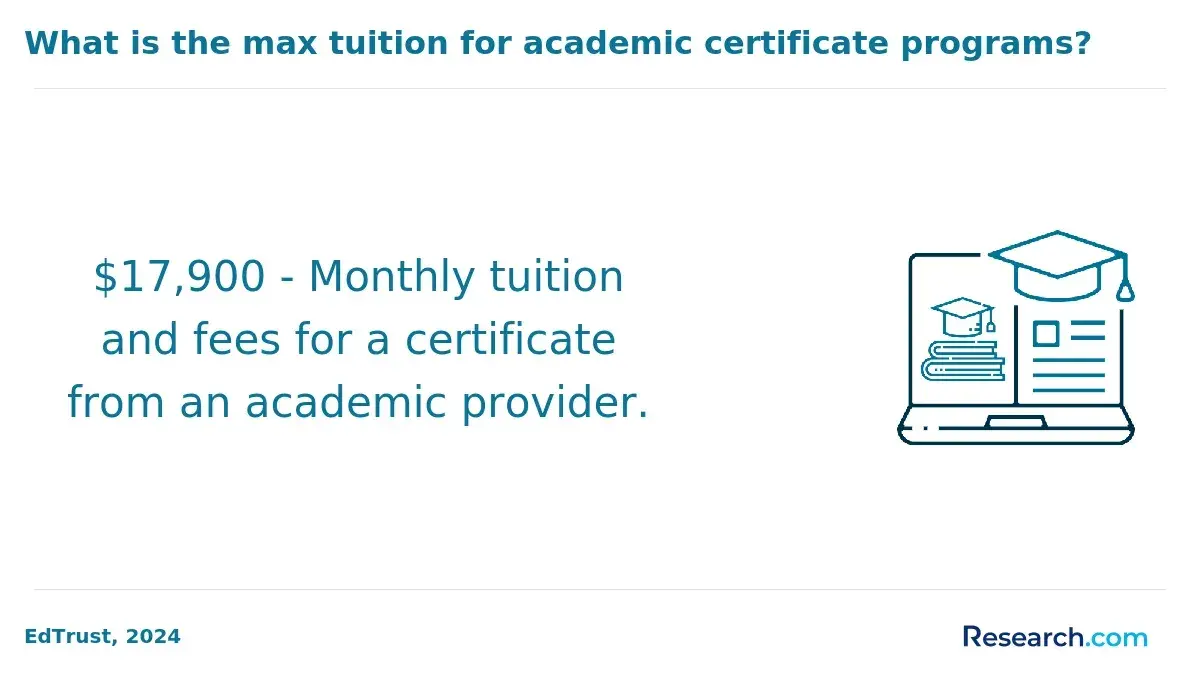
Compare the cost to finish, not just the advertised price per credit. Your estimate should include remaining credits multiplied by applicable tuition, mandatory and program fees, books or software, assessment charges, and any costs associated with a local placement. A campus-free program may save travel and lodging costs without eliminating those other expenses. Residency-based tuition and fees can also change the comparison between schools.
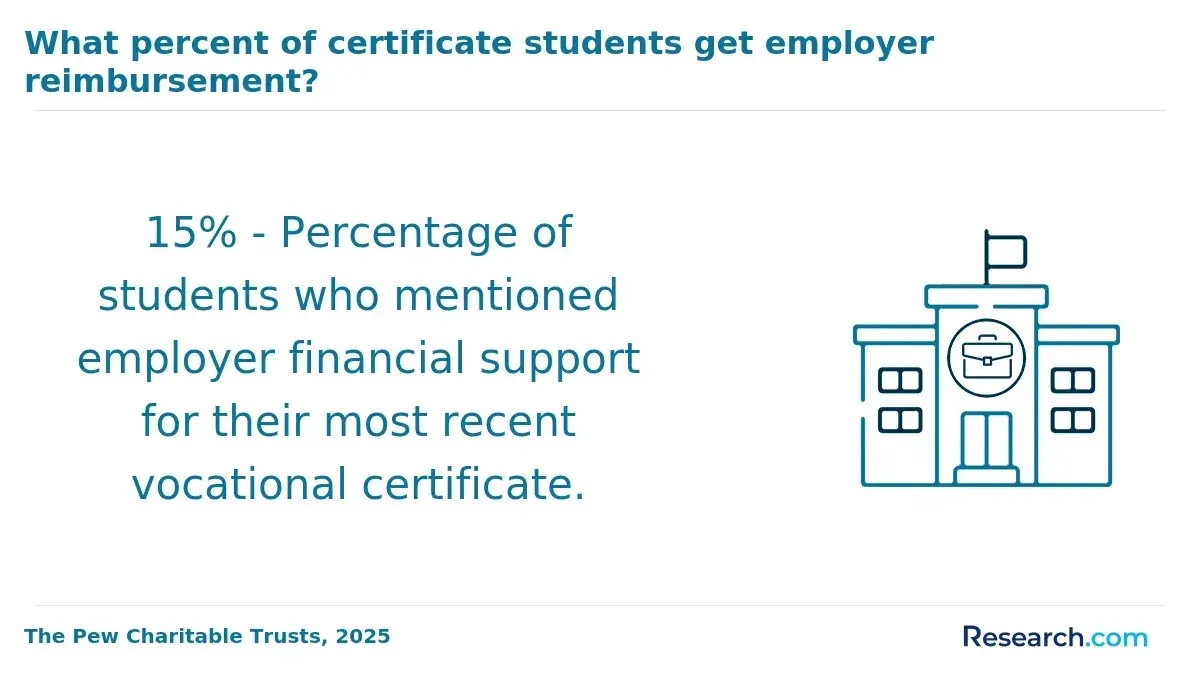
Request a written cost estimate using your transfer-credit evaluation and likely enrollment pace. Check institutional financial-aid eligibility and ask about employer tuition assistance, scholarships, and payment plans. Borrowing more to finish faster is not automatically worthwhile; weigh potential interest and time away from work against the benefit of an earlier completion date.
What coursework and learning formats do online degrees include?
Fully online coursework can still follow a fixed schedule. Programs may combine recorded lectures, assigned readings, discussion boards, virtual labs, group projects, and live meetings. An asynchronous course usually lets you access materials at varied times, but deadlines still apply. A synchronous course requires attendance at scheduled times, even if you never visit campus.
Ask how often live sessions occur, which time zone governs deadlines, how exams are proctored, and whether group work requires daytime availability. For practice-oriented degrees, distinguish online instruction from local clinical work, student teaching, or field education. A format that removes campus travel may still be difficult to combine with an inflexible job schedule.
Which online degrees require professional licensing or certification?
Licensure rules attach to occupations, not to the phrase "online degree." Registered nursing and advanced nursing practice, public-school teaching, clinical social work, and some counseling or psychology roles have distinct state requirements. Professional engineering and CPA licensure also involve requirements beyond simply earning a degree. These may include approved education, examinations, supervised experience, or an existing license.
Before enrolling, identify the state where you intend to work and check that state's licensing board or education agency. Then ask the program to explain how its specific track supports those requirements and what it does not provide. This check is especially important if your placement and institution are in different states.
How can you choose a reputable online degree program?
Choose by verifying the exact degree, track, and state-specific requirements. An institution's general description of online learning is not enough to establish that your program requires no campus visits. The same caution applies if you later consider research-oriented online PhD programs: examine residencies and research requirements separately from online coursework.
Before committing, use this sequence to turn marketing claims into a workable study plan:
- Request the current catalog and written confirmation of every required campus visit, residency, lab, exam, and placement for your track.
- Verify institutional accreditation, relevant programmatic accreditation, and any state authorization or licensure eligibility you need.
- Obtain an individual credit and prerequisite evaluation, then ask for a realistic course-by-course completion plan.
- Compare full remaining cost, placement support, live-meeting schedules, and career relevance across your shortlisted programs.
Red flags include a school that will not clarify placement responsibility, presents an occupational median wage as a graduate outcome, or promises a completion date without evaluating your previous coursework. If a requirement remains unclear, resolve it before paying an enrollment deposit.
Other Things You Should Know About
Not always. Some degrees require in-person clinical work, field education, internships, or student teaching at a local site. Check the exact track's requirements.
Yes. A live online class is not a campus visit, but it does require you to be available at scheduled times.
Possibly. The school must evaluate whether those credits meet specific degree requirements, and you may still need to complete required courses or a capstone.
Ask for written confirmation that your specific degree and concentration require no campus visits, including for orientation, exams, labs, and graduation-related academic activities.
References
- Professional Licensure | U.S. Department of Education http://www.ed.gov/about/initiatives/international-affairs/professional-licensure
- Fast Facts: Tuition costs of colleges and universities (76) | ed.gov https://nces.ed.gov/fastfacts/display.asp
- DAPIP | Homepage - Office of Postsecondary Education (OPE) https://ope.ed.gov/dapip/
- Complying with Professional Licensure Requirements | wiche.edu https://wcetsan.wiche.edu/resources/complying-professional-licensure-requirements-beginners-checklist
- UMass Global MyPath: Self-Paced Programs https://www.umassglobal.edu/why-umassglobal/flexible-ways-to-learn/self-paced
- Professional Licensure - Adams State Online - Adams State University https://www.adams.edu/online/professional-licensure/
- Estimated Cost of Attendance | Student Success | University of Kentucky https://studentsuccess.uky.edu/financial-aid-and-scholarships/estimated-cost-attendance
- Programs Leading to Licensure | txst.edu https://www.distancelearning.txst.edu/about-oxp/state-authorization/professional-licensure-disclosures.html
- Professional Licensure & Location | College of St. Scholastica https://services.css.edu/TDClient/354/Portal/KB/Article/11783/Professional-Licensure-Location