
2027 Best Degree Programs With the Best ROI

Co-Founder and Chief Data Scientist
A degree can open a career path, but its return depends on what you pay, what work you can realistically pursue, and whether you need that credential at all. The stakes are substantial: the U.S. Bureau of Labor Statistics (BLS) reports a 2024 median annual wage of $93,600 for registered nurses - not a guaranteed salary for nursing graduates.
This guide compares career-oriented degree programs, with particular attention to master's options. You'll learn where advanced study may pay off, where a less expensive route may make more sense, and how to check a program before enrolling.
Key Things You Should Know
- Computer science and IT can lead toward well-paid occupations: BLS reports a 2024 median annual wage of $133,080 for software developers, but many such jobs do not require a master's degree.
- Nursing and other licensed healthcare paths may have a clearer credential-to-career connection; registered nurses had a 2024 median annual wage of $93,600, though RN entry does not generally require a master's degree.
- The strongest personal ROI comes from comparing total cost, income you may forgo, career requirements, and likely opportunities - not from choosing the field with the highest occupational wage.
Top 10 Best Degree Programs With the Best ROI
Business Programs
An MBA or specialized master's in accounting, finance, or business analytics may be worthwhile when it supports a specific promotion, career change, or credential goal. An MBA often offers the strongest case for professionals who can apply it alongside existing experience; it is not a prerequisite for most management jobs. Compare employer tuition assistance, recruiting access, and graduates' relevant career outcomes against the full price and any income lost while studying. For accounting, check whether the curriculum helps satisfy your state's CPA education rules rather than assuming the degree itself qualifies you.
Healthcare Programs
Healthcare administration, public health, occupational therapy, and related master's programs serve different goals. Administration and public health degrees can support specialized or leadership work, but experience often matters as much as the credential. Clinical programs may be necessary for entry to a regulated profession and can require extensive placements, making their total cost and time commitments materially different. Before comparing salaries, identify the exact occupation you want and confirm whether its entry requirements call for this degree, another credential, supervised practice, or a license.
Information Technology Programs
Master's programs in cybersecurity, information systems, and IT management can help experienced professionals deepen technical expertise or move toward specialized responsibilities. Their ROI is less certain for beginners: many IT roles also have bachelor's-level, certification, or experience-based entry routes. Compare a program's hands-on labs, security or cloud coursework, employer relevance, and internship access with lower-cost alternatives. An IT management degree may fit someone already leading technical projects better than someone seeking their first technical job.
Computer Science Programs
A master's in computer science can suit graduates seeking advanced study in algorithms, AI, systems, or software engineering. A conversion program may serve applicants without a CS bachelor's degree, but prerequisite courses can increase cost and time. BLS occupational wages for software developers describe people in those jobs, not master's graduates; a master's is not the usual minimum entry credential. If your goal is an entry-level developer role, compare the degree with a relevant bachelor's pathway, demonstrable projects, and work experience before paying for graduate study.
Nursing Programs
Master of Science in Nursing programs can prepare licensed RNs for advanced practice, education, or leadership, depending on the track. Advanced practice routes can offer a clearer reason to pursue graduate study, but they also require appropriate clinical preparation and state-specific licensure or certification. Entry-to-practice nursing pathways have different requirements, and an MSN does not automatically make a student eligible for RN licensure. Verify the track's prerequisites, clinical placement arrangements, accreditation, and authorization in the state where you intend to practice.
Psychology Programs
A psychology master's can support research, behavioral-health, or related work, but its ROI depends heavily on the intended occupation. A general psychology degree does not by itself qualify someone to practice as a licensed psychologist; that path typically requires doctoral education and other state requirements. Counseling-oriented programs have distinct accreditation, supervised-practice, and licensing considerations. Match the curriculum to a specific role and state rules before treating advertised mental-health salaries as an expected return from the degree.
Education Programs
Master's programs in teaching, curriculum and instruction, special education, or educational leadership can have a strong practical purpose when they meet a state credential requirement or an employer's published pay schedule. The payoff is weaker if the degree adds little eligibility or compensation in your district. Initial-licensure and advancement programs are not interchangeable: one may include student teaching, while another assumes an existing teaching license. Check state approval, placement requirements, and your employer's salary rules before enrolling.
Criminal Justice Programs
A master's in criminal justice can build skills in policy, analysis, and agency administration, but many law-enforcement and corrections jobs do not require graduate education. Its strongest ROI case is a documented advancement opportunity or a move into research or specialized public-sector work. Public-service pay structures and hiring rules vary, so compare the degree's cost with the actual qualifications for your target position. Do not assume a criminal justice degree substitutes for an academy, background screening, or role-specific training.
Engineering Programs
An engineering master's can be valuable when advanced design, specialized technical work, or employer-sponsored study makes the added training useful. For many engineering jobs, an accredited bachelor's degree remains the primary entry route; a graduate degree is not automatically a salary multiplier. Compare thesis and course-only options, access to laboratories, and employer demand for your specialty. If professional engineer licensure is a goal, check your state board's education and experience rules rather than assuming any engineering master's satisfies them.
Social Work Programs
A Master of Social Work can offer a relatively direct route toward roles that require graduate social-work education, including some clinical paths. The financial case still depends on tuition, placement hours, likely pay, and whether you can keep working during required field education. Clinical practice generally also requires supervised post-degree experience, an examination, and state licensure. Applicants with a qualifying bachelor's in social work may be eligible for advanced standing, but schools set their own eligibility and remaining coursework requirements.
What degree programs offer the best return on investment?
There is no universal highest-ROI degree program. ROI means the benefit you can reasonably expect relative to the full cost of obtaining the credential. For a master's degree, the key question is usually whether it improves your prospects enough beyond your current qualification to justify tuition, time, and possible debt.
This comparison shows where a master's may have a particularly clear purpose and where alternatives deserve close attention. It is a guide to evaluating program types, not a ranking of schools or a prediction of graduates' earnings.
| Program type | Potential ROI advantage | Main qualification |
| Licensure-oriented nursing or social work | May provide education needed for a defined professional path | Clinical training and additional licensing steps can add time and cost |
| Specialized engineering or computer science | Can support a targeted technical move | Many relevant jobs do not require a master's |
| Business or IT management | May complement substantial prior experience | A degree alone rarely substitutes for that experience |
| Education advancement | May meet a credential rule or qualify for a published pay increase | Benefits depend on state and employer policies |
Favor programs tied to a verified career requirement, an employer-funded opportunity, or a credible plan to change roles. If you can reach the same goal through an existing degree, certification, or experience, the additional degree may have a weaker return.
How much do high-ROI degree programs cost and how long do they take?
Program costs and timelines vary too much for one price or completion estimate to be useful. A master's may require prerequisite or foundation courses, sequential classes, a thesis, or clinical placements. Part-time enrollment can preserve income but extend completion; full-time study can shorten the calendar while increasing forgone earnings.
Ask each school for an estimate covering all remaining credits, mandatory and program fees, books or equipment, and any travel or placement expenses. Subtract grants and confirmed employer assistance to estimate your out-of-pocket cost; treat loans as financing, not a discount. Then consider income you would give up and interest you may pay. Request a written degree audit if you expect graduate transfer credit or advanced standing: acceptance does not mean those credits will replace required courses.
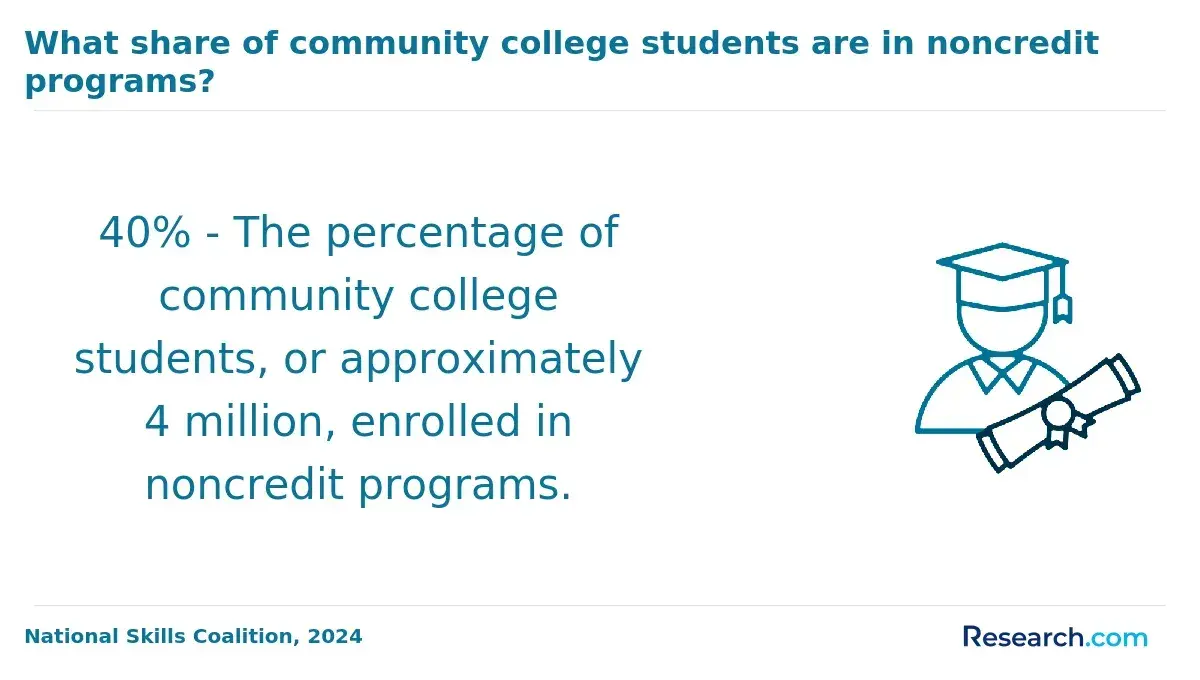
Short classes are not the same as a short degree. If speed is your main goal, compare a full program plan with alternatives such as 6-week online courses with certificates; a short certificate may build a skill without serving the same purpose as a graduate credential.
Which careers offer the highest salaries and strongest job outlooks?
The highest-paying occupation is not necessarily the best degree investment. In BLS data, software developers had a 2024 median annual wage of $133,080. That figure describes workers across experience levels and educational backgrounds; it neither measures master's graduates' earnings nor establishes that a master's is required.
To evaluate a career, compare its occupational wage and projected employment change with its usual entry requirements, local openings, and the experience employers request. BLS occupation pages provide a consistent starting point, while current job postings can reveal whether employers in your area seek a graduate credential. A highest paying degree comparison can also help you test whether undergraduate preparation may already support your goal. For licensed careers, include the time between graduation and eligibility to practice independently.
Which high-ROI programs require professional licensing or certification?
The clearest credential requirements tend to appear in regulated professions, but earning the degree and obtaining permission to practice are separate steps. Advanced practice nursing tracks can require RN licensure, national certification, and state authorization. Clinical social work generally requires an MSW plus supervised experience and a state license. Counseling, teaching, and some clinical healthcare paths also have state-specific requirements.
Other credentials are role-dependent. A CPA candidate must satisfy the applicable state accountancy board's education and examination rules; an engineering graduate pursuing professional engineer licensure must meet the relevant board's requirements. Before applying, check the licensing board for your intended state and ask the program which specific track, placements, and courses support eligibility there.
How do online and campus-based degree programs compare for ROI?
Online study can reduce commuting and make continued employment more feasible, improving ROI when it lowers real expenses or protects income. Campus study may offer easier access to laboratories, recruiting, or local placements. Neither format is inherently cheaper or better: online programs may charge technology fees or require scheduled live sessions, travel, clinical work, or in-person residencies.
Compare each program's actual calendar and placement rules, not its delivery label. In nursing, social work, teaching, and clinical healthcare, online coursework can still come with substantial face-to-face practice. If you need more scheduling choice, use a best online degrees comparison as a starting point, then verify the specific master's program's attendance, deadlines, and state authorization before applying.
What coursework do the best ROI degree programs typically include?
Coursework should match the job or credential you want. Business programs may emphasize accounting, strategy, and analysis; computer science and IT may require algorithms, systems, security, and projects. Nursing, social work, and other practice-oriented programs commonly pair advanced coursework with supervised field or clinical learning. Education programs may include instructional design and, for initial licensure, student teaching.
A specialization can improve the fit between a degree and a target role, but it can also narrow your options. Review the course sequence and culminating requirements - not just the concentration name. A thesis may suit research ambitions; a capstone, laboratory project, or practicum may better demonstrate applied skills. Confirm whether required courses and placements are available at a pace you can sustain.
What admission requirements apply to high-ROI degree programs?
Most master's programs require a bachelor's degree and transcripts, but additional requirements depend on the field and track. Engineering or computer science may require specified quantitative or programming preparation; an MSN track may require an RN license and nursing background. Professional experience, recommendations, a statement of purpose, an interview, or a standardized test may also apply. A university's general graduate policy does not override a selective program's requirements.
Ask admissions to identify missing prerequisites, minimum grades, and any conditional-admission option for your exact track. If you hold a related credential or prior graduate credits, request an evaluation of what will actually apply to the degree. This can reveal a foundation-course detour or advanced-standing opportunity before you commit to a price and timeline.
How can you verify accreditation for a high-ROI degree program?
Institutional accreditation matters for educational quality oversight, financial-aid eligibility, and the treatment of prior credits. In regulated fields, programmatic accreditation or state approval may also affect certification or licensure eligibility. Verify both at the level that applies to the exact program and campus or delivery format you plan to attend.
These checks help separate an accreditation claim from the eligibility you need:
- Find the institution in the U.S. Department of Education's accreditation database and confirm its current status.
- Check the relevant programmatic accreditor's directory or your state licensing board for any field-specific requirement.
- Ask the program to explain, in writing, how its curriculum and placements support eligibility in your intended state.
A familiar school name is not proof that every track meets every state's professional rules.
How should you choose a reputable degree program for your career goals?
Start with the occupation and work backward. Identify its actual education, experience, and licensing requirements; then compare programs that meet them. For each one, obtain a complete cost estimate, a realistic course-and-placement schedule, and evidence of outcomes relevant to your goal. Give extra weight to employer funding or a documented credential requirement, and be cautious of claims that imply a salary or promotion is assured.
If you already have college credit or professional preparation, ask for a formal evaluation rather than assuming it reduces graduate requirements. A list of competency-based colleges may suggest another way to compare educational options, but verify whether the particular credential and assessment model fit your career goal. The best choice is the reputable program you can complete at a defensible cost - not simply the fastest or most prominently advertised one.
Other Things You Should Know About
No. Many well-paid jobs have bachelor's-level or experience-based entry routes. A master's makes the strongest financial case when it fulfills a career requirement or enables a specific opportunity you could not reasonably access otherwise.
Compare total out-of-pocket cost, potential debt, and forgone income with realistic opportunities in your target occupation. Use occupational wages as context, not as a forecast of your personal earnings.
Delivery format alone does not determine value. Check institutional accreditation, any required program approval, career relevance, and whether in-person training or state authorization affects your plans.
First identify the target job's entry requirements. Choose a qualifying degree if one is needed; otherwise, compare its cost and time with prerequisites, certificates, certifications, and entry-level work experience.
References
- Education pays: U.S. Bureau of Labor Statistics https://www.bls.gov/emp/chart-unemployment-earnings-education.htm
- Your financial path to graduation | consumerfinance.gov https://www.consumerfinance.gov/paying-for-college/your-financial-path-to-graduation/
- Fast Facts: Tuition costs of colleges and universities (76) | ed.gov https://nces.ed.gov/fastfacts/display.asp
- Data Home | College Scorecard https://collegescorecard.ed.gov/data
- The Labor Market for Recent College Graduates | newyorkfed.org https://www.newyorkfed.org/research/college-labor-market
- Measuring the Return on Investment of Higher Education | bipartisanpolicy.org https://bipartisanpolicy.org/explainer/measuring-the-return-on-investment-of-higher-education-breaking-down-the-complexity/
- Which College Programs Give Students the Best Bang for Their Buck? | Third Way https://www.thirdway.org/report/which-college-programs-give-students-the-best-bang-for-their-buck
- Career earnings by college major - The Hamilton Project https://www.hamiltonproject.org/data/career-earnings-by-college-major/
- Trends in College Pricing Highlights | College Board Research https://research.collegeboard.org/trends/college-pricing/highlights
- Does College Pay Off? A Comprehensive Return On Investment Analysis - FREOPP https://freopp.org/whitepapers/does-college-pay-off-a-comprehensive-return-on-investment-analysis/


