
2027 Best Career Programs for Career Changers

Co-Founder and Chief Data Scientist
Changing careers often means choosing between a short job-focused credential and a degree that opens a different profession. The stakes are substantial: the U.S. Bureau of Labor Statistics (BLS) reported a 2024 median annual wage of $93,600 for registered nurses, but entering nursing requires an approved education pathway and licensure - not simply any healthcare degree. This guide compares career-oriented program families, with particular attention to master's options for people who already hold a bachelor's degree. You'll learn which paths fit different goals, where shorter alternatives make sense, and what to verify before paying tuition.
Key Things You Should Know
- For a bachelor's degree holder, a career-change master's can build on previous education, but prerequisite courses, field placements, and licensing rules may extend the path.
- The best choice depends on the target job: an MBA may support a move into business, while nursing, teaching, counseling, and social work require more specific preparation.
- Compare total cost and eligibility, not salary alone: BLS reports a $93,600 median annual wage for registered nurses in 2024, not an expected salary for graduates of a particular program.
Top 10 Best Career Programs for Career Changers
Business Programs
An MBA or specialized master's in accounting, finance, or business analytics can help changers translate prior experience into a new business function. MBAs usually provide broad management training; specialized degrees offer deeper preparation for a defined role.
Compare foundation courses, projects, internships, and recruiting access - not just the degree name. Some programs welcome applicants without business majors, but may require quantitative preparation or relevant experience. A business master's is less compelling if the target employer chiefly values a specific certification, portfolio, or hands-on experience.
Healthcare Programs
Master's programs in public health, health informatics, and healthcare administration serve different goals: population health, health data, and organizational operations. They generally do not qualify graduates for clinical practice. Check whether coursework includes applied projects, internships, and the technical or policy skills employers seek.
A healthcare worker seeking advancement may benefit from an administration degree; someone seeking direct patient care should identify the required clinical credential first. Ask whether prior science coursework or professional experience is expected.
Information Technology Programs
A master's in information technology, cybersecurity, or information systems can prepare a changer for technical operations or technology management. Programs vary from conversion-friendly curricula to advanced study that assumes programming and networking knowledge.
Look for labs, cloud or security projects, and opportunities to demonstrate skills to employers. A master's is not necessarily the quickest route to an entry-level support role; targeted training and industry certifications may be a better first step. Verify whether online labs have scheduled attendance requirements.
Computer Science Programs
Computer science master's programs emphasize software, algorithms, and computing theory; some are built for non-computer-science graduates, while others expect substantial prior coursework. A conversion program can suit someone seeking software development, provided it includes programming practice and substantial projects.
Compare required prerequisites and career support before assuming the advertised degree length reflects your starting point. BLS reports a 2024 median annual wage of $133,080 for software developers, but that occupational figure is not a graduate salary or a guarantee of employment.
Nursing Programs
A direct-entry master's in nursing may offer a route into registered nursing for someone with a non-nursing bachelor's degree. Admission commonly depends on science prerequisites, and students must complete supervised clinical training.
Before applying, confirm that the specific program meets the requirements for registered-nurse licensure in the state where you intend to practice. A direct-entry master's is distinct from a graduate nursing program for already-licensed nurses; neither the degree title nor online coursework removes clinical or licensing obligations.
Psychology Programs
A psychology master's can support research, applied behavioral work, or preparation for further study, but it does not automatically qualify someone to practice as a psychologist. If your goal is therapy, compare counseling or marriage and family therapy programs against your state's licensing rules; psychology and counseling degrees are not interchangeable.
Check clinical placement support and supervised-practice requirements. Choose the program by the occupation and license you want, not by a broad interest in human behavior.
Education Programs
A master's in teaching with an initial-licensure pathway may suit a bachelor's degree holder entering K-12 teaching. An education master's designed for existing teachers may not lead to initial certification.
Compare subject-specific prerequisites, supervised student teaching, placement locations, and state approval before enrolling. School calendars and daytime placement hours can make an otherwise flexible program difficult to combine with full-time work. Alternative teacher-certification routes may offer a better fit in some states.
Criminal Justice Programs
A master's in criminal justice or criminology can support work in policy, analysis, administration, or research, particularly for someone with relevant experience. It is not a general requirement for entering law enforcement, and it does not replace an agency's hiring, training, or background-check standards.
Look for methods coursework, applied projects, and employer connections tied to your intended role. If your goal is an entry-level agency position, confirm its actual qualifications before paying for graduate study.
Engineering Programs
An engineering master's can deepen technical specialization, but many programs require substantial undergraduate mathematics and engineering coursework. For a changer without that foundation, a second bachelor's, prerequisite sequence, or engineering-technology route may be more realistic.
If professional engineer licensure is the goal, investigate state board rules and the program's accreditation rather than assuming any engineering-related master's qualifies. Laboratories, design projects, and campus access can also limit fully remote study.
Social Work Programs
A Master of Social Work (MSW) offers a defined route into social work for bachelor's graduates from many fields. Applicants without a bachelor's in social work generally follow the regular pathway rather than advanced standing.
Supervised field education is central, so confirm placement arrangements and weekly scheduling before enrolling. Clinical social work requires additional supervised experience and state licensure after the degree. If you mainly want a nonclinical community-service role, compare its actual hiring requirements with the cost of an MSW.
What Are the Best Career Programs for Career Changers?
The best career program is the one that meets the entry requirements for your intended job without requiring more time or borrowing than necessary. For bachelor's degree holders, the master's families above offer different kinds of change: entry to a regulated profession, a technical pivot, or advancement into a new function. None is universally best.
This comparison shows the central trade-off for several common goals. "Best fit" describes the program's purpose, not a ranking of individual schools.
| Career goal | Program to investigate | Decision-critical consideration |
| Become a registered nurse | Direct-entry nursing program | State licensure eligibility, science prerequisites, and clinical placements |
| Enter K-12 teaching | Initial-licensure teaching master's | State approval and student-teaching schedule |
| Practice social work | MSW | Field education and any post-degree licensing requirements |
| Move into software development | Conversion-oriented computer science master's | Programming prerequisites and demonstrable projects |
| Change business functions | MBA or specialized business master's | Whether the curriculum and recruiting support match the target role |
Start with job postings and state requirements, then compare programs that satisfy them. If the role does not call for graduate education, test a certificate, apprenticeship, or entry-level route before committing to a master's.
Which Career Change Programs Offer the Fastest Path to Employment?
Short certificates and employer training can provide a faster route to some entry-level technology, administrative, or support jobs than a master's degree. Speed is less useful if the credential cannot qualify you for the work you actually want. Nursing, classroom teaching, and licensed clinical practice have education and supervised-training requirements that a short course cannot bypass.
Compare the time until you can apply for the target job, including prerequisites, placements, exams, and license processing - not just the advertised course length.
If speed is your priority and the occupation does not require a master's, compare fast online degrees with shorter certificates and direct-entry jobs. Ask employers which credentials they recognize before choosing the shortest option.
How Much Do Career Change Programs Cost and How Long Do They Take?
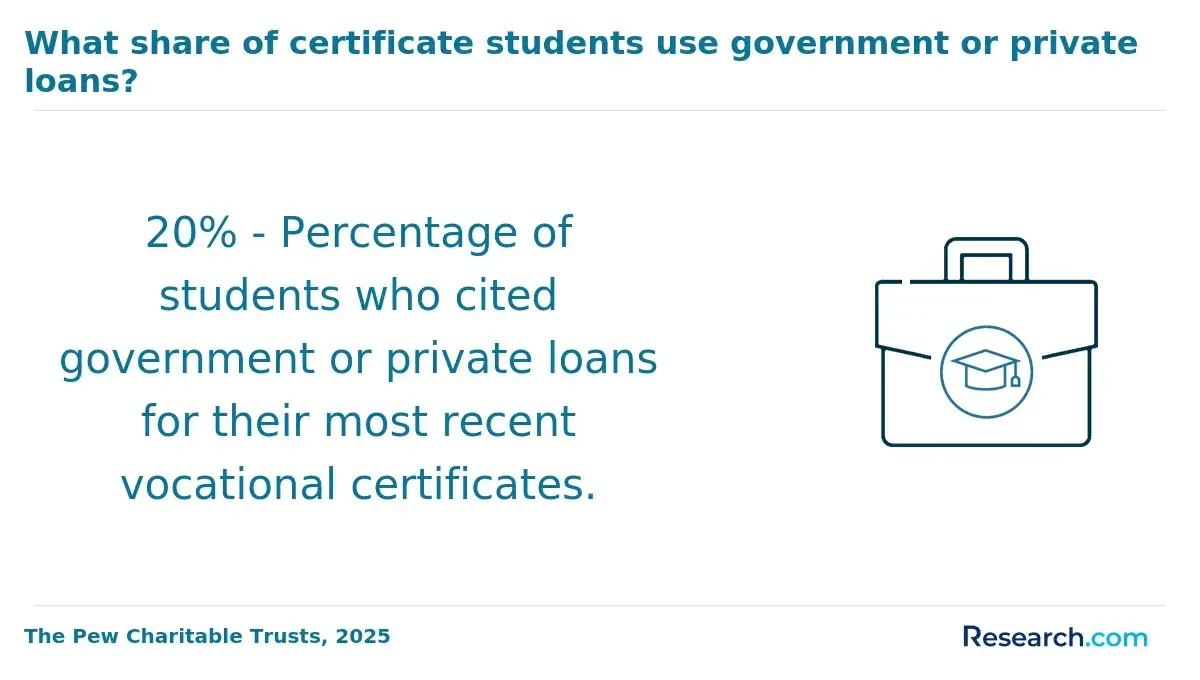
There is no reliable single price or timeline for a "career-change program." Published tuition may omit prerequisites, mandatory fees, materials, travel, and unpaid placement hours; time to completion depends on enrollment intensity and when required courses or placements are offered.
Request a written, program-specific estimate rather than applying a school's general tuition rate to your plans. The following comparison identifies cost and scheduling pressures by pathway. It is a planning aid, not a set of quoted program prices.
| Pathway | Potential time constraint | Costs to check beyond tuition |
| Short certificate | Course availability and certification exam dates | Equipment, exam fees, and whether credits apply to later study |
| Associate or bachelor's degree | General education, major sequencing, and accepted transfer credit | Mandatory fees, books, and remaining credits after evaluation |
| Career-change master's | Foundation courses, internships, or a capstone | Graduate fees, prerequisite courses, and lost work time |
| Licensure-oriented graduate program | Clinical or field placements and state requirements | Placement travel, background checks, exams, and licensing fees |
For some roles, an associate degree is more economical than graduate study; explore the easiest 2 year degree to get only after checking whether it qualifies you for the intended occupation. Financial aid eligibility varies by school and credential. Ask for an aid estimate and compare the amount you would borrow with a conservative employment plan.
Which Career Programs Are Online, Campus-Based, or Hybrid?
Business, information technology, and some computer science coursework may be available online. Engineering labs may require campus access, while nursing clinicals, social work fieldwork, and student teaching require in-person experience even when classes are online. Availability depends on the specific program, not its field or the university's general online offerings.
Online also does not mean asynchronous: scheduled classes, fixed deadlines, proctored assessments, and placement hours can affect working adults. If location flexibility drives your decision, compare degrees for remote jobs with both the program's attendance requirements and the reality of the target job. A remote-friendly course does not make a clinical occupation remote.
What Accreditation Should Career Changers Look For?
Check institutional accreditation first, then any program-level approval relevant to the occupation. For example, nursing applicants should verify state board approval and applicable nursing accreditation; social work applicants should check Council on Social Work Education accreditation; engineering applicants pursuing licensure should investigate whether ABET accreditation is needed for their intended state pathway.
Programmatic accreditation and state approval are not interchangeable, and requirements differ by profession and jurisdiction. Confirm the specific campus, delivery format, degree, and graduating cohort with the accreditor and licensing authority. Do this before paying a deposit, particularly if you will study in one state and seek a license in another.
What Are the Admission Requirements for Career Change Programs?
Career-change master's programs generally require a bachelor's degree, but other requirements depend on the field. A computer science conversion program may assign introductory coding; direct-entry nursing may require laboratory sciences; teaching may require subject preparation.
Schools may also review GPA, recommendations, experience, interviews, or tests. Graduate admission to a university does not necessarily mean admission to a selective clinical or licensure program.
If your academic record is a concern, colleges that accept 2.0 GPA can provide context for undergraduate options, but their policies do not establish eligibility for a master's. Ask each graduate program whether it offers prerequisite enrollment, conditional admission, or another documented route, and get the answer for your specific program in writing.
Which Licenses and Certifications Do Career Changers Need?
A degree, a professional certification, and a state license serve different purposes. Registered nurses need state licensure after meeting education and examination requirements. Public-school teachers need the certification required by their state.
Clinical social workers and many counseling professionals typically need post-degree supervised practice and a licensing exam. Technology certifications may help demonstrate particular skills, but employer preferences vary.
Check the board or credentialing body for the state where you expect to work. Ask whether the program meets its educational rules, which examinations remain, and when supervised hours begin. Avoid programs that imply graduation alone authorizes independent practice.
What Jobs and Salaries Can Career Change Programs Lead To?
Career-change programs can lead toward technical, business, education, and service roles, but the connection is strongest when a program teaches the skills - or meets the licensing rules - the role actually requires. BLS occupational wages describe people already working in those jobs; they do not predict what a new graduate will earn.
For context, BLS reports a 2024 median annual wage of $133,080 for software developers. That makes software development worth investigating for someone who enjoys building and debugging software, but hiring also depends on demonstrable skills and employer requirements.
Compare current local job postings, entry-level qualifications, and the availability of placements or projects before treating any occupation's median wage as a return-on-investment estimate.
How Can You Choose a Reputable Career Change Program?
Choose a target occupation before choosing a school. Then compare programs using evidence that affects your ability to finish and become eligible for the job - not rankings or a prominent advertised salary.
Use these checks before you apply or pay a deposit:
- Confirm the target job's education, experience, certification, and state licensing requirements with employers or the relevant authority.
- Verify the specific program's accreditation, approval, prerequisites, required placements, delivery format, and completion requirements.
- Request an evaluation of prior coursework and written estimates of remaining requirements, total costs, and aid eligibility.
- Ask for program-level completion and employment information, including how outcomes are defined and whether career services arrange placements.
Be cautious if a school will not clarify licensure eligibility, quotes only per-credit tuition, counts transfer credit before evaluating it, or presents occupational wages as typical graduate earnings. The strongest choice is a program whose requirements, schedule, and total cost still work after you account for your actual starting point.
Other Things You Should Know About
No. Some jobs accept certificates, associate degrees, apprenticeships, or relevant projects. A master's makes more sense when it meets a professional requirement or provides skills and recruiting access you cannot obtain through a shorter route.
Sometimes. Conversion programs are designed for applicants from other fields, but they may still require prerequisite courses. Check the specific program's admissions and graduation requirements.
Online classes may be available, but clinicals, fieldwork, or student teaching generally require in-person participation. Confirm placement locations and whether the program meets your state's licensing rules.
Only if the school evaluates and applies them to specific requirements. Ask which prerequisites remain and whether an accelerated or advanced-standing route has separate eligibility rules.
References
- Career Seekers | Apprenticeship.gov https://www.apprenticeship.gov/career-seekers
- Qualified Ed expenses | Internal Revenue Service https://www.irs.gov/credits-deductions/individuals/qualified-ed-expenses
- United States Bureau of Labor Statistics Education and Training Classification System | ca.gov https://labormarketinfo.edd.ca.gov/LMID/BLS_Training_Levels.html
- Cost of Attendance (Budget) | 2025-2026 Federal Student Aid Handbook https://fsapartners.ed.gov/knowledge-center/fsa-handbook/2025-2026/vol3/ch2-cost-attendance-budget
- How Apprenticeship Programs Could Help Fill In-Demand Jobs | gao.gov https://www.gao.gov/blog/how-apprenticeship-programs-could-help-fill-demand-jobs
- TEN_25-19_Attachment_1.pdf | dol.gov https://www.dol.gov/node/161266
- Industry-Recognized Credentials Guide | Ohio Department of Education and Workforce https://education.ohio.gov/Topics/Ohio-s-Graduation-Requirements/Contacts-and-Resources/Industry-Recognized-Credentials/Industry-Recognized-Credentials-Guide
- Learn about an occupation - Employment Security Department https://esd.wa.gov/jobs-and-training/labor-market-information/learn-about-occupation
- High Demand Occupations Requiring an Industry Recognized Credential | Mass.gov https://www.mass.gov/info-details/high-demand-occupations-requiring-an-industry-recognized-credential
- Career Outcomes - Career Center - The University of Alabama https://career.sa.ua.edu/about/career-outcomes/


