2027 Best Online Adult Degree Programs for Career Changers

Co-Founder and Chief Data Scientist
Changing careers while keeping a job raises a practical question: which online degree can you finish, afford, and use? Demand alone is not enough to answer it. The U.S. Bureau of Labor Statistics (BLS) projected 33% employment growth for information security analysts from 2023 to 2033, but that occupation typically requires relevant experience as well as education. This guide compares online master's program families for adults, then explains how to check schedules, prerequisites, costs, and licensing before you commit.
Key Things You Should Know
- Choose the credential that matches the job: an online master's in nursing generally requires an existing RN license, while an MSW can offer a route into social work for graduates of other bachelor's fields.
- Online does not mean location-free; clinical placements, student teaching, laboratories, practicums, or live classes may still affect whether you can keep working.
- Compare total cost and entry requirements alongside wages: BLS reported a $132,270 median annual wage for software developers in 2023, but a computer science master's alone does not qualify every applicant for that role.
Top 10 Best Online Adult Degree Programs for Career Changers
Business Programs
An online MBA or specialized master's in accounting, finance, or business analytics can help adults move toward business roles. An MBA may suit career changers with transferable leadership experience; a specialized degree offers deeper technical preparation. Some programs admit applicants without a business bachelor's but require foundation courses. Compare live-class expectations, team projects, internships, and employer recognition. An MBA is less direct than an accounting program if your target role requires specific coursework for CPA eligibility. Management jobs also commonly require relevant work experience; the degree alone is not a shortcut to one.
Healthcare Programs
Online master's programs in health administration, public health, and health informatics prepare students for different work. Administration emphasizes operations and finance; public health emphasizes population health; informatics connects clinical workflows and data systems. These can suit adults moving from business or technology into healthcare, although some programs prefer related experience. Check whether internships or applied projects can be completed locally. A healthcare master's does not itself authorize clinical practice. If your goal is direct patient care, identify the required professional credential before choosing a program.
Information Technology Programs
Online master's programs in information technology, cybersecurity, and information systems often focus on networks, cloud systems, security, and organizational implementation. They can fit career changers with technical work experience or a plan to build it. Admissions policies vary: some accept unrelated bachelor's degrees but require programming or networking preparation. Look for hands-on labs, realistic project work, and a schedule compatible with your job. A master's is not always necessary for an entry-level IT role; certifications and practical experience may be a lower-cost starting point.
Computer Science Programs
An online MS in computer science can support a move toward software development or advanced computing work, but it is not necessarily a beginner's degree. Programs commonly expect programming, algorithms, discrete mathematics, or other prerequisites, whether completed before admission or through a defined bridge. Compare project-based and research-oriented curricula, course availability, and the time needed for foundation work. If you have no coding experience, test your interest with introductory coursework before paying for a graduate program. Employers will also want evidence that you can build and explain working software.
Nursing Programs
Online MSN programs generally serve licensed registered nurses seeking advanced clinical, education, or leadership preparation - not adults entering nursing for the first time. Career changers without an RN license should investigate entry-to-practice nursing pathways instead. An online MSN may require local clinical hours, approved preceptors, and eligibility in the student's state. Nurse practitioner tracks have additional certification and state licensure requirements. Before applying, confirm that the school admits students in your state and can support every required clinical placement.
Psychology Programs
An online master's in psychology may emphasize research, applied psychology, or a specialty such as industrial-organizational psychology. It can help career changers build behavioral research and analysis skills, but the program title alone does not establish eligibility to become a licensed psychologist or counselor. Those careers have distinct degree, supervised-practice, and examination rules that vary by state. If practice is your goal, compare programs against the exact license requirements; otherwise, assess whether the curriculum teaches methods you can use in your intended workplace.
Education Programs
Online master's programs in education include curriculum and instruction, educational leadership, and initial teacher preparation. Their audiences differ: leadership programs may require teaching experience, while alternative-route or initial-licensure programs may accept adults changing careers. Teacher-preparation tracks typically involve supervised student teaching at a school, even when classes are online. Check state approval and placement arrangements before enrolling. If you already hold a teaching license and want advancement, a non-licensure master's may fit; it will not necessarily qualify a newcomer to teach.
Criminal Justice Programs
An online master's in criminal justice, criminology, or emergency management can deepen policy, analysis, and leadership skills for adults interested in public service. Some programs welcome applicants from unrelated fields; others expect professional experience. Compare research methods, agency partnerships, and applied projects with the work you want to do. Many law-enforcement positions have separate hiring, academy, and background requirements, so a graduate degree is not a substitute. For a first job in the field, check actual agency qualifications before choosing graduate study.
Engineering Programs
Online engineering master's degrees usually build on substantial undergraduate math, science, and engineering preparation. Some engineering management programs admit applicants with adjacent technical backgrounds, but a technical engineering MS may require extensive prerequisites. Compare laboratory access, project requirements, and any campus visits. If your goal involves signing engineering plans or offering regulated engineering services, investigate your state's professional engineer rules; a master's alone does not grant a license. Adults without an engineering background may find a qualifying bachelor's or carefully defined bridge more realistic.
Social Work Programs
An online Master of Social Work can be a career-change route for someone with a bachelor's degree in another field, provided the program offers a traditional-entry track. Advanced standing generally requires a qualifying Bachelor of Social Work; unrelated work experience does not replace that credential. Every prospective student should examine field-placement hours, daytime availability, local placement support, and state licensure eligibility. An MSW alone does not confer a clinical license: postdegree supervision and an examination may also be required, depending on the state and role.
What Are the Best Online Degrees for Career Changers?
The best online degree depends on the career you want, the education you already have, and the work you can realistically complete around your job. These program families are not interchangeable: some welcome graduates of unrelated fields, while others are designed for people already licensed or technically trained.
The comparison below shows where a career changer can begin and what could block the transition. "Online" describes coursework, not necessarily every required activity.
| Program family | Good fit when you want to... | Check before applying |
| MBA or health administration | Use existing organizational experience in a new industry | Experience expectations and whether the degree targets your desired role |
| Information technology | Build applied systems or security skills | Technical prerequisites and hands-on projects |
| Computer science | Develop stronger programming and computing skills | Math and programming prerequisites |
| MSW or initial teacher preparation | Enter a people-focused profession | Local placements and state credential rules |
| MSN or engineering MS | Advance from an existing professional or technical foundation | Required license or undergraduate preparation |
Already have a bachelor's degree? Compare graduate prerequisites before assuming a second degree is the fastest route. If you do not, bachelor degree programs for working adults may offer a more appropriate starting point. Career changers comparing graduate workload can also review other masters degrees, but should never substitute perceived ease for career fit.
How Do You Choose an Accredited Online Degree Program?
Start with the job's actual entry requirements, then evaluate programs. Many prospective students look for easy masters degrees, but institutional accreditation addresses the school; programmatic accreditation or state approval can matter separately for nursing, social work, teaching, and other regulated paths.
Use this sequence to rule out programs that look convenient but cannot support your goal:
- Identify the occupation, state of intended employment, and any required license or certification.
- Verify the institution's accreditation and the program's applicable accreditation or state approval with the accreditor or regulator.
- Ask for written details on prerequisites, transfer evaluation, weekly scheduling, in-person requirements, and placement support.
- Compare the complete cost and remaining coursework after the school evaluates your transcript.
A common mistake is relying on a school's general accreditation statement as proof that a specific online track meets another state's licensing rules. Request confirmation for your program and location before paying a deposit.
How Much Do Online Adult Degree Programs Cost and How Long Do They Take?
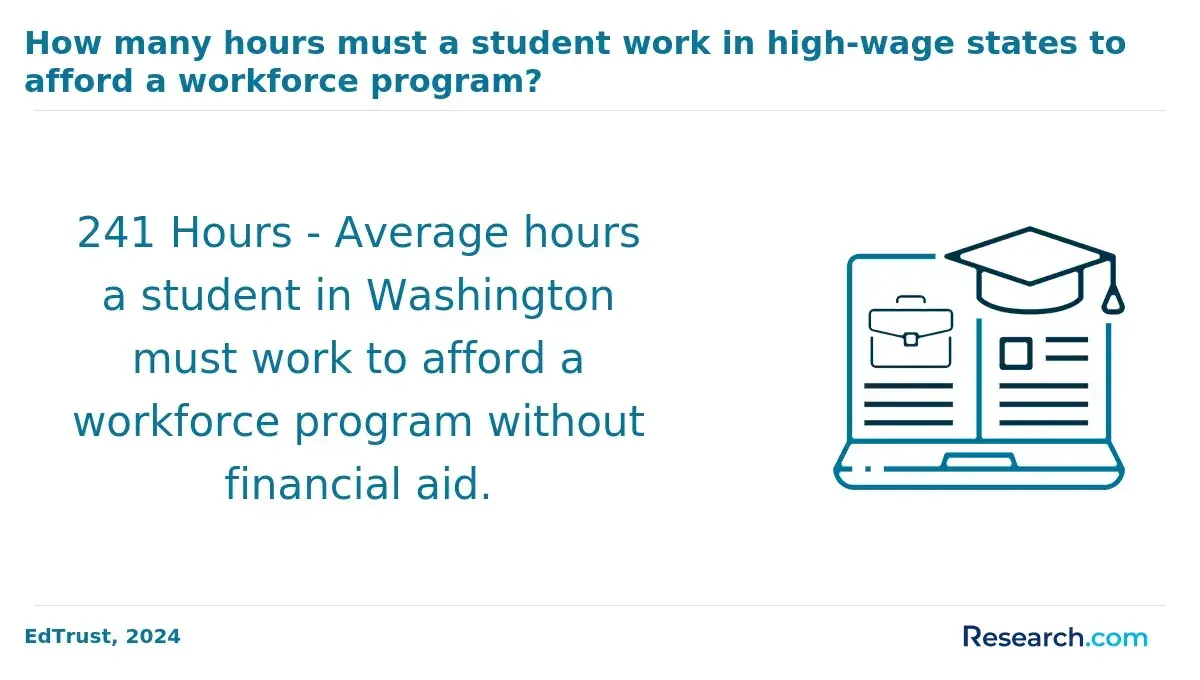
Total cost and time depend on your starting point, not just the advertised tuition rate or course length. A graduate certificate, a traditional-entry MSW, and an MSN clinical track can have very different credit and placement requirements. Ask each school for a personalized degree plan showing required credits, prerequisites, likely course load, and expected terms to completion.
The following costs can change the real price even when two programs advertise similar tuition. Compare them using each school's current published charges and your financial-aid offer.
| Cost factor | Why it matters |
| Tuition and required fees | Per-credit prices may exclude technology, course, or program charges. |
| Remaining prerequisites | Foundation courses can add time and expense before or during the degree. |
| Experiential requirements | Travel, reduced work hours, and placement-related expenses can affect the budget. |
| Accepted previous credit | Credit reduces cost only when it applies to remaining degree requirements. |
For a lower-cost starting point, compare cheapest tuition online college options with your target school's transfer rules; low tuition does not help if the courses will not apply. Complete the FAFSA to check federal aid eligibility, and ask your employer whether tuition assistance covers the specific program.
Which Online Degree Programs Offer the Strongest Career Outcomes?
The strongest outcome is a realistic route to a role you can enter, not simply a high published occupational wage. BLS wage and growth figures describe whole occupations; they do not measure results for graduates of a particular online program. Experience, local openings, licensing, and the applicant's existing skills all matter.
Information technology and computer science may be attractive if you can build a portfolio and meet technical hiring requirements. Education and social work offer more clearly defined professional routes, but typically involve supervised placements and state-specific credentials. Business and healthcare administration can leverage prior experience, yet management positions often require a record of relevant work. Ask programs for outcomes that identify the graduating cohort, response rate, job types, and time since graduation; a career-services office or an employer partnership alone is not evidence of placement.
What Are the Admission Requirements for Online Adult Degree Programs?
How Do Online Degree Programs Compare With Campus-Based Programs?
Online study can eliminate a commute and widen the choice of schools, but it does not automatically offer control over your hours. A program may have live evening meetings, fixed deadlines, campus sessions, or daytime clinical and field placements. Campus study can offer easier access to local facilities and in-person peers, though travel and scheduled attendance may be difficult for working adults.
Choose based on the least flexible requirement, not the most convenient course description. Ask for a sample term calendar, the frequency of required live sessions, and who arranges experiential placements. If those commitments conflict with your job or caregiving schedule, a part-time online option or a nearby campus program may be more workable than an accelerated format.
What Courses Do Career Changers Take in Online Degree Programs?
Coursework follows the career goal. An MBA commonly combines accounting, finance, strategy, and operations; an IT or computer science master's may include systems, security, algorithms, or software projects. An MSW combines social work practice and policy with supervised field education, while teacher-preparation programs pair instructional methods with classroom experience.
Read the required-course sequence rather than judging a program by its title. For a career change, identify which courses teach missing entry skills, which assume you already have them, and when capstones, labs, or placements occur. Electives are useful only if the school offers the ones you need while you are enrolled.
What Salaries Can Career Changers Expect After Earning an Online Degree?
BLS reported a 2023 median annual wage of $132,270 for software developers. That is an occupation-wide figure, not an expected salary for a new computer science graduate; a newcomer may need projects and experience to compete for those jobs.
For comparison, BLS reported a 2023 median annual wage of $86,070 for registered nurses. That figure covers employed RNs with varied experience and does not establish an MSN salary premium. Use occupational wages to screen possibilities, then review entry-level local postings, required credentials, and likely starting pay against the program's total cost and any wages you would give up while studying.
Do Career Changers Need Licenses or Certifications After Graduation?
Sometimes. Nursing practice, public-school teaching, and licensed social work involve requirements beyond graduation. Depending on the state and role, those may include examinations, supervised experience, background checks, or an approved program. An online program's availability in your state does not by itself prove that its graduates meet your state's licensing rules.
Other paths differ. Software development and many business roles do not have a universal professional license, although employers may value job-specific skills or certifications. Certain engineering practice is regulated. Before enrolling, locate the intended occupation's state board or hiring authority and compare its current requirements with the exact degree track - not merely the school's marketing description.
Other Things You Should Know About
Often, but admission and career eligibility are separate questions. Check prerequisites and whether the degree leads to the job or license you want.
Not necessarily. Courses may be online while clinicals, practicums, student teaching, labs, or residencies require in-person attendance.
Usually not automatically. Ask whether the specific program accepts eligible previous coursework or offers an approved advanced-standing pathway.
Get the program's prerequisites, a sample schedule, placement expectations, state-licensure information if relevant, and an itemized estimate of your total cost.
References
- Types of Financial Aid: Grants, Work-Study, and Loans | studentaid.gov https://studentaid.gov/understand-aid/types
- Professional certifications and occupational licenses | bls.gov https://www.bls.gov/opub/mlr/2019/article/professional-certifications-and-occupational-licenses.htm
- Certification Procedures - Questions and Answers http://www.ed.gov/laws-and-policy/higher-education-laws-and-policy/certification-procedures-questions-and-answers
- What is a professional degree? - KU Admissions https://admissions.ku.edu/blog/what-is-a-professional-degree
- Policies for Online Teaching | Teaching and Learning Resource Center https://teaching.resources.osu.edu/teaching-topics/policies-online-teaching
- Tuition and Fees - UNC Charlotte https://ninercentral.charlotte.edu/billing-payments-refunds/tuition-and-fees
- Tips for Synchronous Online Courses - GGC IT Services https://itservices.ggc.edu/mccentral/02-designing-a-course/tips-for-synchronous-online-courses/
- 6 Models for Blended Synchronous and Asynchronous Online Course Delivery | educause.edu https://er.educause.edu/blogs/2020/8/6-models-for-blended-synchronous-and-asynchronous-online-course-delivery
- Full-time vs. Part-time Student: Making the Right College Schedule Choice | University of the Potomac https://potomac.edu/full-time-vs-part-time-student/
- Which Jobs Require a Graduate Degree? | UCLA https://www.ucla.edu/academics/graduate-benefits/which-jobs-require-a-graduate-degree