
2027 Best Degree Programs for Students With Low GPA

Co-Founder and Chief Data Scientist
A low GPA can narrow your choices, but it does not tell you which degree program is worth pursuing - or whether you are eligible for it. The distinction matters: the U.S. Bureau of Labor Statistics reports median weekly earnings of $1,543 for workers with a bachelor's degree in 2024, but that figure is not a prediction of any applicant's outcome. This guide compares graduate fields, explains where conditional admission or prerequisite work may help, and covers undergraduate alternatives if you do not yet hold a bachelor's degree. Use it to build a shortlist based on published requirements, cost, and your intended career.
Key Things You Should Know
- A low undergraduate GPA does not automatically rule out a master's degree; ask each program whether it considers conditional admission, recent coursework, professional experience, or a written explanation.
- Field choice matters: nursing, teaching, social work, and some healthcare careers have separate prerequisites and licensing rules that flexible graduate admission cannot waive.
- Compare total cost and the requirements you have left - not just the admission cutoff. A typical associate degree requires about 60 credits, while a bachelor's degree commonly requires about 120; accepted transfer credits can change your remaining workload.
Top 10 Best Degree Programs for Students With Low GPA
Business Programs
An MBA or master's in management may suit applicants whose professional record is stronger than their undergraduate transcript. Some programs evaluate work experience, recent quantitative coursework, or an optional admissions essay alongside GPA; policies differ by school. An MBA often combines accounting, finance, operations, and strategy, while a specialized master's concentrates on one area. If your goal is an entry-level business role, compare the graduate program's cost with gaining relevant experience first. Ask whether foundational courses are required and whether a low GPA changes admission status.
Healthcare Programs
Healthcare administration and public health master's programs can prepare students for organizational or population-health work without necessarily leading to clinical licensure. Admissions committees may weigh relevant employment, a statement of purpose, and recent academic performance, but you must verify the applicable GPA policy. Coursework may include health policy, finance, epidemiology, and a capstone or practicum. Choose by intended role: an administrative degree is not a substitute for a clinical credential, and a public health degree does not independently qualify you to practice medicine or nursing.
Information Technology Programs
A master's in information technology commonly emphasizes systems, cybersecurity, cloud infrastructure, or IT management. It may be a better fit than computer science for applicants seeking applied systems work, although technical prerequisites can still apply. Ask whether the program considers relevant certifications or work experience during admission and whether it requires bridge courses. A flexible GPA policy does not mean the coursework is introductory. Compare hands-on projects, available concentrations, and the skills employers request for your target role before paying for a graduate credential.
Computer Science Programs
A computer science master's may offer conditional admission or preparatory courses, but applicants often need substantial programming and mathematics preparation regardless of GPA. Coursework can include algorithms, software engineering, and advanced electives; research-oriented programs may require a thesis. If your bachelor's degree is unrelated, obtain a written assessment of missing prerequisites before estimating time or cost. Applicants seeking practical software skills may find a postbaccalaureate certificate or second bachelor's degree more suitable than entering an advanced program without the foundations it assumes.
Nursing Programs
A master of science in nursing generally serves licensed nurses and may require a BSN, specified clinical experience, and an active RN license. RN-to-MSN pathways have different entry requirements, so do not assume a general graduate admissions policy applies. Coursework and supervised clinical hours depend on the specialization; nurse practitioner preparation carries additional certification and state licensure requirements. If your nursing GPA is low, ask whether the program reviews recent science courses or permits prerequisite retakes. A non-nurse seeking RN entry needs a different pathway.
Psychology Programs
A master's in psychology can support research, applied work, or preparation for further study, but the degree title alone does not establish counseling or psychologist licensure eligibility. Applicants with lower GPAs should check whether admissions considers research, relevant employment, recommendations, or recent coursework. Compare the curriculum with your goal: a research-focused psychology degree differs from a licensure-oriented counseling program with supervised training. Confirm state requirements before enrolling if you intend to provide clinical services.
Education Programs
A master's in education may focus on curriculum, educational leadership, or teacher preparation. Some tracks serve already licensed teachers; others include an initial-licensure route with student teaching. A school may review teaching experience or recent coursework when an applicant's undergraduate GPA is low, but admission flexibility does not override state credential rules. Verify whether the exact program meets requirements where you plan to teach, and account for any in-person placement even if academic courses are online.
Criminal Justice Programs
A criminal justice master's may emphasize policy, administration, analysis, or research rather than entry-level law-enforcement training. Relevant public-service experience can strengthen an application where a program uses holistic review, but published GPA rules still govern. Choose the degree only after checking whether target employers require or reward graduate study; many criminal justice jobs have separate hiring, training, and background-check processes. Review the program's research methods, internship expectations, and total cost against a less expensive route to your intended role.
Engineering Programs
An engineering master's typically builds on a closely related bachelor's degree and substantial mathematics and science coursework. Professional experience or strong recent technical grades may help a low-GPA applicant where holistic or conditional review is offered, but missing prerequisites can lengthen the program. Compare a practice-oriented capstone with a research thesis according to your goals. If professional engineer licensure matters, confirm your state board's education and experience rules; a master's degree does not automatically confer a license.
Social Work Programs
A master of social work can be a route toward clinical social work, subject to state licensing requirements after graduation. Standard programs and advanced-standing programs have different entry rules: advanced standing generally requires an eligible accredited BSW, not merely social-service experience. Field placements require scheduled hours even when classes are online. If your GPA is low, ask about the program's review of recent grades and experience, but verify its published minimums and field-education policies before applying. Do not assume conditional admission also grants advanced standing.
What degree programs accept students with low GPAs?
Programs that may accept students with low GPAs include certain master's programs offering holistic or conditional review, as well as undergraduate programs with broader admission pathways. No field has a universal low-GPA policy. For graduate study, you usually need a completed bachelor's degree; a low high-school GPA instead calls for an undergraduate admission search.
The comparison below separates realistic entry routes. It is a starting point for questions to ask - not a claim that every program in a field uses the same cutoff.
| Starting point | Potential program route | Admission detail to verify |
| Bachelor's degree; weak cumulative GPA but stronger recent record | Master's program with holistic or conditional review | Published minimum, prerequisite grades, and conditions for full admission |
| Bachelor's degree; missing preparation for a technical field | Bridge coursework or a postbaccalaureate certificate before a master's | Whether completed courses qualify you to apply or count toward the degree |
| No bachelor's degree | Associate or bachelor's program, potentially followed by graduate study | Undergraduate entry rules and any separate admission to the major |
A strong application cannot replace an explicitly required license, prior degree, or prerequisite course. Treat "no minimum GPA listed" as a question for admissions, not proof that GPA will be ignored.
Can you earn an accredited degree online with a low GPA?
Yes, earning an accredited degree online with a low GPA is possible if you meet the specific online program's admission requirements. Verify the institution's accreditation and the program's own policy; an institution-wide statement about undergraduate admission may not apply to a master's degree or a selective major.
Online describes course delivery, not a promise of self-paced study. Ask about live sessions, proctored exams, campus visits, and local clinical, field, or student-teaching placements. If your schedule is the main obstacle, online schools with multiple start dates may provide options to investigate, but confirm the start dates and GPA rules for your exact program.
What are the easiest degree programs to enter with a low GPA?
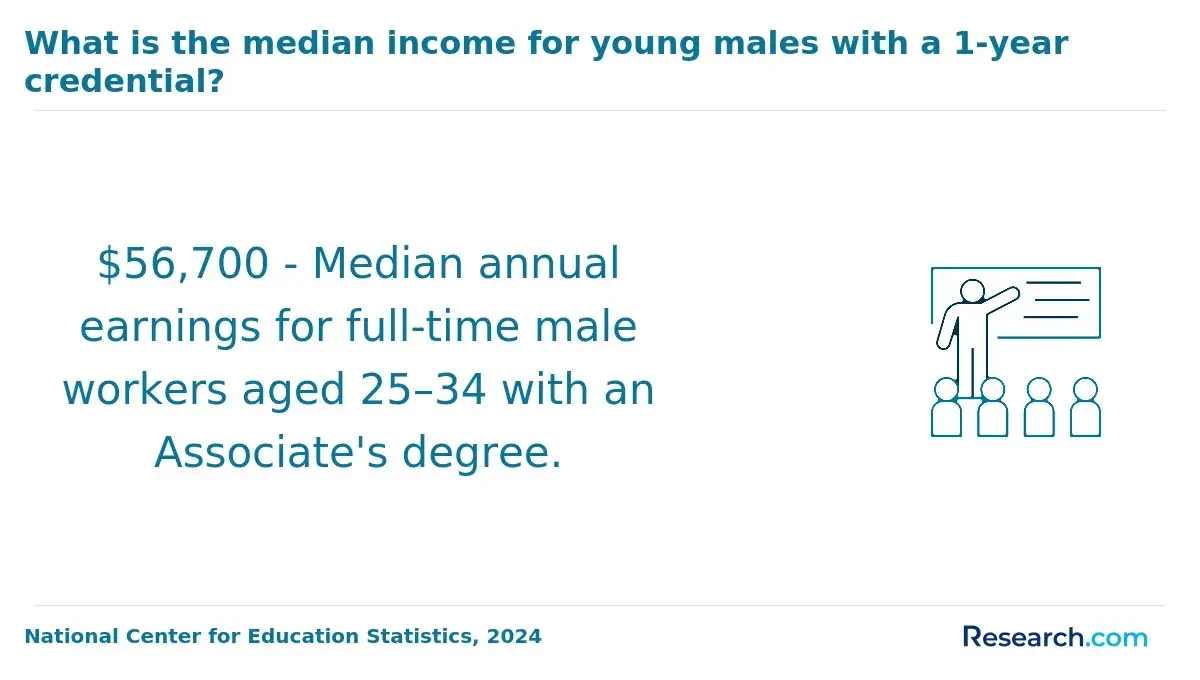
The easiest programs to enter are those whose published requirements fit your current credentials - not necessarily the easiest fields to study. An undergraduate pathway with broad admission may be more accessible to someone without a bachelor's degree. For a graduate applicant, a program offering conditional review may be more realistic than one with a firm GPA cutoff, provided its prerequisites are already met.
Do not confuse accessible admission with a short or inexpensive degree. Likewise, fast track career programs may have separate eligibility rules or assume prior credits. Compare what you must complete after admission, including foundation courses and placements. If the intended occupation does not require a master's, experience or a shorter credential may be the more proportionate next step.
Which certificate and associate programs offer strong career pathways?
Certificates and associate degrees can offer a practical starting point when a bachelor's degree is not yet in reach or a master's degree is unnecessary for your goal. Examples include IT support certificates, business or accounting certificates, and associate programs designed for transfer or specific technical occupations. Their value depends on employer requirements, hands-on preparation, and whether further credentials are needed.
Keep an academic certificate distinct from an industry certification and from a state license. If earnings are a priority, use certifications that pay well to identify options for further investigation, then check local job postings for required experience. Before choosing an associate degree, ask how its courses would apply to a future bachelor's program; credit acceptance does not guarantee that each course meets a major requirement.
What admission requirements matter besides GPA?
Besides GPA, graduate programs may review prerequisite grades, your completed bachelor's degree, recommendations, a statement of purpose, a résumé, an interview, or applicable professional experience. Technical fields may require mathematics or programming; nursing and other practice fields may require a license. GRE or GMAT policies vary, so check the current requirements for your program rather than assuming a test is required or waived.
If your record has improved, ask whether admissions evaluates your last coursework differently from your cumulative GPA and whether a retaken prerequisite counts. Request the conditional-admission terms in writing: which courses must you pass, what grades must you earn, and when will your status change? This makes an apparent admission opportunity comparable with an unconditional offer.
How much do low-GPA degree programs cost and how long do they take?
Cost and time depend on the credential, credits still required, enrollment pace, and program components. A master's may require foundation courses before graduate work; an associate or bachelor's route may take less time if eligible transfer credit applies. Published tuition alone omits mandatory fees, books, technology, travel, and placement expenses. Compare an affordable master degree against its full estimated cost for your circumstances, not just its advertised per-credit rate.
Ask for a degree audit and a written cost estimate covering remaining courses. Check residency-credit rules and whether previously completed coursework will satisfy specific requirements. Graduate and undergraduate aid eligibility can differ; submit the FAFSA when applicable, ask about scholarships or employer assistance, and compare borrowing with a slower part-time plan. A shorter schedule may increase the workload you must manage alongside employment.
What coursework do these degree programs typically include?
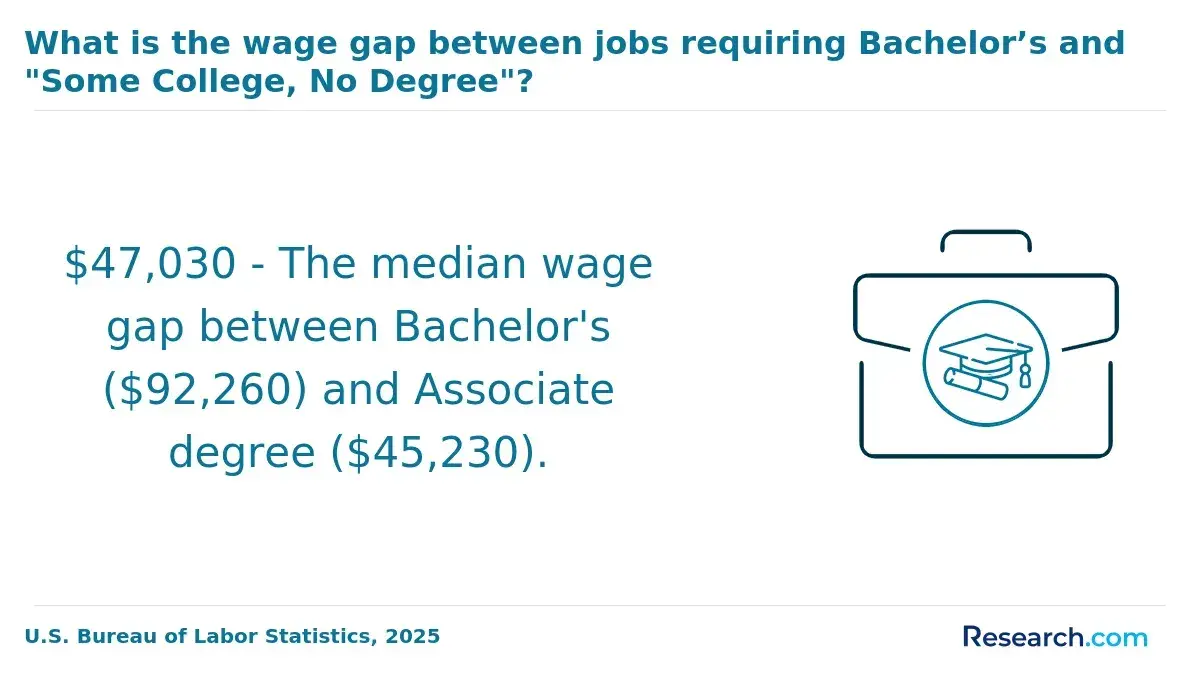
Coursework follows the field and credential. Business programs commonly combine financial and organizational subjects; computing programs emphasize technical projects; education programs may include teaching methods; and clinical or social work routes include supervised practice. Graduate study may culminate in a thesis, capstone, portfolio, comprehensive exam, or field placement. Missing foundations can add coursework before the advertised curriculum begins.
Request a sample course sequence, not just a course list. Check which classes are offered each term and whether you can complete a placement near home. An online lecture does not remove laboratory, clinical, internship, or student-teaching commitments. For a low-GPA applicant, the best academic fit is a program whose entry preparation and ongoing workload you can realistically meet - not simply one willing to issue an admission offer.
What careers and salaries can these programs lead to?
Career outcomes depend on the occupation, location, experience, and any required license - not on degree completion alone. The U.S. Bureau of Labor Statistics' 2024 occupational median wages provide context for two potential paths; they are not expected salaries for graduates of the programs discussed here.
| Occupation | 2024 U.S. median annual wage | Important qualification distinction |
| Registered nurse | $93,600 | Requires nursing education and RN licensure; an MSN alone does not create initial RN eligibility |
| Software developer | $133,080 | Employers assess technical skills and experience; a computer science master's is not universally required |
Use wages alongside entry requirements and job prospects, not as a return-on-investment promise. For instance, a healthcare administration degree does not qualify you as an RN, and a criminal justice master's does not bypass law-enforcement hiring standards. Compare likely roles with the program's full cost and the experience you already have.
How do you verify accreditation, licensing, and job outlook?
Verify claims for the exact program, credential level, and state where you plan to work. The following checks help prevent costly mistakes before you apply or enroll.
- Read the institution's current admissions and academic catalog pages; confirm the GPA rule, conditional-admission terms, prerequisites, and whether a separate department makes the final decision.
- Check institutional accreditation through the accreditor or the U.S. Department of Education's accreditation database; where relevant, confirm programmatic accreditation with the applicable accreditor.
- For a licensed occupation, ask the state licensing board whether the specific program meets its education requirements and what exams, supervised hours, or other steps remain.
- Use Bureau of Labor Statistics occupational profiles for wages, outlook, and typical entry requirements, then compare those findings with local job postings and the program's total cost.
Get consequential answers in writing, particularly about transfer credit, online placements, and licensure eligibility. Accreditation establishes an important baseline; it does not by itself guarantee admission, transferable credit, a license, or a job.
Other Things You Should Know About
Possibly. Some programs consider recent grades, experience, or conditional admission. Check the published rules for your specific program and ask which requirements are firm.
Consider retaking a required prerequisite if your grade falls below the program's minimum. Ask whether the new grade affects eligibility and whether the benefit justifies the added cost.
It may strengthen an application where holistic review is permitted. It generally cannot replace a required degree, license, prerequisite, or firm GPA minimum.
No. Delivery format does not indicate your admission history. An employer may still request transcripts, so focus on choosing an accredited program and building relevant skills.
References
- Fast Facts: Most common undergraduate fields of study (37) | ed.gov https://nces.ed.gov/fastfacts/display.asp
- Authorization vs accreditation | CT.gov https://portal.ct.gov/ohe/knowledge-base/articles/for-students/authorization-vs-accreditation
- Texas Direct - Texas Higher Education Coordinating Board https://www.highered.texas.gov/texas-direct/
- Types of Financial Aid: Grants, Work-Study, and Loans | studentaid.gov https://studentaid.gov/understand-aid/types
- Cost of Attendance (Budget) | 2025-2026 Federal Student Aid Handbook https://fsapartners.ed.gov/knowledge-center/fsa-handbook/2025-2026/vol3/ch2-cost-attendance-budget
- Associate to Bachelor's Degree Completion | Tiffin University https://go.tiffin.edu/bachelors-programs/associate-to-bachelors-degree-completion/
- Online Associate's Degree Programs (AS and AAS) | Purdue Global https://www.purdueglobal.edu/degree-programs/associates-degrees/
- Academic Rules - Course Catalog - Syracuse University https://courses.syracuse.edu/undergraduate/academic-rules
- Degree -CertReq | mclennan.edu https://www.mclennan.edu/catalog/requirements.html
- Why Is Accreditation Important? | ACE Blog https://ace.edu/blog/why-is-accreditation-important/


