2027 Best College Programs With Job Placement Support

Co-Founder and Chief Data Scientist
A college's career center can help you find an internship, but access to career services is not the same as getting hired. That distinction matters when you are weighing tuition against future work. The U.S. Bureau of Labor Statistics (BLS) reported a $93,600 median annual wage for registered nurses in May 2024, for example - but that occupational figure does not predict any nursing graduate's pay. This guide compares master's program families, shows how to test job-placement claims, and helps prospective students identify support worth paying for.
Key Things You Should Know
- The strongest option is a program that combines relevant training with documented, program-level career support - not merely a college-wide job board.
- Ask whether an employment rate counts all graduates, only survey respondents, or only graduates seeking work; those groups can produce very different results.
- Compare total cost and entry requirements with the occupation you want. A master's degree may support advancement, but some careers also require licensure, supervised practice, or prior experience.
Top 10 Best College Programs With Job Placement Support
Business Programs
An MBA or specialized master's in accounting, analytics, or finance may offer employer recruiting, alumni introductions, and internship support. Compare services for your specific degree and study format: evening and online students may have different access to recruiting events. An MBA often makes more sense for someone building on work experience than for someone expecting a management job immediately after graduation. Ask for program-level employment reports showing job function, prior experience, and survey response rates; a school-wide placement figure says little about your intended business role.
Healthcare Programs
Healthcare master's programs span health administration, public health, informatics, and clinical fields. Their career support should match their purpose: an MHA applicant may value hospital internships and administrator mentors, while an MPH applicant may need applied-practice placements and public-sector connections. A general healthcare degree does not qualify its holder for a licensed clinical occupation. Check whether the program arranges required fieldwork, whether students must find their own site, and whether its employer network includes the setting where you want to work.
Information Technology Programs
A master's in information technology, cybersecurity, or information systems can help professionals move toward technical leadership or a specialty. Look for career coaching that includes project portfolios, technical interviews, and introductions to employers hiring for your target role. Security and management positions commonly expect relevant experience; a graduate credential alone may not substitute for it. Confirm that courses cover current tools and that any advertised internship is available to students in your delivery format, particularly if you study online while working.
Computer Science Programs
A computer science master's may emphasize software engineering, AI, systems, or research. Choose a program whose projects and employer contacts fit the work you want, rather than assuming every specialization leads to the same jobs. Career support may include coding-interview preparation, research collaborations, or internship recruiting. Applicants without a computer science background should check foundation-course requirements, which can extend time and cost. A portfolio of completed work and relevant experience can matter alongside the degree when seeking software roles.
Nursing Programs
A master of science in nursing (MSN) can prepare registered nurses for advanced practice, education, or leadership, depending on the track. Admission generally requires nursing preparation and often an active RN license; advanced-practice tracks have additional clinical and certification requirements. Job-placement support is most useful when it includes help securing appropriate clinical sites, specialty mentors, and employers in the student's state. Verify that the track meets the licensing board's requirements where you intend to practice. An MSN by itself does not confer an advanced-practice license.
Psychology Programs
Master's programs in psychology serve different goals: research preparation, applied workplace roles, or a pathway toward further study. They should not be confused with counseling programs designed around a particular license. If independent clinical practice is your goal, check your state's education and supervised-practice rules before applying; a psychology master's may not meet them. Useful career support could include research placements, employer projects, or guidance on doctoral applications. Ask where recent graduates actually went, separating employment outcomes from admission to further education.
Education Programs
A master's in education may serve licensed teachers seeking advancement or candidates pursuing an initial teaching credential. Those paths have different admission, student-teaching, and state-approval requirements. Ask whether the program coordinates school placements and whether its career office works with districts in the state where you plan to teach. For an online degree, verify where supervised teaching must occur. Do not assume an education master's automatically leads to certification, a salary increase, or an administrator role; state rules and district pay policies differ.
Criminal Justice Programs
A criminal justice master's may support work in policy, corrections administration, analysis, or public-sector leadership. Employer panels and agency-linked projects can be more relevant than a generic campus recruiting fair. Many law-enforcement positions have separate academy, background, fitness, and experience requirements; a master's does not replace them. Compare outcomes by role, especially if you hope to change careers rather than advance within an agency. Public administration or data analytics may be a better fit when your target job emphasizes budgeting or quantitative analysis.
Engineering Programs
Engineering master's degrees can deepen a technical specialty or prepare experienced engineers for project leadership. Look for employer-sponsored projects, laboratory access, and recruiting in your discipline; support aimed at another branch of engineering may offer little value. Applicants changing fields should check mathematics and undergraduate engineering prerequisites. A master's degree is not itself a professional engineer license. If licensure matters to your goal, review your state board's education and experience rules, including how it treats your undergraduate degree.
Social Work Programs
A master of social work (MSW) combines coursework with supervised field education and may support a path toward clinical or other regulated practice. Programs accredited by the Council on Social Work Education (CSWE) are important to check when planning for licensure. Compare how schools find field placements, accommodate working students, and connect graduates with local agencies. Advanced-standing admission may be available to eligible graduates of qualifying social work bachelor's programs; it is not a shortcut offered to every applicant. Independent clinical practice typically requires further supervised experience and state licensure.
What Are College Programs With Job Placement Support?
College programs with job placement support are programs that offer help connecting education to work. Support may include career advising, résumé and interview coaching, employer recruiting, internships, clinical or field placements, alumni introductions, and job-search resources. These services differ from a placement guarantee: employers decide whom to hire, and students may need to meet separate licensing or experience requirements.
The most useful support is tied to the specific program and career goal. For example, arranging a suitable clinical site matters greatly in a practice-oriented degree, while access to technical projects and recruiters may matter more in computer science. Ask what the program provides directly, what is available only through a central career center, and what students must arrange themselves.
Which College Programs Offer the Best Career Outcomes?
No program family has the best outcome for everyone. A strong choice aligns its curriculum, experiential requirements, and employer connections with a job you can realistically pursue given your prior education and experience. The comparisons below show what to prioritize when evaluating master's programs; they are not employment-rate rankings.
| Program path | Career-support priority | Important trade-off |
| Nursing or social work practice | Suitable clinical or field placements and state-specific guidance | Licensure and supervised-practice requirements can continue after graduation |
| Business or health administration | Recruiting access and employer relationships in the intended sector | Leadership roles may depend heavily on prior experience |
| Computer science or IT | Portfolio projects, technical interview preparation, and relevant recruiting | Skills and work samples must match a competitive specialty |
| Education | School placements and connections with hiring districts | Credential rules and compensation vary by state and employer |
Favor a program with credible outcomes for people who entered with a background like yours. If you are changing careers, ask for career-changer outcomes rather than relying on results from graduates who were already working in the field.
How Do You Compare College Job Placement Rates?
A college job-placement rate is useful only when its definition is clear. Schools may measure employment shortly after graduation or much later, count any job or only field-related work, and report on all graduates or just those who answered a survey. A high reported rate based on a small group of respondents can be less informative than a lower rate with broad coverage.
Request the underlying report and compare these details before treating rates from different schools as equivalent:
- Identify the graduating class, measurement date, number of graduates, and number whose outcomes are known.
- Check whether the numerator includes full-time work, part-time work, further study, military service, or graduates who remained in jobs they held before enrolling.
- Look for results by program, campus or online format, and intended occupation rather than only an institution-wide total.
- Ask how outcomes were verified and whether salary figures represent all graduates, respondents, or a narrower employed group.
If a school cannot provide its method, do not assume its published rate predicts your chances. Compare its internship access, employer activity, and graduate destinations as separate evidence.
Which Accreditation Should a College Program Have?
Start by verifying that the institution is accredited by a U.S. Department of Education-recognized accreditor. Then check for programmatic accreditation when it matters to your intended credential or profession. For example, prospective MSW students should examine CSWE accreditation, while applicants to other licensed fields should confirm the standards accepted by the relevant state board. Institutional accreditation alone does not establish eligibility for every professional license.
Accreditation status can change, and approval for one degree or campus may not apply to another. Confirm the exact program and location with the accreditor and licensing authority before enrolling. If you are comparing accredited online colleges, check the specific degree as well as the institution.
Are Online College Programs as Effective as Campus Programs?
Online programs can provide effective career preparation when students receive meaningful instruction, access to support, and required practical experience. Format alone does not establish equivalent outcomes. Ask whether online students can attend recruiting events, meet employers remotely, use career coaching, and receive help locating internships or clinical sites near home.
Online also does not necessarily mean self-paced. Scheduled classes, fixed deadlines, labs, fieldwork, residencies, and state placement restrictions can affect whether a program fits your life. A self paced bachelor's degree may suit someone seeking undergraduate scheduling flexibility, but a prospective master's student must verify the actual schedule and in-person requirements of the graduate program under consideration.
What Degrees and Certificates Lead to In-Demand Careers?
The right credential depends on the entry requirements for the job - not simply which field is hiring. Registered nursing generally requires an approved nursing education pathway and licensure; social work practice roles may require an accredited degree and a state license. Software work can have several educational routes, though employers still assess technical ability and experience. A certificate can be useful for a defined skill, but it should not be treated as a substitute for a required professional degree.
If you do not yet hold an undergraduate degree, compare the best bachelor degrees to get against actual entry-level job requirements before budgeting for a master's. If you already have one, ask whether a specialized certificate, employer training, or work experience would meet your goal at lower cost.
What Do College Programs With Career Support Cost?
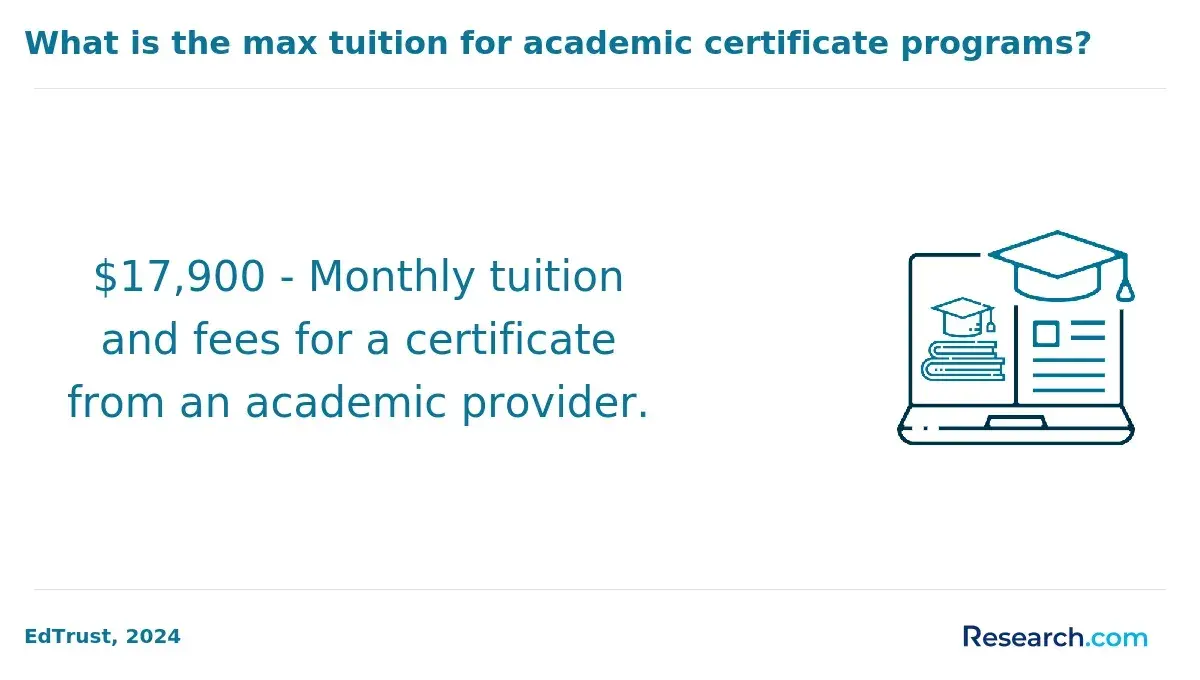
Compare total program cost, not just advertised tuition per credit. Graduate programs may add technology, laboratory, clinical, or differential fees; field placements and residencies may bring travel expenses or reduce time available for paid work. Required foundation courses can also increase the amount you pay. Ask each school for a written estimate based on your intended track, enrollment pace, and any credits it agrees to accept.
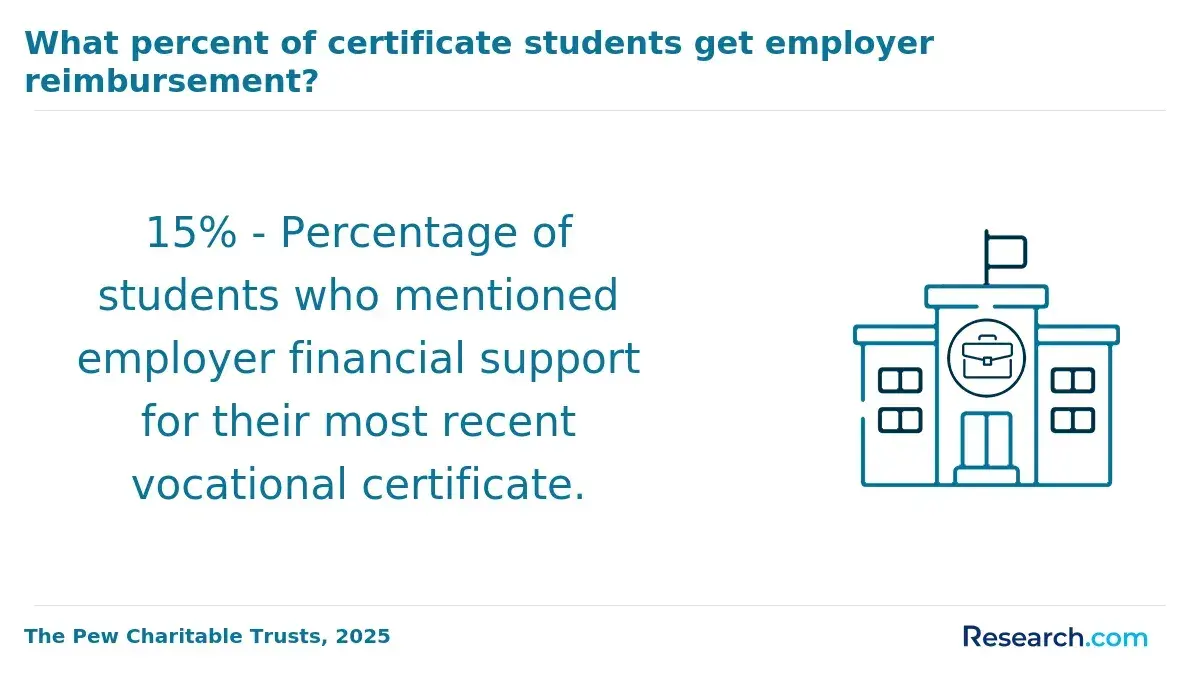
For context, federal financial aid eligibility depends on both the institution and the student's circumstances; acceptance of the FAFSA does not mean a particular graduate program will be inexpensive or that aid will cover every expense. An online college that accepts FAFSA may be a useful starting point for comparing aid access, but calculate your likely net cost and borrowing before committing. Employer tuition assistance and scholarships can change the comparison; confirm their terms rather than assuming they apply.
What Jobs and Salaries Can Graduates Expect?
Graduates may pursue roles ranging from software developer and health administrator to teacher, nurse, or social worker, depending on their preparation and credentials. Occupational wages describe workers already in those jobs - not the starting salaries or guaranteed outcomes of graduates. For example, BLS reported a May 2024 median annual wage of $93,600 for registered nurses. That figure includes experienced nurses and does not show what an MSN graduate will earn, or whether earning an MSN will increase an individual nurse's pay.
Use BLS occupation profiles to check typical entry education, duties, pay, and projected employment change for your target role. Then ask programs for recent graduates' job titles and locations. This helps distinguish a plausible career path from a promotional list of jobs that would require additional licensure, experience, or education.
How Can You Choose a Reputable College Program?
Begin with a target occupation, then work backward to its required credential and experience. Compare programs on both career fit and the support you can actually use. These checks help reveal common red flags before you make a deposit:
- Confirm institutional accreditation, relevant programmatic accreditation, and any state licensure eligibility for your intended location.
- Request program-level employment results and their methodology; be wary of a placement claim with no timeframe, denominator, or definition of employment.
- Ask who secures internships or clinical sites, whether online and part-time students receive the same help, and which employers recruit from the program.
- Get a personalized cost and completion estimate that accounts for prerequisites, course sequencing, accepted credit, required placements, and fees.
- Speak with recent graduates about the support they used and the jobs they sought, while recognizing that individual experiences are not a guaranteed outcome.
A reputable program should answer these questions clearly. If its strongest evidence is a broad ranking, a salary claim without a source, or a career-service benefit available only to some students, keep comparing.
Other Things You Should Know About
Usually not. It generally means access to services such as coaching, recruiting, and placement assistance. Ask the school to explain any stated guarantee in writing.
Both can help, but they measure different things. Check whether internships are available in your program and whether the reported rate includes graduates with backgrounds like yours.
It may, particularly if it supports local field placements and remote employer connections. Verify those services for online students before enrolling.
Not without comparing how rates were calculated, total cost, accreditation, and whether the program meets your target job's requirements.
References
- Students & Recent Graduates | U.S. Office of Personnel Management https://www.opm.gov/policy-data-oversight/hiring-information/students-recent-graduates/
- Post-Secondary Employment Outcomes Tool Shows What You Might Earn Depending on the College You Attend | Census.gov https://www.census.gov/library/stories/2022/06/job-and-earnings-prospects-by-college-and-degree.html
- Occupation Finder: Occupational Outlook Handbook | bls.gov https://www.bls.gov/ooh/occupation-finder.htm
- Certification Procedures - Questions and Answers http://www.ed.gov/laws-and-policy/higher-education-laws-and-policy/certification-procedures-questions-and-answers
- Fast Facts: Employment after degree (1157) | ed.gov https://nces.ed.gov/fastfacts/display.asp
- Gainful Employment & Placement Rate Methodology | NWC https://nw.edu/ge-placement-methodology/
- What is a Job Placement Rate? | Goodwin University https://www.goodwin.edu/glossary/job-placement-rate
- The Value of Career Services | naceweb.org https://www.naceweb.org/career-development/organizational-structure/the-value-of-career-services/
- New Report Outlines Path Forward on Job Placement Rates | The Institute for College Access & Success https://ticas.org/accountability/new-report-outlines-path-forward-job-placement-rates/