2027 Admission Requirements for Nutrition Degree Programs

Co-Founder and Chief Data Scientist
Competition for nutrition degree programs is intensifying as more students pursue careers in health and wellness. Recent data indicates that acceptance rates for these programs have dropped by nearly 22% over the past five years, reflecting growing demand. Understanding admission standards is crucial for applicants aiming to secure a place in this evolving field.
This article offers a detailed overview of the essential admission requirements that applicants must consider, providing clear insights to navigate the increasingly selective process with confidence and strategic planning.
Key Benefits of Nutrition Degree Programs
- Understanding admission requirements helps applicants tailor their academic records and extracurricular activities to meet competitive standards, with data showing that 60% of successful applicants to nutrition programs have completed relevant science courses like biology and chemistry.
- Knowing the prerequisites and GPA expectations allows students to better estimate their chances of acceptance, especially as nutrition programs experience a 10% annual increase in applications due to growing interest in health careers.
- Awareness of standardized testing policies and recommendation letters requirements can improve application quality, reflecting that 70% of nutrition degree programs in the U.S. value strong personal statements and reference letters in their holistic admissions process.
What GPA Do You Need to Get Into a Nutrition Program?
GPA remains one of the most important factors in college admissions because it provides a standardized metric to assess an applicant's academic readiness and ability to succeed in challenging coursework. However, GPA requirements can vary widely depending on the institution, program level, and how competitive nutrition programs are. Below is an overview of the typical GPA expectations and factors that affect admission decisions for nutrition programs.
Understanding these expectations can help applicants better target their goals and improve their chances of acceptance into nutrition degree programs in the United States.
- Minimum GPA Requirements: Many undergraduate nutrition programs set a minimum GPA threshold for admission, commonly ranging from 2.5 to 3.3 on a 4.0 scale. For example, some schools require a 2.5 GPA for transfer students, while more competitive programs mandate at least a 3.3 GPA to qualify.
- Competitive GPA Range: More selective nutrition majors and graduate-level programs often require a minimum GPA of 3.0 or higher. Programs accredited by the Accreditation Council for Education in Nutrition and Dietetics (ACEND) typically expect applicants to maintain these higher standards to demonstrate academic strength.
- Program Level Variations: Undergraduate programs in nutrition may accept slightly lower GPAs compared to master's or doctoral programs, which usually demand at least a 3.0 GPA. Applicants to advanced degrees should be prepared for stricter GPA requirements that reflect the rigor of graduate study.
- Online vs. On-Campus Programs: Online nutrition programs generally match the GPA expectations of traditional on-campus programs, though some may offer greater flexibility or holistic review processes that consider professional experience in addition to academic records.
- Strengthening Your Application: To improve the minimum GPA for nutrition degree programs, applicants should focus on achieving strong grades in prerequisite courses like biology and chemistry. Retaking courses to raise GPA and gaining relevant volunteer or professional experience can also help offset a marginal GPA.
- Continuous Evaluation: Many nutrition programs require students to maintain a minimum GPA throughout their studies to remain in good academic standing. Failure to do so may result in probation or dismissal from the major, underscoring the importance of sustained academic performance.
If you're interested in exploring the broader landscape of academic fields, you can learn more about college majors employment prospects which may help inform your decision when considering nutrition or related disciplines.
What Prior Education Is Required for a Nutrition Program?
Prior education plays a crucial role in determining eligibility for nutrition degree programs, as it establishes the foundational knowledge required to tackle rigorous coursework. These requirements differ significantly depending on the program level-undergraduate, graduate, or professional-reflecting the increasing depth and specialization.
Below is a summary of common educational prerequisites for nutrition programs, highlighting key insights on prior education expectations.
- Undergraduate Prerequisites: Most nutrition bachelor's programs require a high school diploma or GED, along with a minimum GPA typically between 2.5 and 3.0. Applicants usually need coursework in biology, chemistry, and mathematics from high school, and some programs mandate completion of specific introductory college-level science and nutrition classes before advancing to upper-division courses.
- Graduate-Level Expectations: Admission to master's or doctoral nutrition programs generally requires a bachelor's degree, often needing a GPA of 3.0 or higher. While degrees in nutrition or related fields like food science are preferred, many programs accept students from diverse academic backgrounds if they have completed prerequisite courses such as biology, chemistry, anatomy, and microbiology.
- Bridge and Foundational Coursework: Candidates lacking core prerequisites or a nutrition background may qualify for conditional admission. These students are expected to complete leveling or bridge courses either prior to or during their first semester, facilitating a smooth transition into nutrition studies even from unrelated fields.
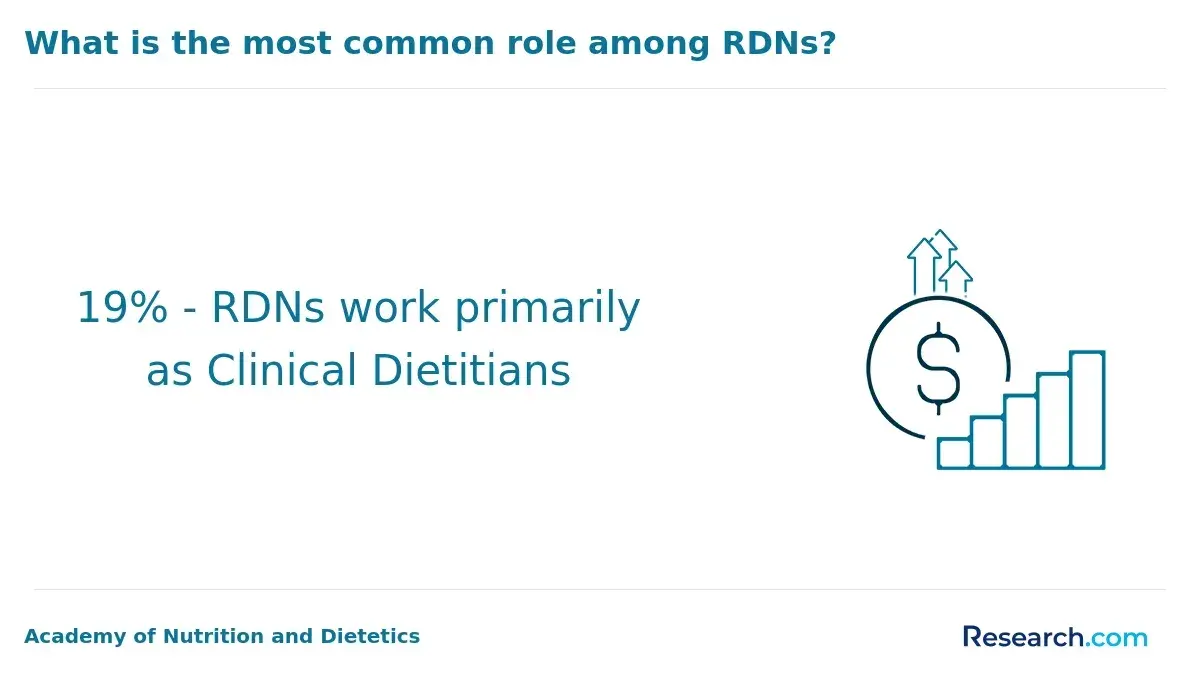
- Professional and Licensure-Oriented Pathways: Those aiming to become Registered Dietitian Nutritionists (RDNs) must now obtain a master's degree, complete an ACEND-accredited program, supervised practice, and pass a national exam. This path demands a strong foundation of undergraduate and graduate science and nutrition coursework to meet licensure requirements.
For applicants considering alternative routes to degree completion, understanding the easy AA degrees available might offer helpful options depending on prior education circumstances.
Do Nutrition Programs Require GRE, GMAT, or Other Standardized Tests?
Standardized tests such as the GRE (Graduate Record Examination) and GMAT (Graduate Management Admission Test) have historically played a significant role in graduate admissions, acting as key indicators of academic readiness and quantitative skills. However, evolving educational trends and concerns about accessibility and equity have led many nutrition programs to reconsider or altogether remove these requirements.
Current testing expectations for nutrition programs reflect this shift and are summarized as follows:
- GRE Requirements Vary Widely: Some nutrition programs continue to require GRE scores, especially at more competitive or research-intensive institutions. Others have made the GRE optional or waived it permanently, such as the University of Texas at Austin, which no longer reviews submitted GRE scores.
- Optional Submission and Holistic Review: Many programs now accept GRE scores on a voluntary basis, using them as supplementary rather than mandatory criteria. This flexible approach allows applicants to highlight strengths without penalizing those who choose not to submit scores, emphasizing GPA, experience, and recommendations more heavily.
- Specialized Exams Rarely Required: The GMAT is generally reserved for joint degree programs that combine nutrition with business administration, like MS/MBA tracks. Most standalone nutrition programs do not require the GMAT or similar specialized standardized tests.
- State and Institutional Exceptions: Certain programs, especially within specific states like California, may require alternative assessments such as writing proficiency exams. These exceptions are less common but important to verify when applying to individual schools.
- Trend Toward Accessibility: Surveys indicate that over 60% of U.S. graduate programs in health sciences, including nutrition, have made the GRE optional or eliminated it in recent years. This change reflects a commitment to reducing admission barriers and assessing candidates through broader, more inclusive criteria.
Applying to college or graduate nutrition programs typically requires submitting several documents that demonstrate your academic readiness, relevant experience, and overall potential fit for the program. These requirements can vary depending on the institution, degree level, and whether you are pursuing an online or on-campus nutrition degree.
Below is a summary of the most common application materials you may need to provide:
- Official Transcripts: Schools require transcripts from all postsecondary institutions attended to verify your academic background and performance. Most graduate programs expect a minimum GPA of around 3.0, while some undergraduate programs may allow slightly lower GPAs. Transcripts also confirm completion of prerequisite courses in subjects like chemistry, biology, and nutrition.
- Standardized Test Scores: Some graduate nutrition programs ask for GRE scores, although this is becoming less common. International applicants typically need to submit English proficiency test results, such as TOEFL or IELTS, with minimum score thresholds often specified.
- Personal Statement or Statement of Purpose: This essay gives you the opportunity to explain your career goals, motivation for studying nutrition, and how your background fits the program. Tailoring this statement to the specific program and highlighting unique experiences is highly recommended.
- Résumé or Curriculum Vitae: Many programs request a résumé that outlines your academic history, work experience, and relevant activities. Experience related to food, nutrition, or health fields can strengthen your application but may not always be mandatory.
- Letters of Recommendation: Typically, two to three letters are required from professors or supervisors who can attest to your academic abilities and potential for success in nutrition studies. Graduate programs often prefer at least two academic references.
International students applying to nutrition degree programs in the United States encounter additional admission requirements beyond standard academic qualifications. These include proof of English language proficiency and thorough verification of academic and financial documents. Such requirements are essential to ensure that applicants are prepared for rigorous U.S.-based coursework and meet both institutional policies and federal visa regulations.
To help navigate the process, here is a summary of the key admission requirements that international applicants should be prepared for:
- English Proficiency Proof: Non-native English speakers must typically submit scores from exams such as the TOEFL, IELTS, or Duolingo English Test. Most programs set minimum scores-usually around 80-100 TOEFL iBT, 7.0 IELTS, or 125 Duolingo-though online nutrition programs may sometimes accept slightly lower scores. Early preparation and testing are advisable to avoid visa processing delays due to insufficient language proof.
- Credential Evaluation: Degrees earned outside the U.S. often require evaluation by an approved agency to verify U.S. equivalency. This step ensures that an applicant's academic background aligns with U.S. educational standards, which is critical for admission and future eligibility for professional credentials in nutrition.
- Official Transcripts and Translations: Applicants must provide official transcripts from all previously attended post-secondary institutions. If these documents are not in English, certified translations are mandatory. Schools generally require transcripts to be sent directly from the issuing institution, so planning extra time for international delivery is necessary.
- Financial Documentation: To comply with U.S. regulations, proof of sufficient funds to cover tuition and living expenses is required. Applicants usually submit bank statements or financial guarantee letters as part of admission and visa application processes.
- Visa-Related Forms (I-20/DS-2019): After admission and financial verification, students receive visa forms such as the I-20 for F-1 visas or DS-2019 for J-1 visas. Early and timely submission of these documents is crucial to prevent delays in obtaining the appropriate student visa.
- Other Program-Specific Requirements: Some nutrition programs request additional materials like a statement of purpose, letters of recommendation, or interviews. These components often assess motivation, career goals, and fit for studying nutrition in the U.S.
Professional experience can significantly influence admission decisions for nutrition programs, particularly at the graduate level. Many schools value applicants who bring relevant background and practical skills gained through work, internships, or volunteer roles. While some programs list experience as "recommended," others treat it as a core admission requirement.
Below are key ways professional experience factors into admissions for both online and on-campus nutrition programs:
- Minimum Experience Requirements: Certain graduate programs, such as MPH or MS degrees, require 1-2 years of paid or volunteer work in nutrition or public health to demonstrate readiness and align with career goals. Advanced certifications like the Certified Nutrition Specialist (CNS) also mandate supervised practice hours as part of credentialing.
- Experience as a Competitive Edge: Even when not strictly required, relevant work sets applicants apart in competitive fields. Hands-on involvement in clinical, community, or research settings can boost admission chances, given the challenging match rates for dietetic internships and coordinated programs.
- Integration into Application Materials: Applicants should highlight their professional experience carefully in resumes, personal statements, and recommendation letters. Admissions committees look for evidence of leadership, teamwork, and practical understanding of nutrition practice environments.
- Varied Expectations by Program Format: Online programs often accommodate students currently working in the field, accepting ongoing professional engagement as part of admissions review. In contrast, on-campus programs may require prior internships or fieldwork with verification through references or documentation.
- Preparation for Supervised Practice: For programs leading to the Registered Dietitian Nutritionist (RDN) credential, relevant work experience can help applicants better prepare for intensive supervised practice placements. Schools may favor candidates demonstrating prior involvement in nutrition-related roles.
Many universities in the United States tailor their admission standards based on a program's concentration or specialization area within nutrition. While core requirements such as minimum GPA, prerequisite coursework, and standardized test scores generally remain consistent, concentrations that are research-heavy or technically focused often demand additional prerequisites, specialized coursework, or relevant professional experience. This approach allows programs to align their expectations with the skills needed for each specific career path.
Below are key ways nutrition program admission requirements can differ by concentration:
- Technical or Research-Focused Tracks: Programs emphasizing nutrition science or biochemistry typically require advanced courses in chemistry, biology, and mathematics. Applicants are often expected to have completed upper-division coursework in subjects like organic chemistry and human metabolism within recent years. Prior laboratory or research experience is highly valued to demonstrate readiness for rigorous scientific study.
- Dietetics and Clinical Nutrition: These tracks usually require prerequisite courses in medical nutrition therapy, anatomy, and physiology. Proof of supervised practice hours or fieldwork experience is often necessary, especially for those aiming to become Registered Dietitian Nutritionists, reflecting the practical clinical skills demanded in this field.
- Community, Public Health, or Wellness Concentrations: Admission criteria here may prioritize communication, behavioral sciences, and public health coursework over hard sciences. Experience in community outreach or leadership in virtual environments is considered important, especially for online applicants who must show self-direction and the ability to engage effectively in remote settings.
- Food Systems and Policy: Some programs in this area accept applicants from diverse academic backgrounds but require foundational nutrition courses before enrollment. Preference is often given to candidates with experience in public policy, agriculture, or environmental health to support interdisciplinary approaches to food systems and sustainability.
- Online vs. On-Campus Programs: While admission standards commonly align, online formats frequently emphasize self-directed learning, time management, and strong communication skills. Applicants with prior success in distance education or professional roles demanding autonomy may be more competitive for certain online concentrations.
Prospective students interested in nutrition program admission requirements by concentration should carefully review individual program guidelines and consider seeking advising to ensure alignment with their background and goals. For those exploring flexible learning options, accelerated master's programs online can offer pathways that accommodate professional and personal commitments.
Most universities maintain consistent admission standards for both online and on-campus nutrition programs to ensure academic consistency and credential equivalence. However, some variations exist due to differences in student demographics, program delivery methods, or requirements for experiential learning components. These distinctions affect how applicants prepare and apply depending on their chosen format.
The following points summarize the primary similarities and differences in admission criteria, highlighting key areas of overlap and variation between online and on-campus programs:
- Core Academic Standards: Both online and on-campus formats typically require a relevant undergraduate degree, such as in nutrition, biology, or related health sciences, accompanied by a minimum GPA threshold. For example, many online nutrition degree program admission requirements include a minimum GPA of 3.0, aligning closely with on-campus expectations, though conditional admittance may sometimes be granted for slightly lower GPAs.
- Prerequisite Coursework: Applicants to either delivery method generally must complete prerequisite courses like basic nutrition, statistics, or biology with a grade of B or higher. These prerequisites ensure foundational knowledge and are enforced similarly across formats.
- Application Materials: Submission of official transcripts, letters of recommendation, and a statement of purpose are standard for both types of programs. While online programs may offer a more streamlined digital application process, the required documentation remains essentially the same.
- Experiential Learning and In-Person Components: Some online programs include mandatory in-person internships or practicums to meet professional certification or licensing requirements. This is a key difference between on-campus and online nutrition program admissions, as on-campus students often complete experiential learning on-site, while online students must arrange local supervised experience if required.
- Testing and Interview Requirements: Standardized tests like the GRE are increasingly optional across both formats. However, certain online programs may require proctored exams or virtual interviews to verify identity and uphold academic integrity, reflecting a minor divergence in admission processes.
Students interested in shorter pathways that lead to strong employment prospects might explore quick courses that pay well as alternatives or supplements to traditional nutrition degree programs.
Prospective students interested in nutrition programs can apply for federal financial aid for nutrition students, including the Free Application for Federal Student Aid (FAFSA), before they are formally accepted into a program. Completing the FAFSA early provides several advantages: it helps applicants estimate their potential funding options and understand the costs associated with different institutions.
Early submission also allows students to meet various federal and institutional deadlines, many of which occur well before college admission decisions are finalized. This timing enables applicants to compare aid offers and make more informed decisions about their education pathway.
There are some limitations when applying for financial aid before nutrition program acceptance. Certain scholarships, grants, or program-specific awards require formal admission before a student becomes eligible. While the FAFSA lets students list multiple schools they are considering, final aid packages are typically confirmed only after acceptance and enrollment verification.
Applicants should maintain contact with each school's financial aid office and align their financial aid timelines with admission decisions to avoid missing important deadlines. For those exploring options, selecting online universities that are nationally accredited can also expand access to funding and program availability.
Timing plays a crucial role in the nutrition application process because many programs have strict deadlines and limited spots. Starting your application early not only improves your chances of acceptance but also enhances your eligibility for financial aid, as scholarships and assistantships are often awarded to applicants who meet priority deadlines. In fact, nearly 40% of four-year colleges in the U.S. now offer early application options, showing a clear trend toward earlier college application cycles.
To maximize your opportunities, it is important to begin preparing at least 12 months before your intended start date. Whether applying to online or on-campus nutrition programs, application portals usually open in late summer or early fall. Priority deadlines commonly fall between October and December, while final deadlines often extend from January to February of the following year.
To meet these timelines, students should carefully plan several key milestones. This includes researching program prerequisites and admission criteria, such as minimum GPA and required coursework. Equally important is requesting transcripts and recommendation letters early, since these documents can take weeks to process. Preparing personal statements and essays tailored to each program's culture and values is another essential step. Additionally, submitting financial aid applications promptly is critical because some funding is allocated on a first-come, first-served basis and must align with institutional and federal deadlines.
Starting the application process early allows for greater flexibility in handling potential delays with transcripts or recommendations and provides ample time to refine your materials. Ultimately, early preparation reduces stress and helps applicants submit their strongest possible nutrition program applications.
Here's What Graduates of Nutrition Programs Have to Say About Their Degree
- Bruce: "Completing my nutrition degree opened so many doors I never expected. The hands-on experience with community health programs allowed me to see firsthand the impact I could have by promoting better eating habits among children. It was challenging but incredibly rewarding to turn my passion into a stable career, especially knowing I'm contributing to long-term wellness. The program's strong network helped me land a role in public health shortly after graduation, which feels like the perfect fit for my skills and values. "
- Stephanie: "Earning a nutrition degree was a profound journey of both personal and professional growth. Aside from mastering the science of food and metabolism, I developed a deeper empathy for individuals struggling with dietary issues and chronic illnesses. This degree gave me credibility in clinical environments and allowed me to influence patient care plans directly, which is truly fulfilling. The challenges of balancing theoretical knowledge with real-world applications made me a better, more thoughtful practitioner. "
- Randy: "My nutrition degree has been instrumental in advancing my career with opportunities I hadn't imagined before. I especially appreciate the emphasis on evidence-based practice and research that prepared me to take on leadership roles in wellness programs. What stands out most to me is how the program fostered professional development through seminars and internships, making me confident in navigating my field's ever-evolving landscape. It's empowering to be part of a profession that genuinely improves community health outcomes. "
Other Things You Should Know About Nutrition Degree Programs
To apply for a nutrition degree program in 2027, applicants typically need a high school diploma or equivalent. Additionally, many programs prefer candidates with coursework in biology, chemistry, and health sciences, alongside a satisfactory GPA, often above 3.0. Each institution may have specific requirements, so prospective students should check individual program criteria.
In 2027, most nutrition degree programs require a minimum GPA of 3.0 for undergraduate entry. Graduate programs may demand a higher GPA, often around 3.5, to ensure candidates are well-prepared for advanced coursework and research opportunities.
Applicants are often required to have completed prerequisite courses like biology, chemistry, and human anatomy before admission to a nutrition degree program in 2027. These foundational sciences ensure students possess essential knowledge for the program's advanced curriculum.
- Scholarships and Financial Aid https://cals.ncsu.edu/food-bioprocessing-and-nutrition-sciences/students/scholarships/
- Registered Nutritionist (RNutr) - Association for Nutrition https://www.associationfornutrition.org/register/apply-registration/apply-rnutr
- How to Become a Nutritionist: Your Step-by-Step Career Guide | College of Life Sciences and Agriculture https://colsa.unh.edu/blog/2024/04/how-become-nutritionist-your-step-step-career-guide
- How Long to Become a Nutritionist 2025 | Timeline https://www.nutritioned.org/how-long-does-it-take-nutritionist/
- Bachelor of Human Nutrition (686AA) - University of Canberra https://www.canberra.edu.au/course/686AA/7
- Common App. (2024). Common App data shows increase in applicants and applications for 2023-2024 season. https://www.commonapp.org/blog/common-app-data-shows-increase-applicants-and-applications-2023-2024-season
- Bachelor of Human Nutrition https://www.vu.edu.au/courses/bachelor-of-human-nutrition-hbnt/international
- Academy of Nutrition and Dietetics. (2024). Compensation & Benefits Survey of the Dietetics Profession 2024. https://www.cdrnet.org/vault/2459/web//Compensation%20Benefits%20Survey%20of%20the%20Dietetics%20Profession%202024-TOC_Exec%20Sum.pdf