2027 Nutrition Degree Programs With No GRE or GMAT Requirements

Co-Founder and Chief Data Scientist
Prospective students often face significant barriers when applying to nutrition degree programs due to mandatory GRE or GMAT requirements, which can delay or deter enrollment. For example, over 40% of applicants report test anxiety or financial constraints as primary obstacles during admissions. This challenge disproportionately affects working professionals and nontraditional students seeking career advancement in nutrition.
As the demand for qualified nutritionists is projected to grow by 8% through 2030, accessible admissions processes become critical. This article examines nutrition degree programs that waive GRE or GMAT scores, highlighting how these policies improve accessibility and streamline entry for diverse candidates.
Key Benefits of Nutrition Degree Programs with No GRE or GMAT Requirements
- Nutrition degree programs without GRE or GMAT requirements increase accessibility for working adults and nontraditional students by removing standardized test barriers.
- Applicants save time and money by avoiding costly and time-consuming test preparation and registration fees.
- Admissions focus more on academic history and relevant experience, supporting a holistic review that better reflects candidate potential and career readiness.
What does "No GRE or GMAT required" mean for a nutrition degree?
Many nutrition degree programs have eliminated GRE or GMAT requirements, a shift embraced by nearly 70% of graduate programs to improve accessibility. This change reduces barriers such as test prep time, expense, and anxiety, making it easier for prospective students to apply. Such no-test admissions policies highlight alternative ways programs assess candidates beyond standardized exams.
Several points illustrate how these no GRE or GMAT requirements influence nutrition degree admissions:
- Eligibility Criteria: Admissions often focus on undergraduate coursework rigor, relevant professional or volunteer experience, and prerequisite completion instead of test scores.
- Admissions Evaluation: Committees typically perform holistic reviews emphasizing GPA, recommendation letters, personal statements, and sometimes interviews.
- Academic Preparedness: Even without tests, students must demonstrate foundational knowledge through transcripts and prior education.
- Impact on Competitiveness: While removing standardized tests widens the applicant pool, programs may intensify scrutiny of other application components to maintain standards.
- Optional Test Submissions: Some nutrition degree programs without GRE requirements still allow submitting scores if applicants believe it strengthens their case.
Prospective students interested in advanced nursing alongside nutrition might consult the list of online DNP programs for options. Considering nutrition degree programs without GRE requirements and no GMAT admission policies for nutrition schools can open doors to graduate study without the pressure of standardized testing.
What types of nutrition programs have no GRE or GMAT requirements?
Standardized test requirements like the GRE or GMAT vary across nutrition degree programs due to differences in program format, target student demographics, and admissions priorities. Some programs intentionally waive these tests to increase accessibility for working professionals and career changers.
Several types of nutrition programs tend to have no GRE or GMAT requirements. These include:
- Online Programs: These master's in nutrition or dietetics cater to professionals seeking flexible, part-time study options. By eliminating standardized testing barriers, they attract students who prioritize practical experience and convenience over traditional admissions metrics.
- Accelerated Combined Degrees: Bachelor's to master's programs designed for students with demonstrated academic success often waive GRE/GMAT requirements. This approach prioritizes prior coursework and performance rather than additional exams.
- Applied or Clinical Programs: Programs that emphasize hands-on skills often recommend portfolios or interviews instead of standardized tests. They focus admissions on real-world readiness and professional competencies.
- Post-Baccalaureate Certificates: These emphasize skill development over conventional graduate admissions criteria, making testing requirements less relevant.
Such programs use holistic evaluation methods to assess applicants' potential beyond standardized scores, thereby promoting diversity and practical preparedness in the nutrition field. Prospective students looking for online nutrition graduate programs no GMAT needed will find these options particularly appealing.
For those comparing different healthcare-related degrees with flexible admissions, exploring the options in DNP programs can provide additional context on accessible pathways.
What do schools look at instead of the GRE or GMAT for nutrition admissions?
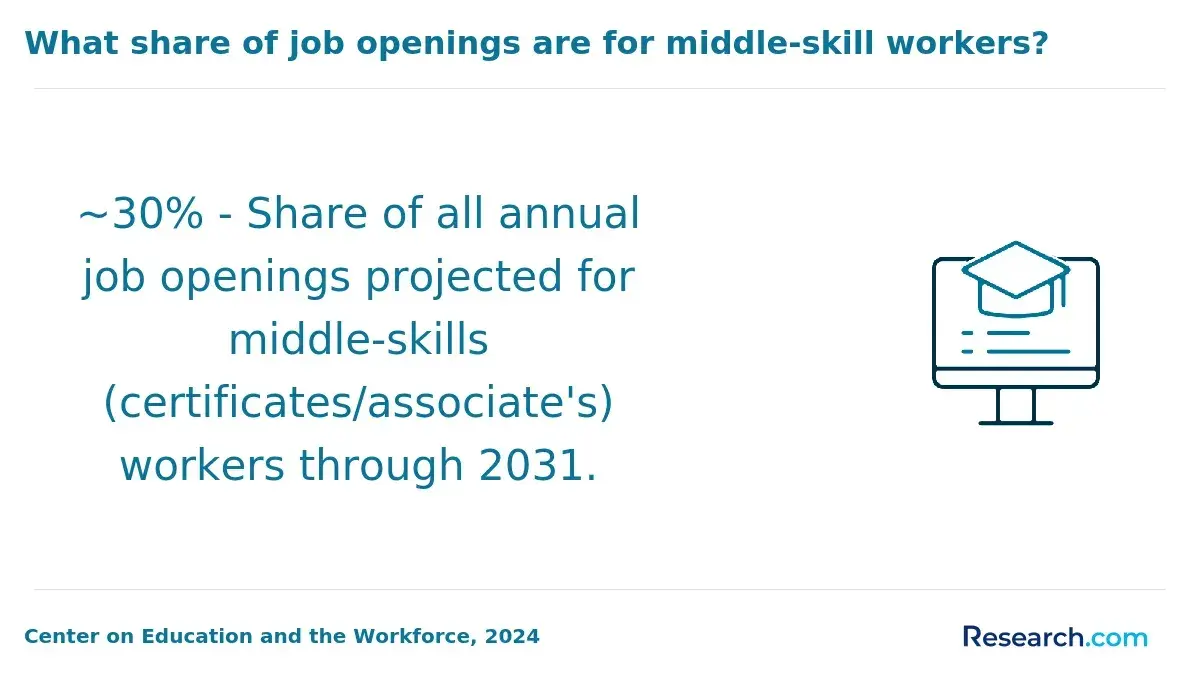
Many nutrition programs have moved away from requiring GRE or GMAT scores to make admissions more inclusive, recognizing that standardized tests may not fully capture a candidate's potential. A recent survey found that nearly 60% of nutrition programs now use test-optional or test-waiver policies, reflecting a shift toward holistic application evaluation. This change aligns with broader trends seen in application evaluation without GRE or GMAT results.
Schools instead assess candidates based on several important factors that indicate academic strengths and program fit, including:
- Undergraduate GPA: This metric highlights steady academic performance, especially in science and nutrition-related subjects. A strong GPA assures committees of the applicant's foundational knowledge and ability to handle graduate-level coursework.
- Letters of Recommendation: Recommendations from professors or employers provide insight into an applicant's skills, work ethic, and suitability for advanced study in nutrition.
- Personal Statement or Essay: This allows applicants to express their goals, experiences, and passion for the field, giving committees a clearer picture of motivation and commitment.
- Relevant Work or Volunteer Experience: Practical involvement in nutrition or healthcare settings demonstrates readiness and understanding of professional environments.
- Interview Performance: When used, interviews help assess communication skills and critical thinking, which are vital for success in nutrition programs.
For those exploring their options, comparing these admissions criteria with other fields can provide perspective, such as looking into easy nursing programs to get into.
Some nutrition degree programs offer GRE or GMAT waivers to applicants whose qualifications or circumstances suggest standardized tests may not fully capture their potential for graduate success. These waivers aim to broaden access by recognizing other forms of achievement and experience.
Applicants who typically qualify for such waivers include:
- Professional Experience: Candidates with extensive work history in nutrition or related health sectors can often bypass test requirements, as practical expertise is seen as a strong indicator of readiness.
- Advanced Degrees: Holding a previous graduate degree, such as a master's or doctorate, often qualifies an applicant for a waiver, reflecting demonstrated scholarly ability.
- Strong Academic Record: A high undergraduate GPA, frequently above 3.0 or 3.5, signals consistent academic performance that may reduce the need for standardized testing.
- Current Enrollment: Students already pursuing nutrition or allied programs at the institution sometimes receive waivers, relying on their ongoing coursework to assess skills.
- Special Circumstances: Some programs grant waivers due to factors like veteran status or financial hardship, acknowledging barriers that might limit test-taking feasibility.
One graduate of an online nutrition program without GRE or GMAT prerequisites shared his experience. He described feeling relieved at the waiver option since standardized tests had always caused him stress and anxiety. Rather than focusing on exam preparation, he could concentrate on building his professional knowledge right away.
He recalled the application process being straightforward, with clear guidance on submitting proof of his work experience. "It felt like the program valued my background and potential, not just a test score," he noted, highlighting how the waiver boosted his confidence in pursuing graduate education despite prior concerns.
Applicants often question whether nutrition degree programs that do not require GRE or GMAT scores offer the same level of academic rigor as those that do. These concerns typically revolve around whether omitting standardized tests compromises the quality of education.
Below are key factors comparing course requirements in no-GRE or GMAT nutrition programs versus traditional ones:
- Curriculum Consistency: Regardless of testing policies, most programs carefully craft their coursework to align with industry standards, ensuring students engage with essential nutrition topics thoroughly and effectively.
- Learning Objectives: Both types of programs set clear goals for mastering knowledge and skills related to nutrition science, counseling, and research techniques, maintaining comparable expectations for student achievement.
- Faculty Involvement: Experienced educators are involved in designing and delivering courses across all programs, helping to uphold consistent academic quality and ensuring that content remains relevant and rigorous.
- Evaluation Strategies: Rather than relying on standardized test scores, programs emphasize varied assessments such as projects, exams, case studies, and hands-on experiences to gauge students' applied understanding.
- Program Rigor: Although GRE or GMAT requirements may be waived, comprehensive admissions reviews and demanding coursework together ensure that educational standards continue to be met.
Nutrition degree programs that do not require GRE or GMAT scores can maintain strong academic quality and legitimacy through established accreditation processes. Accreditation focuses on evaluating curriculum rigor, faculty expertise, and student outcomes rather than admissions testing criteria.
In recent years, many accredited nutrition programs have embraced test-optional policies to broaden access without sacrificing educational standards. This shift reflects a growing trend among institutions to balance inclusivity with academic excellence.
For nutrition programs, accreditation may occur at both the institutional level and through specialized programmatic agencies dedicated to nutrition education. These accreditations ensure that programs meet defined standards regardless of admissions test requirements.
Prospective students should confirm a program's accreditation status by consulting official accrediting organizations' websites, which provide reliable verification of legitimacy and quality. This helps applicants make informed decisions when considering no-GRE or GMAT options.
Standardized testing fees typically hover around $205 for exams like the GRE or GMAT, not including additional costs related to prep materials or registration changes. For many prospective nutrition students, eliminating these expenses through waivers can significantly reduce upfront application costs. Several considerations impact whether this saving translates into a lower total cost of pursuing a nutrition degree:
- Testing and Prep Savings: Skipping the GRE or GMAT removes costs for test registration and often pricey preparation courses or materials, easing immediate financial burdens.
- Application Processing Time: Programs without testing requirements may allow faster submission and enrollment, which can reduce indirect costs such as lost wages during prolonged application periods.
- Tuition and Fees: Some institutions may compensate for waived tests by charging higher tuition or administrative fees, potentially offsetting initial savings.
- Financial Aid Impact: Waiving standardized tests might affect eligibility for scholarships or assistantships that require score submission, possibly influencing net program expenses.
- Admissions Competition: Easier entry criteria may lead to increased applicant numbers, which can affect acceptance rates and potentially delay the start of studies if multiple applications must be considered.
When I spoke with a graduate of a nutrition program that did not require GRE or GMAT scores, she described relief at avoiding the stress and cost of these exams but noted her journey wasn't without challenges.
"Not having to prepare for and take the GRE saved me hundreds upfront, which was a real help," she explained. However, she also mentioned a heightened sense of competition since the program attracted many applicants. "I had to be strategic in highlighting my experience and letters of recommendation to stand out," she reflected.
Despite this, she found the streamlined admissions process allowed her to start sooner than she expected, ultimately helping reduce time away from work. Her experience suggests that while waiving test requirements eases some financial strain, success in admissions and overall cost savings depend on carefully managing other factors involved in the application and enrollment process.
Time to graduation is a crucial consideration for prospective students in nutrition degree programs because it affects financial investment and how quickly one can enter the workforce.
Recent trends show that the average time to complete a master's degree in health-related fields, including nutrition, is typically 2 to 3 years, with retention rates influenced by program rigor and student preparedness. Several factors influence graduation timelines when considering nutrition degree graduation timelines without GRE or GMAT requirements. These factors include:
- Admissions Readiness: Students admitted without GRE or GMAT scores often present alternative qualifications such as prior academic achievement or professional experience. These indicators can effectively predict the likelihood of completing the program on time despite the absence of standardized test metrics.
- Course Sequencing: Programs that structure courses with clear prerequisites and cohort-based progression models help students move smoothly through required classes. Efficient sequencing minimizes delays and supports timely degree completion.
- Academic Support Structures: Tutoring, advising, and flexible scheduling are essential for helping students maintain steady academic progress. This support is especially critical for working professionals balancing education with other responsibilities.
- Student Demographics: Enrollment status, such as part-time versus full-time, significantly impacts graduation timelines. Part-time students frequently require additional years to finish their studies compared to full-time peers.
- Program Format: Online, hybrid, or in-person formats offer varying degrees of flexibility, affecting how quickly students complete their nutrition programs. This factor plays a central role in the impact of no GRE GMAT requirements on nutrition program completion.
For those exploring accessible nutrition programs, considering these elements can clarify how admissions policies influence academic outcomes. Additionally, prospective students interested in other healthcare fields might find valuable options by researching more on affordable NP programs.
Many prospective students wonder if employers care whether a nutrition degree program required GRE or GMAT scores during admission, as these tests have long been seen as indicators of academic rigor. A survey by the Council of Graduate Schools reported that over 60% of graduate programs in health sciences, including nutrition, have adopted test-optional policies, reflecting a broader change in employer hiring preferences.
Here are key points on how employers view nutrition degrees without standardized test requirements:
- Practical Experience: Employers generally prioritize internships and relevant work experience more than GRE or GMAT requirements. Hands-on experience demonstrates a candidate's ability to apply nutrition knowledge effectively in real settings.
- Skill Certification: Credentials like Registered Dietitian licenses carry greater weight than admission tests because they validate professional competency and specialized training.
- Program Reputation: The accreditation and perceived rigor of the nutrition program itself often influence employer perceptions more than whether the program mandated a standardized test.
- Assessment Methods: Interviews, portfolios, and skill evaluations are commonly used by employers to assess suitability, reducing reliance on standardized test scores.
- Industry Norms: The nutrition and health sectors emphasize ongoing professional development and practical skills over standardized exam results, aligning with the impact of no GRE or GMAT on nutrition job prospects.
Students exploring options should also consider affordability and accessibility in their education journey, including alternatives such as the cheapest RN to BSN online pathways, which reflect similar trends in test-optional admissions and emphasize practical qualifications. This perspective helps clarify employer views on nutrition degrees without standardized tests and supports informed decision-making.
Prospective nutrition students often worry that choosing no-GRE programs could affect their future earnings. Labor-market data reveals that graduates from nutrition programs requiring the GRE earn about 8% more on average within five years than those from no-GRE programs. Several factors contribute to these salary differences.
Key influences include:
- Program Reputation: Graduates from prestigious or well-established nutrition programs tend to receive higher salaries due to employer perceptions of quality education and training.
- Work Experience: Practical internships and supervised hours provide valuable skills and networking opportunities that improve employability and potential earnings regardless of GRE requirements.
- Skill Development: Specialized expertise in areas like clinical nutrition or food science can significantly boost a graduate's market value and salary prospects.
- Industry Demand: Job availability and salary levels vary across regions, with some states and metropolitan areas offering more lucrative positions in nutrition-related fields.
- Geographic Variation: Cost of living and local market dynamics influence pay scales, causing notable salary disparities between different locations.
What Graduates Say About Their Nutrition Degree Program with No GRE or GMAT Requirements
- Jack: "Choosing a nutrition degree program without GRE or GMAT requirements was a game-changer for me. It made pursuing my passion more accessible and affordable, especially since the average cost was considerably lower than other programs I researched. Graduating has not only boosted my confidence but also opened doors to work directly with clients in wellness coaching. "
- Allen: "I took the path of a nutrition degree without the hassle of GRE or GMAT exams mainly due to the flexibility it offered. The reasonable tuition costs allowed me to focus more on learning than worrying about student debt. Since graduating, I've gained valuable roles in clinical nutrition, proving that skipping standardized tests didn't hold me back professionally. "
- Scott: "From a professional standpoint, enrolling in a nutrition degree that didn't require GRE or GMAT was a strategic decision. It eliminated unnecessary barriers and kept my education affordable, aligning well with the average cost of similar programs. Completing the degree has significantly enhanced my credibility, helping me advance in the healthcare industry confidently. "
Other Things You Should Know About Nutrition Degrees
In 2027, nutrition degree programs without GRE or GMAT requirements typically evaluate applicants based on their academic records, professional experience, personal statements, and letters of recommendation. Some programs may also consider relevant certifications or interview performances in the admissions process.
Yes. Many 2027 nutrition master’s programs grant GRE waivers when applicants have a 3.0 GPA or higher, relevant coursework, or professional experience. Schools usually list the waiver policy in the admissions section, and no national testing body requires the GRE for nutrition graduate admission.
- Affordable Online MBAs, No GMAT Needed | OnlineMBA.com https://www.onlinemba.com/rankings/affordable-online-mba/no-gmat/
- Graduate Admissions Criteria | Texas Woman's University https://twu.edu/graduate-admissions-criteria/
- 40 Institutions offering Nutrition / Dietetics Courses Abroad https://www.hotcoursesabroad.com/study/training-degrees/international/nutrition-dietetics-courses/cgory/nh.2-4/sin/ct/programs.html
- Nutritionist Salary 2025: RD Pay by State & Experience https://www.nutritioned.org/nutritionist-salary/
- Top 4 Masters in Nutrition Degrees with No GRE | HealthGrad https://www.healthgrad.com/physical-health/no-gre-masters-nutrition-degree/
- Master of Science in Health Sciences with a concentration in Nutrition https://link.utrgv.edu/mshs-nutrition-online/
- BSc (Hons) in Nutrition https://www.nottingham.edu.my/ugstudy/course/nutrition-bsc-hons