2027 Best Online Degree Programs With Evening Classes

Co-Founder and Chief Data Scientist
Can you earn a master's degree without repeatedly missing work or rearranging family responsibilities? An online program with evening classes may help, but "online" does not necessarily mean that live meetings happen after work - or that every requirement can be completed from home. Career fit matters, too: the U.S. Bureau of Labor Statistics projects 15% employment growth for software developers, quality assurance analysts, and testers from 2024 to 2034. That outlook makes technology worth considering, not automatically the right choice. This guide compares ten master's program families and shows you how to check schedules, costs, credentials, and career requirements before applying.
Key Things You Should Know
- Confirm the actual meeting times, time zone, attendance rules, and course rotation; an online program may still require daytime fieldwork.
- Choose by career goal as well as schedule: an evening MBA serves a different purpose from a licensure-oriented nursing, education, or social work master's.
- Check the full cost and required credentials before applying. For context, the BLS reported a $93,600 median annual wage for registered nurses in 2024; that is an occupational figure, not an expected salary for nursing master's graduates.
Top 10 Best Online Degree Programs With Evening Classes
Business Programs
An online MBA is a professional master's option for people seeking broader management skills; specialized master's degrees in accounting, finance, or analytics suit narrower goals. Live evening discussions may work well for employed students, but group projects can add meetings outside class. Compare each program's published course times, part-time sequence, quantitative prerequisites, and total cost. An MBA does not by itself qualify someone for a management position; experience remains important. If you want a specific accounting credential, check your state's education and examination rules before choosing a program.
Healthcare Programs
Master's programs in healthcare administration, public health, and health informatics support different goals: organizational leadership, population health, and health-data work. They may be easier to schedule around an evening job than patient-facing clinical degrees, although internships or applied projects can still require daytime availability. Compare the curriculum with the roles you want and ask whether live classes, team meetings, or field placements have fixed hours. A healthcare master's does not automatically confer a clinical license or qualify a graduate to manage a hospital.
Information Technology Programs
Online master's programs in information technology, cybersecurity, and information systems emphasize technology operations, security, or business-facing systems. Evening labs can help working professionals, but scheduled team exercises and proctored assessments may limit flexibility. Check whether the curriculum expects prior networking, programming, or systems experience and whether introductory courses add time or cost. Choose IT for applied infrastructure or security goals; a computer science degree may better fit someone seeking deeper algorithmic or software-development study. Neither degree substitutes for the experience required by many senior roles.
Computer Science Programs
An online computer science master's typically develops advanced computing knowledge through subjects such as algorithms, software systems, artificial intelligence, or data science. Some programs accept career changers with foundation coursework; others expect substantial prior computing study. Compare prerequisites before comparing advertised completion times. Evening lectures do not eliminate independent coding and project work, and a thesis may demand a different schedule from a coursework-only track. This path fits applicants who want technical depth, not simply a technology credential with the fewest required courses.
Nursing Programs
Online MSN programs may prepare licensed nurses for education, leadership, or advanced practice, depending on the track. Applicants generally need an active nursing license, and some tracks require clinical experience or additional prerequisites. Evening coursework can be useful, but supervised clinical hours and placement arrangements may take place during ordinary business hours. Verify where placements are allowed, who secures them, and whether the track meets requirements in the state where you intend to practice. An MSN alone does not grant advanced practice licensure.
Psychology Programs
Online psychology master's degrees can support research, organizational, or further-study goals; a clinical-sounding degree name does not establish eligibility for therapist licensure. Applicants seeking counseling practice should examine the specific counseling program and their state board's rules for coursework, supervised hours, and examinations. Evening seminars may fit a work schedule, while practica may not. Ask whether the program is designed for professional licensure, doctoral preparation, or nonclinical work before paying an application fee.
Education Programs
Online master's programs in curriculum and instruction or educational leadership often serve practicing educators, while initial-licensure teaching degrees have different requirements. Evening classes may accommodate a school-day job, but observations, student teaching, and internships usually follow school schedules. Check whether the program requires an existing teaching license and whether its educator-preparation pathway meets your state's requirements. Teachers seeking advancement should also confirm that their employer recognizes the degree for the intended role or pay schedule.
Criminal Justice Programs
An online criminal justice master's may focus on policy, administration, analysis, or research rather than entry-level law-enforcement training. Evening seminars can suit shift workers, provided attendance policies account for changing schedules. Compare research methods, capstone requirements, and any agency-based internship against your career goal. A graduate degree does not replace an academy, background screening, or other hiring requirements for sworn positions; applicants interested in investigations or leadership should check relevant employers' experience requirements.
Engineering Programs
Online engineering master's programs commonly serve graduates who already have substantial math and engineering preparation. Coursework may be available in the evening, but labs, group design projects, or campus residencies can complicate attendance. Compare technical concentrations, prerequisite courses, and whether a thesis or project track fits your work schedule. If professional engineer licensure is your goal, review your state board's education and experience rules; a master's degree does not independently provide a license.
Social Work Programs
An online MSW is a professional path toward social work practice, including possible clinical licensure after additional state-required steps. Evening classes do not make field education an evening activity: agencies may offer placements only during business hours. Applicants with a qualifying bachelor's in social work may be eligible for an advanced-standing track, but eligibility and remaining field requirements vary. Confirm the program's accreditation, placement support, weekly field schedule, and the rules of the state where you plan to practice.
What Are Online Degree Programs With Evening Classes?
An online degree program with evening classes delivers academic coursework online and schedules at least some live instruction outside typical daytime working hours. It is not necessarily entirely live, entirely asynchronous, or free of in-person requirements. In this guide, the options are master's program families, not a ranking of individual schools: evening availability must be confirmed for the specific program and term you would enter.
The most useful distinction is between evening coursework and an evening-compatible degree. A program may hold lectures at night but require daytime clinical hours, student teaching, internships, labs, or group meetings. Request a sample part-time plan and the current course schedule, then compare both with your actual work and caregiving hours.
How Do Evening Online Classes Compare With Campus Programs?
Evening online study can remove a commute, but campus and online programs may offer different access to labs, peers, and placements. The comparison below highlights scheduling trade-offs rather than assuming either format is more flexible for everyone.
| Format | Potential advantage | Constraint to check |
| Live online evening classes | Real-time discussion without a routine commute | Fixed attendance times and time zones |
| Asynchronous online classes | Greater choice over when to study | Weekly deadlines and possible scheduled assessments |
| Campus evening classes | In-person access to facilities and classmates | Travel time, parking, and limited evening course offerings |
| Hybrid classes | A mix of online access and in-person activities | Required campus dates that may change each term |
Ask for the meeting pattern of required courses, not just electives. If you need maximum control over study hours, asynchronous courses may be a better fit than live evening classes, provided you can meet their deadlines.
Which Online Degrees Offer the Best Career Opportunities?
The best career opportunity depends on the job you want, your existing qualifications, and whether the degree is necessary for entry or advancement. Computer science can build technical depth; an MBA may complement management experience; an MSN or MSW can be important in a regulated professional pathway. None is the universal "best" evening degree.
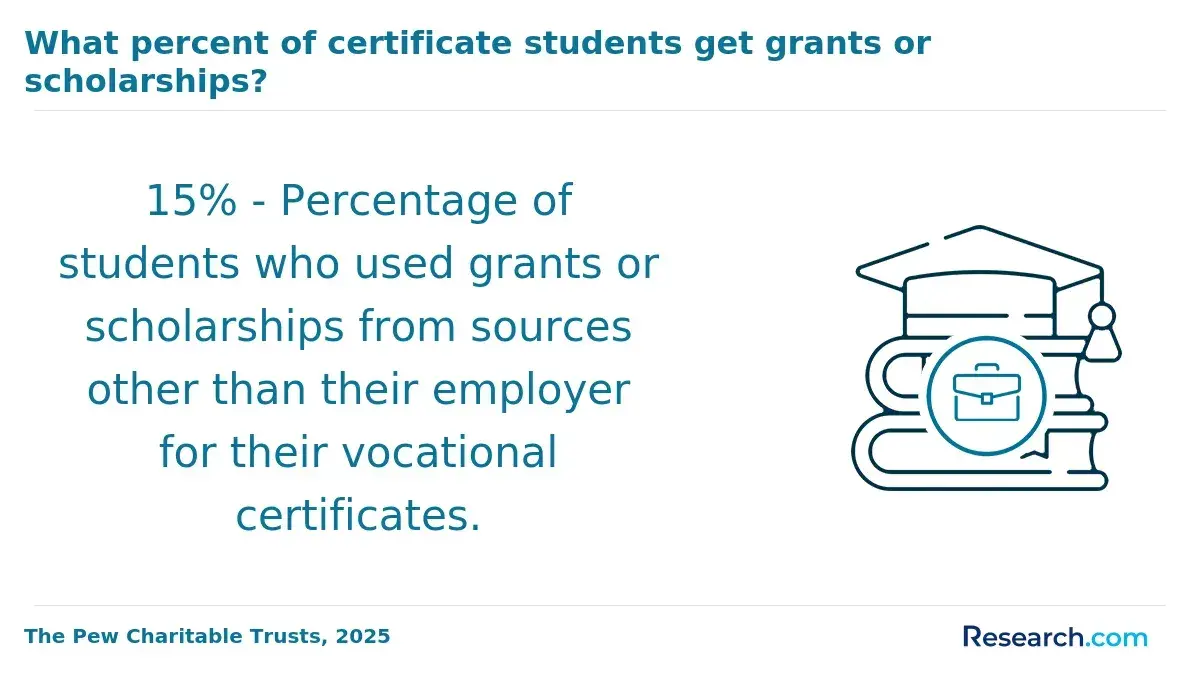
Match the program to a role you can realistically pursue, then check job postings for required experience and credentials. If the work you want does not require a master's, compare the time and cost of graduate study with targeted experience or certificate programs that pay well. Certificates may be more focused, but they do not replace a degree or license when an occupation requires one.
What Accreditation Should Online Degree Programs With Evening Classes Have?
Start with accreditation of the institution by an accreditor recognized by the U.S. Department of Education. Then check whether the particular program needs or benefits from specialized accreditation. For example, Council on Social Work Education accreditation is especially important when evaluating an MSW for licensure; nursing and educator-preparation programs require careful review against the relevant professional and state requirements.
Accreditation does not mean an online program meets every state's licensing rules. If your goal is a regulated occupation, ask the program for its determination concerning your intended state of practice and confirm the requirements with that state's licensing authority before enrolling. This matters especially when required placements occur outside the school's home state.
What Are the Admission Requirements for Evening Online Degree Programs?
Master's applicants generally submit evidence of a completed bachelor's degree, transcripts, and materials required by the specific program, such as a statement, recommendations, or résumé. Requirements differ substantially: an MBA may value professional experience, a computer science program may require programming prerequisites, and an MSN generally requires nursing preparation and an active license. GRE or GMAT policies are program-specific; do not assume a school-wide waiver applies to your degree.
If your undergraduate field differs from your intended graduate field, ask whether foundation courses are required and whether they count toward the degree. Also ask about minimum grades, conditional admission, and prerequisite deadlines. Choosing solely because admission looks convenient can leave you with extra courses or a program that does not lead toward your intended career.
How Long Do Online Degree Programs With Evening Classes Take?
Completion time depends on the program's required credits, your course load, how often required evening courses run, and whether you need prerequisites, a thesis, or fieldwork. A part-time student cannot assume that taking fewer courses each term will still allow uninterrupted progress: some programs offer required courses only in particular terms.
Ask for a term-by-term plan based on your starting qualifications and available hours. If speed is important, compare that plan with accelerated online degrees, but check the workload and entry assumptions. Shorter course terms or advanced standing do not, by themselves, establish how quickly you can finish.
How Much Do Online Degree Programs With Evening Classes Cost?
There is no reliable single price for an online evening master's: tuition varies by institution, program, residency status, and enrollment pattern. Compare the estimated total to completion, not just the advertised per-credit rate. These are the charges and expenses most likely to change that total:
- Tuition for all required credits, including any foundation courses or repeated classes.
- Mandatory, technology, program, and graduation fees.
- Books, software, equipment, and any required travel or residency.
- Placement-related expenses and potential income lost during unpaid daytime fieldwork.
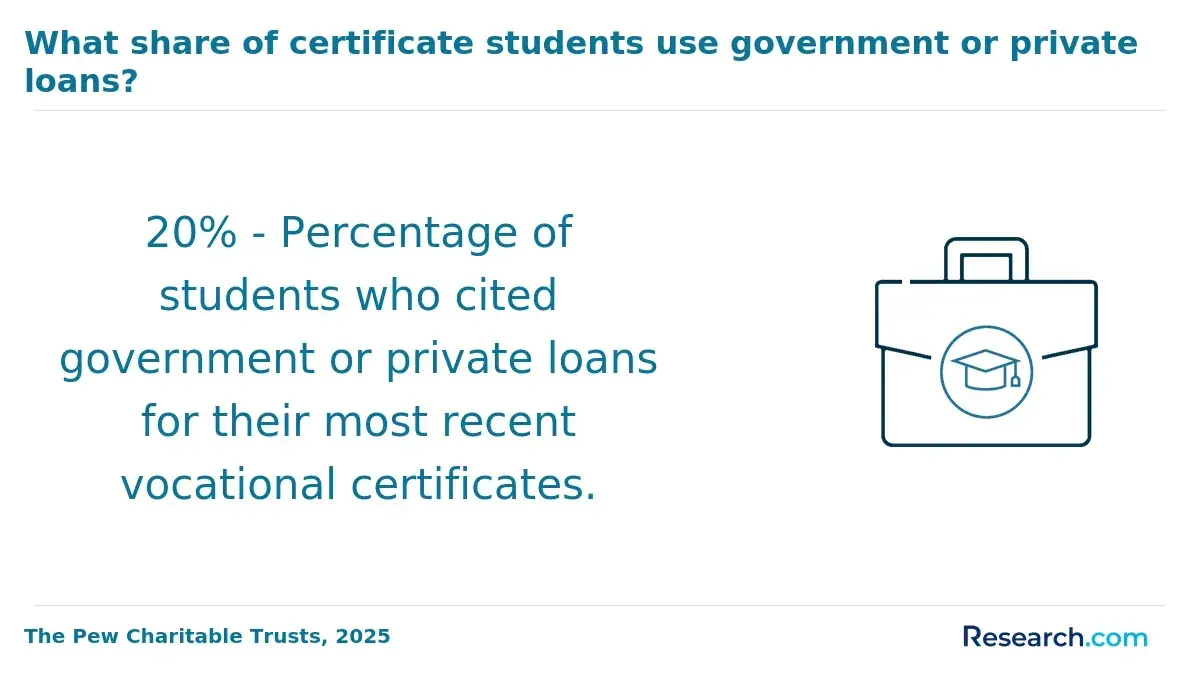
Request a written cost estimate for your planned pace and ask how grants, scholarships, employer tuition assistance, and federal aid eligibility apply. Borrowing may cover expenses, but repayment costs matter. An easy degree label is not a cost measure; a less demanding-sounding program can still be expensive or poorly matched to your goal.
What Careers and Salaries Can These Online Degrees Lead To?
Occupational wages help put a career goal in context, but they are not predictions of what a particular program's graduates will earn. The examples below distinguish possible career directions from the additional qualifications a reader may need.
| Program family | Possible career direction | Important qualification beyond the degree |
| Business | Management or specialized business work | Relevant experience; requirements vary by employer |
| Computer science or IT | Software development or technology operations | Demonstrated technical skills and role-specific experience |
| Nursing | Advanced clinical practice or nursing leadership | Applicable nursing license; advanced practice roles have additional state requirements |
| Social work | Social work or clinical practice | State licensure; clinical practice typically requires supervised experience |
| Education | Teaching or school leadership | State credentials and, for some roles, teaching experience |
For one wage benchmark, the BLS reported a $93,600 median annual wage for registered nurses in 2024. That figure includes nurses across experience levels and does not measure the return on an MSN. Compare a program's total cost and time demands with the actual credential requirements and hiring conditions for your target role.
How Can You Choose a Reputable Online Evening Degree Program?
Build a shortlist around your nonnegotiable scheduling needs first, then test each program's academic and career fit. Admissions pages are a starting point; a current course schedule and written answers from the program are more useful for deciding whether you can attend.
Use these checks before submitting a deposit:
- Request the next several terms' schedules for required courses, including meeting times and time zones.
- Get written details on campus visits, exams, labs, placements, and who arranges local fieldwork.
- Confirm institutional accreditation and any program accreditation or state approval relevant to your goal.
- Ask for a personalized completion plan and total-cost estimate, including prerequisites and likely fees.
- Compare the curriculum with target-job requirements and ask how the school evaluates any eligible prior graduate work.
Red flags include calling a program "flexible" without showing its required-course schedule, quoting tuition without fees, or implying that a degree automatically produces a license or salary. If you eventually want research or university teaching, PhD programs online are a separate decision: examine their research supervision and residency requirements rather than assuming an evening master's leads directly into one.
Other Things You Should Know About
No. Some programs combine scheduled evening meetings with asynchronous coursework. Check the format of every required class and whether recordings satisfy attendance rules.
Possibly, particularly with a part-time course load. Clinical placements, student teaching, internships, and major projects may still require hours outside the evening.
It depends on the specific program. Ask about orientations, residencies, labs, exams, and other required visits before treating it as fully remote.
Not automatically. Licensure depends on the program, accreditation or approval where required, supervised experience, examinations, and the rules of the state where you intend to practice.
References
- Institutional Accrediting Agencies | ed.gov http://www.ed.gov/laws-and-policy/higher-education-laws-and-policy/college-accreditation/institutional-accrediting-agencies
- Recognition of Accrediting Agencies | Texas Higher Education Coordinating Board https://www.highered.texas.gov/recognition-of-accrediting-agencies/
- Tuition and College Costs | wa.gov https://wsac.wa.gov/tuition-and-college-costs
- How Do Asynchronous Classes Work? | Hopkins EP Online https://ep.jhu.edu/news/how-do-asynchronous-classes-work/
- Licensure Programs - Office of Institutional Effectiveness https://institutionaleffectiveness.louisiana.edu/accreditation/licensure-programs
- Global Talent, Local Obstacles: Why Time Zones Matter in Remote Work | Working Knowledge | Harvard Business School https://www.library.hbs.edu/working-knowledge/global-talent-local-obstacles-why-time-zones-matter-in-remote-work
- Tuition & Fees - UF Online - University of Florida https://ufonline.ufl.edu/tuition/tuition-fees/
- What's the Difference Between Asynchronous and Synchronous Learning? | Ohio State Online https://online.osu.edu/content-hub/blogs/whats-the-difference-between-asynchronous-and-synchronous-learning/
- Course Delivery Methods - Ways to Learn | Riverland https://www.riverland.edu/academics/course-delivery-methods-ways-to-learn/