2027 Best Online College Degrees for Career Advancement

Co-Founder and Chief Data Scientist
Choosing an online degree for career advancement means deciding which credential employers value for the role you want—not simply which field pays the most. The stakes can be substantial: the U.S. Bureau of Labor Statistics (BLS) reports a 2024 median annual wage of $133,080 for software developers, but a computer science master's degree alone does not secure that job or salary.
This guide compares online master's degree fields, the preparation each requires, and the costs and licensing barriers that can change their value for working adults:
Key Things You Should Know
- The strongest choice matches a specific next role: business for organizational leadership, technology for specialized technical work, and licensed fields only when the program meets the relevant professional requirements.
- BLS reports a 2024 median annual wage of $93,600 for registered nurses; that is an occupation-wide figure, not an expected salary for nursing master's graduates.
- Compare total remaining cost, work-compatible scheduling, accreditation, and required in-person training before choosing an online program.
Top 10 Best Online College Degrees for Career Advancement
Business Programs
An online MBA or specialized master's in accounting, finance, or analytics can suit professionals seeking broader management responsibilities or deeper functional expertise. MBA coursework commonly spans strategy, finance, operations, and leadership; specialized degrees focus more narrowly. Some programs expect work experience or foundation courses. Choose an MBA when cross-functional decisions matter to your goal, but consider a specialized degree when an identifiable skill gap is holding you back. Neither credential substitutes for a track record of managing projects, people, or budgets.
Healthcare Programs
Online master's programs in healthcare administration or public health can prepare experienced professionals for planning, policy, quality improvement, or organizational roles. Administration emphasizes operations and finance; public health focuses more on population health and research methods. Some programs include a practicum or require relevant experience. These degrees generally do not qualify graduates to practice medicine or nursing. Compare the curriculum with actual job postings: a clinical leadership position may require an existing professional license as well as a graduate degree.
Information Technology Programs
A master's in information technology, cybersecurity, or information systems may help professionals move toward systems leadership, security, or technical management. Programs often combine architecture, risk, and project work; applicants without technical preparation may need foundation courses. Seek substantial hands-on assignments rather than assuming an online credential proves practical ability. Cybersecurity employers may also expect experience and certifications. This path fits professionals who want to apply technology across an organization; a computer science degree may better suit those seeking deeper computing theory.
Computer Science Programs
An online master's in computer science can deepen skills in algorithms, software engineering, artificial intelligence, or data-intensive computing. It is most useful when advanced technical work aligns with the curriculum and the applicant can meet programming and mathematics prerequisites. A non-computing bachelor's degree does not necessarily rule out admission, but bridging coursework can add time and cost. Compare project-based and research-oriented tracks: neither an advanced degree nor AI coursework replaces evidence that you can build, test, and maintain software.
Nursing Programs
Online MSN programs may support nurse leadership, education, informatics, or advanced practice. They typically require an active RN license, and clinical tracks require supervised placements even when coursework is online. Advanced practice eligibility depends on the program, certification requirements, and state rules. An RN seeking a nonclinical leadership position should not assume an advanced practice track is the better investment. Confirm clinical placement support, authorization in your state, and the exact license or certification the track is designed to support.
Psychology Programs
An online psychology master's may develop research, behavioral analysis, or organizational skills. It can fit someone pursuing research support, people-focused organizational work, or preparation for further study. It usually does not, by itself, qualify a graduate to practice independently as a psychologist; licensure generally requires doctoral education and supervised experience. Counseling is a distinct pathway with its own program and state requirements. Start with the intended job title, then check whether its required credential is psychology, counseling, social work, or something else.
Education Programs
Online master's degrees in curriculum and instruction, educational leadership, or special education can help educators pursue specialized or supervisory work. Some are designed for already licensed teachers; others offer an initial-licensure pathway with student teaching or other fieldwork. A degree labeled "educational leadership" does not automatically qualify a graduate for a principal license. Check your state's rules and whether the program accepts placements where you live. Teachers primarily seeking a pay increase should verify their employer's salary schedule before enrolling.
Criminal Justice Programs
An online criminal justice master's can support analysis, policy, administration, or advancement within public-safety organizations. Coursework may cover research methods, leadership, and justice systems. Its value depends heavily on the employer: many law enforcement roles have separate academy, experience, or promotion requirements, while analytical roles may prize quantitative skills. Compare this degree with public administration or data analytics if your target is management or research rather than field-specific expertise. Do not assume a master's degree changes civil-service eligibility.
Engineering Programs
An online engineering master's can help practicing engineers specialize in areas such as systems, electrical, or mechanical engineering. Admissions may require an engineering background and substantial mathematics; some programs include labs, group design, or campus visits. Choose a specialization tied to the work you want to perform, not just the broad engineering label. Professional engineer licensure follows separate state rules involving education, examinations, and experience. If licensure is your goal, verify how your undergraduate preparation—not merely the online master's—fits those rules.
Social Work Programs
An online MSW is a professional pathway for people seeking social work practice or advancement, but field placements take place in person. Applicants with an eligible accredited BSW may qualify for advanced standing; other applicants generally follow a longer foundation pathway. The MSW alone does not grant independent clinical practice: states impose separate examination and supervised-experience requirements. Confirm program accreditation, placement arrangements near home, and your state's licensing rules before treating a published online completion timeline as achievable.
What are the best online college degrees for career advancement?
The best online college degree for career advancement is the one that closes a documented gap between your current qualifications and a specific next job. For readers who already hold a bachelor's degree, the master's fields below offer different kinds of value. The comparison highlights where each is most relevant—and what could limit the return.
| Degree field | Strongest fit | Key limitation to check |
| Business or healthcare administration | Organizational leadership | Management experience may matter more than the degree alone |
| IT or computer science | Specialized technical work | Prerequisites and demonstrable skills |
| Nursing, education, or social work | Advancement in a regulated profession | Licensure and in-person practice requirements |
| Engineering | Technical specialization | Prior engineering preparation |
| Psychology or criminal justice | Targeted research, policy, or organizational roles | Whether the intended occupation actually requires the degree |
If you do not yet have a bachelor's degree, compare undergraduate options first rather than applying a master's-level recommendation to your situation. Fast track degrees may be worth exploring, but their advertised timelines often depend on eligible previous credit and a demanding course load.
Which online degrees lead to high-paying, in-demand careers?
Computer science and cybersecurity can connect to well-paid occupations, while nursing offers established clinical pathways. BLS reports a 2024 median annual wage of $124,910 for information security analysts. That figure describes workers in the occupation, not online IT graduates; relevant experience is commonly important to reaching an analyst role.
Use occupational pay and employment outlook as a screening tool, then examine entry requirements. A software developer may not need a master's degree, an advanced practice nursing role requires more than an MSN diploma, and leadership jobs often require prior responsibility. A higher-paying occupation is not automatically the best degree choice if the program cannot credibly move you from your current position into it.
How do you choose an accredited online degree program?
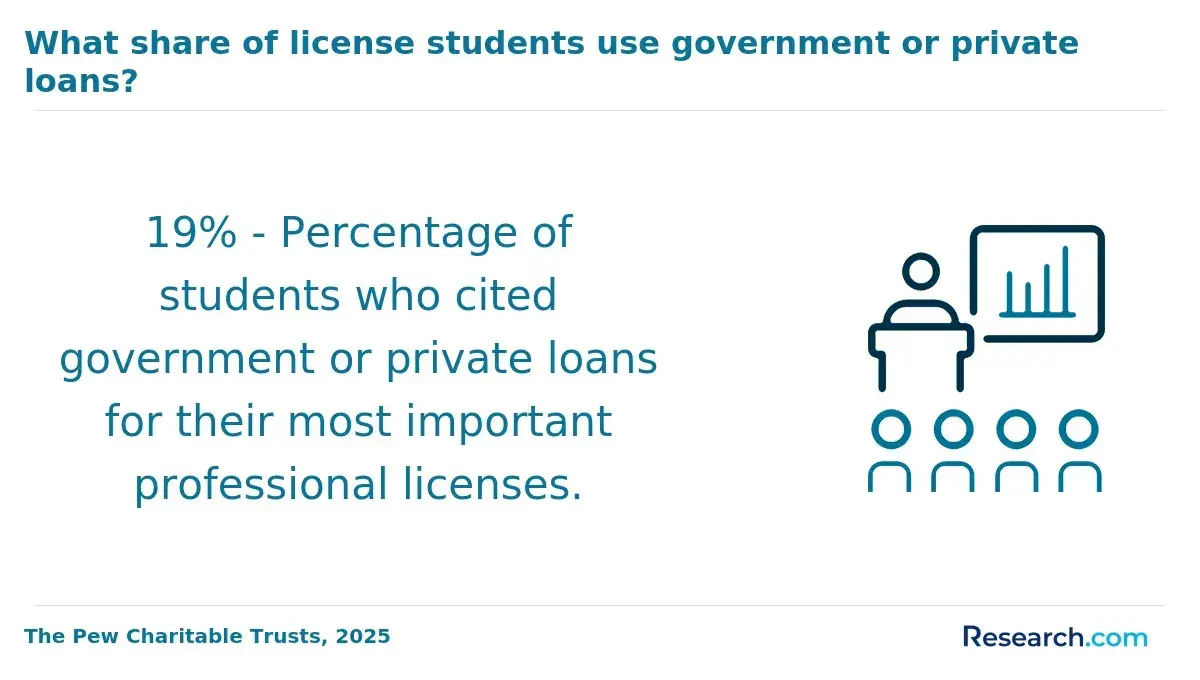
First, verify that the institution holds recognized institutional accreditation. Then check whether the specific program has accreditation needed for your goal—for example, accreditation relevant to social work, nursing, teacher preparation, or a particular engineering pathway. Institutional accreditation alone does not establish eligibility for a professional license.
Ask the program for its written curriculum, state authorization and licensure disclosures, placement requirements, and a degree plan based on your prior coursework. Check whether "online" includes live meetings, campus visits, or local clinical or fieldwork hours. A red flag is a school that promises licensure or a completion date without reviewing your state, credentials, and remaining requirements.
What online degree pathways lead to the fastest career growth?
The fastest realistic pathway starts with credit and qualifications the program will actually accept. For a licensed social worker, an eligible BSW may open an advanced-standing MSW route; for a nurse, a bridge program may recognize prior nursing education. Other graduate programs may accept relevant transfer coursework, but applicants should obtain an evaluation showing which requirements remain. Foundation courses, sequential classes, and placements can prevent a quick finish even when terms are short.
Students still completing undergraduate study can compare accelerated bachelors degrees. Before enrolling, request a term-by-term plan showing accepted credits, required institutional credits, expected weekly workload, and any prerequisites. Compare that plan with a part-time route you can sustain while working; speed has little value if its schedule makes completion unlikely.
What do online college degree programs teach?
Coursework depends on the field. Business students may study strategy and finance; computer science students may study algorithms and software design; education and social work students may study assessment and evidence-based practice. Many programs also require a capstone, thesis, portfolio, comprehensive assessment, or supervised experience.
Look beyond course titles to the work you will produce. Projects using relevant tools, applied research, and supervised practice can help demonstrate readiness for the next role. An online classroom may deliver academic content remotely while requiring labs, clinical shifts, internships, or student teaching at approved sites.
What are the admission requirements for online degree programs?
Most master's programs require a bachelor's degree and transcripts. Depending on the field, applicants may also need prerequisite courses, a statement of purpose, recommendations, professional experience, or a current license. Computing and engineering programs may expect mathematics or programming preparation; nursing programs commonly require RN credentials. Graduate test policies, GPA thresholds, and conditional admission vary by program rather than applying uniformly across a university.
Before applying, ask admissions to identify missing prerequisites and whether they can be completed after admission. An offer of admission does not necessarily mean admission to a selective clinical track or eligibility for a placement in your state.
How long do online degrees take and how much do they cost?
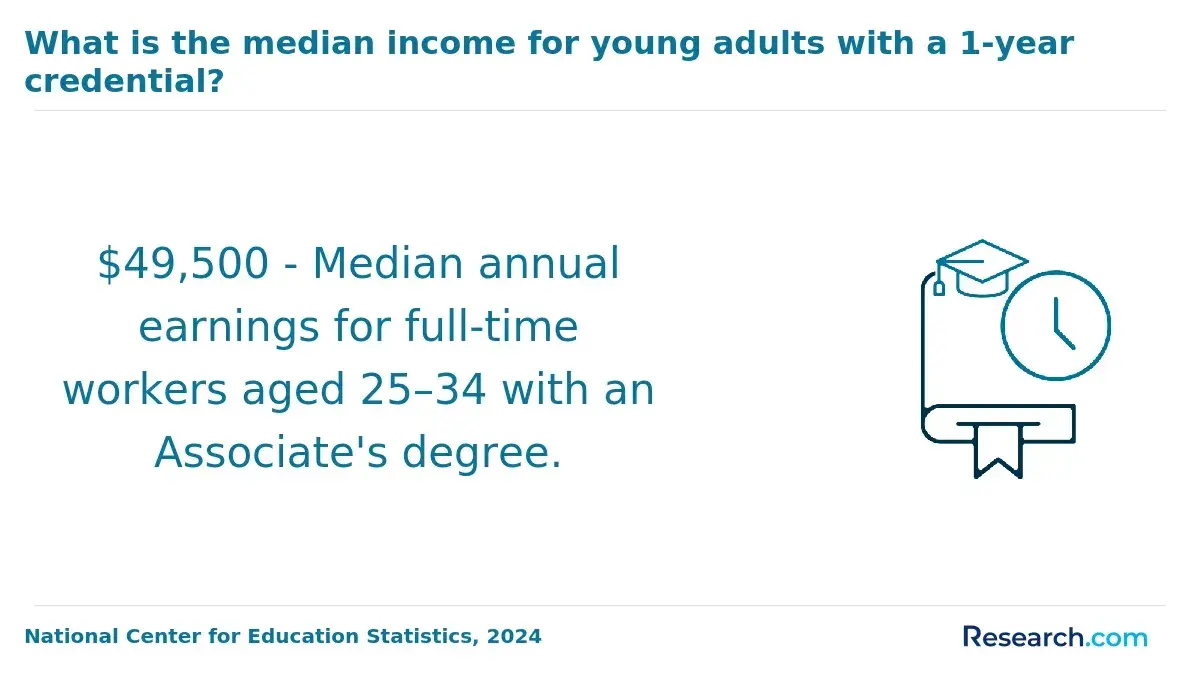
Many master's degrees require roughly 30-60 graduate credits, but field placements, prerequisites, course sequencing, and part-time enrollment can materially change the timeline. Advanced standing or accepted transfer credit may reduce remaining coursework; it does not eliminate a program's residency, capstone, or clinical requirements.
For cost, calculate remaining required credits × tuition per credit, then add mandatory and program fees, books, travel, and any income lost to required fieldwork. Compare that total—not a headline per-credit price—against likely career value. Eligible students may use federal aid, employer tuition assistance, or other funding; aid availability and borrowing terms require individual review. Readers comparing undergraduate costs can also examine the cheapest online colleges that accept FAFSA in USA, while checking each school's current aid eligibility and full price.
What careers and salaries can online degree graduates expect?
Career outcomes depend on the occupation, location, experience, and credentials beyond the degree. A computer science graduate might pursue software work; an experienced nurse might seek a specialized clinical or leadership role; an MSW graduate might pursue supervised practice toward clinical licensure. Those are possible pathways, not automatic outcomes or salaries attributable to a particular program.
To judge a degree's value, compare current job postings for your target role with your existing qualifications. Note which specify a master's degree, which accept experience instead, and which require a license. If work style is also a consideration, research introvert jobs alongside actual duties; job titles alone say little about daily interaction. Ask programs for clearly defined graduate outcomes, and treat missing or noncomparable figures cautiously.
Which certifications and licenses do online degree graduates need?
Requirements differ sharply by occupation. A registered nurse needs a state RN license; advanced practice nurses generally need additional role-specific certification and state authorization. Clinical social workers typically need post-degree supervised experience and a state license. Public school teaching and educational leadership roles can require separate state credentials, while professional engineer licensure follows state examination and experience rules.
In IT and cybersecurity, certifications may help demonstrate product or security expertise, but they are usually employer preferences rather than universal legal requirements. Before enrolling in any license-oriented program, identify the exact state and role you intend to pursue, check its current requirements with the relevant board, and ask the school to explain in writing how its curriculum and placements align.
Other Things You Should Know About
Employers can value an appropriately accredited online degree, but the skills, experience, and professional eligibility attached to it matter. Check whether the program meets the requirements in relevant job postings.
Sometimes. Even programs without campus visits may require scheduled online classes or in-person clinicals, labs, internships, or field placements. Confirm every requirement before applying.
An MBA generally fits broader management goals; a specialized degree fits a specific technical or functional gap. Compare the curriculum with your target role and existing experience.
Not necessarily. Compare total cost with the credential and experience employers require for your intended job. Occupational median wages describe current workers, not what a new graduate can expect to earn.
References
- Projected openings in occupations that require a college degree: Career Outlook: U.S. Bureau of Labor Statistics https://www.bls.gov/careeroutlook/2021/article/projected-openings-college-degree.htm
- Fast Facts: Tuition costs of colleges and universities (76) | ed.gov https://nces.ed.gov/fastfacts/display.asp
- Accreditation in the U.S. | ed.gov http://www.ed.gov/laws-and-policy/higher-education-laws-and-policy/college-accreditation/accreditation-in-the-us
- Transfers | wa.gov https://wsac.wa.gov/transfers
- School-Determined Requirements | 2024-2025 Federal Student Aid Handbook https://fsapartners.ed.gov/knowledge-center/fsa-handbook/2024-2025/vol1/ch1-school-determined-requirements
- Occupational Licensure Requirements Snapshots | pa.gov https://www.pa.gov/agencies/dos/resources/professional-licensing-resources/_occupational-licensure-requirements-snapshots
- Institutional and Programmatic Accreditation in Optometry | akleg.gov https://www.akleg.gov/basis/get_documents.asp
- What's the Difference Between Asynchronous and Synchronous Learning? | Ohio State Online https://online.osu.edu/content-hub/blogs/whats-the-difference-between-asynchronous-and-synchronous-learning/
- Which Jobs Require a Graduate Degree? | UCLA https://www.ucla.edu/academics/graduate-benefits/which-jobs-require-a-graduate-degree
- New Federal Regulations, Part 1: Addressing Programs Leading to a License or Certification | WCET https://wcet.wiche.edu/frontiers/2023/10/31/new-federal-regulations-part-1-addressing-programs-leading-to-a-license-or-certification/