2027 Best Online Degree Programs for Remote Jobs
Audited and Verified:
Our Editorial and Data Verification Process
Research.com uses government datasets, official education statistics and primary institutional information to support its career and degree guides. Our review process checks factual accuracy, occupational definitions, source dates and the requirements associated with the credentials discussed.
How This Article Was Fact-Checked
Our editorial team verifies salary estimates, employment projections, education requirements and program information against original data providers and official organizations. Salary figures are checked against the relevant occupational definitions and reporting periods. Information about licensure, accreditation and required in-person training is reviewed separately.
Fact-checked and verified on:

Co-Founder and Chief Data Scientist
Choosing an online degree for a remote job means separating careers that can be done from home from careers that merely use online training. The stakes are substantial: the U.S. Bureau of Labor Statistics (BLS) reports a May 2024 median annual wage of $133,080 for software developers, but that figure describes an occupation - not what degree graduates earn or whether a position is remote.
This guide compares online program families, identifies location-dependent requirements, and shows prospective students and career changers how to weigh cost, credentials, and career fit before enrolling.
Key Things You Should Know
- Computer science, information technology, business, and selected healthcare-administration programs offer clearer routes to remote-capable work than degrees tied to hands-on practice.
- A remote-friendly occupation is not a remote-job guarantee: employers may require office attendance, experience, a license, or work within particular states.
- Compare total cost, accreditation, required in-person work, and the jobs graduates can realistically seek; the BLS May 2024 median wage of $133,080 for software developers is occupational context, not a graduate salary forecast.
Top 10 Best Online Degree Programs for Remote Jobs
Business Programs
Online master's programs in business administration, accounting, finance, marketing, and business analytics can support remote-capable work in operations, analysis, digital marketing, or accounting. An MBA generally suits experienced professionals pursuing broader responsibilities; a specialized master's may fit someone targeting a particular function.
Compare concentrations, quantitative prerequisites, team projects, and whether internships or live classes fit your schedule. Remote management jobs commonly require relevant experience, not just a graduate credential. Prospective accountants should check their state's CPA education rules separately.
Healthcare Programs
Online master's programs in health administration, public health, and health informatics prepare students for different kinds of work. Informatics can fit people interested in health data and systems; administration emphasizes organizational operations, while public health often focuses on population-level programs.
Some analyst, compliance, and administrative roles may be remote or hybrid, but employers may prefer healthcare experience. Check whether a program requires a practicum, residency, or local placement. A healthcare master's does not itself confer a clinical license.
Information Technology Programs
An online master's in information technology, cybersecurity, or information systems can suit professionals pursuing systems, cloud, security, or technology-management roles. Compare hands-on labs, cloud platforms, security coursework, and the technical preparation expected at admission.
Remote IT work often involves scheduled coverage, secure-network rules, or incident response; entry-level access may be more limited than experienced candidates expect. Certifications can complement a degree, but neither credential substitutes for demonstrable troubleshooting and project experience.
Computer Science Programs
Online computer science master's programs typically emphasize algorithms, software engineering, data systems, or artificial intelligence. They are a strong match for applicants seeking software-focused remote work who can meet programming and mathematics prerequisites.
Career changers should check whether foundation courses add time or cost. Evaluate coding projects, capstones, and opportunities to build a portfolio - not just a program's specialization name. Some software positions are fully remote, but others require hybrid attendance or experience with distributed teams.
Nursing Programs
Online MSN and related graduate nursing programs may support telehealth, nurse education, informatics, or leadership roles. They generally require an active RN license and nursing preparation; advanced-practice tracks also involve supervised clinical hours and state-specific licensure or certification requirements.
"Online" coursework does not eliminate local clinical placements. An informatics or administrative track may fit a remote-work goal better than a hands-on clinical specialty, although employers can still require site visits or local licensure.
Psychology Programs
An online master's in psychology may support research coordination, user research, or organizational work, depending on its curriculum and an applicant's experience. It should not be confused with a clinical psychology doctorate or a state-approved counseling pathway.
If teletherapy is the goal, verify that the specific degree meets the relevant state board's education requirements and includes required supervised training. Remote research and people-analytics jobs may not require a clinical license, but often call for strong methods and data skills.
Education Programs
Online master's programs in instructional design, educational technology, or curriculum can lead toward remote-capable work developing courses and training materials. School teaching and administration tracks serve different goals and may involve state licensure, student teaching, or documented classroom experience.
Compare portfolio opportunities, learning-technology coursework, and required fieldwork. Applicants targeting corporate training should check employer job postings: an education degree may help, but a portfolio showing effective online instruction can be equally important.
Criminal Justice Programs
Online criminal justice master's programs may suit experienced professionals seeking policy, intelligence-analysis, compliance, or investigative-support work. Many front-line law-enforcement and corrections jobs cannot be performed remotely, so this is a less direct route to working from home than computing or business analytics.
Review coursework in research, data analysis, and applicable law, then compare it with actual job requirements. Some remote-sensitive roles require background checks, clearances, or prior agency experience that a degree cannot replace.
Engineering Programs
Online master's programs in systems, software, industrial, or electrical engineering may support remote-capable design, modeling, and technical coordination. Laboratory, testing, and site-based roles are less likely to be fully remote.
Admission often expects an engineering or related quantitative background, and some programs require project work or limited campus attendance. If a role requires professional engineering licensure, verify your state board's education and experience rules; a graduate degree alone does not grant a PE license.
Social Work Programs
Online MSW programs can prepare students for social-work practice, including some telehealth and remote case-management roles. Required field placements take place in approved practice settings even when classes are online. Clinical practice usually requires post-degree supervision and state licensure; telehealth rules may depend on where the practitioner and client are located.
Check Council on Social Work Education accreditation, placement support, and your intended state's licensing requirements before choosing a program. Advanced-standing entry, where offered, has separate eligibility rules.
What Online Degrees Lead to Remote Jobs?
No degree automatically leads to a remote position. The strongest matches teach work that can be produced, reviewed, and delivered digitally. The comparison below distinguishes relatively direct paths from fields where licensing or in-person work narrows the options.
| Program family | Remote-capable work to investigate | Main limitation |
| Computer science and IT | Software development, systems work, cybersecurity | Technical experience and employer security rules |
| Business and analytics | Accounting, marketing, operations analysis | Specialization and prior experience matter |
| Healthcare administration and informatics | Health-data, administrative, and compliance work | Employers may expect healthcare knowledge |
| Education and instructional design | Online course and training development | Portfolio expectations; teaching tracks may require fieldwork |
| Licensed helping professions | Telehealth or remote case management | Placements, supervision, and state practice rules |
A certificate or targeted training may be a more proportionate first step if you already have a degree and need a specific digital skill. If you are comparing broader degree fields by earning potential, easy degrees that pay well can provide another starting point - but check the entry requirements and remote availability of the occupation itself.
Senior software, cybersecurity, technical-management, and specialized analytics roles can pay well, but high-paying openings often demand experience and may be hybrid rather than fully remote. For context, BLS reports a May 2024 median annual wage of $133,080 for software developers. That is the median for workers in the occupation across work arrangements, not an expected starting salary or a remote-work premium.
Compare job postings by required skills, experience, location, and pay - not title alone. A career changer may reasonably target an entry-level or adjacent role first, while an experienced professional may use a master's to deepen a specialty. Remote status should be confirmed in the actual offer.
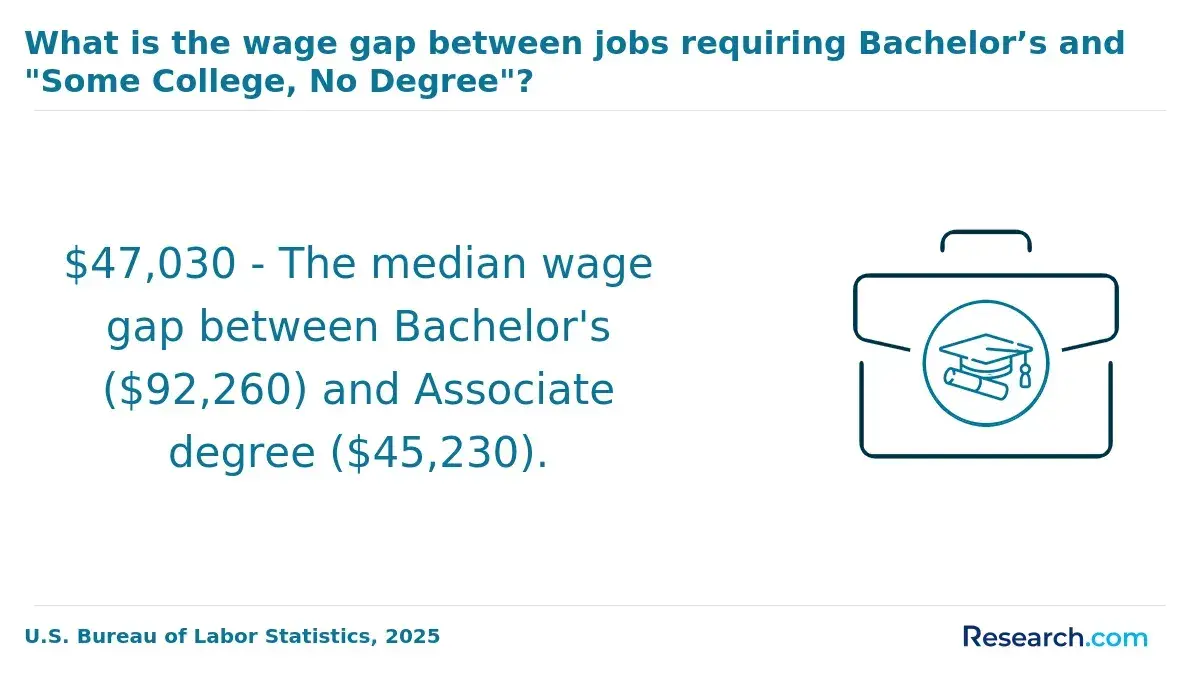
Start with the job you want, then work backward to its education and delivery requirements. Institutional accreditation establishes an important baseline; relevant programmatic accreditation or state approval may also be necessary for licensure. A school's accreditation alone does not establish that every program qualifies graduates for every state license.
Use this sequence to narrow your options before applying:
- Check the school's current institutional accreditation and, where relevant, the program's specialized accreditation or approval with the accreditor or licensing authority.
- Ask for the complete degree plan, including prerequisites, capstone, labs, placements, and any campus visits.
- Confirm whether classes are asynchronous or scheduled and whether required courses are offered often enough for your intended pace.
- Request a written estimate of tuition and mandatory fees based on your likely transfer credit and enrollment pattern.
- Compare those details with current job postings and, for regulated work, your intended state board's rules.
A common mistake is accepting "fully online" as proof of no location-specific requirements. Ask separately about clinical work, practicums, testing, and residency restrictions.
The best match is usually a program whose required projects resemble the work you want to do. Software development calls for substantial programming practice; cybersecurity calls for applied systems and security work; business analytics calls for data methods and communication; instructional design calls for usable learning materials. A broad credential with no relevant projects may be a weaker choice than a focused program with a strong portfolio component.
AI tools are changing how digital work is performed, making it especially useful to look for curricula that teach students to evaluate outputs, protect data, and explain their decisions. Compare program syllabi with job descriptions rather than assuming a concentration name proves career readiness. If speed matters, fast-track career programs offer another comparison point; verify the credits, prerequisites, and experience assumed in any advertised timeline.
There is no reliable single price or timeline across these program families. A master's program's required credits, tuition rate, fees, foundation courses, and enrollment pace all affect the final bill. Clinical placements, residencies, software, and travel can add costs even when instruction is online. Part-time study may make payments easier to manage while extending the time to completion.
Ask each school for an estimate covering the credits you would still need, not just its per-credit rate. Confirm whether previous graduate coursework can apply to this specific degree and whether a minimum number of credits must be completed at the institution.
Compare grants, employer tuition assistance, and eligible federal aid before borrowing; lower published tuition does not necessarily mean lower total cost. Readers comparing graduate options can also review affordable online master's, then verify each program's current fees and requirements directly.
For the master's-level families compared here, applicants generally need a bachelor's degree, but acceptable majors and additional requirements vary. Computer science and engineering may expect specific quantitative or technical preparation; nursing graduate programs generally require nursing credentials; advanced-standing MSW pathways have distinct prior-degree requirements. Schools may also consider transcripts, recommendations, a statement of purpose, work history, or tests under their current policies.
Request a program-specific prerequisite review before applying, especially if you are changing fields. Do not assume the university's general admission policy controls a selective graduate program or that an online track has identical entry requirements to another track.
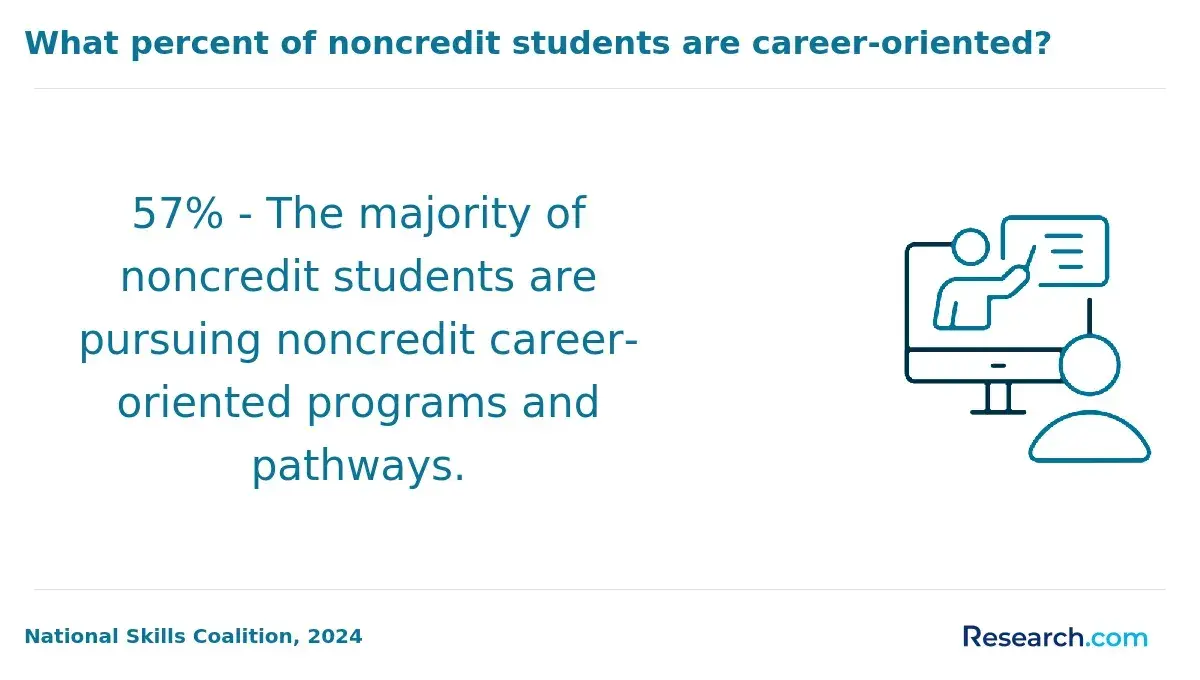
Relevant programs can provide practice with shared documents, virtual presentations, version control, secure data handling, and projects completed across locations. Teamwork alone is not enough: employers also need evidence that you can communicate progress, meet deadlines, and produce field-specific work without close supervision.
Before enrolling, inspect sample assignments or capstone descriptions and ask how students receive feedback and collaborate. Build a portfolio where appropriate, while respecting client and patient confidentiality. If you only need one employable skill rather than another degree, short certificate programs that pay well online may be worth comparing; a certificate is not interchangeable with a required degree or professional license.
Telehealth nursing, clinical social work, counseling, psychology practice, and some accounting or engineering work can involve state licensing rules. Remote delivery does not remove those rules. Requirements can depend on the service performed and the locations of both worker and client. Teaching positions may likewise require an educator license even if instruction occurs online.
Before choosing a licensure-oriented program, ask the relevant state board whether its curriculum and placements meet your intended pathway. Separately identify any exam, supervised-practice, background-check, or continuing-education requirements. Technology certifications may improve fit for particular IT jobs, but they are generally employer credentials rather than permission to practice a state-regulated profession.
What Is the Job Outlook for Careers Accessible With Online Degrees?
BLS projects employment of software developers, quality assurance analysts, and testers to grow 15% from 2024 to 2034. That signals occupational demand, not that openings will be remote or that every applicant with a computer science degree will qualify. Demand and remote-work policies also differ across employers and locations.
Use occupational projections to shortlist fields, then check current postings for the specific role, experience level, and remote arrangement you want. The most useful next step is to compare a few actual programs against those postings and calculate what each program would cost you to complete. Avoid choosing solely by a field's projected growth or an occupation's median wage.
Other Things You Should Know About
Yes, but a degree does not guarantee one. Entry-level remote openings may be competitive, so relevant projects, internships, prior work, and a broader search that includes hybrid roles can help.
Employers' decisions vary. Focus on the school's accreditation, the program's relevance, your skills, and whether the credential meets any applicable licensing requirements.
Some do. Clinicals, practicums, student teaching, labs, or residencies may require attendance at a site even when courses are online. Confirm the requirements for the specific program.
Usually not solely because a job is remote. Choose a master's when its advanced skills, professional pathway, or required credential fit your target role; otherwise, experience or focused training may be a better first investment.
- Cost of Attendance (Budget) | 2025-2026 Federal Student Aid Handbook https://fsapartners.ed.gov/knowledge-center/fsa-handbook/2025-2026/vol3/ch2-cost-attendance-budget
- Annual Earnings by Educational Attainment - COE https://nces.ed.gov/programs/coe/indicator/cba/annual-earnings
- Research Summary: Education and Lifetime Earnings | ssa.gov https://www.ssa.gov/policy/docs/research-summaries/education-earnings.html
- College Accreditation Explained: How to Verify It & Why It Matters | America EDU https://america.edu/accreditation/
- How online learning builds remote work skills for today's workplace | Penn LPS Online https://lpsonline.sas.upenn.edu/features/how-online-learning-builds-remote-work-skills-todays-workplace
- How Online Degree Tuition Is Calculated: Compare Total Cost Before You Enroll | GetEducated https://ai.geteducated.com/how-online-degree-tuition-is-calculated
- Programmatic vs. Institutional Accreditation: When You Need Both | Expert Education Consultants https://bppe.consulting/blog/programmatic-vs-institutional-accreditation