2027 Best Majors With Full-Time Online Options

Co-Founder and Chief Data Scientist
Choosing a major is hard enough without discovering later that its "online" degree requires campus visits or daytime placements. The stakes can be significant, the U.S. Bureau of Labor Statistics (BLS) reported a May 2024 median annual wage of $133,080 for software developers, but that occupational figure is not a promise to computer science graduates.
This guide compares fields that can support full-time online study, with particular attention to master's programs, and shows you how to check scheduling, hands-on requirements, cost, and career fit before applying.
Key Things You Should Know
- Business, IT, and computer science generally offer more ways to complete coursework remotely, nursing, social work, education, and some healthcare fields commonly require in-person practice.
- At the undergraduate level, 12 semester credits is generally the minimum full-time load for federal student-aid purposes; schools define full-time graduate enrollment under their own policies.
- The BLS reported a May 2024 median annual wage of $93,600 for registered nurses, but an online nursing master's does not provide initial RN licensure or guarantee that wage.
Top 10 Best Majors With Full-Time Online Options
Business Programs
Full-time online MBA and specialized master's programs in accounting, finance, marketing, or analytics suit students seeking broader management skills or deeper expertise. Case discussions and team projects can work online, but live meetings may constrain schedules. Some MBAs welcome applicants from many undergraduate majors; others require foundational coursework or professional experience. Choose a specialization by the work you want to do, not by the degree's name alone. An MBA does not automatically qualify a graduate for management, and accounting students should check their state's CPA education rules.
Healthcare Programs
Online master's options include public health, health administration, and health informatics. These can fit professionals interested in population health, operations, or health data without assuming every role is clinical. A public health practicum or administration internship may require time with an organization even when classes are online. Compare quantitative prerequisites, employer-relevant projects, and placement support. These degrees do not independently qualify graduates to practice medicine or another licensed clinical profession; applicants seeking patient-facing work should start with that occupation's licensing requirements.
Information Technology Programs
Online master's programs in IT, cybersecurity, and information systems can suit professionals who manage infrastructure, security, or enterprise technology. Virtual labs and applied projects are often workable remotely, although scheduled team work may still be required. Compare networking, cloud, and security courses against your experience: an advanced program may assume prior technical preparation, while another offers foundation courses. Certifications can complement a degree, but neither a certification nor a master's alone replaces the experience required for many senior roles.
Computer Science Programs
An online computer science master's commonly emphasizes algorithms, software systems, AI, or data-intensive computing. It is a stronger fit for students seeking technical depth than for applicants who primarily want general IT management. Check math and programming prerequisites, the availability of foundation courses, and whether a thesis, project, or examinations complete the degree. Full-time enrollment does not eliminate course sequencing. Applicants new to programming may find prerequisite study - or an undergraduate computer science pathway - more appropriate than immediate admission to an advanced master's.
Nursing Programs
Online MSN programs may focus on nursing leadership, education, or advanced practice. Many are designed for licensed RNs and require an eligible nursing degree; bridge routes have separate requirements. Coursework can be online while clinical hours, preceptors, or occasional campus activities remain in person. Before enrolling, ask whether the school can arrange or approve placements where you live and whether the specific track meets your state's requirements. An MSN is not a substitute for RN licensure, and advanced-practice eligibility depends on the program, certification, and state rules.
Psychology Programs
Online psychology master's programs can support research, behavioral science, or related professional work, but their purposes differ sharply. A general psychology degree does not ordinarily qualify someone to become a licensed psychologist. Counseling tracks may have distinct accreditation expectations, supervised placements, and state licensure requirements. Compare the curriculum and required fieldwork with the exact occupation you want. Students aiming for psychologist licensure should investigate the required doctoral and supervised-practice pathway before choosing a master's.
Education Programs
Online master's degrees in curriculum, educational leadership, special education, and teaching serve different audiences. Some advance practicing educators; initial-licensure tracks instead prepare eligible newcomers for classroom teaching. Even with online classes, observation, student teaching, or other school-based work may be mandatory. Check whether the program accepts students in your state and meets the credential you seek. A leadership degree, for example, does not by itself grant a principal license; states may also require teaching experience and examinations.
Criminal Justice Programs
An online criminal justice master's may cover policy, criminology, administration, and research methods. It can fit professionals considering analysis or advancement in justice-related organizations, but hiring and promotion also depend on experience and agency requirements. Compare applied projects with thesis options and investigate whether any internship can be completed locally. The degree does not automatically make someone a police officer, federal agent, lawyer, or forensic scientist; those paths have separate entry, training, or education requirements.
Engineering Programs
Online engineering master's degrees often serve graduates with an engineering or closely related undergraduate background. Specializations may include electrical, mechanical, industrial, or systems engineering. Simulation and design projects can be completed remotely, but laboratory, residency, or proctored requirements vary by program. Check prerequisites and confirm the delivery of every required course. Students seeking professional engineer licensure should review their state board's education and experience rules; a graduate engineering degree is not, by itself, a PE license.
Social Work Programs
Online MSW programs combine remote coursework with supervised field education in person. A full-time schedule can be demanding because placements may occur during ordinary agency hours. Students with an eligible accredited BSW may qualify for a separately defined advanced-standing pathway; applicants without one generally follow the standard route. Before applying, verify field-placement arrangements, program accreditation, and eligibility in the state where you intend to practice. An MSW alone does not confer clinical licensure, which typically requires additional supervised experience and an examination.
What Are the Best Majors to Study Full Time Online?
The best full-time online major is the one that matches your intended work and has a feasible path to completion where you live. The fields above include master's program families, but students choosing an undergraduate major should also consider good majors in college based on their interests and career requirements. "Online" describes how instruction is delivered; "full time" describes enrollment intensity. Neither term guarantees asynchronous classes or freedom from in-person requirements.
This comparison shows the main delivery trade-off for each field family. It is a screening tool, not a claim that every program in a field uses the same format.
| Field family | Why online study may fit | Requirement to check first |
| Business, IT, computer science | Many projects and discussions can take place remotely. | Live meetings, prerequisites, and required course schedules |
| Healthcare, psychology, criminal justice | Policy, analysis, and research courses can be delivered online. | Whether the chosen track requires placement or qualifies for a regulated role |
| Nursing, education, social work | Academic coursework can be remote. | Local clinical, teaching, or field placements and state eligibility |
| Engineering | Some design and simulation work can be remote. | Laboratories, campus visits, and technical prerequisites |
Are Full-Time Online Degree Programs Accredited and Recognized?
Yes, full-time online degrees can be accredited and recognized, but accreditation applies to the institution or program - not to the word "online." Confirm that the institution holds recognized accreditation and that the specific degree has any programmatic accreditation needed for your goal. For example, social work applicants should investigate Council on Social Work Education accreditation, while prospective nurses should check the accreditation and state approval relevant to their track.
Recognition for licensure is a separate question. An accredited school may offer a program that does not meet a particular state's clinical, teaching, or other professional requirements. Ask the school for its published state-eligibility disclosures before paying a deposit.
Which Online Majors Lead to High-Paying, In-Demand Careers?
Computer science, cybersecurity, engineering, nursing, and some business specialties can lead toward well-paid occupations, but the right comparison is between realistic jobs, not degree labels. The BLS May 2024 median wage for software developers was $133,080. That describes workers across experience levels, not the starting salary of an online computer science graduate. Some roles also require substantial experience or a license.
If earnings matter most, compare college degrees that pay well with the actual education needed for your target role. Then weigh expected borrowing, time away from work, and whether a master's adds a useful qualification beyond your existing degree or experience.
How Do Full-Time Online Programs Compare With Campus-Based Degrees?
Online and campus-based degrees can cover comparable academic material, but the weekly experience may differ. This comparison focuses on what affects a full-time student's ability to attend and finish.
| Consideration | Full-time online study | Full-time campus study |
| Class access | May be asynchronous or require live attendance and fixed deadlines | Usually includes scheduled in-person classes |
| Hands-on work | May require local placements, labs, or campus visits | May offer easier access to on-campus facilities |
| Daily costs | May reduce commuting or relocation costs, but can carry technology or placement expenses | May add commuting or housing costs |
| Peer interaction | Often relies on discussion boards, video meetings, and group projects | Allows more routine face-to-face interaction |
Online is often a practical choice if travel is difficult and the program's meeting times fit your week. Campus study may be preferable if you need regular facility access or in-person instruction. Neither format makes a demanding full-time course load easy.
What Courses Do Students Take in Popular Online Majors?
Courses depend on the degree level and concentration. An undergraduate major usually combines general education with introductory and advanced field courses; a master's concentrates on specialized study and may include foundation courses for students changing fields.
Typical graduate examples include accounting and strategy in business; epidemiology or health systems in healthcare; networks and security in IT, algorithms in computer science; and research methods in psychology or criminal justice. Nursing may add advanced clinical coursework, education may require instructional design, engineering may emphasize advanced modeling, and social work includes practice and policy.
Check the catalog for required electives and a thesis, capstone, internship, clinical placement, or practicum - these can determine whether full-time study is manageable.
What Are the Admission Requirements for Full-Time Online Majors?
For bachelor's admission, schools commonly review prior schooling and, for transfer applicants, college transcripts. The master's programs discussed here generally require a bachelor's degree and transcripts; individual programs may also require prerequisites, professional experience, recommendations, or a statement of purpose. Technical and clinical tracks can have additional entry conditions, and admission to a university does not necessarily mean admission to a selective program.
Do not assume a test waiver, GPA threshold, or prerequisite policy applies across a school. Request the requirements for the exact online track and applicant category. If you have previous credits, ask for an evaluation showing which credits satisfy degree requirements rather than merely transferring as electives.
How Long Do Online Degrees Take and How Much Do They Cost?
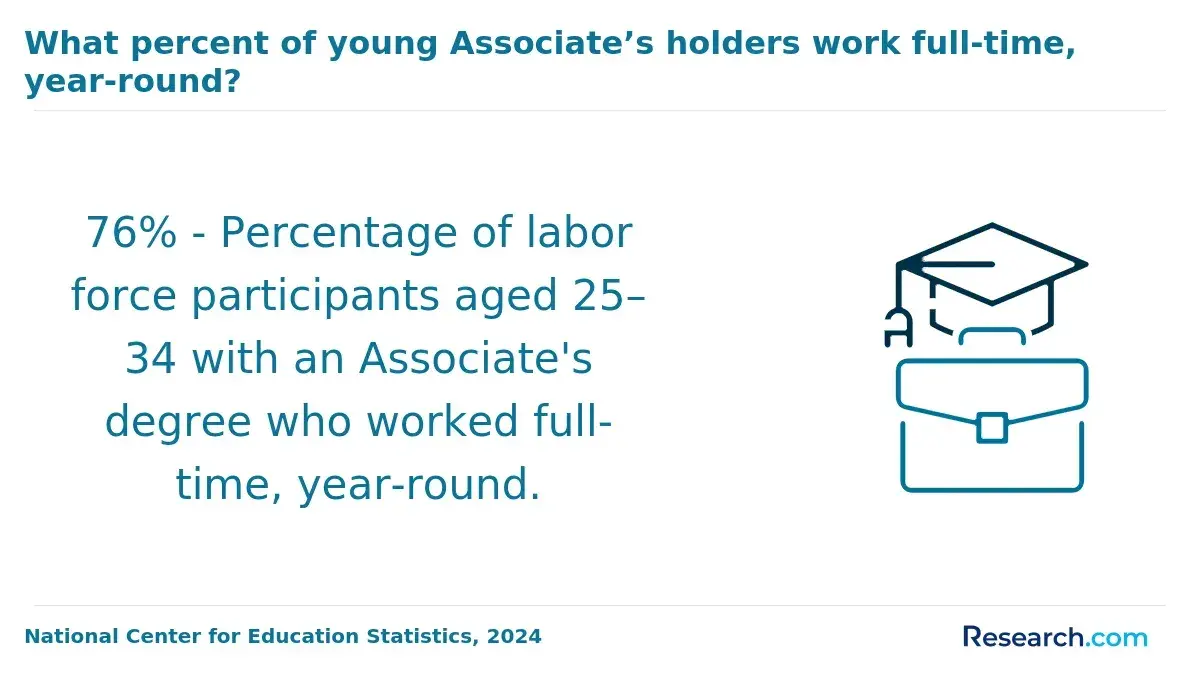
Time and cost depend on the credits still required, tuition and mandatory fees, course availability, and any placement or campus expenses. A full-time bachelor's typically takes multiple academic years from a first-year starting point; a master's may be shorter, but prerequisites, fieldwork, or a thesis can extend it. An accelerated term is not the same thing as an accelerated degree. A fast track bachelor degree option should be judged by its complete requirements and any transfer-credit assumptions, not just the length of one class.
Ask each school for an estimated total cost to finish at your expected pace: remaining tuition, required fees, materials, travel, and placement costs. Compare that estimate after any accepted transfer credit and available grants or employer benefits. Federal aid eligibility depends on the school, program, and student; complete the FAFSA and confirm how the school defines full-time enrollment for your degree level.
What Careers and Salaries Can Online Majors Lead To?
An online major can prepare you for work, but the occupation's hiring rules determine what comes next. For example, computer science study can support software-development applications, IT coursework can support technical roles, and an accredited social work pathway can lead toward roles with separate licensing requirements. The BLS May 2024 median wage for registered nurses was $93,600; that is an occupation-wide figure, not the expected pay from an online MSN.
Before treating any salary as a return on tuition, identify an entry-level role you could plausibly obtain with your current experience, then examine its typical education and licensing requirements. Senior management, advanced clinical practice, and specialized technical jobs may require years of work or credentials beyond the degree.
How Do You Choose a Reputable Online Degree Program?
Start with the occupation or advancement goal, then compare the specific online track that serves it. For adults balancing study with work, bachelor degree programs for working adults are worth comparing on predictable scheduling and accepted prior credit - not on speed claims alone.
Use this sequence to narrow your options before applying:
- Confirm institutional accreditation, any relevant programmatic accreditation, and state licensure eligibility.
- Request the required-course schedule and identify live sessions, campus visits, labs, proctoring, and local placements.
- Obtain a written evaluation of prior coursework and an estimate of remaining requirements and total cost.
- Ask how advising, field-placement support, and required courses work for full-time online students.
Red flags include a "fully online" claim that omits clinical requirements, a price that excludes mandatory fees, or a completion timeline that assumes transfer credit you do not have. If a school cannot clarify a requirement essential to your goal, compare another program before committing.
Other Things You Should Know About
Sometimes. Confirm the requirements for the exact program; online classes may still be paired with campus labs, residencies, or in-person placements.
It covers requirements more intensively, but difficulty depends on the courses and your other commitments. Check weekly deadlines and placement hours before choosing a load.
Choose one tied to an attainable entry role and check its prerequisites. A general master's may be a poor substitute for a required undergraduate degree, license, or supervised training.
An appropriately accredited degree can be recognized, but employer requirements differ. Verify accreditation, build relevant skills or experience, and check any license rules for your intended job.
References
- Will I need a license or certification for my job? | bls.gov https://www.bls.gov/careeroutlook/2016/article/will-i-need-a-license-or-certification.htm
- Chapter 3 - Courses and Enrollment, Full Course of Study, and Reduced Course Load | USCIS https://www.uscis.gov/policy-manual/volume-2-part-f-chapter-3
- Certification Procedures - Questions and Answers http://www.ed.gov/laws-and-policy/higher-education-laws-and-policy/certification-procedures-questions-and-answers
- DAPIP | Homepage - Office of Postsecondary Education (OPE) https://ope.ed.gov/dapip/
- Hybrid and Online Healthcare Certificates and Degrees | chcp.edu https://www.chcp.edu/degrees-certificates/online/
- The Major Payoff: Evaluating Earnings and Employment Outcomes Across Bachelor's Degrees - CEW Georgetown https://cew.georgetown.edu/cew-reports/major-payoff/
- How to Choose a Quality Online Graduate Program | Ole Miss https://olemiss.edu/blogs/online/how-to-chose-online-graduate-program/
- Cost of Attendance - Financial Aid and Scholarships | The University of Utah https://financialaid.utah.edu/tuition-and-fees/cost-of-attendance.php
- Tuition and Fees | Southern Connecticut State University https://inside.southernct.edu/onestop/bill-payment/tuition-fees
- 2026-2027 Direct Costs and Cost of Attendance - Financial Aid | University of Connecticut https://financialaid.uconn.edu/cost/