
2027 Best Online Career Programs for Single Parents

Co-Founder and Chief Data Scientist
For a single parent, the best career program must fit around childcare, work, and a realistic budget - not just lead to an appealing job title. Online options now span short certificates, bachelor's degrees, and career-advancing master's programs, but "online" does not always mean flexible.
The stakes are substantial: the U.S. Bureau of Labor Statistics (BLS) reports a 2024 median annual wage of $93,600 for registered nurses, a role that requires licensure and hands-on training. This guide compares program families, explains their hidden scheduling demands, and helps you choose a path you can finish.
Key Things You Should Know
- For a faster entry route, compare job-specific certificates and associate degrees before committing to a master's; most graduate programs require a bachelor's degree first.
- The maximum federal Pell Grant for 2025-26 was $7,395 for eligible undergraduates; graduate students generally cannot use Pell Grants, so credential level affects affordability.
- Before enrolling, confirm weekly live-class requirements, local placements, total cost, and state licensing eligibility. An online course schedule does not eliminate in-person training.
Top 10 Best Online Career Programs for Single Parents
Business Programs
An online MBA or specialized master's in accounting, analytics, or human resources can suit parents seeking advancement rather than their first job. Compare part-time course availability, group-project meeting times, and whether an employer will contribute to tuition. Accounting coursework may help meet educational requirements for CPA licensure, but requirements vary by state; an MBA does not itself confer a professional license or management role. For entry-level office work, a bookkeeping certificate or associate degree may cost less and provide a more direct starting point.
Healthcare Programs
Online master's programs in health administration or public health generally prepare bachelor's-degree holders for organizational, policy, or analytical work. They are not substitutes for clinical credentials. Parents seeking quicker entry might compare medical coding or health information programs, while checking whether employers expect certification or experience. Administration programs may include a practicum, and coding courses may have scheduled exams. Ask whether placements can be arranged near home and whether the program teaches skills used in the specific jobs you want.
Information Technology Programs
An online master's in information technology or cybersecurity can deepen technical skills for professionals who already have a bachelor's degree; some programs require programming or networking foundations. Entry-level IT support certificates or associate degrees offer a different, potentially shorter route. Projects and virtual labs may be completed from home, but team meetings and proctored exams can constrain schedules. Cybersecurity is rarely an automatic first job: compare a program's hands-on work with the experience required in local postings.
Computer Science Programs
Online computer science master's programs often emphasize algorithms, software engineering, or artificial intelligence. They usually suit parents with substantial math and programming preparation; bridge courses can add time and expense for career changers. An online bachelor's, post-baccalaureate certificate, or carefully chosen project-based course may be a better first step. Look for predictable access to required courses and portfolio-building assignments. A degree can strengthen applications, but employers may also assess coding ability and relevant experience.
Nursing Programs
Online nursing master's programs, including nurse practitioner and leadership pathways, generally require an existing nursing degree and active RN licensure. Even when classes are online, clinical hours, supervision, and state authorization can limit where students may enroll. A parent entering nursing instead needs an approved prelicensure pathway with in-person labs and clinical rotations. Ask who secures placements, when shifts occur, and whether the program meets your state's requirements. A graduate nursing degree alone does not grant advanced-practice licensure.
Psychology Programs
An online master's in psychology may support research, organizational, or further-study goals, but a general psychology degree usually does not qualify graduates to practice independently as psychologists. Counseling-oriented programs have different curricula and often require supervised fieldwork and state-specific licensure steps. Parents should distinguish a general psychology master's from a licensure-track counseling program before comparing tuition. Ask whether required placements are local, whether evening hours count, and what graduates are eligible to do immediately after completion.
Education Programs
Online master's programs in curriculum, instructional design, or educational leadership may suit teachers or professionals seeking advancement. Initial teacher-licensure programs are different: they can require student teaching during school-day hours, background checks, and state-approved coursework. Some leadership roles also require teaching experience. If daytime placement is impossible, consider a nonlicensure instructional-design program - but do not assume it qualifies you to teach. Confirm your state's rules and the school's placement arrangements before applying.
Criminal Justice Programs
An online criminal justice master's may help experienced practitioners study policy, investigations, or administration. It does not replace an agency's hiring process, academy training, or experience requirements. For parents entering the field, an associate or bachelor's program may be more appropriate, depending on the target role. Compare internships, shift expectations, and background-screening requirements against your career goal. If a record could affect hiring or licensure, seek guidance from the relevant employer or state authority before paying tuition.
Engineering Programs
Online engineering master's programs typically build on an engineering or closely related bachelor's degree and may require advanced math or campus-based labs. Some engineering management programs serve experienced professionals rather than preparing newcomers for engineering practice. Parents changing fields should compare an accredited undergraduate engineering pathway or engineering-technology option instead. Check lab access, project meeting times, and whether your intended occupation requires professional engineer licensure; state rules and qualifying experience matter beyond the degree.
Social Work Programs
An online Master of Social Work (MSW) can prepare eligible students for social work roles, but supervised field education usually occurs in person and may require substantial weekday availability. Advanced-standing routes are generally intended for applicants with a qualifying bachelor's in social work; they are not open to every bachelor's graduate. If clinical practice is the goal, confirm program accreditation and your state's post-degree supervision and examination rules. Ask how placements are found before assuming coursework flexibility extends to field hours.
What Are the Best Online Career Programs for Single Parents?
There is no single best online career program for every single parent. The strongest choice connects to a specific occupation, fits the hours you can reliably study, and has a manageable total cost. A short certificate may be best for near-term entry; a bachelor's may open a broader range of roles; a master's usually makes more sense when you already have the required degree and a defined advancement goal. Compare potential returns carefully rather than choosing solely from lists of highest paid degrees.
This comparison shows where common program types tend to fit. The timelines are broad planning guides, not promises; transfer credit, prerequisites, enrollment intensity, and course availability can change them.
| Program type | Often best for | Scheduling issue to check | Main limitation |
| Career certificate | Building skills for a defined entry-level role | Exam dates or required practice | May not carry academic credit or satisfy licensing rules |
| Associate degree | Entering a technical role or beginning a transfer pathway | Labs, clinicals, and course sequencing | Some occupations require further education |
| Bachelor's degree | Meeting a common education requirement or changing fields | Part-time access to required upper-level courses | Greater time and total-cost commitment |
| Master's degree | Specialization, advancement, or a specified professional pathway | Prerequisites, group work, and placements | Usually requires a bachelor's and may not independently confer licensure |
Begin with the job you want, then work backward to its usual entry requirements. If you cannot attend a required daytime clinical or practicum, a different field or a later start may be wiser than enrolling in a program you cannot complete.
Which Online Programs Offer the Fastest Path to Employment?
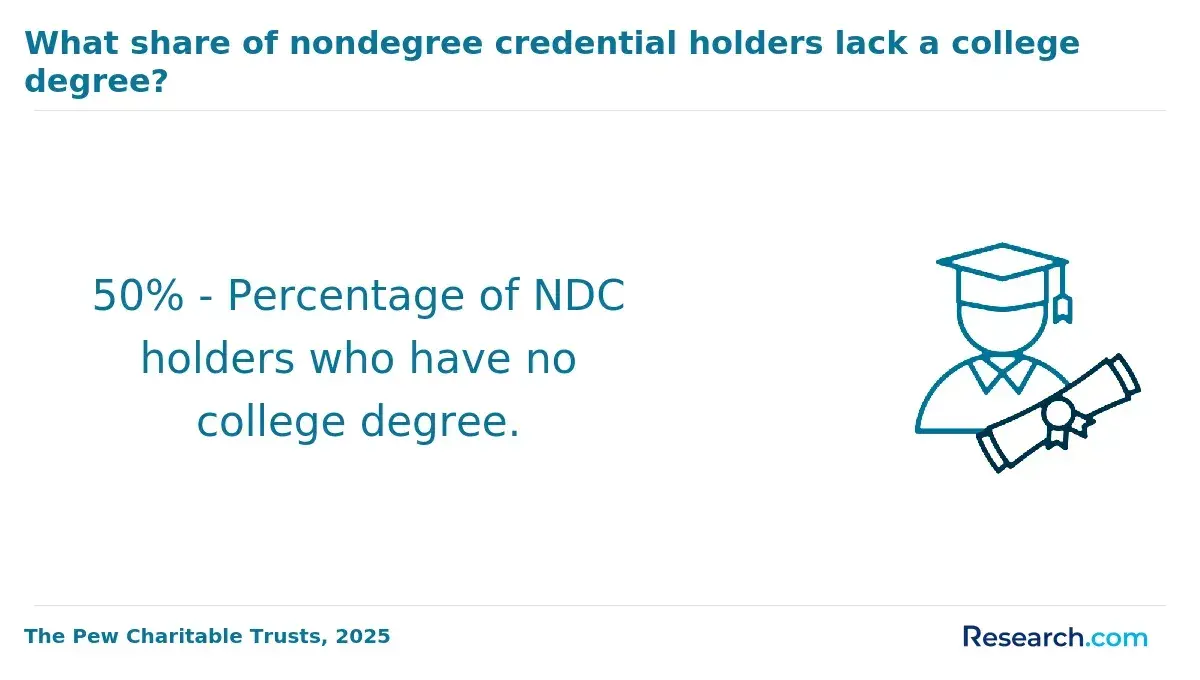
For many parents starting without a bachelor's degree, job-specific certificates can offer a shorter route to applications than degree programs. Examples include IT support, bookkeeping, and certain health information roles. Speed depends on prerequisites, hands-on requirements, exam preparation, and whether local employers accept the credential. Compare certification programs online with actual job postings: a training certificate awarded by a school is not necessarily the same as an industry certification earned through an exam.
If a role requires an associate degree, license, or supervised training, a short course cannot bypass those steps. Ask an admissions adviser for the complete course sequence and next available start dates, then ask a career adviser which employers recruit for the resulting credential. For parents with previous college coursework, request a degree audit before accepting an advertised completion timeline; accepted credits help only if they satisfy remaining requirements.
How Much Do Online Career Programs Cost for Single Parents?
Compare total out-of-pocket cost, not just advertised tuition per credit. Request an itemized estimate covering required credits, mandatory and technology fees, books, equipment, certification exams, travel to placements, and any additional childcare those placements require. Also ask what a part-time schedule does to fees and time to completion. A lower tuition rate can lose its advantage if required courses are offered infrequently or travel costs are high.
Federal aid depends on both the student's eligibility and the school and program's eligibility. Eligible undergraduates may qualify for Pell Grants; the published maximum for 2025-26 was $7,395, although individual awards depend on federal rules and enrollment. Graduate students generally rely on other funding, such as eligible federal loans, employer assistance, or scholarships. Complete the FAFSA and review the school's aid offer before comparing net costs. An easy certifications to get list can suggest alternatives, but verify exam fees and employer recognition before paying for one.
Which Online Career Programs Are Accredited and Financially Aid Eligible?
Start by checking that the institution has recognized institutional accreditation and that the specific program is eligible for the aid you plan to use. Accreditation is not the same as aid eligibility: not every short course or noncredit certificate qualifies for federal student aid. A school's financial aid office can confirm the status of the exact credential and enrollment format.
For regulated occupations, check the relevant programmatic approval or accreditation separately. Nursing applicants should confirm state board approval for prelicensure study; social work applicants considering an MSW should check accreditation recognized for their intended licensing path. Teacher preparation, counseling, and engineering have their own occupation- and state-specific considerations. Do not infer that an institution's accreditation alone makes every online program eligible for professional licensure.
What Admission Requirements Apply to Online Career Programs?
Requirements depend on the credential. Certificates may ask for a high school diploma or equivalent and prerequisite skills. Associate and bachelor's programs typically require prior school transcripts; selective healthcare programs may add science prerequisites, placement requirements, immunizations, or background checks. Master's programs normally require a bachelor's degree, and some require field-specific coursework, professional experience, an active license, or a portfolio. GPA and test policies vary by program, so verify the current admissions page rather than assuming a schoolwide policy applies.
A background check for a placement is not necessarily the same as an admission decision or a future employer's screening. Applicants concerned about eligibility can review guidance on college degrees for felons, then ask the program and relevant licensing board how their specific circumstances affect placements and licensure. Before applying, request a review of prior credits and ask which prerequisites remain; an offer of admission does not mean those credits will satisfy the major.
How Do Online Career Programs Compare With Campus-Based Programs?
Online study can reduce commuting and make recorded lessons easier to fit around parenting. Campus study can offer a predictable place to work and direct access to equipment. Neither format automatically solves childcare: online programs may still have fixed deadlines, live sessions, proctored exams, or daytime placements.
The comparison below highlights the scheduling differences most likely to affect completion. Check the actual timetable for required courses rather than relying on a program's general description.
| Factor | Online program | Campus-based program |
| Class access | May offer recorded material, live meetings, or both | Usually requires travel at scheduled times |
| Hands-on work | May require local labs, clinicals, or placements | May provide on-site facilities, with placements still possible |
| Peer and instructor contact | Often uses discussion boards and virtual meetings | Allows routine in-person interaction |
| Household costs | May reduce commuting but require reliable internet and home study space | May add commuting and childcare during travel |
For a parent whose available hours change weekly, asynchronous courses with predictable deadlines may be easier than live classes. If home is not a workable study space or a program requires frequent lab access, a nearby campus or hybrid option may be the better fit.
What Do Online Career Programs Teach and How Long Do They Take?
Career programs teach different combinations of general education, occupational theory, and applied skills. IT programs may use troubleshooting labs; business programs may require accounting or analytics projects; healthcare and human-service programs may add supervised practice. Master's programs often include advanced coursework and a capstone, thesis, or practicum, depending on their purpose. Read the required-course list: a program with an attractive title may focus on research or administration rather than the work you intend to do.
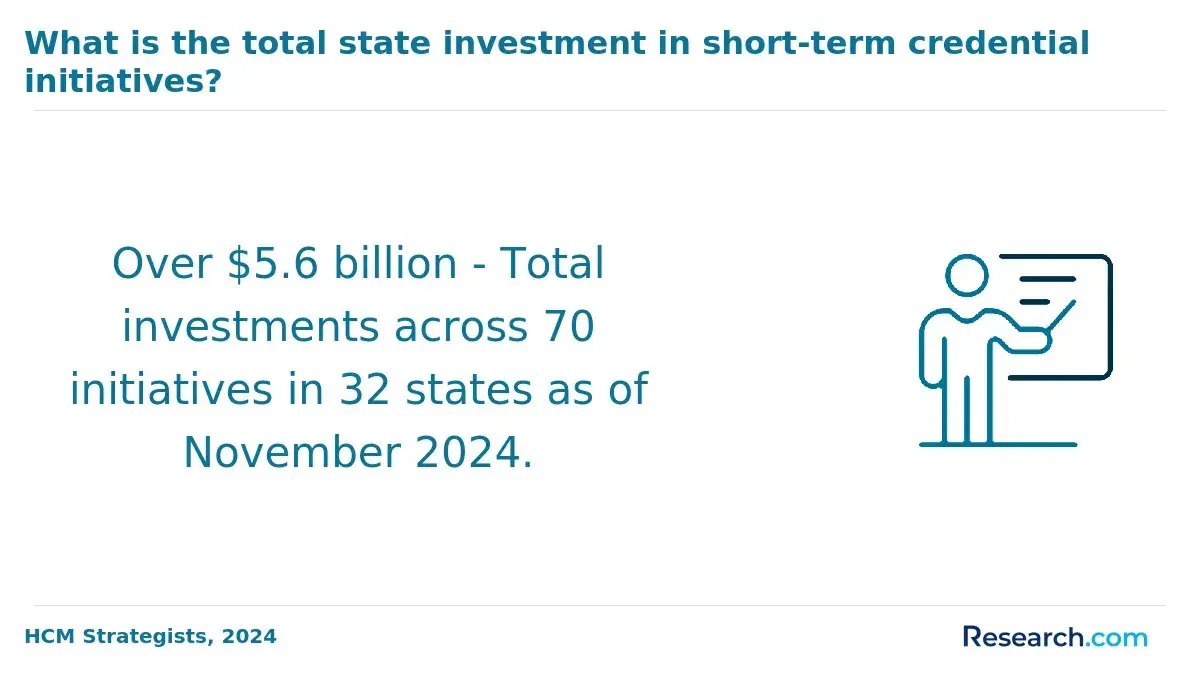
Completion time is a function of remaining requirements, not the length of a single online class. Short certificates may take months, while degrees commonly take years, particularly part time. Prerequisites, course sequencing, and placements can extend either route. Ask for a term-by-term plan based on your transcripts and realistic weekly availability. If a school offers prior-learning assessment or transfer credit, obtain written confirmation of how the award applies to your specific credential and what must still be completed there.
What Careers, Salaries, and Job Outlooks Follow These Programs?
Match the credential to a realistic entry point before weighing pay. The BLS wage figures below describe all workers in an occupation, not the expected salary of a new graduate or the return on a particular online program. Location, experience, licensing, and employer requirements affect individual outcomes.
These examples illustrate why a program's occupational target matters. Review current BLS outlook information and local openings for your intended role as well as the national wage measure.
| Occupation | 2024 U.S. median annual wage | Education or experience caution |
| Medical records specialist | $50,250 | Employers may prefer a postsecondary certificate or certification; duties vary. |
| Registered nurse | $93,600 | Requires an approved nursing education pathway and state licensure. |
| Software developer | $133,080 | Typically requires substantial programming skills; a short certificate alone may not suffice. |
Demand also differs by specialty and location. Automation and AI may change tasks in coding, software, and administrative work, making practical projects and the ability to learn new tools valuable; they do not erase licensing or hands-on requirements in clinical roles. When comparing potential returns, weigh expected time out of work, likely borrowing, and the entry-level jobs you can actually pursue - not the occupation's median wage alone.
Which Licenses and Certifications Do Online Career Programs Require?
Licensing and certification rules depend on the job and, often, the state where you will work. Registered nurses need state licensure and must meet examination requirements. Licensed clinical social workers generally need an appropriately qualifying degree, supervised experience, and a state examination after graduation. Teachers and counselors face their own state-specific preparation and assessment rules. By contrast, many business and IT roles are not state-licensed, although employers may value particular certifications.
Before enrolling in a licensure-oriented program, identify the state where you plan to practice and obtain confirmation that the program's curriculum and placements meet its requirements. Ask who arranges supervision, which expenses are excluded from tuition, and whether certification exams are optional or required for the target role. A common - and costly - mistake is treating an online degree, a school-issued certificate, professional certification, and a license as interchangeable credentials.
Other Things You Should Know About
Often, yes, but confirm that required courses are offered part time and that placements or live meetings fit your schedule. Part-time study usually increases the time to completion.
Coursework may be online, but initial nursing and teacher preparation generally include in-person clinical training or student teaching. Confirm local placement availability before enrolling.
Choose the credential your target job calls for. A certificate may suit a defined entry-level skill; a degree may be necessary for broader advancement or a regulated role. Check employer requirements before paying.
Compare itemized total costs and aid offers, ask about employer assistance, and request a written transfer-credit evaluation. Count exam, equipment, travel, and childcare costs alongside tuition.
References
- Program Eligibility, Written Arrangements, and Distance Education | 2024-2025 Federal Student Aid Handbook https://fsapartners.ed.gov/knowledge-center/fsa-handbook/2024-2025/vol2/ch2-program-eligibility-written-arrangements-and-distance-education
- Half-Time Enrollment | studentaid.gov https://studentaid.gov/help-center/answers/article/half-time-enrollment
- High-Demand Fields - Texas Higher Education Coordinating Board https://www.highered.texas.gov/community-college-finance/high-demand-fields/
- Accreditation in the U.S. | ed.gov http://www.ed.gov/laws-and-policy/higher-education-laws-and-policy/college-accreditation/accreditation-in-the-us
- Learning Modalities | SUNY Downstate https://www.downstate.edu/education-training/school-of-public-health/for-current-students/learning-modality.html
- Quick college credentials: Student outcomes and accountability policy for short-term programs | Brookings https://www.brookings.edu/articles/quick-college-credentials-student-outcomes-and-accountability-policy-for-short-term-programs/
- Eligibility for financial aid | Twin Cities One Stop Student Services https://onestop.umn.edu/finances/financial-aid/eligibility-financial-aid
- Synchronous and Asynchronous Interactions - MEHP | UPenn https://improvinghealthcare.mehp.upenn.edu/resource/synchronous-and-asynchronous-interactions
- Admission to the Ed Tech Program | Cal State LA https://www.calstatela.edu/edtech/admission-ed-tech-program


