
2027 Best Degrees With Weekend Classes

Co-Founder and Chief Data Scientist
A weekday job can make a degree feel out of reach, but a "weekend program" may still require weekday clinical hours, group meetings, or fieldwork. That distinction matters when choosing a field, not just a school. The U.S. Bureau of Labor Statistics projected 17% employment growth from 2023 to 2033 for software developers, quality assurance analysts, and testers combined - one reason working adults may be weighing further education.
This guide compares degree fields that may offer weekend classes, identifies their scheduling trade-offs, and shows you what to verify before enrolling.
Key Things You Should Know
- Business, IT, and some computer science master's programs may be easier to fit around weekday work than clinical or licensure-focused degrees, but weekend availability must be confirmed for the specific program.
- A weekend class schedule does not eliminate weekday internships, labs, clinical placements, student teaching, or deadlines; ask for a term-by-term schedule before committing.
- Compare total cost and career fit, not scheduling alone: the Bureau of Labor Statistics reported a May 2023 median wage of $86,070 for registered nurses, but a nursing degree does not by itself establish licensure eligibility or guarantee that wage.
Top 10 Best Degrees With Weekend Classes
Business Programs
An MBA or master's in management can suit employed professionals who want scheduled peer discussion and can attend a recurring weekend cohort. Finance, accounting, and analytics concentrations may add technical coursework. Compare Saturday attendance rules, group-project expectations, employer tuition assistance, and whether a capstone requires weekday access to an organization. An MBA is not necessary for every management job; a specialized master's may be a better fit if you have a specific accounting or analytics goal. Verify the actual timetable rather than assuming an executive or part-time label means weekend-only.
Healthcare Programs
Master's degrees in healthcare administration or public health may work well for people who need weekend lectures while remaining employed. Healthcare administration generally emphasizes operations and finance; public health focuses more on population health, research, and policy. A management-oriented program may ask for professional experience, while a public health program may include a practicum with weekday agency hours. Choose based on the work you want to do, and check whether any credential or job you are targeting has separate requirements.
Information Technology Programs
A master's in information technology, cybersecurity, or information systems can suit working adults seeking applied systems, security, or project responsibilities. Weekend seminars may be manageable, but labs, team projects, and employer-based projects can extend into the week. Compare the curriculum with jobs you actually want: a cybersecurity degree is not a substitute for hands-on experience, and some roles value certifications. Ask whether required software, virtual labs, and live sessions are accessible outside standard business hours.
Computer Science Programs
A computer science master's is often more theoretical and programming-intensive than an IT degree. It may suit software professionals seeking deeper work in algorithms, artificial intelligence, or computing systems; applicants changing fields may need prerequisite math and programming courses. Weekend lectures do not mean weekend-only study: substantial coding and collaboration happen between meetings. Check prerequisite policies, course rotation, and whether the thesis or capstone can be completed around full-time employment.
Nursing Programs
RN-to-MSN and other nursing master's pathways may offer weekend classes for licensed nurses, but admission commonly depends on prior nursing education and an active license. Nurse practitioner and other clinical tracks require supervised practice that may follow a preceptor's weekday schedule. Accreditation, state authorization, placement support, and eligibility for the intended certification or license matter more than convenient lectures. If you cannot reduce weekday work hours, get written clarification about clinical scheduling before applying.
Psychology Programs
A psychology master's may emphasize research, applied psychology, or preparation for further study; these are not interchangeable with a licensure-qualifying counseling or clinical pathway. Weekend coursework can help employed students, but research meetings, practicums, and supervised training may require weekday availability. Identify the occupation first, then confirm the required degree, program accreditation where applicable, and state licensing rules. Do not assume that a general psychology master's qualifies you to practice independently.
Education Programs
Master's degrees in curriculum and instruction or educational leadership can be practical for teachers who can attend weekend classes. Programs leading to initial teaching credentials or administrator licensure are different: they may require student teaching, supervised school-based experience, or an existing license. Those activities usually follow school schedules, not weekend class schedules. Check whether the degree is intended for advancement, a new endorsement, or initial licensure in your state.
Criminal Justice Programs
A criminal justice master's may appeal to professionals interested in policy, leadership, research, or public-sector administration. Weekend seminars can accommodate shift workers, although rotating shifts may make fixed Saturday attendance harder than asynchronous study. Review whether the program teaches the analytical or management skills your target employer seeks. A graduate degree does not replace agency hiring standards, required training, background checks, or experience for law enforcement and related roles.
Engineering Programs
A master's in engineering or engineering management may offer weekend coursework for employed engineers. Technical tracks can require specialized labs or a tightly sequenced set of courses, while engineering management often centers on projects and operations. Confirm how frequently required courses run and whether any lab, research, or capstone activity needs weekday access. If professional engineer licensure is your goal, verify the applicable state board's education and experience rules separately; a weekend master's does not confer a license.
Social Work Programs
A Master of Social Work can prepare students for social work practice, but field education is a major scheduling constraint even when classes meet on weekends. Placements depend on agency and supervisor availability and may require weekday hours. Applicants with an eligible social work bachelor's degree may qualify for an advanced-standing pathway; eligibility and remaining field requirements vary. Check program accreditation and your state's clinical licensure rules, which typically involve requirements beyond earning the degree.
What Degrees Can You Earn Through Weekend Classes?
Weekend classes can be part of associate, bachelor's, or master's degrees, but this guide's field comparisons focus on master's options. A weekend degree is a regular academic credential delivered partly or primarily through Saturday or Sunday classes - not a separate type of degree. Whether the full program is available on weekends depends on the institution, campus, term, and required courses.
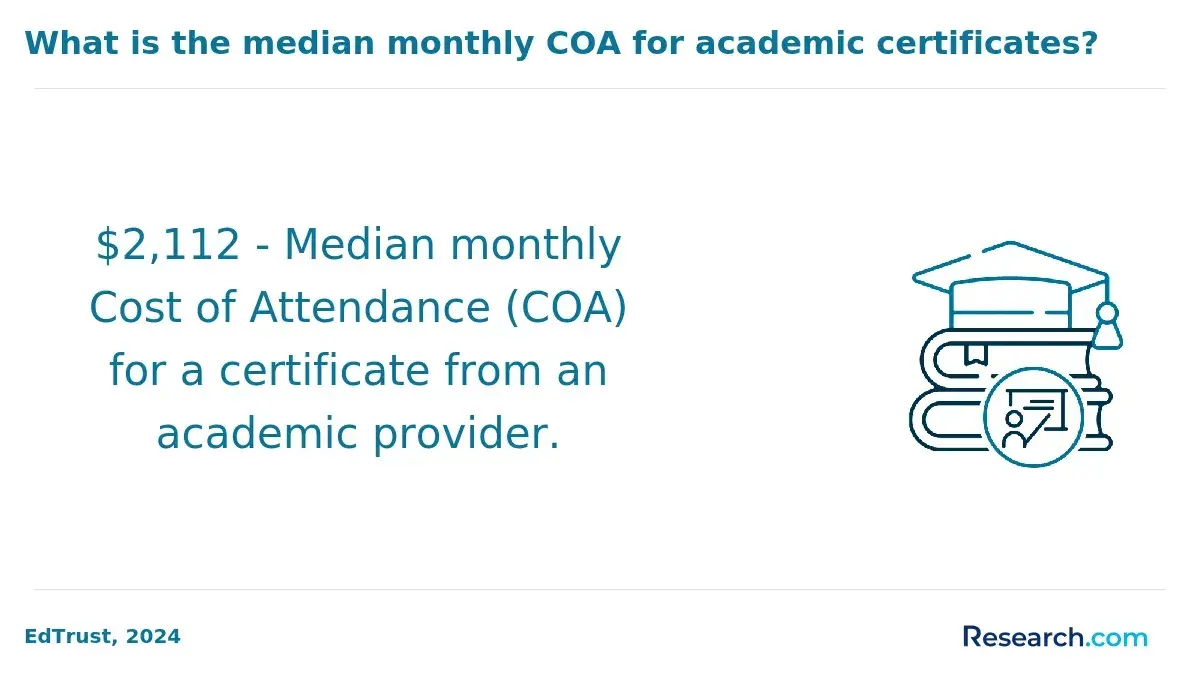
If you need a specific skill rather than a graduate credential, compare the time and cost of a degree with 6 month certificate programs that pay well. A certificate may be a narrower path, but it will not substitute for a degree or license when an occupation requires one.
Are Weekend Degree Programs Accredited and Respected?
Weekend scheduling does not determine whether a degree is accredited or respected. Check the institution's accreditation through the U.S. Department of Education or its recognized accreditor, then check programmatic accreditation when your intended license, certification, or employer requires it. For example, the relevant program review matters especially when comparing nursing or social work pathways.
Employer perceptions may also depend on the curriculum, your experience, and how well the degree matches the role. If you are comparing schools, a list of top online colleges can be a starting point, not proof that a particular degree offers weekend classes or meets your state's professional requirements.
How Do Online, Hybrid, and Campus Weekend Programs Compare?
The most workable format depends on what happens between scheduled classes. This comparison separates the advertised delivery mode from the time commitments you should investigate.
| Format | Potential advantage | Scheduling constraint to verify |
| Online with live weekend meetings | No routine commute to class | Required attendance, time zone, and weekday group work |
| Hybrid weekend program | In-person discussion with some remote coursework | Campus frequency, travel costs, and required weekday activities |
| Campus weekend program | Regular face-to-face access to classmates and facilities | Commute, Saturday or Sunday attendance, and course availability |
Asynchronous online courses may offer more control over study hours, but they still have deadlines. None of these formats ensures that clinicals, placements, labs, or internships can be completed on weekends.
What Do You Learn in a Weekend Degree Program?
You learn the same field-specific material required by your degree, whether classes meet on weekends or weekdays. Business students may study finance and strategy; IT students may complete systems or security projects; social work students may combine practice courses with supervised field education. Programs can also require electives, a capstone, thesis, examination, internship, or clinical training.
The question is not whether weekend classes teach a different curriculum, but whether you can complete every required component on a workable schedule. Request a degree map showing required courses, their usual meeting times, and when experiential work begins.
What Are the Admission Requirements for Weekend Degree Programs?
Most master's applicants need an eligible bachelor's degree and transcripts. Depending on the program, admission may also involve prerequisite coursework, a résumé, recommendations, a statement of purpose, an interview, or professional experience. Test policies and GPA expectations vary; a university's general graduate admission policy may not govern a selective nursing, engineering, or other professional program.
Ask admissions to distinguish requirements for entry from requirements you can complete later. If you need foundation courses or an active professional license, those conditions can change both your start date and your ability to follow the advertised weekend sequence.
How Long Do Weekend Degrees Take and What Do They Cost?
Completion time depends on required credits, part-time course load, course rotation, prerequisites, and any thesis or supervised practice - not simply on whether classes meet on weekends. A fast classroom sequence may still be slowed by a clinical placement or a required course offered infrequently. Confirm whether an advertised timeline assumes prior graduate credit or advanced standing, and obtain an individual evaluation before counting on transferred coursework.
For cost, compare the total amount needed to finish: tuition for remaining credits, mandatory and program fees, books or software, travel, and any income lost to required placements. Compare aid eligibility and employer assistance before choosing a higher-priced but shorter option. A guide to the cheapest online master's degree options may help you identify alternatives, but published tuition alone will not establish your total cost.
Which Careers Can You Pursue With a Weekend Degree?
Career fit should guide your degree choice before weekend convenience does. These examples show how a field may connect to work - and where the credential alone has limits.
| Degree field | Potential direction | Important qualification |
| Business or healthcare administration | Operations or management roles | Employers may expect relevant experience |
| IT or computer science | Systems, security, or software work | Practical skills and technical experience matter |
| Nursing or social work | Specialized professional practice | Licensure, supervised work, or certification may be required |
| Education | Teaching or school leadership | State credentials and school-based experience may apply |
If your target job does not require a master's, compare the degree with a shorter credential or experience-building route before taking on its cost.
What Salaries and Job Outlook Can Weekend Degrees Offer?
Use occupational data to test whether a career goal is plausible, not to predict a graduate's pay. The Bureau of Labor Statistics reported a May 2023 median wage of $132,270 for software developers. That is the median for people employed in the occupation - not the expected salary from a weekend computer science or IT degree. Experience, location, employer, and technical skills affect individual offers, and many software roles do not require a master's.
Job-growth projections describe occupations rather than degree outcomes. Before paying for a program, compare its total cost and time commitment with job postings for your intended role, including their stated experience and licensing requirements.
How Can You Choose a Reputable Weekend Degree Program?
Start with your target role, then test whether the program's full schedule - not just its weekend lectures - fits your life. The following checks help uncover expensive or disruptive surprises before you enroll:
- Request a term-by-term schedule for required courses, live meetings, campus visits, and any clinical, lab, internship, or student-teaching hours.
- Verify institutional accreditation and, where needed, programmatic accreditation and state licensure eligibility with the appropriate authoritative bodies.
- Ask for an evaluation of eligible transfer credit or advanced standing, plus an estimate of remaining credits, required fees, and total completion time.
- Compare the curriculum with actual job requirements and ask how the school supports students whose work schedules change.
Be wary of a "weekend-only" claim that excludes required fieldwork, or a short completion promise that assumes qualifications you do not have. If speed is your main priority, compare a 1 year masters degree with a weekend pathway only after checking the full-time workload and prerequisites each requires.
Other Things You Should Know About
Sometimes, but do not assume so. Required courses may have weekend meetings while exams, group projects, labs, or field placements require other hours. Ask for the complete schedule in writing.
The meeting day does not determine a degree's standing. Check accreditation, curriculum, professional eligibility where relevant, and how well the program serves your career goal.
Business, IT, and some computer science programs may have fewer location-specific requirements than clinical or school-based degrees. Your best fit still depends on attendance rules, workload, and course availability.
Possibly. The school must determine whether previous graduate coursework is eligible and applies to the degree; residency requirements and required capstones or placements may still limit the time saved.
References
- Program Integrity and Institutional Quality: Distance Education and Return of Title IV, HEA Funds | Federal Register https://www.federalregister.gov/documents/2025/01/03/2024-31031/program-integrity-and-institutional-quality-distance-education-and-return-of-title-iv-hea-funds
- Key Standards in the Regulations | New York State Education Department https://www.nysed.gov/college-university-evaluation/key-standards-regulations
- Occupational License - Labor Market Information https://labormarketinfo.edd.ca.gov/data/occupational-license.html
- Certification Procedures - Questions and Answers http://www.ed.gov/laws-and-policy/higher-education-laws-and-policy/certification-procedures-questions-and-answers
- How Many Hours of Work Per Online Course Credit | ASU Online https://asuonline.asu.edu/newsroom/online-learning-tips/discover-weekly-number-hours-online-students-study/
- Considering Student Workload | CITT - University of Florida https://citt.it.ufl.edu/resources/course-design-basics/develop-and-implement/considering-student-workload/
- Affordable Online Degrees & Tuition Costs | University of Kansas https://online.ku.edu/affordable-online-degrees
- Executive MBA NYC admissions overview | Cornell SC Johnson College of Business https://business.cornell.edu/admissions/graduate/emba/nyc/
- Transfer Policy - Admissions | towson.edu https://catalog.towson.edu/undergraduate/admissions/undergraduate-admissions/transfer-policy/
- Degree Programs | CSULB - CPaCE https://www.cpace.csulb.edu/courses/degree-programs





