
2027 How to Become a Women’s Health Nurse Practitioner

Co-Founder and Chief Data Scientist
Becoming a women’s health nurse practitioner is a major career decision, especially for registered nurses who want more clinical autonomy and for future nurses trying to map out the fastest realistic route into women’s healthcare. The path requires more than choosing a graduate program. You need the right nursing foundation, RN licensure, supervised clinical preparation, national certification, and state approval to practice.
This guide explains how to become a women’s health nurse practitioner for 2027, what WHNPs actually do, how the role compares with OB-GYNs and nurse midwives, how long training takes, what programs teach, what the career pays, and which legal, financial, and admissions factors can affect your decision. It also addresses why the role matters: WHNPs help patients navigate reproductive health, preventive screenings, pregnancy-related care, menopause, chronic conditions, and gynecologic cancer concerns, including the more than 110,000 annual cases of gynecologic cancer, with uterine cancer being the most common and ovarian cancer the deadliest.
Quick Answer: How to Become a Women’s Health Nurse Practitioner
To become a women’s health nurse practitioner, you generally need to become a registered nurse, earn an advanced nursing degree such as an MSN or DNP with a WHNP focus, complete required clinical hours, pass the National Certification Corporation WHNP exam, and meet your state’s nurse practitioner licensure rules. Most WHNP programs take 2-4 years, depending on whether you enroll full time or part time.
- WHNPs usually need an MSN or DNP, supervised clinical training, national board certification, and state APRN licensure.
- 47% of nurse practitioners hold a master's degree, making the MSN the most common education route.
- Most WHNP graduate programs take 2-4 years to complete.
- The average WHNP salary in 2025 is $116,354, with entry-level wages around $90,000 and experienced WHNPs earning over $130,000.
- The job outlook for nurse practitioners is projected to grow 46% from 2023 to 2033, much faster than other careers.
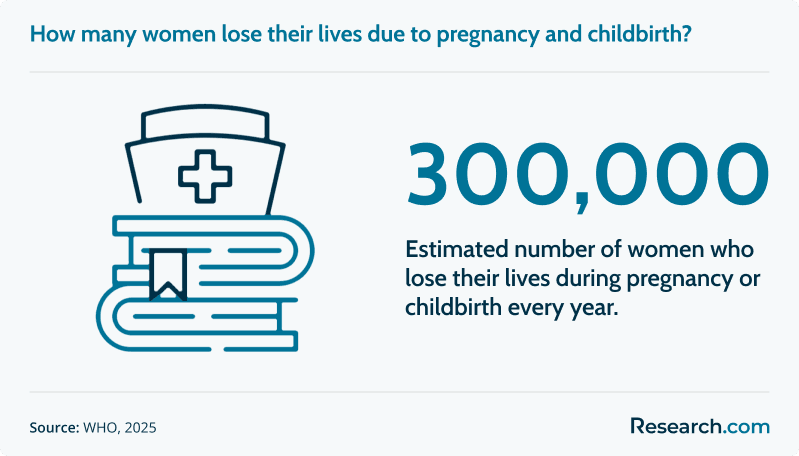
- More than 300,000 women die from pregnancy or childbirth complications each year, which underscores the need for stronger access to women’s healthcare providers.
- How do you become a women’s health nurse practitioner for 2027?
- What does a women’s health nurse practitioner do?
- WHNP vs. OB-GYN vs. nurse midwife: what is the difference?
- How long does it take to become a WHNP?
- What classes are included in a WHNP program?
- Which clinical skills matter most for WHNPs?
- What is the fastest pathway to becoming a women's health nurse practitioner?
- How do I choose a quality WHNP program?
- What are the financial considerations and scholarship opportunities for WHNP programs?
- How does an RN to BSN online program support a future WHNP career?
- What continuing education and advancement options are available for WHNPs?
- What are the best WHNP specializations and career paths?
- Should I consider online advanced programs for a WHNP career?
- What legal and regulatory factors should WHNPs consider?
- Are affordable online WHNP programs a reliable option?
- Can I enroll in an RN to BSN program without clinical hours?
- How much do women's health nurse practitioners make?
- What is the job outlook for women's health nurse practitioners?
- What challenges do WHNPs face for 2027?
- How can you navigate admissions challenges in WHNP programs?
How do you become a women’s health nurse practitioner for 2027?
The WHNP pathway begins with RN preparation and ends with advanced practice licensure. The exact requirements vary by state and school, but most candidates follow the same sequence: nursing degree, RN license, clinical experience, graduate WHNP education, national certification, and state authorization to practice.
- Earn an entry-level nursing degree. You can begin with an Associate Degree in Nursing (ADN) or a Bachelor of Science in Nursing (BSN). A BSN is usually the stronger choice if you already know you want graduate-level nurse practitioner training.
- Pass the NCLEX-RN and become licensed as an RN. After graduation, you must pass the NCLEX-RN and satisfy your state board of nursing’s licensing requirements.
- Build relevant clinical experience. Work as an RN in settings that strengthen your assessment, communication, documentation, and patient education skills. Experience in OB-GYN, labor and delivery, reproductive health, oncology, primary care, or community health can be especially useful.
- Complete an accredited WHNP graduate program. Most WHNPs earn a Master of Science in Nursing. In 2025, 47% of nurse practitioners hold a master's degree, which shows why the MSN remains the most common route. Some working nurses compare flexible online WHNP programs when they need to continue working while completing graduate coursework.
- Pass the WHNP certification exam. Graduates typically pursue the National Certification Corporation WHNP credential, which verifies advanced preparation in women’s health.
- Apply for state nurse practitioner licensure. Each state sets its own APRN rules. You may need to submit transcripts, proof of certification, application forms, background checks, and fees.
State requirements deserve careful attention because WHNP authority is not identical nationwide. In many states, you may also need to complete steps related to prescribing authority, continuing education, and collaborative practice.
- Application documents: Most boards require proof of graduate education, RN licensure, national certification, and identity verification.
- Licensing fees: Fees vary but generally range from $100 to $500.
- Continuing education: Many states require recurring CE hours to keep your license active.
- Prescriptive authority: Some states require a separate prescribing application or pharmacology documentation.
- Practice authority: Some jurisdictions allow full practice authority, while others require physician collaboration or supervision.
| Step | What you need to do | Why it matters |
| Complete RN education | Earn an ADN or BSN | Provides the nursing foundation required for licensure and future graduate study |
| Become licensed | Pass the NCLEX-RN and meet state rules | Allows you to practice as a registered nurse |
| Gain experience | Work in patient care, ideally in women’s health or primary care | Builds clinical judgment and strengthens graduate applications |
| Finish WHNP graduate training | Complete an MSN or DNP WHNP program with clinical hours | Prepares you for advanced assessment, diagnosis, treatment, and patient education |
| Earn certification and licensure | Pass the NCC exam and apply through your state board | Gives you the credential and legal authority to practice as a WHNP |
The chart below lists the most common nurse practitioner education levels, as Zippia reported in 2025.
What does a women’s health nurse practitioner do?
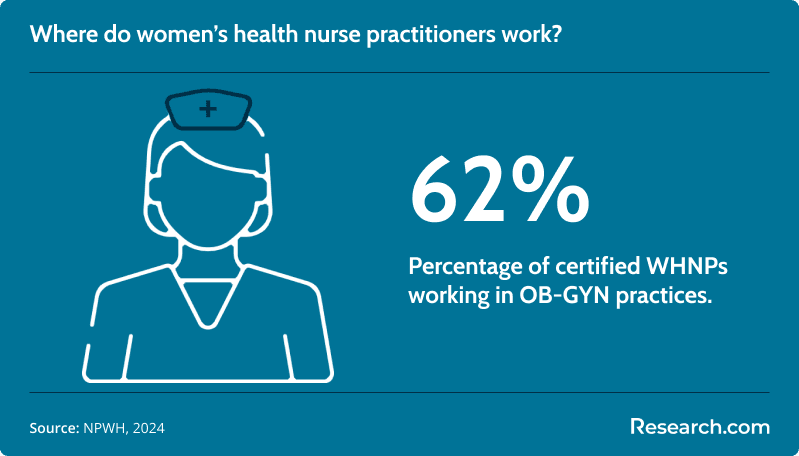
A women’s health nurse practitioner is an advanced practice registered nurse who provides specialized care related to reproductive, gynecologic, sexual, preventive, and primary health needs. WHNPs often serve patients from adolescence through older adulthood, and many work in outpatient clinics, OB-GYN practices, hospitals, public health programs, student health centers, fertility clinics, and specialty practices.
- Preventive and primary care: WHNPs perform wellness visits, cancer screenings, STI screening, risk assessments, and counseling on nutrition, exercise, smoking cessation, and preventive health.
- Reproductive and gynecologic care: They provide contraception counseling, evaluate menstrual concerns, support fertility-related care, and manage menopause symptoms.
- Pregnancy-related support: WHNPs may provide prenatal education, routine pregnancy monitoring, postpartum follow-up, and referrals for higher-risk needs.
- Chronic condition management: They help address conditions that affect women’s long-term health, including PCOS, endometriosis, osteoporosis, heart disease, and other chronic concerns.
- Mental and sexual health care: WHNPs may screen for postpartum depression, sexual dysfunction, trauma exposure, and intimate partner violence, then provide care coordination or referrals.
- Education and advocacy: A major part of the role involves helping patients understand options, ask informed questions, and make decisions aligned with their health goals.
The role is clinical, educational, and relational. WHNPs do not simply treat symptoms; they help patients navigate sensitive health decisions over time. Nurses interested in whole-person approaches may also find value in learning how to start a career in holistic nursing, since integrative care principles often complement women’s health practice.
WHNP vs. OB-GYN vs. nurse midwife: what is the difference?
WHNPs, OB-GYNs, and certified nurse midwives all work in women’s health, but they are trained for different responsibilities. The best path depends on whether you want to practice nursing at an advanced level, become a physician, or specialize in pregnancy and birth care.
| Role | Training route | Primary focus | Typical limits |
| Women’s health nurse practitioner | RN license plus MSN or DNP WHNP preparation | Reproductive health, gynecologic care, preventive care, chronic disease support, patient education | Does not perform surgery and typically does not attend births as the delivering provider |
| OB-GYN | Medical school plus residency | Full-spectrum obstetric and gynecologic medical care, including complex cases and surgery | Longer medical training route and physician practice model |
| Certified nurse midwife | RN background plus graduate midwifery preparation | Pregnancy, labor, birth, postpartum care, and reproductive health | More centered on childbirth and maternal care than the broader WHNP scope |
- WHNP compared with OB-GYN: An OB-GYN is a physician who completes medical school and residency and can manage surgical care, high-risk pregnancy, and complex gynecologic disease. WHNPs focus on advanced nursing care, preventive services, routine gynecologic concerns, reproductive counseling, and referral coordination when physician-level intervention is needed.
- WHNP compared with nurse midwife: Certified nurse midwives concentrate heavily on pregnancy, labor, delivery, and postpartum care. WHNPs may be involved in prenatal and postpartum care, but their role usually extends more broadly into gynecologic health, menopause, contraception, cancer screening, and chronic disease management.
- When WHNP may be the better fit: The WHNP route can appeal to nurses who want outpatient-centered advanced practice, continuity with patients, and a women’s health focus without the surgical path of medicine or the birth-attendance focus of midwifery. Some students also compare WHNP with the easiest nurse practitioner specialties when weighing admissions, scheduling, and work-life factors.
How long does it take to become a WHNP?
The full timeline to become a women’s health nurse practitioner is commonly six to eight years, but it can be shorter or longer depending on your starting point, whether you already have a BSN, how much RN experience you gain, and whether you attend graduate school full time or part time.
| Stage | Typical time | Decision point |
| Entry-level nursing degree | 2–4 years | An ADN can be faster, while a BSN is often preferred or required for WHNP graduate admission |
| RN licensure and work experience | 1–2 years | Women’s health experience can strengthen readiness, but requirements vary by program |
| WHNP graduate program | 2–3 years | Full-time study is faster; part-time study may be better for working nurses |
| Certification and state licensure | A few months | Processing time depends on exam scheduling and state board review |
- Nursing degree: Becoming an RN is the first milestone. A BSN takes four years, while an ADN can take two years. Students searching for the fastest way to become a nurse should still check whether their eventual WHNP programs require a BSN.
- RN license and experience: You must pass the NCLEX-RN. Many WHNP programs prefer applicants who have at least one year of clinical nursing experience, particularly in areas connected to women’s health.
- Graduate WHNP education: MSN programs with a WHNP concentration often take two to three years, though part-time formats can extend the timeline.
- Certification and licensure: After graduation, you still need certification and state approval before practicing as an NP.
The fastest realistic route is usually for a BSN-prepared RN who has already gained relevant clinical experience and enters a full-time MSN WHNP program. Nurses who start with an ADN, need a BSN bridge, or continue working while studying should expect a longer path.
What classes are included in a WHNP program?
A WHNP curriculum combines advanced nursing science with specialized training in women’s health assessment, diagnosis, treatment planning, prevention, counseling, and clinical decision-making. Programs are designed to prepare students for certification and advanced practice responsibilities, not just classroom knowledge.
- Advanced pathophysiology: Students examine disease processes and how conditions present across the lifespan, including issues that uniquely or disproportionately affect women.
- Advanced pharmacology: Coursework covers medication selection, safety, prescribing considerations, and treatment planning for conditions such as PCOS, osteoporosis, and menopause symptoms.
- Advanced health assessment: Students learn to conduct comprehensive histories, physical exams, risk assessments, and focused women’s health evaluations.
- Reproductive and gynecologic care: Core courses cover contraception, infertility concerns, prenatal care, menopause, endometriosis, fibroids, and other common gynecologic conditions.
- Primary care for women: WHNPs also learn to manage or coordinate care for chronic illnesses such as hypertension, diabetes, and heart disease.
- Mental health, sexual health, and trauma-informed care: Programs address postpartum depression, sexual dysfunction, intimate partner violence, and communication in sensitive clinical encounters.
- Clinical practicum: Students complete supervised practice in approved clinical settings such as OB-GYN clinics, primary care offices, specialty practices, and community health sites. Many online nursing programs use local clinical placements so students can train near where they live.
The chart below lists the states with the highest employment levels for nurse practitioners, as published by the BLS in 2024.
Which clinical skills matter most for WHNPs?
WHNPs need more than subject knowledge. They must be able to assess patients accurately, communicate clearly about sensitive topics, recognize red flags, document thoroughly, coordinate referrals, and provide evidence-based education. Nurses moving into this specialty can strengthen these abilities through clinical placements in RN to MSN online programs or campus-based graduate programs.
- Gynecologic assessment: WHNPs perform pelvic exams, Pap smears, breast exams, STI assessments, and evaluations for menstrual concerns, pelvic pain, and infertility.
- Pregnancy and postpartum monitoring: They support routine prenatal care, patient education, postpartum follow-up, and referral when complications or higher-risk needs appear.
- Contraception counseling and procedures: WHNPs help patients compare contraceptive choices and may be trained to insert devices such as IUDs and implants.
- Chronic disease management: Women’s health care often intersects with osteoporosis, thyroid disease, cardiovascular risk, diabetes, and other long-term conditions.
- Trauma-informed communication: WHNPs frequently discuss personal and sensitive topics, so they need skills in safety screening, consent, trust-building, and respectful documentation.
- Referral judgment: Knowing when to involve OB-GYNs, oncologists, mental health clinicians, social workers, or emergency care teams is essential to safe practice.
What is the fastest pathway to becoming a women's health nurse practitioner?
The fastest route depends on your current education. A BSN-prepared RN with relevant clinical experience is usually in the best position to move quickly into a WHNP graduate program. An ADN-prepared nurse may need a BSN bridge first, while a non-nurse may need an entry-to-practice nursing pathway before pursuing advanced practice.
Accelerated and online formats can reduce scheduling friction, but speed should not come at the expense of accreditation, clinical placement quality, state authorization, or certification eligibility. Students who want a doctoral route may compare the shortest DNP program options, but they should verify that the curriculum aligns with their WHNP goals and state licensure requirements.
| Your starting point | Potential route | What to verify before enrolling |
| BSN-prepared RN | MSN WHNP or BSN-to-DNP WHNP pathway | Certification eligibility, clinical hour structure, state authorization |
| ADN-prepared RN | RN-to-BSN, RN-to-MSN, or bridge pathway | Whether the program leads to WHNP preparation or only general graduate nursing coursework |
| Non-nurse with a bachelor’s degree | Direct-entry nursing route followed by WHNP specialization | RN licensure sequence, clinical requirements, and total cost |
How do I choose a quality WHNP program?
A quality WHNP program should prepare you for certification, state licensure, and safe entry into practice. Do not choose solely by tuition, convenience, or whether a program is online. The strongest programs are transparent about accreditation, clinical placements, board preparation, faculty expertise, student support, and state authorization.
- Accreditation: Confirm the nursing program is properly accredited and recognized by licensing and certification bodies.
- Certification alignment: Ask whether graduates are eligible for the NCC WHNP certification exam.
- Clinical placement support: Find out whether the school secures clinical sites, assists students, or expects students to find preceptors independently.
- State authorization: Online students must confirm the program is authorized for their state and meets local licensure expectations.
- Faculty background: Look for instructors with women’s health, advanced practice, research, or policy experience.
- Student outcomes: Ask about graduation rates, certification exam performance, employment support, and attrition.
Students entering nursing for the first time may need a different route before WHNP training. In that case, online direct-entry MSN programs can help them understand how non-nurses may transition into the profession, although program eligibility and advanced practice preparation vary.
What are the financial considerations and scholarship opportunities for WHNP programs?
The cost of becoming a WHNP includes more than advertised tuition. You should calculate fees, books, technology requirements, clinical travel, certification exam costs, licensure fees, reduced work hours, and possible relocation for clinical placements. Financial aid may include federal aid, employer tuition support, scholarships, grants, loan repayment programs, and professional association awards.
| Cost factor | Why it matters | Question to ask |
| Tuition and fees | Sticker price can differ from total program cost | What is the full cost through graduation? |
| Clinical placement expenses | Travel, background checks, immunizations, and site requirements can add costs | Are clinical placements local, and who arranges them? |
| Work schedule changes | Reduced hours may affect income while enrolled | Can the program be completed part time? |
| Certification and licensure | Graduation is not the final expense | Which exam and state board costs should I budget for? |
| Scholarships and aid | Funding can reduce borrowing | Does the school offer WHNP, nursing, or service-based scholarships? |
Accelerated pathways may reduce the time spent in school, but they can also be intense and difficult to manage while working. Some students compare fast options such as 1 year nurse practitioner programs online to understand how compressed NP education is structured, even when their intended specialty is women’s health. Always compare total cost with program fit, not speed alone.
How Does an RN to BSN Online Program Strengthen Your Nursing Foundation for a WHNP Career?
An RN to BSN program can help working nurses build the academic and professional foundation expected in graduate nursing education. BSN coursework often strengthens evidence-based practice, leadership, population health, care coordination, ethics, and professional communication, all of which matter in WHNP practice.
For ADN-prepared nurses, an RN to BSN online pathway can be a practical bridge toward graduate admission. Before enrolling, confirm that the program is accredited, accepted by the WHNP programs you may apply to later, and realistic for your work schedule.
What continuing education and advancement options are available for WHNPs?
WHNPs must keep learning after certification because clinical guidelines, state regulations, prescribing rules, and best practices in women’s health continue to evolve. Continuing education also helps practitioners move into specialty practice, leadership, teaching, research, advocacy, and policy roles.
- Recertification: WHNPs must follow certification renewal rules and maintain required professional development.
- State continuing education: State boards may require CE hours for RN and APRN license renewal.
- Specialty workshops: Training in contraception procedures, menopause care, pelvic health, fertility, oncology, or trauma-informed care can broaden practice skills.
- Doctoral education: Some WHNPs pursue a DNP to prepare for leadership, systems improvement, and advanced clinical roles.
- Expanded population expertise: WHNPs who want to work more broadly with aging adults may review gerontology nurse practitioner programs online to compare adjacent advanced practice paths.
What are the best WHNP specializations and career paths?
WHNPs can remain general women’s health providers or develop deeper expertise in a focused area. The best specialization depends on your preferred patient population, tolerance for emotional intensity, desired work setting, and interest in procedures, education, research, or care coordination.
| Specialization | What WHNPs may do | Best fit for nurses who enjoy |
| Reproductive endocrinology and infertility | Support fertility evaluations, hormone therapy education, IVF-related care, and patient counseling | Detailed treatment planning and long-term patient support |
| High-risk obstetrics | Help monitor pregnancies affected by conditions such as gestational diabetes, hypertension, or preterm labor risk | Maternal health, close monitoring, and team-based care |
| Urogynecology and pelvic floor health | Assist patients with urinary incontinence, pelvic organ prolapse, chronic pelvic pain, and non-surgical management | Problem-solving, quality-of-life care, and specialty procedures |
| Gynecologic oncology | Educate patients, manage symptoms, coordinate treatment support, and help patients navigate cancer care | Complex care, emotional support, and interdisciplinary practice |
| Adolescent and sexual health | Provide contraception counseling, STI prevention, menstrual health education, and confidential care guidance | Education, prevention, and communication with younger patients |
WHNPs may also move into education, research, public health, administration, or advocacy. Those interested in broader population-level impact can compare clinical WHNP roles with public health jobs with the highest salaries to see how women’s health expertise may translate beyond direct patient care.
Should I Consider Online Advanced Programs for a WHNP Career?
Online advanced nursing programs can be a strong option for working nurses, but only if the program is properly accredited, transparent about clinical placement expectations, and authorized for your state. Online coursework does not remove the need for in-person clinical training; WHNP students still need supervised patient care experiences that meet program and certification standards.
- Choose online if: You need schedule flexibility, can stay organized independently, and have access to approved clinical sites.
- Be cautious if: The school is unclear about preceptor support, state eligibility, certification alignment, or total costs.
- Ask before applying: Will this program meet the licensure requirements in my state, and who is responsible for securing clinical placements?
Nurses comparing doctoral-level online options may also review the most affordable online DNP programs, especially if they want advanced clinical leadership preparation while keeping cost in view.
What legal and regulatory factors should WHNPs consider?
WHNP practice is shaped by state law. Your scope of practice, prescribing rules, supervision requirements, collaborative agreements, renewal requirements, and documentation standards may differ depending on where you work. This makes licensure planning especially important for students in online programs or nurses who may relocate.
- Scope of practice: Confirm what WHNPs are legally allowed to diagnose, treat, prescribe, and manage in your state.
- Collaborative agreements: Some states require physician collaboration or oversight for certain NP activities.
- Prescriptive authority: Medication prescribing may require additional applications, pharmacology coursework, or registration steps.
- Telehealth rules: WHNPs providing virtual care must understand patient location, state licensure, privacy, and prescribing regulations.
- Malpractice coverage: Ask employers or clinical sites how liability coverage works, especially during clinical training and independent practice.
Students who want a more extensive graduate pathway that includes leadership and systems-level preparation can compare options such as the most affordable BSN to DNP programs online.
Are Affordable Online WHNP Programs a Reliable Option?
Affordable online WHNP programs can be reliable when they meet the same quality markers as more expensive options: proper accreditation, certification alignment, qualified faculty, strong clinical placement processes, and state licensure compatibility. Lower cost is not a problem by itself. Lack of transparency is.
Before choosing the cheapest option, ask whether the program publishes total costs, supports clinical placements, has experience serving students in your state, and prepares graduates for WHNP certification. Cost-conscious students can compare the cheapest womens health nurse practitioner online options while still applying the same quality checks used for any graduate nursing program.
Can I Enroll in an RN to BSN Program Without Clinical Hours?
Some RN to BSN programs are designed for licensed registered nurses and may not require traditional clinical hours in the same way pre-licensure programs do. That can help working nurses complete the BSN faster and move toward graduate school. However, an RN to BSN without clinical hours is not a substitute for the supervised advanced practice clinical training required in a WHNP program.
If you are considering RN to BSN without clinical hours, verify accreditation, transfer credit policies, graduate school acceptance, and whether the curriculum satisfies prerequisites for the WHNP programs you may target later.
How much do women's health nurse practitioners make?
As of 2025, the average salary for a women’s health nurse practitioner is $116,354 per year. Actual earnings depend on experience, employer type, location, specialty area, schedule, productivity expectations, and whether the role includes leadership or procedural responsibilities.
- Entry-level WHNPs with 0–2 years of experience: New WHNPs earn $90,000 to $105,000 annually. Starting pay may be lower in some rural or underserved settings and higher in large metro areas.
- Mid-career WHNPs with 3–9 years of experience: WHNPs often move into the $110,000 to $125,000 range as they build experience. Specialty clinics, including reproductive endocrinology and oncology, may offer higher compensation.
- Senior WHNPs with 10+ years of experience: Experienced WHNPs with advanced expertise, leadership duties, or specialized roles can make $130,000 or more.
| Factor | How it can affect pay |
| Experience | More years in practice can support higher wages, especially when paired with specialized skills |
| Location | WHNPs in California, Nevada, and Washington often earn more than those in the Midwest or South |
| Work setting | Hospital-based roles may include higher salaries or bonuses compared with some public health clinics |
| Specialization | Fertility, oncology, pelvic health, and other specialty areas may increase earning potential |
| Leadership duties | Supervision, program management, or administrative responsibilities can affect compensation |
Nurses who are comparing adjacent advanced practice roles may also want to explore how to become an NP in functional medicine, especially if they are interested in holistic or integrative care models.
What is the job outlook for women's health nurse practitioners?
The BLS projects a 46% increase in nurse practitioner jobs from 2023 to 2033, which is much faster than most careers. WHNPs are part of this broader nurse practitioner labor market, although demand can vary by state, employer, scope-of-practice laws, and local access to OB-GYN and primary care services.
Several forces support demand for WHNPs:
- Greater need for women’s healthcare access: Patients need preventive screenings, reproductive care, menopause management, and chronic disease support.
- Aging population: As more women age, demand rises for cancer screening, osteoporosis care, cardiovascular risk management, and menopause-related services.
- Physician shortages: Some healthcare systems rely more heavily on nurse practitioners, especially in rural and underserved communities.
- Expanded care settings: WHNPs can work in clinics, hospitals, specialty practices, public health programs, student health, and telehealth.
- Telehealth growth: Virtual care has created more opportunities for counseling, follow-up visits, medication management, and education, although state rules still apply.
The chart below compares the job outlook for NPs with other nursing specialties and occupations, as published by the BLS in 2024.
What challenges do WHNPs face in 2025?
WHNPs work in a field with high clinical importance and real systemic barriers. Maternal and newborn health remains a global concern. Each year, nearly 300,000 women die from complications related to pregnancy and childbirth, and millions of newborns do not survive past their first month. Many of these outcomes are linked to gaps in healthcare access, resources, and timely intervention.
Women’s health research funding is another challenge. Between 2019 and 2023, conditions like menopause, PMS, cervical cancer, and endometriosis contributed to 14% of global women’s health issues but received less than 1% of total medical research funding. When research is underfunded, providers have fewer tools, treatments, and evidence-based resources for conditions that affect large numbers of patients.
- Unequal access to care: Rural and underserved communities may have fewer women’s health specialists, limited transportation options, and longer wait times.
- Changing state laws: Scope-of-practice rules and reproductive health regulations can affect what WHNPs can provide and how they counsel patients.
- Burnout and staffing pressure: High patient volumes, emotional labor, and staffing shortages can contribute to fatigue.
- Technology gaps: Some practices lack access to newer diagnostic tools, integrated records, or telehealth infrastructure.
- Misinformation and stigma: WHNPs often spend significant time correcting myths about contraception, menopause, sexual health, and reproductive care.
Some WHNPs expand their skills or compare adjacent credentials to broaden career flexibility. For example, the GNP career guide can help nurses understand advanced practice options for adult and aging populations.
How can you navigate admissions challenges in WHNP programs?
WHNP admissions can be competitive because programs must ensure applicants are ready for graduate-level science, advanced assessment, clinical reasoning, and patient care responsibilities. A strong application connects your nursing experience, academic preparation, and career goals to the WHNP role.
- Check prerequisites early: Confirm whether the program requires a BSN, statistics, health assessment, specific GPA, RN experience, or women’s health experience.
- Strengthen your clinical profile: Experience in OB-GYN, labor and delivery, reproductive health, oncology, public health, or primary care can help show fit.
- Write a focused personal statement: Explain why WHNP practice fits your goals and how you understand the needs of women’s health patients.
- Choose recommenders carefully: Ask supervisors, faculty, or advanced practice nurses who can speak to your judgment, reliability, communication, and readiness.
- Prepare for interviews: Be ready to discuss ethical decision-making, scope of practice, patient education, and why you chose WHNP rather than another NP specialty.
If your first-choice programs are highly selective, consider bridge options, additional clinical experience, or schools with broader admissions pathways. Reviewing resources such as the easiest nursing programs to get into in California can help applicants think through alternative entry points, although WHNP graduate admission requirements will still need to be verified program by program.
Common Mistakes to Avoid When Planning a WHNP Career
| Mistake | Why it can hurt you | Better approach |
| Choosing a program only because it is fast | A short timeline is not useful if the program does not meet certification or state licensure needs | Verify accreditation, certification eligibility, clinical requirements, and state authorization first |
| Looking only at tuition | Fees, clinical travel, books, lost work hours, and licensure costs can change the real price | Calculate total cost through certification and licensure |
| Assuming online means fully remote | WHNP programs still require in-person clinical training | Ask how clinical placements are arranged and where they can be completed |
| Ignoring state practice laws | Scope and prescribing authority vary by state | Review state board rules before applying, especially if studying online |
| Waiting too long to plan clinical placements | Preceptor shortages can delay progression | Ask programs about placement support before enrollment |
| Assuming salary outcomes are guaranteed | Pay depends on region, setting, specialty, and experience | Compare local job postings and speak with WHNPs in your target market |
Questions to Ask Before Enrolling in a WHNP Program
- Is the program accredited and accepted for WHNP certification eligibility?
- Does the program meet licensure requirements in the state where I plan to practice?
- Who is responsible for finding clinical placements and preceptors?
- How many clinical hours are required, and in which types of settings?
- What are the total costs, including fees, books, technology, travel, certification, and licensure?
- Can I complete the program while working, or will I need to reduce my hours?
- What support is available for online students, part-time students, and working nurses?
- What are the program’s graduation, certification exam, and employment outcomes?
- Does the curriculum include prescribing, legal scope of practice, telehealth, and trauma-informed care?
- Will this degree support my long-term goals in clinical practice, leadership, research, or public health?
Here’s What Graduates Have to Say About Becoming a Women’s Health Nurse Practitioner
-
: "
I wanted a healthcare role where my work would directly affect women’s lives. As a WHNP, I support patients during deeply personal moments, including pregnancy, reproductive decisions, and menopause. The work keeps reminding me why nursing mattered to me from the beginning. — Samara
"
-
: "
I had already worked as a nurse for five years, so returning to school felt intimidating. The flexibility of online WHNP coursework helped me keep moving forward. Now I have more independence in practice and can care for patients in a more focused way. — Walter
"
-
: "
I wanted a career that would push me clinically and open doors beyond bedside nursing. WHNP practice gave me that opportunity. I now split my time between patient care and research, working on conditions that deserve far more attention. — Naomi
"
References:
- American Association of Nurse Practitioners (AANP). (2025). Nurse Practitioners Secure No. 1 Spot Across Three U.S. News & World Report Best Jobs Rankings. News Feed. AANP.
- Bureau of Labor Statistics (BLS). (2024a). 29-1171 Nurse Practitioners. Occupational Employment and Wage Statistics. BLS.
- Bureau of Labor Statistics (BLS). (2024b). Nurse Anesthetists, Nurse Midwives, and Nurse Practitioners. Occupational Outlook Handbook. BLS.
- National Association of Nurse Practitioners in Women's Health (NPWH). (2024). 2024 Year-in-Review. NPWH.
- National Institutes of Health (NIH). (2024). NIH Fact Sheets on Women's Health Research. NIH.
- Salary.com. (2025). Nurse Practitioner - Women's Health Salary in the United States. Salary.com.
- World Health Organization (WHO). (2025). World Health Day 2025 to spotlight women and babies’ survival, urging solidarity at a critical moment for global health. News. WHO.
- Zippia. (2025). Nurse Practitioner Education Requirements. Zippia.
Key Insights
- Becoming a WHNP requires RN licensure, graduate-level WHNP education, supervised clinical training, national certification, and state APRN licensure.
- The MSN remains the most common route, with 47% of nurse practitioners holding a master's degree, though some nurses choose DNP pathways for advanced clinical leadership.
- Most WHNP programs take 2-4 years, but the full career pathway often takes six to eight years depending on your starting education and enrollment pace.
- WHNPs are not OB-GYNs or nurse midwives. They focus on advanced nursing care in women’s health, including prevention, gynecology, reproductive health, menopause, chronic disease support, and patient education.
- Salary can be strong, with an average WHNP salary of $116,354 in 2025, but earnings vary by experience, location, specialty, and work setting.
- The broader NP job outlook is favorable, with 46% projected growth from 2023 to 2033, but local demand depends on state practice laws, healthcare access needs, and employer hiring patterns.
- Before enrolling, verify accreditation, certification eligibility, clinical placement support, state authorization, and total program cost. These factors matter more than speed or tuition alone.
- Online and affordable WHNP programs can be worthwhile when they meet licensure and clinical standards, but students should never assume online means no in-person clinical requirements.
Other Things You Should Know About Becoming a Women’s Health Nurse Practitioner
Most WHNP graduates take the National Certification Corporation’s Women’s Health Care Nurse Practitioner exam. Passing this exam is required for national WHNP certification, and many state boards require that certification before granting advanced practice nurse licensure or prescriptive authority.
To become a Women’s Health Nurse Practitioner in 2027, you need a Bachelor of Science in Nursing (BSN), an active RN license, and a Master of Science in Nursing (MSN) or Doctor of Nursing Practice (DNP) with a focus on women’s health. Additional certification through the National Certification Corporation is also required.


