
2027 Best Online Degree Programs With High Acceptance Rates

Co-Founder and Chief Data Scientist
A high acceptance rate can make an online degree program appealing, but it does not tell you whether your application will qualify - or whether the degree fits your career goal. Demand adds urgency to the decision: the U.S. Bureau of Labor Statistics projects 29% employment growth for information security analysts from 2024 to 2034, yet that occupation does not require one specific master's degree.
This guide compares online master's program families, explains what admissions figures can and cannot prove, and shows you how to check cost, accreditation, delivery requirements, and career outcomes before applying.
Key Things You Should Know
- An institution's overall acceptance rate does not establish the acceptance rate for its online master's program; ask for program-level figures and the applicant cohort they cover.
- For career context, the 2024 median wage for registered nurses was $93,600, according to the Bureau of Labor Statistics. That is an occupational figure, not a salary promised by an online nursing master's degree.
- Compare admission eligibility and professional requirements first: an accessible general business program and a nursing or social work program may have very different prerequisites, placements, and licensing implications.
Top 10 Best Online Degree Programs With High Acceptance Rates
Business Programs
Online MBA, management, and accounting master's programs can suit applicants seeking advancement or a career change. A general management degree may admit students from varied undergraduate majors; an accounting program may require foundation courses. Compare published GPA rules, work-experience expectations, and whether GMAT or GRE scores are required or waived. An accessible admissions policy is useful only if the curriculum fits your goal: an MBA emphasizes broad organizational decisions, while accounting offers more specialized preparation. Ask whether the program's business accreditation and coursework matter to your intended employer or professional credential.
Healthcare Programs
Online master's programs in healthcare administration or public health may offer routes into nonclinical work without requiring a healthcare license for admission. Healthcare administration emphasizes operations and finance; public health focuses on population health, policy, and research methods. Check for statistics prerequisites, experience expectations, internships, and any scheduled meetings. Do not assume a broadly accessible healthcare program qualifies you for clinical practice. Compare the specific curriculum with roles you could realistically pursue given your prior education and experience.
Information Technology Programs
Online IT master's programs often cover systems, cloud infrastructure, cybersecurity, or technology management. Some are designed for experienced IT workers; others offer foundation courses for career changers. That distinction matters more to your admission prospects than a university-wide acceptance rate. Ask whether programming or networking prerequisites apply and whether labs use remote tools or scheduled sessions. A technology-management degree may support a different goal from a hands-on security program, and neither degree by itself establishes eligibility for a particular job or certification.
Computer Science Programs
An online master's in computer science can be valuable for software or research-oriented work, but accessible admission rarely means no technical preparation. Programs may expect data structures, algorithms, calculus, or demonstrated programming ability; bridge coursework can add time and cost. Compare thesis, project, and coursework-only options alongside prerequisite policies. Applicants without a computing background should request a written assessment of the courses they would need before treating any advertised degree timeline as realistic.
Nursing Programs
Online MSN programs commonly serve licensed registered nurses, although entry pathways vary. Clinical tracks can require an active license, nursing experience, and supervised placements in an approved location; an online classroom does not remove those obligations. Nursing education and leadership tracks have different career purposes from nurse practitioner tracks. Verify admission eligibility, clinical placement support, programmatic accreditation, and your state nursing board's requirements before applying. A school's general acceptance rate says little about admission to a particular nursing specialization.
Psychology Programs
Online master's programs in psychology may emphasize research, applied behavior, or general psychological science. They are not interchangeable with clinical psychology or counseling programs. Some welcome applicants from other majors but require foundational psychology or statistics courses. If your goal is independent clinical practice, confirm the required credential and supervised training with your state licensing board first; a general psychology master's typically does not establish licensure eligibility. Choose the program for its actual curriculum and intended outcome, not its admissions accessibility alone.
Education Programs
Online master's programs in curriculum and instruction, educational leadership, and teaching serve different applicants. Some are intended for licensed teachers; others accept career changers but do not lead to an initial teaching license. Student teaching, school-based projects, or administrator experience requirements can limit an otherwise online path. Ask whether the admissions policy applies to your chosen concentration and whether the program meets the requirements of the state where you intend to work.
Criminal Justice Programs
Online criminal justice master's programs typically examine policy, leadership, research, and justice systems. Many are aimed at working professionals, though experience requirements vary. Compare concentrations with the work you want to do: policy analysis, agency administration, and forensic science demand different preparation. A broadly accessible criminal justice degree does not replace police academy training, agency hiring requirements, or specialized forensic credentials. Check whether your target role rewards graduate study before taking on the cost.
Engineering Programs
Online engineering master's programs can support technical specialization, but admission often depends on a relevant bachelor's degree and specific math or engineering prerequisites. Engineering management may be more accessible to applicants from adjacent technical fields than a specialized engineering discipline, subject to each program's rules. Verify whether labs, projects, or residencies require in-person participation. If professional engineer licensure is your goal, check your state board's education and experience rules; a master's degree alone is not a license.
Social Work Programs
An online MSW is a professional route toward social work practice, not simply a general social science degree. Programs may admit applicants without a social work bachelor's degree, while advanced-standing tracks generally require qualifying previous social work education. Field placements remain in person even when classes are online. Verify programmatic accreditation, placement arrangements, and state licensing requirements. Do not compare an advanced-standing completion estimate with a standard-track estimate unless you qualify for that pathway.
What are the best online degrees with high acceptance rates?
The best option is the online master's program that both admits applicants with your preparation and meets your intended career requirements. No degree field has a single acceptance rate: rates belong to a defined school, program, admissions cycle, and applicant group. Without verified program-level data, it would be misleading to rank these fields - or individual programs - by acceptance rate.
This comparison shows where applicants are likely to encounter different admissions and completion barriers. Use it to narrow your search, then request the applicable program's published requirements and admissions figures.
| Program family | Potential fit | Admissions or completion checkpoint |
| Business; healthcare administration | Applicants seeking management or nonclinical roles | Check foundation courses, experience rules, and career relevance |
| IT; computer science; engineering | Applicants seeking technical specialization | Check math, programming, or discipline-specific prerequisites |
| Nursing; social work | Applicants pursuing defined professional pathways | Check prior credentials, placements, accreditation, and state rules |
| Psychology; education | Applicants with a specific academic or school-based goal | Check whether the track actually leads to the desired license |
| Criminal justice | Applicants seeking policy or agency-related study | Check whether the target employer values the credential |
Ask admissions offices for the number of completed applications and offers for the specific online master's program and recent entering cohort. Confirm whether the figures include conditional offers, internal transfers, or applicants to other delivery formats. If those figures are unavailable, compare verified eligibility rules rather than treating an institution-wide rate as a substitute. Service members and veterans can also compare military friendly universities online, while checking the exact graduate program's admissions and benefit policies.
How do you verify accreditation for an online degree program?
Start with institutional accreditation, then check programmatic accreditation if the intended profession or employer requires it. These are separate checks: accreditation of a university does not mean every professional program meets licensing standards.
Use this sequence before paying an application deposit:
- Find the institution's current accreditor in the U.S. Department of Education's accreditation database or the accreditor's own directory; confirm the listed institution and status.
- For nursing, social work, business, education, or another regulated or specialized field, check the relevant programmatic accreditor's directory for the exact program and campus or online format.
- If licensure is the goal, ask the licensing board in the state where you plan to practice whether the program meets its education requirements, and retain the response.
A school's claim that it is "accredited" is not enough if it does not identify the accreditor, the covered program, and the status relevant to your enrollment.
What admission requirements do high-acceptance online colleges have?
High-acceptance online colleges do not share one admissions policy. Most master's applications require a completed bachelor's degree and transcripts, but the applicable GPA rule, prerequisite courses, résumé, recommendations, statement, interview, and GRE or GMAT policy depend on the program and applicant. A waived test is not a waived prerequisite.
Ask whether the published requirements cover the online master's concentration you want, not just graduate admission generally. If your GPA is below a stated threshold, request the written policy for conditional admission, prerequisite study, or consideration of later coursework; do not assume an exception exists. For nursing, teaching, and advanced-standing social work, confirm required credentials before spending money on an application. Acceptance-rate figures are most useful when paired with these eligibility checks.
Which online degree programs lead to strong career outcomes?
Career outcomes are strongest when the program develops skills that a clearly identified occupation uses and when you already meet - or can meet - its entry requirements. IT and computer science can build technical capability; healthcare administration and business can support operations-oriented work; nursing, education, and social work connect more directly to regulated roles but impose additional professional requirements. None provides a job or promotion automatically.
Before enrolling, review job postings in your target location for required credentials and experience. Then compare those requirements with the program's courses, projects, placement opportunities, and graduate outcome information. Prefer outcomes that identify the graduating cohort and measurement period; avoid treating access to career services as a documented employment result.
How do online degree programs compare with campus-based programs?
Online and campus-based master's programs can teach comparable subject matter, but their schedules and required activities may differ substantially. Online delivery can reduce commuting while shifting more responsibility to the student to manage deadlines and coordinate placements. Campus study may offer easier access to certain labs or in-person networks, but requires travel or relocation for many students.
Do not equate "online" with "self-paced." Ask about live meetings, exam proctoring, lab access, campus visits, and who secures internships or clinical placements. If variable scheduling is essential, compare documented course rules with those of online self paced degrees; the label alone does not establish that a particular master's program has flexible deadlines.
What do you study in popular online degree programs?
Curriculum should be a deciding factor, not an afterthought to admission odds. Business programs may combine finance and strategy; healthcare administration may cover operations and policy; IT and computer science may emphasize infrastructure or algorithms. Education programs can focus on instruction or leadership, while social work includes practice preparation and field education. Psychology, criminal justice, engineering, and nursing each contain specializations with materially different requirements.
Compare the required courses - not only elective titles - with the skills in your target job. Check for foundation courses, concentration restrictions, a thesis or capstone, and required fieldwork. An attractive specialization is of limited value if its required courses are not regularly available online or its placement cannot be completed where you live.
How long do online degrees take, and how much do they cost?
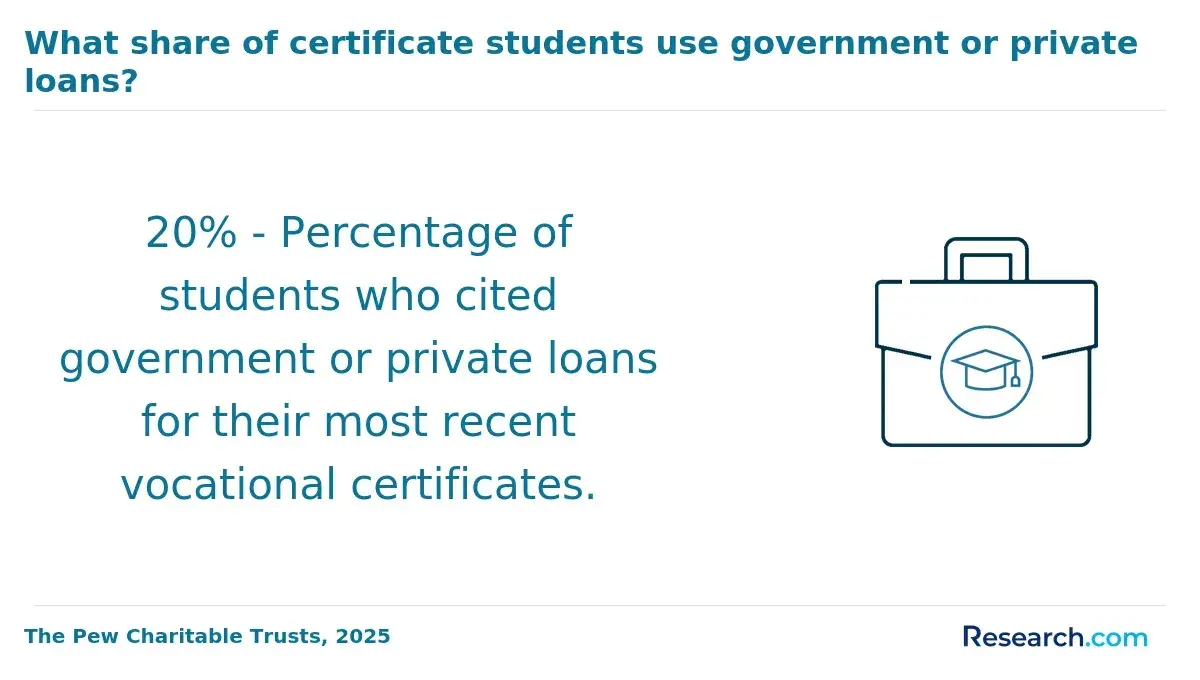
Completion time and total cost depend on the program's required credits, your prerequisites, enrollment pace, course availability, and any thesis or field placement. A shorter advertised timeline may assume full-time study, a qualifying prior credential, or advanced standing. Graduate transfer credit is usually subject to program approval; previous undergraduate credit does not automatically count toward a master's degree.
Request a written estimate of remaining requirements and an itemized cost for your pathway: tuition, mandatory and program fees, books or software, travel, and placement-related expenses. Compare that total with available aid, employer assistance, and the earnings you may give up while studying. Accelerated programs online can provide a useful point of comparison for applicants who do not yet hold a bachelor's degree, but their timelines are not graduate-degree timelines. A common mistake is choosing the lowest per-credit price without calculating the cost of every required credit and fee.
What salaries and job outlooks can online degree graduates expect?
Occupational wages describe workers in a role, not graduates of a particular online program. For example, the Bureau of Labor Statistics reported a 2024 median annual wage of $93,600 for registered nurses. Many RNs enter through credentials other than an MSN, so that figure cannot be used to estimate the payoff from a nursing master's degree.
Outlooks also vary by occupation, not degree title. Projected growth for information security analysts indicates potential demand, but applicants should still check hiring requirements, local opportunities, and their existing experience. To assess financial value, compare the program's total cost and time commitment with realistic roles you qualify for - not the highest-paying role mentioned in a school's marketing.
Which online careers require licenses or professional certifications?
Nursing, social work, and teaching are prominent examples where a degree and a professional license are separate requirements. Depending on the role and state, applicants may also need an approved program, supervised practice or clinical hours, examinations, background checks, and continuing education. Counseling-related work requires particular care: a general psychology master's should not be assumed to qualify for a counseling license.
Other fields may use employer-valued certifications rather than a mandatory license. IT applicants, for example, can compare a master's degree with online certification programs if their goal is a specific technical skill. Before choosing either route, confirm the credential named in job postings and verify licensing rules directly with the relevant state board.
Other Things You Should Know About
No. Institution-wide rates may describe undergraduate applicants or combine many programs. Request admissions figures and eligibility rules for the exact online master's program.
Sometimes. General business or healthcare administration programs may consider varied majors, while technical and licensed-profession tracks can require specific coursework or credentials. Ask for a prerequisite evaluation.
Delivery format alone does not determine a degree's value. Check institutional accreditation, any necessary programmatic approval, curriculum, and whether the program meets your employer's or state board's requirements.
Ask for program-level admission data, a review of your eligibility, all remaining requirements, a total-cost estimate, and written details of any live sessions or in-person work.
References
- Recognition of Accrediting Agencies | Texas Higher Education Coordinating Board https://www.highered.texas.gov/recognition-of-accrediting-agencies/
- Cost of Attendance (Budget) | 2025-2026 Federal Student Aid Handbook https://fsapartners.ed.gov/knowledge-center/fsa-handbook/2025-2026/vol3/ch2-cost-attendance-budget
- DAPIP | Homepage - Office of Postsecondary Education (OPE) https://ope.ed.gov/dapip/
- 2026-27 Survey Materials Instructions | ed.gov https://surveys.nces.ed.gov/ipeds/public/survey-materials/instructions
- Tuition & cost of attendance | UC Admissions https://admission.universityofcalifornia.edu/tuition-financial-aid/tuition-cost-of-attendance/
- Application Requirements - Graduate Admissions https://gradadmissions.charlotte.edu/apply-now/application-requirements/
- Course Delivery Methods - Ways to Learn | Riverland https://www.riverland.edu/academics/course-delivery-methods-ways-to-learn/
- Application Requirements - Graduate Admissions https://graduate.admissions.gwu.edu/application-requirements
- Cost & Aid - IU Online - Indiana University https://online.iu.edu/cost-and-aid/index.html
- Admissions Requirements and Procedures - Pitt Catalog https://catalog.upp.pitt.edu/content.php


