2027 Best Degrees for Adults Returning to College

Co-Founder and Chief Data Scientist
Returning to college means choosing a degree you can finish - not just one that sounds promising. For working adults and career changers, the right choice must fit existing credits, available study time, costs, and career goals. The U.S. Bureau of Labor Statistics reports that workers with a bachelor's degree earned a median $1,543 per week in 2024, compared with $930 for high school graduates.
That population-wide difference does not predict any individual's return on investment. This guide compares fields and credential levels so you can identify a realistic path and know what to verify before enrolling.
Key Things You Should Know
- Start with your career goal and existing credits: a bachelor's degree often requires about 120 credits, but accepted transfer credits - not credits merely submitted - determine what remains.
- Business, IT, and some healthcare administration programs may fit remote study; nursing, teaching, social work, and some engineering paths require supervised or in-person components.
- Check the occupation, not just the degree title: registered nurses had a 2024 median wage of $93,600, according to the U.S. Bureau of Labor Statistics, but becoming an RN also requires an approved education pathway and licensure.
Top 10 Best Degrees for Adults Returning to College
Business Programs
An MBA or specialized master's in accounting, finance, or business analytics can suit adults seeking advancement or a career change. Compare concentrations against the work you actually want: an MBA emphasizes broad management decisions, while a specialized degree develops narrower expertise. Programs may offer evening, online, or part-time study, but group projects and scheduled classes can limit flexibility. Ask whether prerequisite business courses are required and whether your employer values the credential for the role you want; a degree alone does not confer management experience.
Healthcare Programs
A master's in healthcare administration or public health can help experienced professionals move toward operations, policy, or population-health work. These are different paths: administration focuses on organizations and budgets, while public health often emphasizes research, prevention, and community programs. Some degrees include internships or applied projects that require predictable weekly availability. Neither credential qualifies someone to practice nursing or medicine. Adults without healthcare experience should examine entry-level job requirements before assuming a graduate degree will provide direct access to senior roles.
Information Technology Programs
A master's in information technology, cybersecurity, or information systems may fit adults building on technical or business experience. Look for coursework in systems architecture, security, cloud infrastructure, and applied projects rather than judging a program by its title. Applicants changing fields may need programming or networking foundations first. Online delivery can reduce commuting, but labs, live team assignments, and fixed deadlines still demand time. Certifications can complement a degree for particular tools or roles; employers may also expect substantial hands-on experience.
Computer Science Programs
A computer science master's usually requires stronger mathematical and programming preparation than a general IT degree. It may suit adults targeting software development, advanced computing, or research-oriented work. Career changers should check whether prerequisite courses are included in the advertised timeline and price. Compare thesis, project, and coursework-only options: a project may demonstrate applied skills, while a thesis can better support research goals. Neither format replaces the need to build demonstrable coding ability.
Nursing Programs
An MSN is generally a progression for licensed registered nurses, not a substitute for initial RN education. Depending on the track, it may prepare nurses for education, leadership, or advanced practice. Admission can require an active RN license, clinical experience, and a nursing degree; requirements differ by program. Advanced-practice tracks also involve clinical placements and state-specific licensing or certification steps. An RN balancing shifts should confirm who arranges placements, where they can occur, and whether a part-time sequence is available.
Psychology Programs
A master's in psychology can support research, organizational, or related work, but it generally does not by itself qualify graduates for psychologist licensure. Adults seeking to provide therapy should compare state-approved counseling or social work pathways instead of assuming any psychology degree meets licensing rules. Review whether a program includes research methods, a thesis, or supervised practice, and match those requirements to your intended occupation. A doctoral degree is commonly required for licensed psychologist roles.
Education Programs
A master's in education can serve licensed teachers pursuing a specialty or adults exploring a route into teaching, but those are not interchangeable programs. If initial licensure is the goal, verify that the specific track meets the intended state's requirements and includes required classroom placements. Current teachers should ask whether the credential affects their district's pay schedule. Student teaching and school-day practicums can be difficult to combine with full-time work, even when coursework is online.
Criminal Justice Programs
A criminal justice master's may suit professionals seeking policy, administration, or analytical roles in public safety. It is less compelling when an employer prioritizes field experience, civil-service eligibility, or a specific academy credential. Compare programs in criminology, public administration, and data analysis against actual job postings. Many academic requirements can be completed online, but internships may not be. A graduate degree does not replace agency hiring standards or guarantee promotion.
Engineering Programs
An engineering master's can deepen expertise in a discipline such as electrical, mechanical, or civil engineering. It generally suits adults who already have substantial mathematics and science preparation; applicants from unrelated majors may face extensive prerequisites. Laboratory access, team projects, and course sequencing can constrain an otherwise flexible schedule. For jobs involving professional engineering licensure, check the state board's education and experience rules. A master's degree alone does not award a professional engineer license.
Social Work Programs
A Master of Social Work can prepare adults for clinical or community-based social work, particularly when the program is accredited by the Council on Social Work Education. Applicants with a qualifying social work bachelor's degree may be eligible for an advanced-standing track; others typically follow a longer foundation sequence. Both routes can include substantial field placements. Clinical practice additionally requires state-specific supervised experience and examination after graduation. Confirm placement hours and scheduling before committing to an online MSW.
What Are the Best Degrees for Adults Returning to College?
The best degree is the one that meets your target occupation's requirements and remains feasible alongside your responsibilities. For a first degree, business or IT may offer more choices in course scheduling, while nursing and education provide clearer occupational pathways but less freedom around placements. For adults who already hold a bachelor's degree, a targeted master's may be more useful than a second bachelor's - but only if the desired role calls for its skills or credential.
Compare field options on four points: the credits you still need, the weekly schedule you can sustain, the complete cost, and the requirements for your intended job. If earnings potential is a priority, use best bachelors degrees as a starting point for exploring fields, then check local job requirements and costs before choosing. No field is universally "best": a high-wage occupation can require preparation that does not fit your time or budget.
Which Degrees Offer the Best Career Opportunities for Adult Learners?
Career opportunities depend on the specific role and entry pathway, not the degree name alone. Nursing offers a defined route to RN practice through an approved nursing program and licensure. Computer science and IT can lead toward software or security roles, but employers may require technical projects and experience. Social work offers a defined professional pathway when the degree meets applicable accreditation and licensing rules. Business can apply across industries, though management positions commonly require relevant work experience.
For a career change, work backward from several job postings in your area. Note the required credential, experience, software or technical skills, and any license. If most suitable entry-level jobs require skills rather than another degree, a shorter training route may be worth comparing before you commit to graduate tuition.
Are Online Degrees a Good Option for Adults Returning to College?
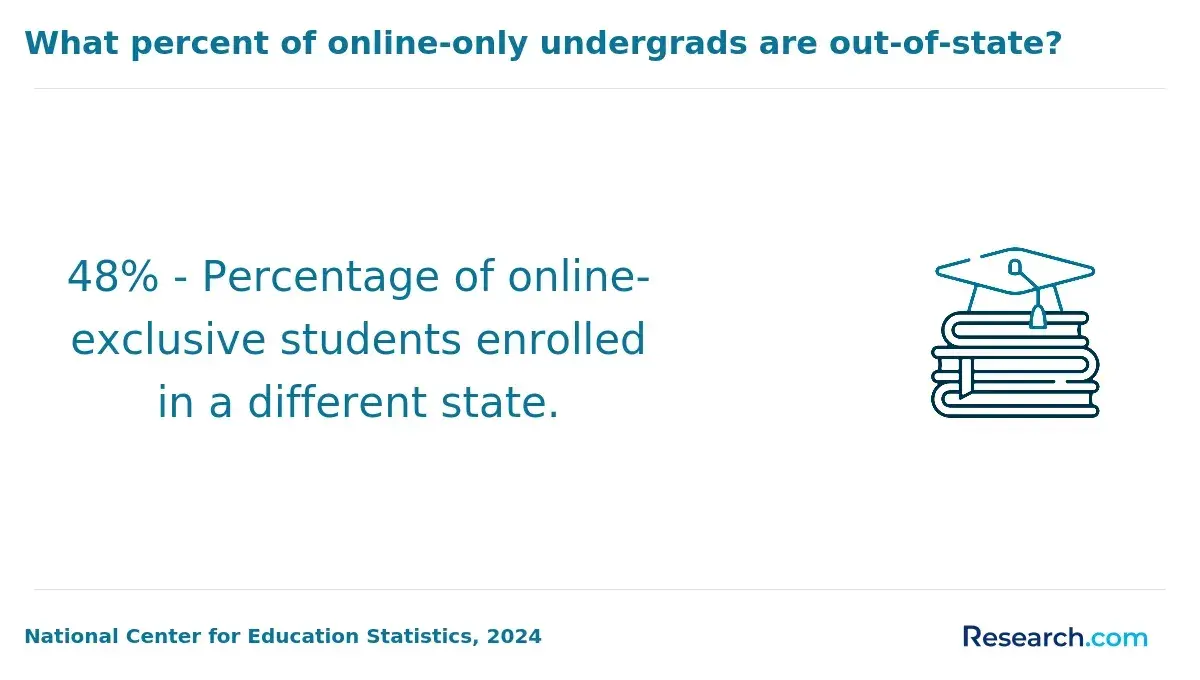
Online degrees can be a good option, but online does not necessarily mean self-paced. Some courses have live meetings, group work, exams at set times, or firm weekly deadlines. Nursing clinicals, social work field education, teacher preparation, and certain engineering labs may require attendance at an approved site. Confirm these details for your specific program and state of residence, not just the institution's general online offerings.
Adults with rotating shifts may benefit most from asynchronous courses and predictable assignment schedules. Others may prefer live classes for structure and interaction. If military service or frequent moves affect where you can study, a military online college comparison can help frame questions about remote access and support; still verify your intended program's location-based requirements.
What Associate, Bachelor's, and Certificate Programs Suit Adult Students?
Choose the shortest credential that genuinely meets your goal. A certificate may teach a specific skill, an associate degree can support career entry or transfer, and a bachelor's degree can meet requirements for broader professional roles and graduate admission. A master's is appropriate when it builds on existing education or is required for the intended occupation. These credentials are not automatically interchangeable.
Adults exploring a new field may compare a degree with 6-month certificate programs that pay well. A certificate may reduce the time and cost of testing a career direction, but verify whether employers accept it and whether its courses will count toward a later degree. An associate-to-bachelor's transfer plan can also work well if the receiving institution confirms exactly how courses will apply to the major.
How Much Do Adult Degree Programs Cost and How Long Do They Take?
Remaining requirements - not the program's advertised length - determine your likely time and cost. Bachelor's degrees commonly total about 120 credits, while master's requirements vary substantially by field and program. A returning student may need fewer new credits if prior coursework applies, or more time if prerequisites, infrequently offered classes, clinicals, or a capstone affect the sequence. Part-time enrollment usually extends the calendar even when the credit total stays the same.
Before comparing prices, request a written degree audit or preliminary transfer evaluation. Calculate tuition for the credits you would actually take, then add mandatory and program fees, books, equipment, travel, placement expenses, and any lost work time. Ask whether prior-learning assessment is offered and what it costs; work experience itself does not automatically earn credit. Submit the FAFSA to check federal aid eligibility, and ask about employer tuition assistance, scholarships, and payment plans. The lowest per-credit price is not necessarily the lowest total cost.
What Admission Requirements Do Returning College Students Need?
Returning students typically submit transcripts from every college attended. Bachelor's-completion programs may require a minimum number of prior credits, while graduate programs generally require a bachelor's degree and may specify prerequisite courses, professional experience, or a license. Selective nursing, engineering, and licensure-oriented programs can have requirements beyond general university admission.
GPA rules, standardized tests, interviews, and conditional admission vary by program; an institution's broad admissions policy may not apply to your intended major. Ask admissions staff which requirements apply to returning applicants and when they will evaluate your previous coursework. In particular, distinguish credits accepted by the college from credits that satisfy your general education, major, or graduate-program requirements.
Which Careers Offer Strong Salaries and Job Outlooks After Graduation?
Occupational data can help you compare possibilities, but it cannot predict a graduate's salary. The table reports 2024 U.S. median wages published by the Bureau of Labor Statistics; each figure covers workers in the occupation, including people with different education and experience levels. Use it alongside entry requirements and local job opportunities.
| Occupation | 2024 median annual wage | Important pathway distinction |
| Registered nurse | $93,600 | Requires an approved nursing education pathway and RN licensure. |
| Information security analyst | $124,910 | Employers commonly value relevant technical experience; an IT degree alone may not secure the role. |
| Software developer | $133,080 | Demonstrable programming skills matter alongside education. |
| Social worker | $61,330 | Education and licensing requirements depend on the role and state. |
For outlook, consult the current BLS Occupational Outlook Handbook entry for the exact job you want rather than assuming demand is equal across a broad field. Compare projected openings with local hiring, credential requirements, and the experience you can realistically build while studying.
Do These Degrees Require Licenses or Professional Certifications?
Some paths require a license beyond the degree. Registered nurses must meet state board requirements and pass the applicable licensing examination. Clinical social workers generally need an eligible social work degree, supervised experience, and a state license. Teachers must meet state certification rules, while advanced-practice nursing roles have additional requirements. Requirements can differ by state and by specialty.
Other fields have optional or role-specific credentials. IT certifications can demonstrate particular technical skills; accounting licensure and professional engineering licensure have separate rules that a degree alone does not satisfy. Licensed psychologist roles commonly require doctoral education, so a psychology master's should not be mistaken for that pathway. Adults weighing doctoral study can compare affordable online PhD programs, but must verify that the specific degree meets professional licensing and in-person training requirements.
How Can Adults Choose an Accredited and Reputable College Program?
Start by checking that the institution holds recognized institutional accreditation. For regulated careers, also verify the program-level approval or accreditation required by the relevant state board or professional pathway. Accreditation is important, but it does not establish that every program qualifies graduates for every state's license.
Request answers about your specific degree before paying an enrollment deposit. The following checks expose the most common costly mismatches.
- Get a written evaluation showing which previous credits satisfy degree requirements, how many credits remain, and how many must be earned at the institution.
- Request the course sequence, including part-time availability, live meetings, campus visits, placements, and any courses offered only in certain terms.
- Compare a complete cost estimate - including fees and required travel - with your aid and employer-benefit options.
- For a licensed career, confirm eligibility with the appropriate state board rather than relying solely on a general program description.
Be cautious of promises that experience automatically becomes credit, that an online degree has no in-person requirements, or that a credential guarantees a job or salary. A reputable program should be able to explain its policies and the limits of its career claims clearly.
Other Things You Should Know About
Yes. Colleges commonly admit returning students, but you should ask how they evaluate older coursework and whether your intended major has current prerequisites.
Possibly. A school may accept a course without applying it to your intended degree. Request an evaluation that shows which requirements each accepted course fulfills.
Choose based on entry requirements. A master's can build on a relevant bachelor's degree; a second bachelor's may be more suitable when you need undergraduate science, technical, or licensure preparation.
Often, particularly with part-time study, but feasibility depends on course schedules and required placements. Ask for a term-by-term plan before enrolling.
References
- Cost of Attendance (Budget) | 2025-2026 Federal Student Aid Handbook https://fsapartners.ed.gov/knowledge-center/fsa-handbook/2025-2026/vol3/ch2-cost-attendance-budget
- Research Summary: Education and Lifetime Earnings | ssa.gov https://www.ssa.gov/policy/docs/research-summaries/education-earnings.html
- Types of Financial Aid: Grants, Work-Study, and Loans | studentaid.gov https://studentaid.gov/understand-aid/types
- Field of degree: Occupational Outlook Handbook | bls.gov https://www.bls.gov/ooh/field-of-degree/
- College Credit for Military Training & Experiences | dantes.mil https://www.dantes.mil/credit4training/
- Annual Earnings by Educational Attainment - COE https://nces.ed.gov/programs/coe/indicator/cba/annual-earnings
- Five types of transfer credit in addition to college courses | pa.gov https://collegetransfer.pa.gov/Student/Types-of-Transfer-Credit
- Effective Practices that Support Adult Learners | acenet.edu https://www.acenet.edu/Research-Insights/Pages/Student-Support/Effective-Practices-Adult-Learners.aspx
- How to Choose Degrees in Demand by Career Outcome | keiseruniversity.edu https://www.keiseruniversity.edu/articles/degrees-in-demand-career-outcome/
- Adult Learners | Inver Hills Community College https://inverhills.edu/admissions/enrollment-academic-options/adult-learners/