2027 Best College Degrees With Financial Aid Options

Co-Founder and Chief Data Scientist
Choosing a degree is harder when the program that fits your career goal also has to fit your budget. Financial aid can change the calculation, but eligibility depends on the school, program, credential level, and your circumstances.
For perspective, the U.S. Bureau of Labor Statistics reports a 2024 median annual wage of $93,600 for registered nurses - not a promised salary for nursing graduates. This guide compares degree fields, explains where aid may be available, and shows how to weigh costs against realistic career requirements before you enroll.
Key Things You Should Know
- Business, healthcare, technology, nursing, education, and other fields can offer aid-eligible degrees, but federal aid depends on the specific school and program - not the major's name.
- The maximum Federal Pell Grant was $7,395 for the 2025-26 award year; Pell Grants generally serve eligible undergraduates, not students pursuing a master's degree.
- Compare the aid offer with the full cost of completion, and check accreditation and state licensing rules before committing to a professional program.
Top 10 Best College Degrees With Financial Aid Options
Business Programs
A master's in business administration, accounting, or finance may suit professionals seeking specialized skills or broader management preparation. An MBA is not necessary for every business role; compare its cost with a focused master's or employer-funded training.
Schools may require a bachelor's degree, foundation coursework, or professional experience. Eligible graduate students may use federal loans, while employer tuition assistance and institutional scholarships can reduce borrowing. Ask whether the program's internships, schedule, and career support match your intended role rather than assuming the credential leads to promotion.
Healthcare Programs
Healthcare master's degrees include public health, health administration, and clinical fields, but they prepare students for different work. A public health degree may emphasize population research; a clinical program may require placements and lead toward a regulated profession.
Federal graduate loans may be available at eligible programs, alongside scholarships or employer assistance. Before applying, check prerequisite courses, placement costs, programmatic accreditation where applicable, and whether the degree satisfies the rules of the state where you plan to practice.
Information Technology Programs
A master's in information technology may cover systems architecture, cybersecurity, or technology management. It can make sense for someone building on technical experience, but applicants changing fields should check for programming or networking prerequisites.
Compare graduate loan eligibility with employer reimbursement and the cost of shorter credentials. Look for hands-on projects and current coursework; a master's alone does not substitute for the experience or certifications some employers expect.
Computer Science Programs
A computer science master's typically offers advanced study in areas such as algorithms, artificial intelligence, or software systems. Research-oriented tracks may require a thesis, while professional tracks may use a project or capstone. Applicants without a related bachelor's degree may need foundation courses, adding time and cost.
Eligible students can explore federal graduate loans, assistantships, and employer support. If your goal is an entry-level software role, compare the master's with less costly ways to demonstrate relevant skills.
Nursing Programs
Master's nursing degrees can prepare licensed registered nurses for leadership, education, or advanced practice, depending on the track. Admission commonly requires an RN license; advanced-practice tracks also involve supervised clinical training and separate certification and state licensure.
Federal graduate loans and employer assistance may help, but clinical schedules can limit paid work. Verify that the program's accreditation, placements, and curriculum support your intended role in the state where you expect to work.
Psychology Programs
A psychology master's may support research, organizational work, or further study, but it does not automatically qualify a graduate to practice as a psychologist. Clinical psychology licensure generally requires doctoral education and additional supervised experience; rules vary by state and role. Compare a psychology degree with counseling or social work if your aim is client care. At eligible schools, graduate loans may be available, while assistantships and scholarships can help limit debt.
Education Programs
Education master's programs may focus on curriculum, instructional leadership, or teacher preparation. A degree intended for already licensed teachers differs from one designed to lead to an initial teaching credential. Ask about student teaching, state approval, and whether the program meets your state's requirements.
Eligible graduate students may consider federal loans, district tuition assistance, and field-specific scholarships. Check a school district's pay policies before assuming the degree will increase your salary.
Criminal Justice Programs
A criminal justice master's may emphasize policy, administration, research, or security. It can fit someone seeking analytical or supervisory preparation, but many entry-level law enforcement jobs do not require one. Compare tuition and eligible graduate loan options with employer benefits, especially if you already work in public service.
Ask where graduates work and whether the curriculum matches the role you want; hiring standards, academy training, and background checks are separate from earning a degree.
Engineering Programs
An engineering master's can deepen expertise in a discipline such as electrical, mechanical, or civil engineering. Applicants often need substantial math and technical preparation, and research tracks may take longer than coursework-only tracks.
Assistantships, employer funding, and federal graduate loans are potential financing routes at eligible schools. For roles involving a Professional Engineer license, confirm that your undergraduate preparation and experience meet the relevant state board's rules; a master's does not itself confer licensure.
Social Work Programs
A Master of Social Work can prepare students for advanced practice, but clinical social work requires additional supervised experience, examinations, and state licensure. Programs usually include field placements, which can affect work schedules and total cost.
Applicants with a qualifying bachelor's in social work may be eligible for advanced standing, subject to the school's rules. Compare federal graduate loans, scholarships, and employer assistance, and verify program accreditation and state licensing alignment before enrolling.
What college degrees qualify for federal financial aid?
What college degrees qualify for federal financial aid? An associate, bachelor's, master's, or doctoral degree may qualify when the institution participates in federal student aid and the particular program is eligible. The field alone does not establish eligibility: an eligible nursing degree at one school does not prove that every nursing program qualifies. Students must also meet applicable personal eligibility and enrollment requirements.
Federal Pell Grants generally support eligible undergraduates who have not earned a bachelor's degree. Graduate students typically look instead to Direct Unsubsidized Loans and, when eligible and available under current rules, other graduate borrowing options. Submit the Free Application for Federal Student Aid (FAFSA) for the appropriate award year, then ask each school's financial aid office to confirm the exact program and credential.
Which degrees offer the best career outcomes and salary potential?
Which degrees offer the best career outcomes and salary potential? There is no universally best field. Nursing has a defined route into a licensed occupation; computer science and engineering can connect to well-paid technical roles; and education or social work may be a better fit when professional purpose matters more than maximum earnings. Within any field, compare the credential employers actually request with the cost of obtaining it.
BLS occupational wages describe people working in a job, not the expected earnings of graduates from a particular degree. Experience, location, employer, and additional credentials all matter. Use highest paying bachelor degrees as a starting point for exploring fields, then check current BLS occupation profiles and local job postings before treating a potential salary as part of your budget.
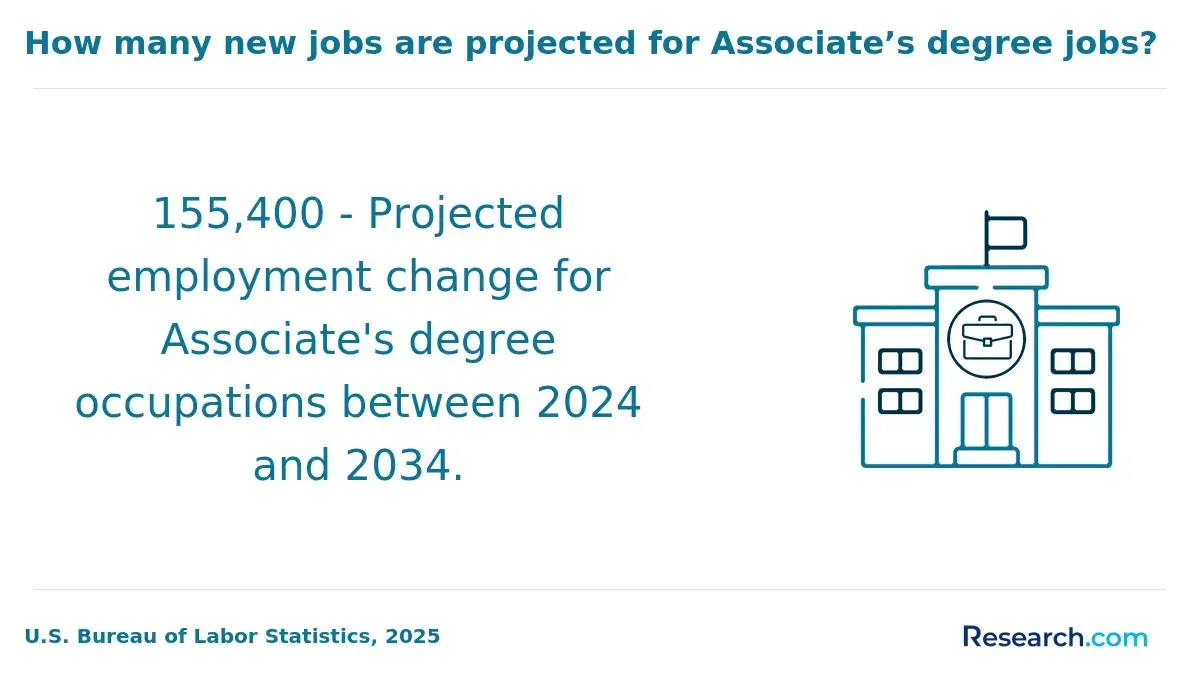
How can students find accredited degree programs with financial aid?
How can students find accredited degree programs with financial aid? Start with the job you want, then identify the degree level and any license it requires. If you are still choosing a field, compare university majors before narrowing your search to schools. Accreditation is a quality check, but it does not, by itself, confirm federal aid eligibility or state licensure approval.
Check a school's accreditation through the U.S. Department of Education's accreditation database, and confirm its federal aid participation with its financial aid office. For regulated careers, check the relevant programmatic accreditor and state licensing board as well. Before paying an enrollment deposit, request written confirmation that the specific program is aid-eligible and meets the requirements for your intended state and occupation.
Which degree and certificate programs are available online or on campus?
Which degree and certificate programs are available online or on campus? Business, technology, computer science, and many nonclinical programs may offer online options. Nursing, engineering, teaching, social work, and other practice-based fields may include online coursework but still require laboratories or local placements. Certificates can provide focused training, yet their aid eligibility must be checked separately from a school's degree offerings.
For a shorter alternative, explore 4–6-week certification programs online, while distinguishing the length of one course from the time needed for a degree or professional credential.
The delivery format affects more than commuting. This comparison highlights the scheduling and cost questions to resolve before choosing one.
| Format | Potential advantage | Requirement to verify |
| Online | Less routine travel to class | Live meetings, fixed deadlines, proctoring, and local placements |
| Hybrid | Mix of remote study and in-person practice | Frequency and location of required visits |
| Campus | Regular access to on-site facilities | Travel, scheduling, and attendance requirements |
What financial aid options are available for college and certificate programs?
What financial aid options are available for college and certificate programs? Depending on eligibility, students may receive federal grants, loans, or work-study; state grants, school scholarships, and employer tuition assistance may also apply. Graduate students usually rely on a different aid mix than undergraduates. A certificate is not automatically eligible for federal aid merely because its college participates in the program.
Complete the FAFSA, review each school's aid offer, and separate grants and scholarships from money you must repay or earn through work. Ask whether aid applies throughout the full program and whether part-time enrollment changes your award. Compare the remaining balance with tuition, required fees, books, equipment, and travel or placement expenses; a large advertised scholarship can still leave a costly program.
What admission requirements apply to degree and certificate programs?
What admission requirements apply to degree and certificate programs? Associate programs may have broad admission policies but still require placement or selective entry into a health program. Bachelor's programs typically assess prior academic preparation. Master's programs require a bachelor's degree and may specify prerequisites, an RN license, work experience, recommendations, or a portfolio. Test policies and minimum GPAs vary by school and program.
Check the admission page for the exact credential, not just the university's general policy. Ask whether missing prerequisites can be completed before or after admission and whether they qualify for aid. For transfer applicants, request an evaluation showing which credits satisfy degree requirements; credits accepted only as electives may do little to shorten the program.
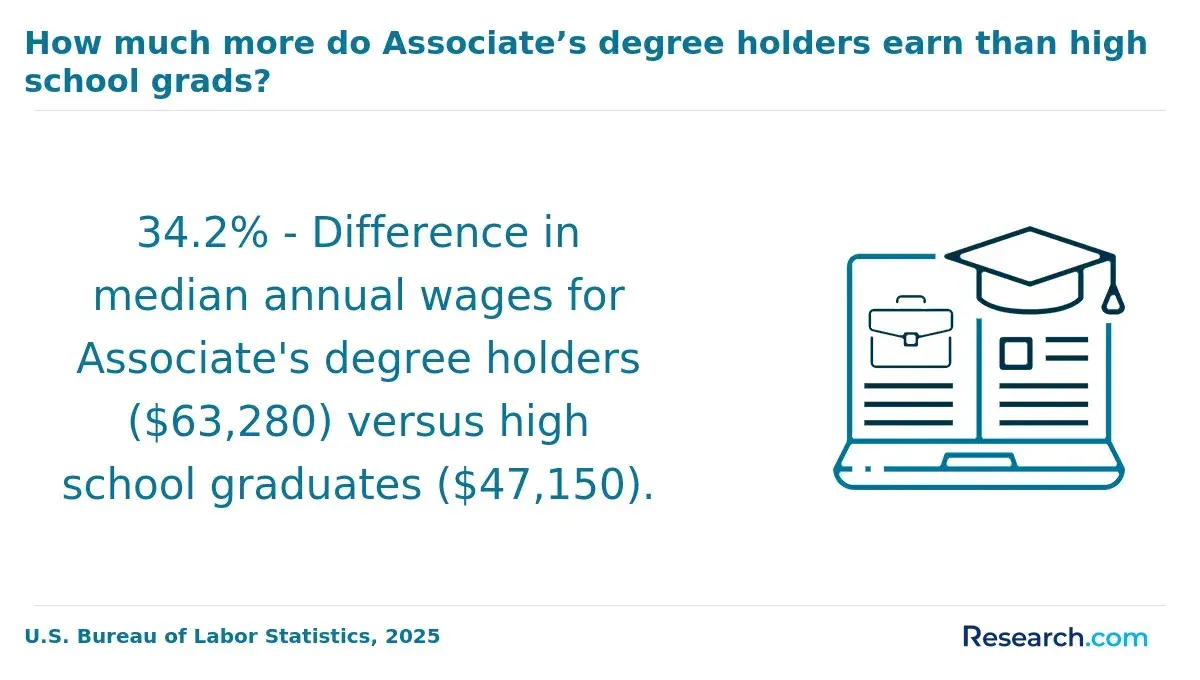
How long do the most affordable college degree programs take?
How long do the most affordable college degree programs take? A full-time associate degree commonly takes about two years, a bachelor's about four years, and a master's often one to three years, but these are planning benchmarks rather than promises. Prerequisites, part-time study, course availability, and clinical or student-teaching requirements can extend completion. Transfer credit or qualifying advanced standing can shorten it only when credits apply to remaining requirements.
A lower annual price is not necessarily a lower total price if the program takes longer. Ask schools for a term-by-term plan and a cost estimate through graduation, including fees. Some competency-based master's degree options use a different pace and tuition structure; compare their assessment rules, required preparation, and realistic workload rather than assuming they will be faster or cheaper.
Which licenses and certifications do popular degree programs require?
Which licenses and certifications do popular degree programs require? A degree is academic preparation; permission to practice in a regulated occupation is a separate decision made under applicable rules. Requirements vary by state and specialization, so verify them before choosing an online program or accepting an out-of-state placement.
These examples show why the intended job - not simply the degree title - should guide your check:
- Nursing: Registered nurses must meet state licensure requirements, including the applicable licensing examination; advanced-practice roles have additional requirements.
- Teaching: Public-school teachers generally need a state-issued credential, which may require an approved preparation program and student teaching.
- Social work and psychology: Clinical practice can require a specified degree, supervised experience, an examination, and state licensure.
- Engineering: A Professional Engineer license is required for certain responsibilities, with education, examination, and experience requirements set by state boards.
How should students compare college costs, job outlook, and program quality?
How should students compare college costs, job outlook, and program quality? First, define a realistic occupation and verify its education or licensing requirements. Then compare programs that can actually support that goal. BLS wages and employment projections provide context, but neither predicts an individual graduate's job offer.
Use the same measures for every finalist. The comparison below separates factors that are often mistakenly bundled together under "best value."
| Factor | What to compare | Common mistake |
| Cost after aid | Estimated full-program charges and living costs, less grants and scholarships | Comparing tuition alone or counting loans as discounts |
| Completion path | Remaining requirements, course schedule, and accepted transfer credit | Assuming all accepted credits shorten the major |
| Career fit | Required credentials, relevant training, and local opportunities | Treating an occupational median wage as a graduate salary |
| Program quality | Accreditation, licensing alignment, placements, and available outcomes | Assuming institutional accreditation settles every professional requirement |
Before enrolling, ask each school for an individualized aid estimate, a degree audit if you have prior credit, and written clarification of placement or campus obligations. If a school cannot explain total required costs or whether its program meets your state's licensing rules, resolve those gaps before paying a deposit.
Other Things You Should Know About
Yes, if the school and specific program are eligible and you meet the applicable student requirements. Online delivery alone neither grants nor removes federal aid eligibility.
Eligible graduate students may qualify for federal loans and may find scholarships, assistantships, or employer assistance. Federal Pell Grants generally are not available for a master's degree.
Some are, but not all. Ask the school whether the exact certificate is eligible for federal student aid before assuming its degree programs' eligibility applies to it.
Not automatically. Check whether the degree qualifies you for the occupation, what additional credentials are needed, and how much you would need to borrow to complete it.
References
- Types of Financial Aid: Grants, Work-Study, and Loans | studentaid.gov https://studentaid.gov/understand-aid/types
- Board of Governors of the Federal Reserve System https://www.federalreserve.gov/publications/2025-economic-well-being-of-us-households-in-2024-higher-education-and-student-loans.htm
- Employment Outcomes of Bachelor's Degree Holders - COE https://nces.ed.gov/programs/coe/indicator/sbc/bachelor-degree-holder-outcomes
- Education pays: U.S. Bureau of Labor Statistics https://www.bls.gov/emp/chart-unemployment-earnings-education.htm
- Data Home - College Scorecard - Department of Education https://collegescorecard.ed.gov/data/
- Eligibility for Specific FSA Programs | 2022-2023 Federal Student Aid Handbook https://fsapartners.ed.gov/knowledge-center/fsa-handbook/2022-2023/vol1/ch5-eligibility-specific-fsa-programs
- The Major Payoff: Evaluating Earnings and Employment Outcomes Across Bachelor's Degrees - CEW Georgetown https://cew.georgetown.edu/cew-reports/major-payoff/