2027 Best Degrees With Evening Classes

Co-Founder and Chief Data Scientist
An evening degree can let you keep working while you study - but a program described as flexible may still schedule live classes, labs, or placements during business hours. That distinction matters in growing fields: the U.S. Bureau of Labor Statistics (BLS) projects 15% employment growth for software developers, quality assurance analysts, and testers from 2024 to 2034. For working adults considering a master's degree, this guide compares fields by schedule fit, career purpose, and hands-on requirements, then shows what to verify before committing your time and money.
Key Things You Should Know
- Best schedule fits: Business, information technology, computer science, and some psychology programs may offer coursework that fits around a daytime job; verify actual class times and required attendance.
- Expect in-person constraints: Nursing, social work, education, and some healthcare and engineering programs may require placements, teaching, or labs outside evening hours.
- Compare the occupation, not just the degree: BLS reports a $93,600 median annual wage for registered nurses in May 2024, but an evening nursing degree alone does not qualify someone for RN licensure or guarantee that wage.
Top 10 Best Degrees With Evening Classes
Business Programs
An evening MBA or master's in management, accounting, or analytics can suit professionals seeking broader responsibilities without leaving a daytime job. Compare scheduled group projects, weekend intensives, and whether electives run after work - not merely whether core courses do. An MBA generally serves experienced professionals; a specialized master's can be a better fit if you need deeper preparation in one discipline. Accounting applicants should check prerequisites and state CPA education rules separately. Neither credential guarantees a promotion, and a program with infrequent required courses can prolong part-time study.
Healthcare Programs
Master's programs in public health, healthcare administration, and health informatics can fit people interested in health systems rather than direct clinical practice. Administration programs may suit experienced healthcare workers pursuing operational roles; informatics combines healthcare processes with data and technology. Check whether internships, fieldwork, or team projects can be completed around your job. A master of public health may offer evening coursework, but a required practicum can limit scheduling freedom. These degrees do not, by themselves, confer a clinical license.
Information Technology Programs
A master's in information technology, cybersecurity, or information systems may work well in an evening format when projects and labs use remotely accessible systems. Choose IT for infrastructure, security operations, or organizational technology needs; compare it with computer science if your goal is deeper algorithmic or software-development study. Some applicants need programming or networking foundations before graduate courses. Ask whether cybersecurity labs, team meetings, and capstones have fixed attendance times. Professional certifications can complement a degree, but employers may also prioritize demonstrable experience.
Computer Science Programs
An evening master's in computer science may suit software professionals seeking advanced study in algorithms, systems, or artificial intelligence. Career changers should examine prerequisite sequences: a program that admits students from other majors may still require substantial foundation coursework. A thesis can offer research experience but may be less predictable to schedule than a course-based capstone. Confirm whether upper-level electives run often enough in evening sections to support part-time completion. If you primarily need one job skill, a shorter credential may be more targeted.
Nursing Programs
An evening MSN may help an already licensed RN pursue education, leadership, or an advanced practice pathway. It is generally not an entry route for someone without nursing preparation; prospective nurses should investigate prelicensure programs instead. Coursework may meet after work while clinical rotations occur whenever approved sites and supervisors are available. Nurse practitioner and other advanced practice tracks have additional certification and state licensure requirements. Before applying, verify the required RN license, clinical hours, placement assistance, and whether the program meets rules where you intend to practice.
Psychology Programs
Evening master's options in psychology may emphasize research, applied behavior, or preparation for further study. A general psychology master's does not automatically qualify graduates to practice independently as psychologists; that occupation typically requires doctoral education and state licensure. If your goal is counseling, compare specifically licensure-aligned counseling degrees instead of relying on a broad program title. Research assistantships, thesis supervision, and practica may require daytime availability. Ask what graduates actually pursue and whether the curriculum matches the credential your intended role requires.
Education Programs
An evening MEd or master's in curriculum and instruction can suit employed teachers developing instructional or leadership skills. A teacher-preparation master's has a different purpose: it may lead toward initial licensure and require supervised student teaching during school hours. Applicants should distinguish programs for licensed educators from those open to career changers. Check state approval, placement rules, and whether required courses are offered in the evenings each term. A graduate degree alone does not establish eligibility for a teaching or administrator license.
Criminal Justice Programs
An evening master's in criminal justice or criminology may interest working professionals in public safety, policy, or research. Programs vary: one may emphasize management and applied analysis, while another prepares students for doctoral study. Confirm whether an internship is required and whether professional experience can satisfy it under the school's published rules; employment does not automatically earn credit. Many criminal justice jobs do not require a master's, so compare the credential with employer requirements before enrolling. Law enforcement and related positions may have separate training and eligibility standards.
Engineering Programs
An evening engineering master's can help practicing engineers specialize while employed, particularly in programs designed around working professionals. Availability is often discipline-specific: required laboratories, research equipment, and low-enrollment electives may not be accessible after work. A course-based degree may offer a more predictable schedule than a thesis, but verify that assumption for the actual program. Applicants generally need substantial mathematics and engineering preparation. A graduate engineering degree does not replace applicable professional engineer licensure requirements or the experience those requirements may include.
Social Work Programs
An evening MSW can prepare eligible students for social work roles, but its field placements are the central scheduling test. Agencies commonly set placement hours according to client and supervisor availability, not classroom times. Applicants with a qualifying bachelor's in social work may be eligible for a separately defined advanced-standing pathway; others generally follow a longer foundation route. Check accreditation, placement policies, and state licensing requirements before applying. An MSW alone does not authorize independent clinical practice, which typically requires supervised experience and an examination.
What Are the Best Degrees to Earn Through Evening Classes?
The best evening degree is the one whose entire required pathway - not just its lectures - fits your available hours and career goal. Among the master's fields above, business and many IT programs can be strong starting points for students who cannot leave work for daytime placements. Nursing, social work, and initial teacher preparation can be excellent career matches, but only if you can also accommodate supervised practice.
This comparison summarizes the main trade-off. Availability is program-specific; it is not a claim that every degree in a field offers evening sections.
| Master's field | Why it may fit evening study | Schedule constraint to check |
| Business or IT | Coursework and projects may be scheduled after work | Live team meetings, labs, and elective availability |
| Computer science or engineering | Part-time study may suit employed specialists | Prerequisites, equipment access, and thesis work |
| Healthcare administration or public health | Coursework may align with employed professionals | Internship or practicum hours |
| Nursing, education, or social work | Evening classes may reduce time away from work | Clinicals, student teaching, or field placements |
If your goal is a first degree rather than graduate study, compare undergraduate evening schedules separately. An easiest online bachelor's degree is not necessarily an evening degree: online courses may have daytime live meetings or fixed deadlines.
Are Evening Degree Programs Available Online and On Campus?
Yes. Evening courses may be offered on campus, online, or in a hybrid format, but online describes where you study, not when you must attend. Synchronous online classes meet at set times; asynchronous classes usually let you access materials on your own schedule while retaining deadlines. Hybrid programs add campus sessions, and even otherwise online professional degrees may require local placements.
Request the schedule for required courses - not only a sample elective - for the next several terms. Ask whether attendance is mandatory, whether recordings replace live participation, and whether placements, labs, exams, or residencies can be arranged outside work hours. For a parent comparing family routines with study time, degrees for moms going back to school provide another perspective on flexibility; the decisive test remains the specific program's requirements.
How Much Do Evening Degree Programs Cost and How Long Do They Take?
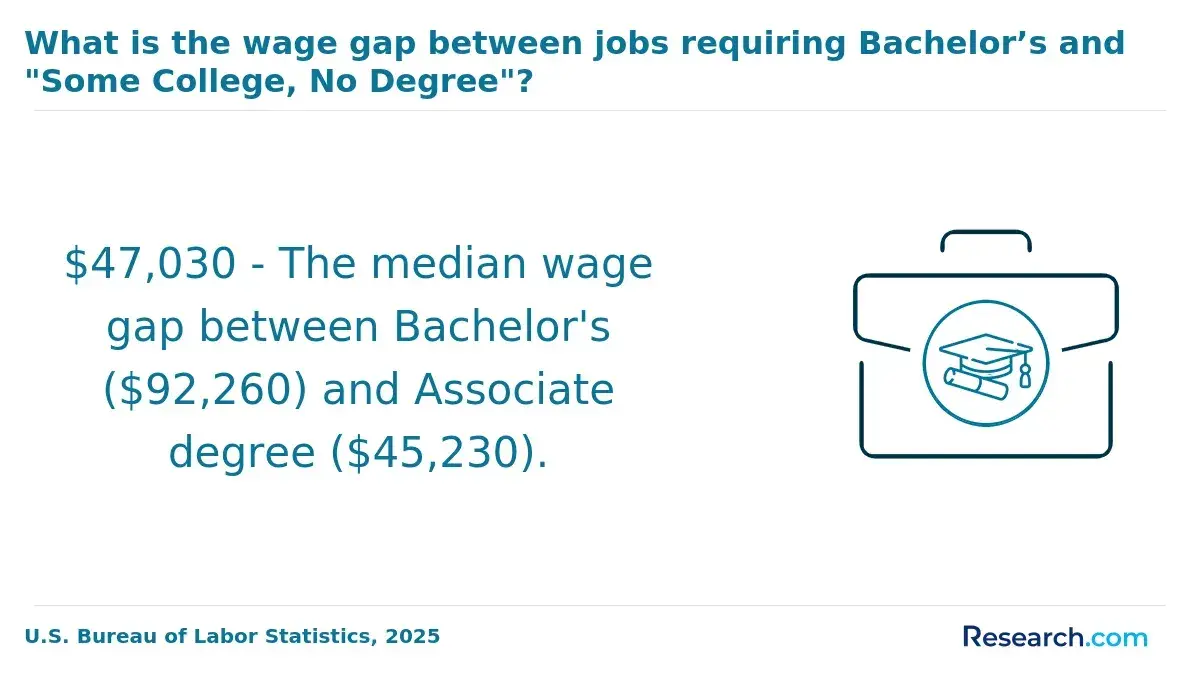
Cost and completion time depend on the degree, school, enrollment pace, prerequisites, and experiential requirements. As a point of context rather than a master's-degree price, the College Board reported average published tuition and fees of $11,610 for a full-time, in-state undergraduate year at public four-year institutions in 2024-25. Graduate tuition can differ substantially, so use the applicable program's current fee schedule instead of treating an undergraduate average as your likely bill.
Many master's programs can be completed in roughly two years of full-time study, while part-time study may take longer. Credits alone do not tell the whole story: a clinical sequence, thesis, or required course offered only once a year can set the pace. To compare offers, calculate tuition for your remaining required credits, then add mandatory and program fees, books or software, travel, and any income lost to placements. Ask about employer tuition assistance and eligible financial aid before assuming the lowest per-credit rate yields the lowest total cost. Readers weighing a shorter alternative can compare 6 month certificate programs that pay well, while checking whether a certificate actually serves their intended occupation.
What Are the Admission Requirements for Evening Degree Programs?
The master's programs discussed here generally require a bachelor's degree, but admission standards vary by field and school. Engineering and computer science programs may require mathematics or technical prerequisites; MSN tracks usually require an RN license and appropriate nursing preparation. Social work advanced standing has separate eligibility tied to prior social work education. Some programs also consider professional experience, recommendations, a statement of purpose, or an interview.
Check the exact program's published GPA, test, prerequisite, and application policies rather than relying on a university-wide admissions summary. If you lack a prerequisite, ask whether it must be completed before admission or can be taken as a foundation course - and how that changes cost and completion time. A program that waives a test may still have selective admission.
What Do Students Learn in Evening Degree Programs?
Evening degrees generally cover the same program requirements as other scheduling formats; the meeting time does not make a credential academically different. Learning varies by field: MBA students might study finance and strategy, computer science students might study algorithms and systems, and MSW students might combine social work theory with supervised field education. Electives and concentrations let students pursue narrower goals, while a capstone or thesis may integrate what they have learned.
Compare required courses with the skills your target role uses. Ask for a degree plan showing when each course runs and mark every lab, practicum, clinical, or placement. That exercise can reveal a daytime obligation hidden behind an otherwise evening-friendly curriculum. If you already hold a graduate credential, an easiest online masters comparison may help you weigh workload, but ease should not outrank a relevant curriculum or workable schedule.
Which Careers Can Evening Degrees Help You Enter?
Evening study can support career entry, a change of specialty, or advancement, depending on your starting credentials. A business degree may support applications for analyst or management-track work; IT and computer science study may build skills for technical roles. A public health degree may fit population-health work, while an MSN may support a licensed nurse's next professional step. These are possible pathways, not jobs awarded by graduation.
Work backward from actual job postings: note the required credential, experience, technical skills, and license. If the role mainly asks for a specific skill or certification, a shorter course or direct experience may be more useful than another degree. If it requires professional licensure, choose a qualifying educational pathway rather than a similarly named but nonqualifying major.
How Do Evening Degrees Affect Salary and Job Outlook?
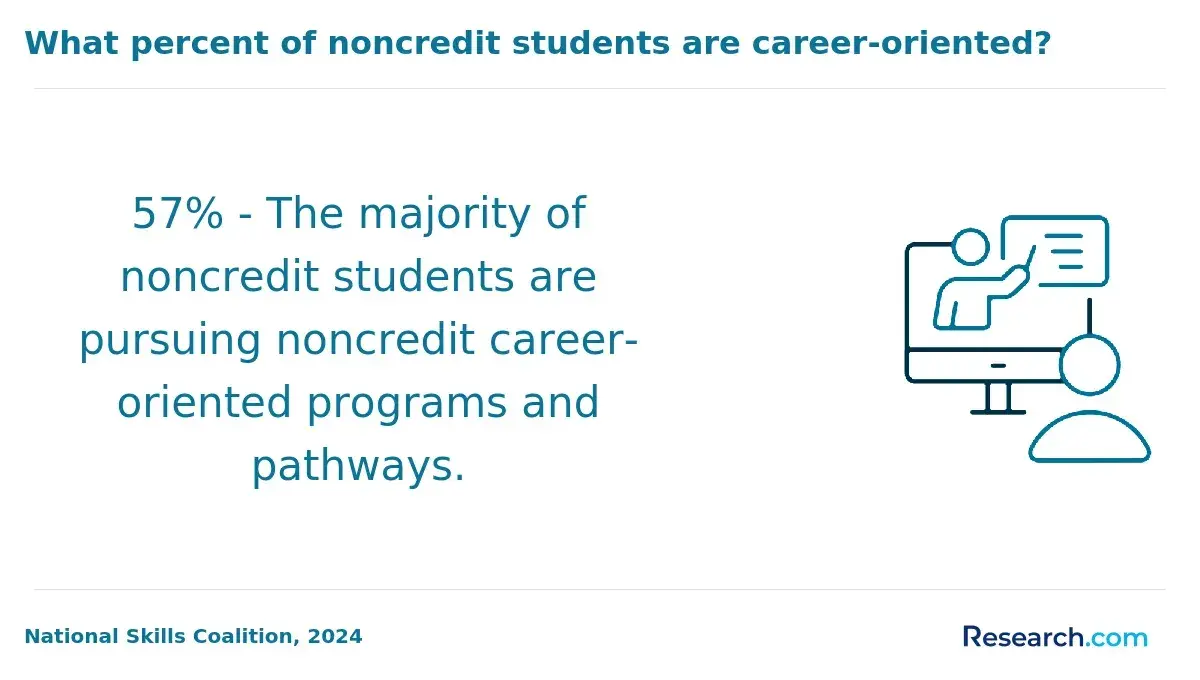
For a realistic return-on-investment check, compare the complete cost and time commitment with the requirements and pay ranges of jobs you could plausibly pursue given your experience. Growth projections indicate potential demand across an occupation, not the number of jobs available to one graduate. Also account for unpaid placement hours or reduced work hours: those costs can matter as much as tuition.
Do Evening Degree Programs Require Licensure or Professional Certification?
Some do, but degree completion and permission to practice are separate steps. An MSN advanced practice track may require national certification and state authorization; clinical social work generally requires post-degree supervised experience and state licensure; teacher preparation must align with the state's certification rules. Counseling and psychology titles are especially easy to confuse: a general psychology master's should not be assumed to qualify someone as a licensed counselor or psychologist.
Business, IT, and many nonclinical healthcare roles do not have a universal license tied to the degree, though employers may value certifications. Before enrolling in any practice-oriented program, check the licensing board for the state where you plan to work and ask the school to identify precisely which requirements its curriculum satisfies - and which remain after graduation.
How Can You Choose an Accredited Evening Degree Program?
Start with institutional accreditation recognized by the U.S. Department of Education, then check any program-specific accreditation or state approval relevant to your goal. Examples include accreditation considerations for nursing and social work and state approval for teacher preparation. Accreditation is necessary to investigate, but it does not prove that classes will meet after work or that a program meets another state's licensing rules.
Before paying a deposit, take these steps to test whether the degree is genuinely workable:
- Obtain a written degree plan and recent or upcoming schedules for every required course, not just a statement that evening classes are available.
- Confirm live-attendance rules and the locations and usual hours of labs, residencies, internships, clinicals, or placements.
- Request an evaluation of prior coursework, if applicable, showing which requirements it fulfills and which credits you must still complete at the school.
- Compare the full estimated cost, financial aid eligibility, and a realistic part-time completion timeline.
- Verify accreditation, applicable licensure alignment, and the admission requirements of the specific program.
A common red flag is an advertised "flexible" schedule without a term-by-term plan or a clear answer about placements. Resolve those questions before choosing a program - not after arranging work and family commitments around it.
Other Things You Should Know About
Sometimes, but do not assume so. Required courses may run in the evening while labs, internships, clinicals, or field placements occur during the day. Ask for a complete schedule and placement policy.
An evening schedule is a delivery choice, not a separate degree level. Focus on the school's accreditation, the program's curriculum, your skills, and any occupation-specific credential requirements.
Many programs permit it, but course sequencing and placement hours can make some terms harder than others. Request a part-time degree plan before enrolling.
Possibly, if the program accepts eligible graduate coursework and applies it to degree requirements. Undergraduate credits do not automatically count toward a master's; get a program-specific evaluation and confirm any minimum credits you must complete at the institution.
References
- General Schedule Qualification Policies | U.S. Office of Personnel Management https://www.opm.gov/policy-data-oversight/classification-qualifications/general-schedule-qualification-policies/
- Education pays: U.S. Bureau of Labor Statistics https://www.bls.gov/emp/chart-unemployment-earnings-education.htm
- Accreditation in the U.S. | ed.gov http://www.ed.gov/laws-and-policy/higher-education-laws-and-policy/college-accreditation/accreditation-in-the-us
- Fast Facts: Most common undergraduate fields of study (37) | ed.gov https://nces.ed.gov/fastfacts/display.asp
- What Makes a Nursing School Accredited? (And Why It Matters) | Stanbridge University https://blog.stanbridge.edu/what-makes-a-nursing-school-accredited/
- Employer Tuition Assistance Plans May Help Pay for College | Campus https://campus.edu/blog/financial-aid/employer-tuition-assistance-programs-can-help-pay-for-college
- Online vs On-Campus College: Choose the Right Format | Bay Path University https://www.baypath.edu/news/bay-path-university-blogs/post/online-vs-on-campus-college-choose-the-right-format/
- Social Work Accreditation, Assessment, and Resources | Malone https://www.malone.edu/about/accreditations/social-work-accreditation-assessment-and-resources/
- The Major Payoff: Evaluating Earnings and Employment Outcomes Across Bachelor's Degrees - CEW Georgetown https://cew.georgetown.edu/cew-reports/major-payoff/
- Externship/Clinical Requirements | United Career Institute https://uci.catalog.unitedcareer.edu/externship-clinical-requirements-1