
2027 Best Colleges With Career Coaching

Co-Founder and Chief Data Scientist
Choosing a college means choosing the support you can use while preparing for work - not just a degree. Career coaching can help you explore occupations, find internships, practice interviews, and plan a job search, but access and quality vary by school and program.
The stakes are tangible: the U.S. Bureau of Labor Statistics reports that registered nurses had a median annual wage of $93,600 in 2024, though a college's coaching cannot promise that outcome. This guide helps prospective undergraduate and graduate students compare colleges, identify meaningful services, and ask better questions before enrolling.
Key Things You Should Know
- Start with colleges that publish access to individual career advising or coaching, then confirm that the service is available to students in your intended degree and delivery format.
- Compare coaching alongside program accreditation, experiential learning, total cost, and evidence of career outcomes; a job board alone is not a placement program.
- Match coaching to the occupation: for example, BLS projects 15% employment growth from 2024 to 2034 for software developers, quality assurance analysts, and testers as a group, making portfolio and recruiting support particularly relevant.
Top 10 Best Colleges With Career Coaching
Business Programs
Students considering a master's in business administration, accounting, or analytics should look for coaches who can help translate prior experience into a targeted internship or leadership job search. Ask whether graduate students receive individual appointments, employer introductions, and help preparing for case interviews.
An MBA may suit experienced professionals seeking advancement; a specialized master's may better suit a specific function. Coaching does not substitute for experience, and some accounting careers require additional coursework and CPA licensure.
Healthcare Programs
Healthcare master's programs include public health, health administration, and clinical fields with very different career requirements. Useful coaching may cover practicum selection, professional networking, and translating clinical experience into administrative roles.
Compare the school's support for your intended occupation, not healthcare employers in general. A master's in health administration does not confer a clinical license; clinical programs may require supervised placements, examinations, or state approval. Confirm who arranges placements before enrolling.
Information Technology Programs
A master's in information technology or cybersecurity can support specialization or advancement, particularly for students with existing technical experience. Career coaches may help identify suitable roles, review project portfolios, and plan employer conversations.
Ask whether coaching is tailored to the technologies taught and whether the school connects students with internships or applied projects. Certifications can complement a degree, but neither certifications nor coaching replace the experience required for many senior security positions.
Computer Science Programs
Master's programs in computer science may emphasize research, software engineering, artificial intelligence, or another concentration. For a job-focused student, valuable coaching includes technical interview practice, portfolio feedback, and recruiting guidance. Research-oriented students may instead prioritize faculty mentoring and doctoral preparation.
Check prerequisites: applicants without a computing background may need foundation courses that increase time and cost. A strong career center cannot compensate for a curriculum that misses the technical skills your target jobs require.
Nursing Programs
A nursing master's may prepare an existing registered nurse for education, leadership, or an advanced practice pathway. Ask whether coaches understand your specialty and whether the program helps arrange required clinical placements.
Coaching may support applications and networking, but advanced practice generally requires an active RN license, appropriate graduate preparation, certification, and state authorization. Verify the specific program's accreditation and your state's requirements; an online course format does not eliminate local clinical obligations.
Psychology Programs
Master's programs in psychology serve different goals, including research preparation and applied work. Coaching is most useful when it helps students distinguish jobs available with a master's from careers requiring a doctorate or a separately qualifying counseling degree. Ask about research opportunities, supervised training, and graduates' next steps. A general master's in psychology does not automatically meet state requirements for psychologist or mental health counselor licensure.
Education Programs
Education master's programs may serve licensed teachers seeking advancement or career changers seeking initial teacher preparation. A relevant coach should understand local school hiring, resume expectations, and any student-teaching placement process. Confirm whether the degree leads to licensure in the state where you intend to work; many education master's degrees do not. Working teachers should also check whether coaching appointments and required classroom experiences fit their schedules.
Criminal Justice Programs
A master's in criminal justice can support policy, research, or advancement in public safety, depending on the curriculum and a student's experience. Ask whether coaches have contacts with agencies relevant to your goal and can explain hiring processes. Many law enforcement roles use agency-specific screening and training; a master's is not a substitute. For research or policy work, prioritize methods coursework, internships, and portfolio support over generic recruiting events.
Engineering Programs
Engineering master's programs range from technical specializations to engineering management. Coaches can help experienced engineers present projects and target employers, while newer graduates may benefit from internship searches and technical interview preparation.
Compare employer access within your discipline, laboratory or capstone opportunities, and any in-person requirements. If professional engineer licensure is your goal, check your state board's education and experience rules; a graduate degree alone does not grant a license.
Social Work Programs
For a Master of Social Work, career support should extend beyond resume reviews to field-placement planning and an explanation of local hiring and licensure pathways. Ask whether the program is accredited by the Council on Social Work Education and who secures field placements.
Clinical social work generally requires postdegree supervised experience and a state license. An advanced-standing MSW may shorten the path for eligible applicants with a qualifying bachelor's in social work, but eligibility and remaining field requirements vary.
What career coaching services do the best colleges provide?
The most useful college career coaching is an ongoing, individual service: a student discusses career goals with an adviser, receives feedback, and can return as plans change. Colleges may also offer assessments, resume and portfolio reviews, interview practice, internship guidance, employer events, alumni connections, and job-search workshops. Some call this work career advising rather than coaching.
Distinguish the service from its outcome. Access to appointments, a job board, or an employer fair does not establish that graduates find jobs through the college. Ask whether coaches specialize by field, how appointments are delivered, when students become eligible, and whether access continues after graduation.
How can you compare colleges with strong career coaching programs?
There is no universally best college for career coaching. The strongest choice is a college that makes relevant, usable support available to your program while meeting your academic and financial needs. The institutions below are examples with publicly described career services, not a ranked list; verify current eligibility and offerings directly with each school.
This comparison highlights the service to investigate at each college and the question most likely to reveal whether it fits your plans.
| College | Career support to investigate | Question to ask |
| Arizona State University | Career advising and professional development resources | Which advisers and recruiting events serve my campus, online program, and degree level? |
| Purdue University | Center for Career Opportunities advising and recruiting resources | Does my specific program use these services or a separate career office? |
| University of Central Florida | Career Services counseling and employer-facing activities | What appointments and events can students in my program attend? |
| Western Governors University | Career and Professional Development coaching resources | How are individual appointments scheduled for remote students and alumni? |
| Southern New Hampshire University | Career services and career advising resources | Which services are available to online students in my intended credential? |
Request a sample appointment schedule and recent, program-specific outcomes information. Compare the full price after grants and scholarships, not just published tuition. A search for the cheapest easiest online degree may surface convenient options, but low cost and easy admission do not show whether coaching is accessible or the degree fits your goal.
Are online colleges as effective as campus colleges for career coaching?
Online colleges can provide effective career coaching when students can book individual video or phone appointments, attend virtual recruiting events, and get field-specific feedback. Campus colleges may offer more convenient access to in-person fairs or local employers. Neither format is inherently better: compare the services you can actually attend and the employers they reach.
Ask whether online appointments are offered outside your work hours, whether events are recorded, and whether internships or clinical placements can be completed near you. If location flexibility matters to your eventual job search, explore what degrees allow you to work from home while remembering that a remote-friendly field does not guarantee a remote job.
What should students look for in accredited colleges with career coaching?
Start by confirming institutional accreditation through the school and its recognized accreditor. Then check programmatic accreditation or state approval when your goal involves nursing, social work, teaching, counseling, engineering licensure, or another regulated profession. Career coaching is valuable only if the academic program can support the credential or occupation you want.
A common mistake is treating a college-wide career-services webpage as proof that every student gets the same support. Ask the career office - not only admissions - whether your program, location, enrollment status, and degree level qualify for individual coaching. Request information about coach expertise, appointment availability, internship assistance, and the methods used to report graduate outcomes.
What career coaching resources and coursework do colleges offer?
Resources commonly include interest assessments, appointment-based coaching, resume reviews, mock interviews, networking events, and internship or job-search platforms. Coursework may add career value through a supervised internship, applied project, clinical experience, student teaching, or capstone. These academic experiences are not interchangeable with a career-office appointment; determine who helps students find and complete them.
For a targeted skill gap, online courses with certificates may be worth comparing with a full degree. Ask an adviser whether employers in your target field value the certificate, a professional certification, a portfolio, or the degree - and whether the school provides support for that specific path.
What are the admission requirements for colleges with career coaching?
Career coaching is generally a student service, not a separate admissions qualification. College admission rules depend on the credential: undergraduate applicants typically provide prior academic records, while master's applicants usually need a bachelor's degree and may face program-specific prerequisites, experience, recommendations, or portfolio requirements. Nursing, teaching, and other professional programs may impose additional licensing or placement conditions.
Check whether coaching begins before enrollment, during the first term, or later. If you have previous college credit, request a written evaluation showing which credits meet degree requirements; admission to the college does not mean every credit will apply to your major.
How much do colleges with career coaching cost, and how long do programs take?
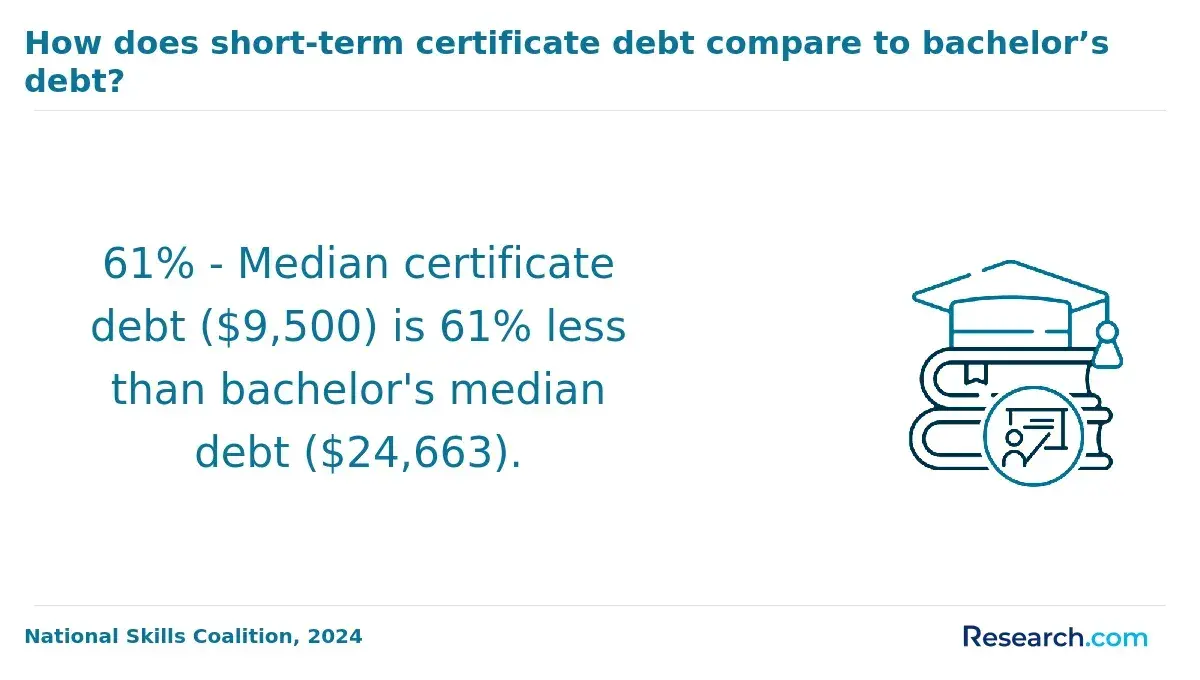
Career coaching is often included among college services, but that does not make the degree inexpensive. Compare the estimated total to completion: tuition, mandatory and program fees, books or equipment, travel for required experiences, and the credits you still need. Ask whether coaching, career assessments, or recruiting events carry separate charges and whether your program is eligible for financial aid.
An associate degree often takes about two years of full-time study, a bachelor's about four, and a master's commonly one to three years, but prerequisites, accepted credits, course sequencing, and clinical or fieldwork requirements can change the timeline substantially. Fast-track degree programs deserve the same scrutiny: request a plan based on your transcript and schedule rather than assuming an advertised completion time applies to every applicant.
What careers and salaries can graduates pursue with college career coaching?
Coaching can help students connect coursework and experience to realistic roles, but occupational pay is not a measure of what a college's graduates earn. For example, BLS reports a 2024 median annual wage of $133,080 for software developers. That figure describes workers in the occupation across employers and experience levels; it is neither an entry-level offer nor an outcome promised by a computer science program.
Compare the qualifications in actual job postings with the program's curriculum. Business and IT roles may reward demonstrated projects and experience; nursing, teaching, and clinical social work also have licensing requirements. Ask the college for outcomes specific to your degree, including how it defines employment and how many graduates responded, before using those results to estimate value.
How do career coaching colleges support job placement and professional certification?
Strong placement support helps students prepare and connect with opportunities: coaches review applications, employers recruit, and academic departments may help coordinate internships or required placements. It does not guarantee an offer. Ask who is responsible for finding a placement, whether students can use a site near home, and what happens if a suitable site is unavailable.
Professional certification is separate from a college credential. A school may teach relevant material or offer exam preparation, but eligibility can also depend on an accredited program, documented experience, supervised hours, an examination, and state rules. Before enrolling, check the requirements with the relevant licensing board or certification body and ask the school to identify precisely which requirements its program fulfills.
Other Things You Should Know About
No. Coaching helps with career decisions and job-search skills; placement support may connect students with openings or required training sites. Neither promises employment.
Policies vary. Ask how long access lasts, whether individual appointments are included, and whether alumni pay for any services.
Not on that claim alone. Ask which employers recruit for your specific program and whether the college reports relevant, clearly defined outcomes.
Early enough to plan coursework and experience - not only before graduation. An initial appointment can help you identify internships, projects, or licensing steps you may need to schedule well in advance.
References
- Students & Recent Graduates | U.S. Office of Personnel Management https://www.opm.gov/policy-data-oversight/hiring-information/students-recent-graduates/
- What to Expect | Graduate Career Center https://gradcareer.georgetown.edu/meet-with-a-career-coach/what-to-expect/
- Career coaching | College of Biological Sciences https://cbs.umn.edu/student-services/career-readiness/career-support
- Meet with a Career Coach - Career Center - UNC Charlotte https://career.charlotte.edu/career-coaching
- Schedule an Appointment - Buckeye Commons https://buckeyecommons.osu.edu/career-preparation/schedule-an-appointment
- Meet with a Coach - Career Development and Alumni Relations https://careers.publichealth.indiana.edu/education/coach/index.html
- Frequently Asked Questions About Career Coaching - IConnect | Isenberg School of Management https://iconnect.isenberg.umass.edu/resources/why-see-a-career-coach/
- UNF: A Blueprint for Guaranteed Hands-On Learning: A Model for Universities Everywhere https://www.unf.edu/case-studies/embedding-experiential-learning-into-undergraduate-education.html
- NC Career Coach Program Sees 57% Growth, Connecting More Than 31,000 Students to Career Pathways - NCCCS https://www.nccommunitycolleges.edu/news/nc-career-coach-program-sees-57-growth-connecting-more-than-31000-students-to-career-pathways/


