
2027 Best Online Majors for Career Growth

Co-Founder and Chief Data Scientist
Choosing an online major means looking beyond the course list: Will it prepare you for a growing occupation, and will the credential be worth its cost? The U.S. Bureau of Labor Statistics (BLS) projects 46% employment growth for nurse practitioners from 2023 to 2033, but entering that occupation requires much more than enrolling in an online program. This guide compares career-oriented fields, distinguishes bachelor's and master's pathways, and shows how to check costs, hands-on requirements, and licensing before you commit.
Key Things You Should Know
- For technology careers, match the major to the work: BLS projects 33% growth for information security analysts from 2023 to 2033, but those roles commonly require relevant experience.
- For licensed careers such as nursing, teaching, and social work, confirm that the specific online program meets your state's education and supervised-training requirements.
- Compare total cost, not tuition alone: College Board reported average published in-state tuition and fees of $11,610 at public four-year colleges for 2024-25, a benchmark that does not represent the price of any particular online degree.
Top 10 Best Online Majors for Career Growth
Business Programs
An online MBA or specialized master's in accounting, finance, analytics, or supply chain management can support advancement when its coursework matches the role you want. An MBA is broad; a specialized degree offers deeper technical preparation.
Compare employer recruiting, projects, total cost, and whether the jobs you target actually reward graduate study.
Management positions usually require substantial experience, so a master's is not a substitute for a track record. Aspiring accountants should also check their state's CPA education rules rather than assuming any business master's qualifies.
Healthcare Programs
Online master's programs in public health, health administration, and health informatics suit different goals: population health, organizational leadership, and health-data systems. Many prepare students for advancement rather than clinical practice.
Compare internships, analytics coursework, and whether your target employers expect healthcare experience. A public health degree alone does not confer a clinical license; clinical careers require their own approved education and credentials. Check whether an advertised online program includes local placements or scheduled activities.
Information Technology Programs
Online master's degrees in information technology, cybersecurity, and information systems emphasize infrastructure, security, and organizational technology. They can help experienced professionals specialize, but hands-on projects and prior technical experience often matter more than a degree title.
BLS projects strong growth for information security analysts; it also notes that related work experience is common for entry. Ask whether the curriculum includes cloud systems, security practice, and a substantial applied project, and whether prerequisites make the program realistic for career changers.
Computer Science Programs
An online computer science master's can deepen preparation in algorithms, software engineering, or artificial intelligence. It is most useful when those skills align with your intended work; applicants without a computing background may need foundation courses first.
BLS projects 17% growth for software developers, quality assurance analysts, and testers from 2023 to 2033. That outlook describes occupations, not outcomes for master's graduates. Compare programming depth, project opportunities, and prerequisite costs before choosing a research-oriented or applied program.
Nursing Programs
Online MSN programs may focus on leadership, education, or advanced clinical practice. Entry typically requires nursing preparation, and many pathways require an active RN license. Advanced practice tracks also involve supervised clinical hours and state-specific certification and licensing steps; online coursework does not remove those obligations.
If you want to become a nurse practitioner, verify that your concentration, clinical-placement arrangements, and eligibility for certification fit the state where you intend to practice. Nurses seeking administration instead should compare leadership-focused programs.
Psychology Programs
An online psychology master's may support work in research assistance, behavioral services, or organizational settings, depending on its focus and your experience. It generally does not, by itself, qualify someone to practice as a licensed psychologist; that path typically requires a doctorate and supervised training.
Counseling is a separate pathway with its own program and licensing requirements. Before enrolling, identify the job title you want and check whether employers or your state require a specific degree, practicum, or license.
Education Programs
Online master's programs in education can serve licensed teachers seeking specialization or career changers pursuing initial teacher preparation. Those are different programs: an advanced curriculum degree may not lead to a first teaching license.
Compare endorsement eligibility, student-teaching requirements, and state authorization before applying. For experienced teachers, consider whether the specialization supports a desired role and whether their district's salary schedule recognizes the credential. An online course format does not make student teaching remote.
Criminal Justice Programs
An online criminal justice master's can develop knowledge of policy, administration, investigations, or data analysis. It may suit professionals already working in public safety, but many entry-level criminal justice jobs do not require graduate education.
Law-enforcement hiring and advancement depend on agency standards, training, and experience. Compare the degree's applied projects and employer relevance with a narrower credential in cybersecurity, public administration, or analytics if your goal is a specialized role.
Engineering Programs
Online engineering master's programs typically serve applicants with substantial math and engineering preparation. They can deepen expertise in an established discipline, but laboratory access, project requirements, and prerequisites vary.
For work involving a professional engineer license, check your state board's education and experience rules; a master's does not automatically confer licensure. If you are changing fields, ask whether missing undergraduate fundamentals can be completed without extending the program beyond your budget and timeline.
Social Work Programs
An online MSW is a professional pathway that can prepare students for social work practice, including eventual clinical licensure where requirements are met. Field placements occur in person even when classes are online.
Some programs offer advanced standing to applicants with an eligible bachelor's in social work; other applicants follow a longer foundation pathway. Confirm programmatic accreditation, placement support, and your state's supervised-practice and examination rules. A degree alone does not make a graduate a licensed clinical social worker.
What are the best online majors for in-demand careers?
Which major is best depends on the occupation you want, your starting credentials, and the work required to enter it. Computer science and IT offer routes into expanding technical occupations; nursing, education, and social work offer defined professional pathways but impose licensing and placement requirements.
Business and healthcare administration may be stronger choices for people building on relevant experience than for those expecting a degree alone to secure management work.
Choose an occupational target before comparing degrees. If you already have a bachelor's and need specialization, an online master degree may be worth evaluating; check the advertised timeline against prerequisites and your intended course load. If you are entering a field, first determine whether a bachelor's, certificate, apprenticeship, or supervised entry-level job is the more direct route.
How much do online degrees cost and how long do they take?
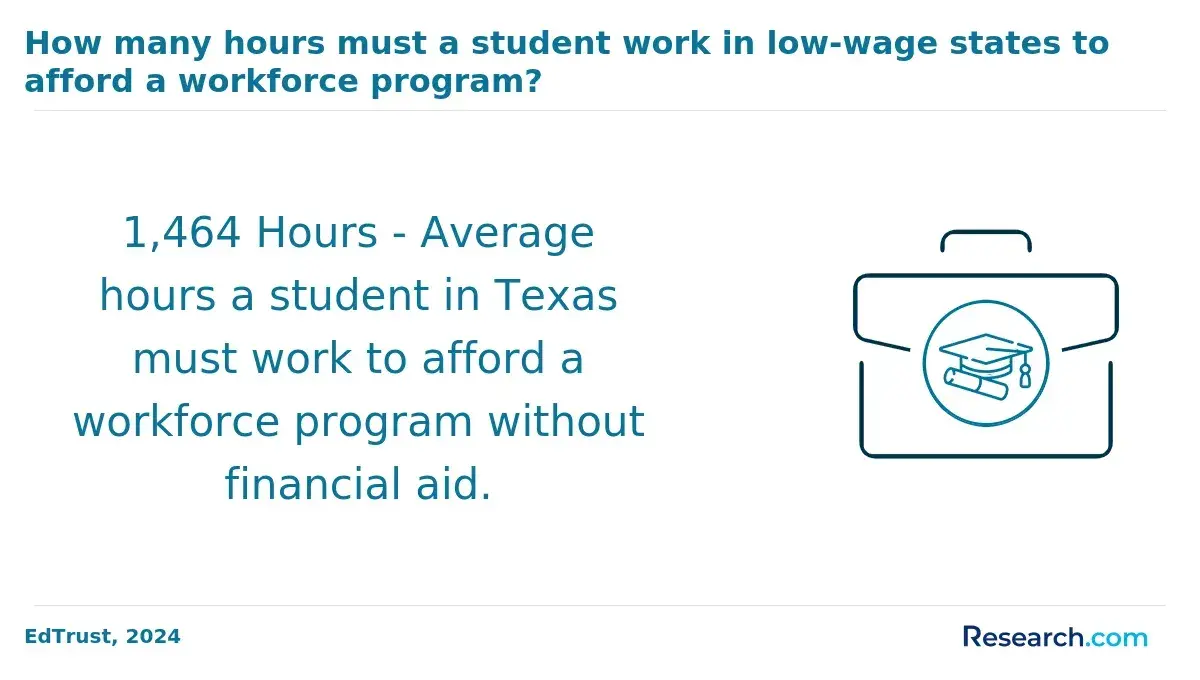
There is no single price or completion time for an online degree. A bachelor's commonly requires substantially more coursework than a master's, while master's requirements vary by discipline and clinical training. Your remaining credits, transfer evaluation, enrollment pace, course availability, and placements determine the realistic timeline. A short class is not a short degree.
Request a written estimate covering tuition for the credits you still need, mandatory and program fees, books or software, placement travel, and any lost work time.
Compare that total with grants, employer assistance, and the amount you would need to borrow. If a school advertises self-paced study, learn what is a competency based masters degree and check its actual assessment, tuition, and progress rules; the format will not suit every learner.
Are online degree programs accredited and respected by employers?
Online delivery does not determine whether a degree is accredited or respected. Verify the institution's recognized accreditation and, where applicable, the specific program's accreditation. Programmatic approval is especially important when a profession or state licensing board requires it.
Ask employers in your target field how they assess relevant coursework, projects, placements, and experience rather than assuming either that online study is discounted or that every online degree is equivalent.
Check the program - not just the college - for required campus visits, live classes, labs, and fieldwork. Also confirm that it enrolls students in your state and that its curriculum meets the requirements of any license you intend to pursue. Accreditation, state authorization, and licensure eligibility answer different questions.
Which online majors lead to the highest-paying careers?
Technology and advanced healthcare roles can pay well, but occupational pay is not a graduate salary forecast. BLS reports a 2024 median annual wage of $133,080 for software developers. That figure covers workers across experience levels and educational backgrounds; it does not show what a new computer science graduate will earn or prove that a master's raises pay.
For any promising major, compare the occupation's usual entry requirements with the credential you would buy. A higher-paying role may also require years of experience, a professional license, or competitive technical skills. Weigh those steps and the full cost of school against less expensive ways to qualify.
What careers can you pursue with popular online majors?
Majors open different possible paths, not automatic job titles. Computer science can support software-development work; IT can lead toward systems or security roles; business can support accounting, operations, or analysis.
Nursing offers a regulated route to nursing roles, while education and social work programs may prepare students for state-licensed practice. Psychology, criminal justice, and healthcare administration have broader outcomes that depend heavily on specialization and experience.
Read job postings for your target occupation and note which credentials are required, preferred, or rarely mentioned. Distinguish an entry-level opening from a leadership role, then choose coursework and practical experience that close the actual gap.
Do online majors require licenses, certifications, or field experience?
Yes, some online majors require substantial work beyond online classes. Nursing, teaching, clinical social work, and some counseling paths involve state rules, supervised practice, examinations, or in-person placements. Engineering licensure has separate requirements.
Technology certifications may strengthen an application but are not universally required, and their value varies by role and employer.
Before enrolling in a licensure-oriented program, check your state board's requirements and ask the school in writing how placements are arranged where you live. Do not assume a program that meets one state's rules meets another's, or that an online degree can eliminate clinical hours or student teaching.
What do you study in the most promising online majors?
The strongest curriculum is the one that teaches skills used in your target role. Computer science emphasizes programming and algorithms; IT adds systems, networks, and security; business often combines finance, operations, and analysis.
Nursing and social work pair professional coursework with supervised practice. Education may include instruction and assessment, while healthcare administration focuses on organizations, policy, and operations.
Compare syllabi and culminating projects, not just course titles. If you need one discrete skill rather than a degree, 6 week courses with certificates may offer a smaller starting commitment. A short certificate, however, does not replace an accredited professional program or a required license.
What are the admission requirements for online degree programs?
Bachelor's applicants generally need a high school diploma or equivalent; graduate applicants generally need a bachelor's degree. Beyond that, requirements vary by school and program.
A computing master's may require programming and math prerequisites, an MSN may require an RN license, and an advanced-standing MSW requires qualifying social work preparation. Selective programs may also consider grades, references, experience, or a statement of purpose.
Ask admissions to identify missing prerequisites and evaluate prior coursework before you commit. If admission barriers are your main concern, comparing the easiest degree to get online is a starting point, not a substitute for checking whether the degree fits your career goal.
How do you choose a reputable online college and major?
Start with the job you want, then verify that each candidate program offers the right credential, accreditation, and - if relevant - licensure preparation in your state.
Compare remaining credits after a formal transfer evaluation, the full price, course scheduling, and placement logistics. Look for evidence of learning through projects or supervised work rather than relying on a ranking or a promise of flexibility.
Common red flags include unclear mandatory fees, vague claims about career outcomes, and assurances that an online degree automatically qualifies graduates for a license. Ask an advisor to put program requirements and your likely completion plan in writing. Choose the option that gives you a credible route to the role at a cost and pace you can sustain.
Other Things You Should Know About
Choose computer science for deeper software and algorithm work; choose IT for systems, infrastructure, or applied security. Compare the skills in jobs you want with each program's curriculum.
Often not. Coursework may be online, but nursing clinicals, social work fieldwork, and student teaching require supervised in-person experience.
Not necessarily. Many occupations have bachelor's-level or experience-based entry routes. Consider a master's when it fills a documented skill gap or meets a professional requirement.
Confirm accreditation, total remaining cost, transfer-credit decisions, scheduling, location-specific requirements, and eligibility for any license you need.
References
- Basic Skills Requirement (CL-667) | Commission https://www.ctc.ca.gov/credentials/leaflets/cl-667/
- Occupation Finder: Occupational Outlook Handbook:: U.S. Bureau of Labor Statistics https://www.bls.gov/ooh/occupation-finder.htm
- Department Expectations: Curriculum | New York State Education Department https://www.nysed.gov/college-university-evaluation/department-expectations-curriculum
- Complying with Professional Licensure Requirements | wiche.edu https://wcetsan.wiche.edu/resources/complying-professional-licensure-requirements-beginners-checklist
- O*NET OnLine https://www.onetonline.org/


