
2027 Best College Programs for Adults Returning to College

Co-Founder and Chief Data Scientist
Returning to college means choosing a program that fits your work schedule, budget, previous credits, and career goal - not simply finding one that admits adults. The stakes can be substantial: the U.S. Bureau of Labor Statistics reported a $93,600 median annual wage for registered nurses in 2024, but a nursing degree alone does not grant a license or guarantee that pay.
This guide compares practical program paths, explains their requirements and trade-offs, and shows you what to verify before committing.
Key Things You Should Know
- Start with the credential your target job actually requires: an associate degree, bachelor's degree, career-change master's, and professional license solve different problems.
- Compare total remaining cost, not just tuition. College Board reported average published in-district tuition and fees of $4,050 at public two-year colleges for 2024-25; books, transportation, and other expenses add to that amount.
- For working adults, confirm whether classes are asynchronous, offered part time, and available when needed - and whether accepted transfer credits apply to the major, not merely as electives.
Top 10 Best College Programs for Adults Returning to College
Business Programs
An MBA or specialized master's in accounting, finance, or management may suit adults seeking advancement or a career change. Many programs accept applicants with bachelor's degrees outside business, though some require foundation courses or relevant experience. Compare part-time scheduling, employer tuition assistance, and whether the curriculum teaches skills your intended role uses. An MBA is not automatically the best choice for entry-level business work; a bachelor's completion program or targeted certificate may cost less. Graduate transfer-credit policies are often narrower than undergraduate policies.
Healthcare Programs
Master's programs in public health, health administration, and health informatics serve different goals: population health, organizational leadership, and healthcare data. They can fit experienced clinicians or career changers, but some leadership roles also require substantial work experience. Check prerequisites, internship requirements, and whether evening or online courses still involve scheduled meetings. These degrees do not substitute for clinical licenses. Adults seeking direct patient-care work should identify the occupation first and choose its required clinical training instead.
Information Technology Programs
A master's in information technology or cybersecurity can build on existing technical experience or support a carefully planned transition. Look for hands-on work with systems, security, or cloud infrastructure - not just a convenient course format. Some programs admit nontechnical graduates but add prerequisite coursework, which affects time and cost. Employers may also value demonstrable projects, experience, and role-specific certifications. An adult seeking an initial help-desk position may be better served by a shorter credential and practical experience before pursuing a master's.
Computer Science Programs
A computer science master's typically goes deeper into algorithms, software systems, or computing specialties than a general IT program. It can suit adults with a computing background who want technical depth; career changers should check programming and mathematics prerequisites before applying. Compare projects or research requirements with the work you want to do. Online delivery can reduce travel, but demanding assignments still require predictable study time. A degree does not replace a portfolio or guarantee a software-development job.
Nursing Programs
Nursing paths depend heavily on your starting credential. An RN-to-BSN program serves licensed registered nurses, while a master's in nursing may prepare eligible nurses for advanced practice, education, or leadership. Entry-to-practice options for non-nurses have different prerequisites and substantial clinical requirements. Before enrolling, check programmatic accreditation, clinical placement arrangements, and the licensing rules where you intend to work. An online nursing program may still require local in-person clinical hours; a master's alone does not confer advanced-practice licensure.
Psychology Programs
A master's in psychology can support research, behavioral-health-adjacent work, or preparation for further study, depending on its concentration. It should not be confused with a license-qualifying counseling program. If your goal is clinical practice, check the state licensing board's degree, supervised-experience, and examination requirements before applying; some psychologist roles require a doctorate. Working adults should also compare research commitments, practicums, and whether online coursework includes live attendance.
Education Programs
A master's in education may help current teachers specialize or advance, while an initial-licensure master's serves eligible career changers. Those are different pathways. Confirm whether a program leads to the specific teaching license and state you need, and whether student teaching is required during weekday school hours. Experienced educators who do not need another license may prefer a part-time, non-licensure specialization. Salary changes depend on district rules and employment arrangements, not the degree title alone.
Criminal Justice Programs
A criminal justice master's can fit adults interested in policy, administration, or specialized public-safety work. Its value depends on the target employer: many entry-level roles use agency training and do not require a graduate degree. Compare coursework in research, law, and management with actual job postings before paying for advanced study. Online courses may suit shift workers, but scheduled discussions or internships can limit flexibility. A degree does not replace agency hiring standards, background checks, or required training.
Engineering Programs
An engineering master's can deepen an existing engineer's expertise in areas such as electrical, mechanical, or systems engineering. Most programs expect relevant undergraduate mathematics and technical preparation; bridge coursework can lengthen a career changer's path. Compare laboratory access, project or thesis requirements, and whether courses are offered at workable times. If professional engineer licensure is your goal, investigate your state board's education, examination, and experience rules separately. A master's is not a substitute for those requirements.
Social Work Programs
A master of social work, or MSW, is a professional path for adults pursuing social-work practice. Programs generally include supervised field education, which can be difficult to schedule around full-time work. Graduates of qualifying bachelor of social work programs may be eligible for advanced standing, but eligibility and remaining requirements vary. Check Council on Social Work Education accreditation, placement support, and your state's licensing rules. Clinical practice usually requires additional supervised experience and an examination after graduation.
What Are the Best College Programs for Adults Returning to College?
The best program is the one that meets your career requirement while leaving a manageable amount of time and expense. These starting points compare credentials rather than ranking schools; your previous coursework and work schedule can change the answer.
The table shows where several common paths fit and the main issue to resolve before applying.
| Starting point and goal | Program to consider | Key trade-off |
| Need an entry credential or lower-cost start | Career-focused or transfer-oriented associate degree | Confirm whether credits will apply to a later bachelor's degree. |
| Have college credit but no bachelor's | Bachelor's completion program | Accepted credits may fill electives rather than major requirements. |
| Have a bachelor's and want a new specialty | Career-relevant certificate or master's | Prerequisites and employer expectations may favor one over the other. |
| Seek a licensed occupation | Approved professional degree or licensure pathway | Clinical, field, examination, and state requirements constrain flexibility. |
If you need an affordable starting credential, compare the best associates degrees to get against both immediate job requirements and future transfer plans. For any path, request a written evaluation of remaining general-education, major, and experiential requirements before estimating completion time.
Which Online College Programs Offer the Most Flexibility for Working Adults?
Asynchronous business, IT, and some bachelor's completion programs often give working adults the most control over when they study. Asynchronous does not mean self-paced: assignments may still have weekly deadlines, and required courses may be offered only in certain terms. Part-time enrollment can make the workload feasible but usually extends the calendar time to graduation.
Compare published schedules with any live-class, internship, laboratory, or campus requirements. If you need greater control over when coursework begins and progresses, investigate self paced college courses and verify how pacing works in the specific program. Ask whether the school offers advising and required courses during the hours you can use them.
How Much Do College Programs for Returning Adults Cost?
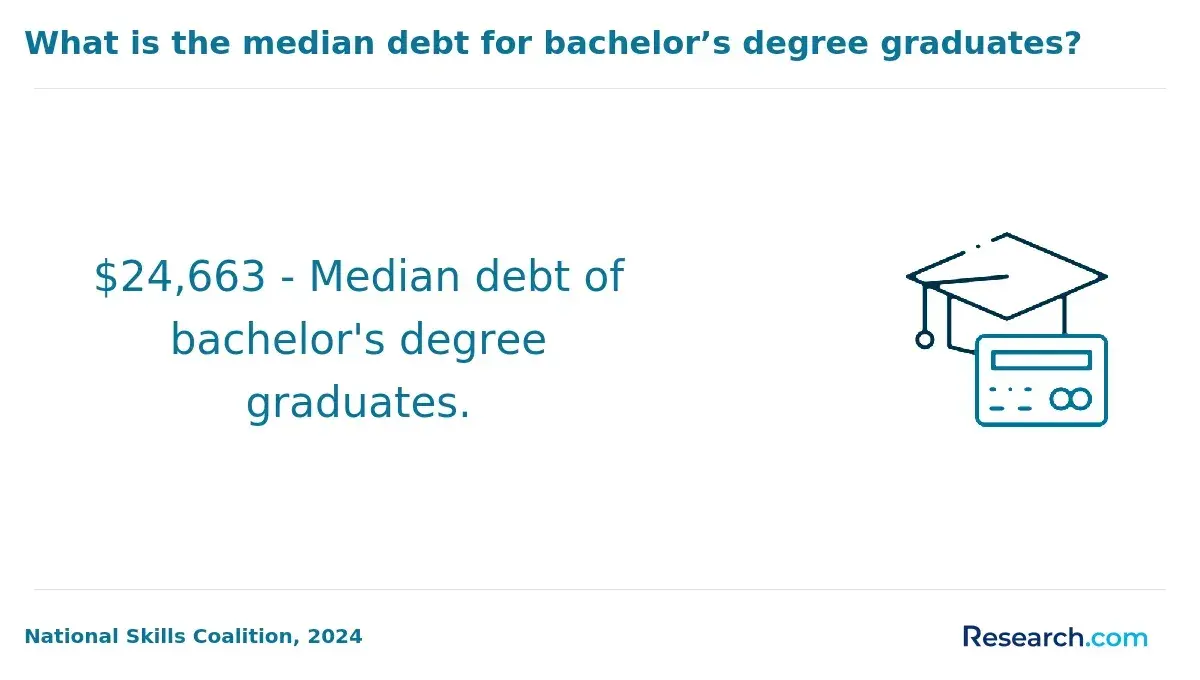
Costs vary by credential, school, residency status, and credits remaining. College Board's 2024-25 national averages provide a starting comparison of published annual tuition and fees for full-time undergraduates, not a quote for your program or your net cost after aid:
- Public two-year colleges, in-district: $4,050.
- Public four-year colleges, in-state: $11,610.
Use those figures to frame your search, then request a program-specific estimate covering remaining credits, mandatory and differential fees, books, technology, travel, and any unpaid field placement. Ask for a transfer evaluation before multiplying a per-credit price by your expected credits. Complete the FAFSA to check federal aid eligibility, and compare grants and employer tuition assistance before borrowing. Graduate students should not assume undergraduate aid rules or prices apply to them.
What Degrees and Certificates Lead to Strong Career Opportunities?
Strong opportunities come from matching a credential to an occupation's actual entry rules. An associate degree in nursing can be one route toward registered-nurse eligibility, subject to program approval and licensure requirements. A bachelor's in accounting or computer science can support relevant entry-level applications, but employers assess skills and experience too. An MSW can support a social-work licensing pathway; independent clinical practice generally requires steps after graduation.
A certificate may be a better first move when you need one defined skill rather than a full degree. Before choosing, review several local job postings: distinguish required credentials from preferred ones, note licenses and experience, and decide whether the program's courses and practical work address those requirements.
What Are the Admission Requirements for Adult College Students?
Undergraduate applicants commonly submit previous college transcripts and proof of high school completion or its equivalent; schools may have separate transfer-admission rules. Master's programs generally require a bachelor's degree and may also request prerequisites, recommendations, a statement of purpose, or relevant experience. GPA and test policies vary by institution and program. Nursing, engineering, education, and other professional paths may impose additional prerequisites or selective admission.
Ask admissions staff to separate admission to the college from admission to the specific program. If you already hold a bachelor's, compare a career-relevant graduate credential with the easiest online masters; ease of admission or coursework is not evidence that a program meets your career or licensing goal.
How Do Online and Campus College Programs Compare for Adult Learners?
Delivery format changes both your weekly schedule and your access to hands-on work. This comparison highlights constraints adults should check at the program level rather than assuming a format is universally better.
| Format | Potential advantage | Constraint to verify |
| Online | Less routine travel; coursework may be accessible outside work hours | Live meetings, fixed deadlines, proctoring, or local placements |
| Hybrid | Mix of remote coursework and in-person activities | Frequency and timing of required visits |
| Campus | Direct access to facilities and face-to-face instruction | Commute, parking, and compatibility with work shifts |
Choose around the least flexible requirement, not the most convenient course. For example, online lectures will not resolve a conflict between your work hours and a required daytime clinical placement.
How Long Do Adult College Programs Take to Complete?
Many associate degrees are designed around roughly two years of full-time study and bachelor's degrees around four, but returning students rarely share the same starting point. Part-time enrollment takes longer; accepted transfer or assessed prior-learning credit may shorten the remaining coursework. A master's timeline depends on prerequisites, course sequencing, enrollment intensity, and any thesis, capstone, or fieldwork.
Do not treat an accelerated course length as the time needed for an entire credential. Request a degree audit showing which previous credits satisfy general education, major, and elective requirements, which courses remain, and when each is offered. Confirm minimum credits that must be completed at the new institution. Work experience or certifications earn academic credit only when the school has an applicable evaluation policy and awards it.
Which Careers Offer the Best Salaries and Job Outlook After Graduation?
Labor-market figures help test whether a program's cost is proportionate to your goal, but they describe occupations - not the expected pay of new graduates. The following U.S. Bureau of Labor Statistics 2024 median annual wages illustrate two paths with different entry requirements.
| Occupation | 2024 median annual wage | Education and other requirements to check |
| Registered nurse | $93,600 | Approved nursing education, licensing examination, and state licensure |
| Software developer | $133,080 | Typically a bachelor's degree in a related field; demonstrated technical skills matter |
These medians include workers at different career stages and do not predict your starting offer. Software development may appeal to adults who can build a strong technical portfolio; nursing offers a defined licensed pathway but requires clinical training. Compare local openings, entry requirements, and your likely total education cost before treating either wage as a return-on-investment estimate.
How Can Adults Choose an Accredited College Program?
Check accreditation at two levels when your goal calls for it: whether the institution holds recognized accreditation and whether the specific nursing, social-work, education, or other professional program has the approval required for your intended credential. Confirm status directly with the accreditor or relevant state licensing board, and verify that the particular campus, online offering, and state where you will practice are covered.
Accreditation alone does not establish flexible scheduling, low cost, or licensure eligibility. You can use lists of non profit universities to find candidates, then check each program's official catalog, tuition schedule, and requirements. A red flag is a school that will not clarify field placements, transfer applicability, or the license its program is designed to support before you enroll.
Other Things You Should Know About
Yes. Ask the school to evaluate your old transcripts before enrolling; acceptance and applicability of past credits depend on its policies and your current program.
Sometimes. A school may assess eligible learning through examinations, portfolios, or recognized training, but experience does not automatically become credit.
It can be if deadlines, live sessions, and required in-person work fit your schedule. Confirm those details for the specific program before applying.
Start with the credential required for your target role. Then compare your existing education, the remaining coursework and cost, and whether a shorter credential offers a useful first step.
References
- Dual Enrollment for Adult Learners (DEAL) | ed.gov https://octae.ed.gov/cte/initiatives/dual-enrollment-adult-learners
- Cost of Attendance (Budget) | 2026-2027 Federal Student Aid Handbook https://fsapartners.ed.gov/knowledge-center/fsa-handbook/2026-2027/vol3/ch2-cost-attendance-budget
- DAPIP | Homepage - Office of Postsecondary Education (OPE) https://ope.ed.gov/dapip/
- Postgraduate Employment Outcomes of Undergraduate and Graduate Public Health Students: A Scoping Review | nih.gov https://pmc.ncbi.nlm.nih.gov/articles/PMC8579388/
- Understanding College Costs | studentaid.gov https://studentaid.gov/resources/prepare-for-college/students/choosing-schools/consider-costs
- Understanding U.S. Accreditation | EducationUSA https://educationusa.state.gov/understanding-us-accreditation
- Portfolio Assessment | Credit for Prior Learning | Indiana State University https://www.indianastate.edu/admissions/credit-prior-learning/portfolio-assessment
- Why Is Accreditation Important? | ACE Blog https://ace.edu/blog/why-is-accreditation-important/
- The Bachelor's Program for Adults and Transfer Students | newschool.edu https://www.newschool.edu/bachelors-program/
- Effective Practices that Support Adult Learners | acenet.edu https://www.acenet.edu/Research-Insights/Pages/Student-Support/Effective-Practices-Adult-Learners.aspx


