
2027 Best Online Colleges With Job Placement Support

Co-Founder and Chief Data Scientist
Choosing an online college is harder when every school promises career support but few explain what happens between enrollment and a job offer. The stakes can be substantial: the U.S. Bureau of Labor Statistics reports a $93,600 median annual wage for registered nurses in 2024, but a degree alone does not secure that occupation or wage. This guide is for prospective online students comparing colleges, including those considering a master's degree. It shows which services matter, where practical training or licensure changes the decision, and how to test a school's claims before paying a deposit.
Key Things You Should Know
- Start with colleges that publish online career services, then confirm that students in your specific degree can use coaching, recruiting events, and internship support - not just a general job board.
- Ask for employment results by program, graduation cohort, and reporting method. A placement claim without a timeframe or clear definition of employment is difficult to compare.
- For licensed careers, verify state eligibility and required in-person training before comparing career services; even extensive coaching cannot replace required clinical hours or an approved program.
Top 10 Best Online Colleges With Job Placement Support
Business Programs
Online MBA and specialized master's programs in accounting, finance, or analytics can suit experienced professionals seeking advancement or a career change. Compare colleges on access to industry-specific coaches, employer events, alumni contacts, and applied projects - not MBA branding alone.
Ask whether recruiting includes online students and whether the school reports outcomes separately for its online cohort. An MBA may build management skills, but promotion usually also depends on experience. Accounting applicants pursuing CPA licensure should confirm their state's education rules before enrolling.
Healthcare Programs
Online master's programs in public health, health administration, and health informatics lead toward different work: population health, organizational operations, and health data. A useful career office should connect students with relevant employers and help turn a practicum or capstone into demonstrable experience.
Confirm whether the program requires fieldwork and whether the college helps secure an appropriate site near you. Administrative roles may require prior healthcare experience; a general healthcare master's degree does not qualify graduates for a clinical license.
Information Technology Programs
An online master's in information technology, cybersecurity, or information systems may help experienced workers specialize or move toward technical leadership. Look for career coaching that addresses projects, technical interviews, and employer-recognized skills rather than promising placement based on the credential.
Ask whether labs are remote, whether live meetings are required, and whether employer introductions reach your preferred location. Some security positions expect substantial hands-on experience or certifications; a master's degree does not substitute for those requirements.
Computer Science Programs
Online computer science master's programs commonly emphasize algorithms, software systems, artificial intelligence, or data-intensive work. Applicants without a computing background should check prerequisite or bridge-course requirements before comparing tuition or timelines.
Strong career support includes portfolio feedback, technical-interview preparation, and access to software employers.
Ask whether project work can be shown to recruiters and whether career services support online graduate students. A research-focused curriculum may fit doctoral ambitions better than a program built around immediate software-development practice.
Nursing Programs
Online MSN programs may prepare registered nurses for education, leadership, or advanced practice; admission typically requires an active RN license. Even when coursework is online, clinical tracks require supervised in-person experiences.
Before considering a college's placement support, confirm state authorization, the track's accreditation and certification eligibility, and who secures clinical sites. Career coaching can assist with specialty interviews and professional networking, but an MSN alone does not grant an advanced-practice license. Choose the track according to the role you intend to pursue.
Psychology Programs
An online master's in psychology may support research, organizational, or further-study goals, while counseling and psychology licensure follow different state-specific pathways. Do not treat a general psychology master's as interchangeable with a clinical counseling degree.
If licensure is the goal, check curriculum, supervised-practice arrangements, applicable program accreditation, and the intended state board's rules. Ask career services for examples of relevant field placements and employer connections, particularly if your program requires a practicum near home.
Education Programs
Online master's programs in curriculum, educational leadership, and teaching serve different audiences. Some are designed for licensed teachers; initial-licensure routes may have separate admissions requirements and supervised student teaching.
Check your state's educator requirements and whether the college helps online students arrange local placements. Career services should offer school-district recruiting access and advice on documenting classroom experience. An education master's may support advancement, but it does not automatically confer a teaching or administrator license.
Criminal Justice Programs
An online master's in criminal justice or criminology may suit professionals pursuing policy, analysis, or supervisory work. Compare programs by methods training, agency-relevant projects, and access to public-sector recruiting.
Ask whether career advisers understand government hiring processes and whether internships are available to remote students. A graduate credential does not replace an agency's examination, background investigation, academy training, or experience requirements. Students targeting licensed clinical or forensic roles should investigate the separate credentials those jobs require.
Engineering Programs
Online engineering master's programs often serve people who already hold a technical bachelor's degree; prerequisites vary by specialty. Compare access to employers in your discipline, laboratory or project requirements, and whether any campus visits are mandatory.
Career support is most useful when advisers can connect a capstone to the work you want to do. If professional engineer licensure is your goal, confirm your state board's education and experience rules. A master's degree does not automatically satisfy every licensing requirement.
Social Work Programs
An online MSW can lead toward clinical or community practice, but field education takes place in person. Some programs offer advanced standing to eligible applicants with a qualifying social work bachelor's degree; others require a longer foundation pathway.
Confirm Council on Social Work Education accreditation, your state's licensing rules, field-placement assistance, and the program's policy on using your workplace as a site. Career services should help with agency connections and licensure planning, not merely résumé editing. The degree alone does not authorize independent clinical practice.
What job placement support do online colleges provide?
Online colleges can provide career advising, résumé and interview coaching, virtual recruiting events, internship guidance, alumni networking, and access to job postings. Job placement support means help with a search, not a guaranteed job.
Its value depends on whether the services are available to online students in your program and whether employers recruiting through the college hire for your intended role.
For an initial shortlist, examine Arizona State University Online, Southern New Hampshire University, University of Maryland Global Campus, and Western Governors University.
Each offers online degree pathways and institutional career resources, but services, program availability, and employer access differ. Ask each school for the current career-services page applicable to your degree and a conversation with an adviser who supports online students.
How can you verify online college accreditation and career outcomes?
Check institutional accreditation in the U.S. Department of Education's accreditation database or the accreditor's directory, then confirm any programmatic accreditation needed for your career.
Institutional accreditation and professional approval answer different questions: an accredited college can still offer a program that does not meet a particular state's licensing rules.
For outcomes, request the school's latest program-level report and ask how it defines "placed": employed in any job, employed in the field, promoted in an existing job, or continuing education.
Check the graduation cohort, survey response rate, reporting period, and whether online students are included. If those details are unavailable, treat the reported figure as a marketing claim rather than a comparable employment rate.
Are online degrees respected by employers and licensing boards?
Employers generally evaluate an online degree in the context of the institution, relevant skills, experience, and evidence of work - not delivery format alone. A strong online program gives students ways to demonstrate those skills through projects, supervised practice, or internships. Ask employers in your target field which credentials they recognize.
Licensing boards apply their own rules. Before enrolling in nursing, teaching, counseling, social work, or another regulated field, ask the appropriate state board whether the specific program meets its education and supervised-practice requirements.
The same caution applies to advanced credentials: searches for 1 year PhD programs online no dissertation USA should not be mistaken for evidence that a particular doctorate meets professional licensing or research expectations.
Which online degree programs lead to strong career opportunities?
Programs connected to identifiable roles and practical experience are easier to evaluate than degrees marketed only as broadly "career-ready." Nursing, education, social work, and some counseling paths have defined credentials but strict approval and placement requirements.
Computing, business, and healthcare administration offer varied roles, where projects and prior experience may matter as much as a degree.
Choose the education level that fits the job you want. Some roles call for a bachelor's degree or relevant experience rather than a master's; comparing the best bachelor's degrees may help applicants who have not yet selected an undergraduate path. Occupational wage figures describe people working in a role, not what graduates of any one online college will earn.
What career services should online students expect before graduation?
Career support should start well before the final term. Early advising can help you select a relevant concentration and identify internships or clinical placements; later appointments should help you present projects, prepare for interviews, and reach appropriate employers. Ask whether appointments are available outside standard work hours and whether alumni retain access.
Distinguish access from assistance: a job board lets you search, while an adviser who reviews your target roles and introduces applicable recruiting events provides more tailored help. For programs with required fieldwork, establish in writing whether the college finds a site, helps you search, or requires you to secure one independently.
How much do online colleges cost, and how long do programs take?
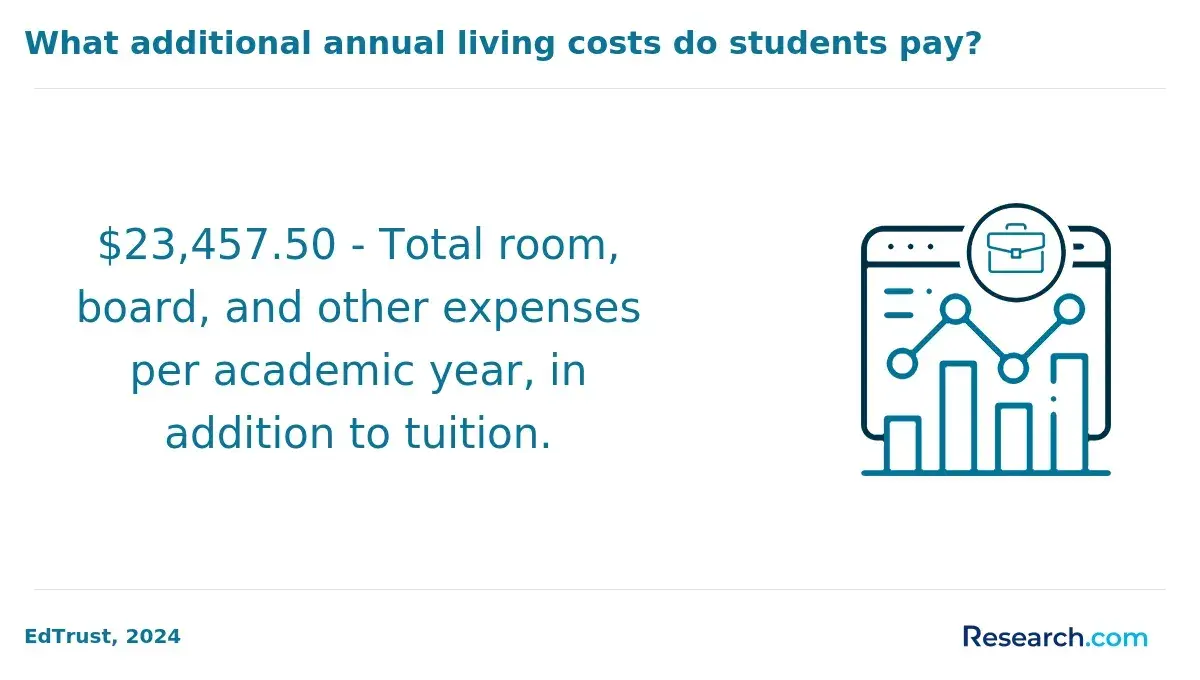
Online college costs and completion times vary by credential, school, enrollment pace, transfer evaluation, and required experiential work. Compare the estimated total price to finish: tuition for remaining credits plus mandatory and program fees, books, technology, travel, and any unpaid placement costs.
Then subtract grants and scholarships for which you actually qualify; a low per-credit price is not necessarily the lowest net cost.
Ask each college for a degree audit and a term-by-term completion estimate based on your transcript and intended course load. If speed matters, compare fast track college programs against that personalized estimate.
Shorter classes do not eliminate prerequisites, required credits, course sequencing, or clinical hours. Complete the FAFSA to explore federal aid eligibility, and check whether your employer offers tuition assistance.
What admission requirements apply to online degree programs?
Undergraduate applicants generally need a high school credential or an accepted equivalent; transfer applicants submit prior college transcripts. Master's applicants usually need a bachelor's degree, and specialized programs may require prerequisite courses, professional experience, a portfolio, or an active license.
Requirements can differ between programs at the same college, so use the admissions page for the exact degree and applicant category.
Before applying, request an evaluation of prior credits and ask which courses satisfy degree requirements rather than merely count as electives. An application fee is a separate comparison point: online colleges with no application fee may reduce the cost of exploring options, but a fee policy does not indicate the quality of career support.
How do online colleges connect graduates with employers?
Colleges connect students with employers through recruiting events, internship and practicum relationships, alumni networks, employer presentations, and referrals to publicly advertised openings.
The strength of those connections varies by field and location. A national virtual event may help a software applicant, while a student seeking a local teaching or clinical placement needs regional relationships.
Ask which employers have recruited students in your program recently and what participation involved. An employer appearing on a partner list is not proof that it hires graduates. For a more useful signal, ask whether online students can attend the same events as campus students and whether the career office tracks interviews, offers, and field-related employment separately.
How should you compare online colleges with job placement support?
The best online college with job placement support is the one whose specific program meets your career requirements and whose services you can realistically use. These institutions offer useful starting points for comparison, not a ranked list or a claim that their graduates have equivalent employment outcomes.
The comparison below identifies each school's career-service entry point and the question most likely to reveal whether its support fits your plans. Confirm current offerings directly with the school before applying.
| Online college | Career-service entry point | Most useful question |
| Arizona State University Online | ASU career and professional development resources | Which recruiting events and advisers serve students in my online program? |
| Southern New Hampshire University | Career services and employer-engagement resources | What individualized support is available before and after graduation? |
| University of Maryland Global Campus | Career services for students and alumni | How do advisers support applicants seeking work in my region and field? |
| Western Governors University | Career and professional development resources | How can I use coaching and employer events while studying at my own pace? |
Before deciding, get written answers about accreditation, any licensing eligibility, required in-person work, your total cost and remaining credits, and career-service access.
Request comparable program-level outcomes from your finalists. If a school cannot explain its placement figure or how online students reach employers, weigh that uncertainty alongside its price and flexibility.
Other Things You Should Know About
No. Career offices may help with coaching, networking, and applications, but employers make hiring decisions. Ask what a college means by "placement" and whether it publishes program-specific results.
Sometimes. Colleges may offer virtual events or open campus recruiting to online students, but access varies. Confirm eligibility and event schedules for your program.
Not necessarily. State boards may require an approved program, supervised practice, examinations, or other steps. Check the specific program with the board in the state where you plan to work.
Ask when advising begins, whether advisers know your field, who arranges required placements, which employers recruit online students, and whether support continues after graduation.
References
- Students & Recent Graduates | U.S. Office of Personnel Management https://www.opm.gov/policy-data-oversight/hiring-information/students-recent-graduates/
- Post-Secondary Employment Outcomes (PSEO) | U.S. Census Bureau https://lehd.ces.census.gov/data/lehd-code-samples/sections/pseo.html
- An Overview of Accreditation of Higher Education in the United States | Congress.gov | Library of Congress https://www.congress.gov/crs-product/R43826
- College Student Employment - COE https://nces.ed.gov/programs/coe/indicator/ssa/college-student-employment
- DAPIP | Homepage - Office of Postsecondary Education (OPE) https://ope.ed.gov/dapip/
- Placement Rate Methodology | Professional Skills Institute https://proskills.edu/placement-rate-methodology/
- Career services: Graduation and Beyond - Learning Online at IU https://learningonline.iu.edu/graduation/career-services.html
- General Internship & Job Search Websites | Business Career Center https://careerconnections.smeal.psu.edu/general-internship-job-search-websites/
- Diné College Placement Rate Methodology - Dine College - https://www.dinecollege.edu/academics/dine-college-placement-rate-methodology/
- Schedule an Appointment with a Career Coach | Career & Internship Center https://careers.uw.edu/schedule-an-appointment-with-a-career-coach/


