
2027 Best Online Colleges for Flexible Careers

Co-Founder and Chief Data Scientist
Choosing an online college is not just a question of where you can study. It is a question of whether you can finish the right program around work, family, and career plans. Federal education data show that more than half of U.S. postsecondary students take at least one distance-education course, but online access does not guarantee a flexible schedule. This guide compares colleges and career-focused fields, then shows you how to check deadlines, costs, accreditation, and hands-on requirements before you enroll.
Key Things You Should Know
- The best online college for a flexible career offers your intended credential, manageable weekly scheduling, and a realistic path to completion - not simply online classes.
- More than half of U.S. postsecondary students take at least one distance-education course, according to federal education data; confirm whether your specific program also permits part-time study and requires live meetings.
- Check accreditation, total remaining credits, and any local placements or licensing rules before comparing tuition or advertised completion times.
Top 10 Best Online Colleges for Flexible Careers
Business Programs
Online business bachelor's programs can support moves into operations, sales, accounting support, or project coordination. An MBA or specialized business master's usually serves people seeking advancement or a career change; it does not automatically lead to management.
Compare part-time schedules, team-project meeting times, and whether accounting or analytics courses match your goal. If you already hold a bachelor's degree, ask whether foundation courses add time. Choose a business program over a narrower credential when you want room to change functions.
Healthcare Programs
Healthcare administration and public health programs can prepare students for organizational, policy, or community-health work without qualifying them to provide clinical care. Bachelor's options may suit entry or transition roles; a master's may be more appropriate for specialized advancement.
Check whether internships, fieldwork, or scheduled group activities fit your week. For a clinical occupation, start with that occupation's licensing requirements instead of assuming an online healthcare degree will meet them.
Information Technology Programs
Online IT programs commonly cover networks, cloud systems, cybersecurity, and technical support. Bachelor's degrees offer broader foundations; a focused certificate may be a better first step if you need a specific skill.
Ask whether labs use remote-access software and whether exams require proctoring or fixed times. Certifications can complement a degree, but employers may also expect projects or experience. Flexible course access matters less if required courses are offered infrequently.
Computer Science Programs
Computer science emphasizes programming, algorithms, software design, and mathematical foundations. An online bachelor's can suit someone pursuing software roles; a master's often assumes prior computing preparation and may require bridge coursework.
Compare coding-project feedback, access to tutors, course sequencing, and capstone expectations. A short coding certificate may suit a limited skills goal, but it is not interchangeable with the breadth of a computer science degree or evidence of professional experience.
Nursing Programs
Nursing requires particular care in an online-college search. Many online RN-to-BSN programs serve nurses who already hold an RN license; they are not entry-level routes to becoming an RN.
Entry-level nursing programs require supervised clinical training, even when lectures are online. Graduate nursing programs may require an active license, clinical placements, and state-specific authorization. Verify the exact track and your state's rules before choosing a schedule or paying a deposit.
Psychology Programs
An online psychology bachelor's builds research, writing, and human-behavior knowledge useful in varied roles, but it does not qualify graduates to practice as licensed psychologists. A psychology master's may support certain research or applied paths; clinical practice requirements differ by occupation and state.
Compare research methods, supervised experiences, and whether courses prepare you for the next credential you actually need. If counseling is your goal, examine counseling programs and licensing requirements separately.
Education Programs
Online education degrees may serve aspiring teachers, licensed teachers seeking advancement, or people pursuing nonteaching roles. These are different pathways: initial teacher preparation typically includes supervised student teaching and state approval, regardless of online coursework.
A graduate education program may instead focus on curriculum or leadership without providing initial licensure. Ask about placement locations, daytime school-hour commitments, and eligibility in the state where you plan to work.
Criminal Justice Programs
Online criminal justice programs examine law, institutions, investigation, and public safety. A bachelor's may support applications for administrative or investigative work; a master's may suit experienced professionals seeking specialization.
Neither credential replaces an agency's hiring standards, training, background checks, or physical requirements. Compare elective choices and internship expectations with your target employer. If you want a role with specific academy or certification rules, verify those rules first.
Engineering Programs
Engineering can be harder to study entirely online because design, laboratory, and team projects may require specialized facilities or scheduled participation. Distinguish engineering degrees from engineering technology degrees; they can lead to different preparation and licensing pathways.
For a potential professional engineer, check program accreditation and your state board's education rules. Ask how an online program handles labs, equipment access, and any campus visits before treating it as compatible with a full-time job.
Social Work Programs
Online bachelor's and master's social work programs can prepare students for different levels of practice, but required field education takes place in real service settings. A master's may offer an advanced-standing route for eligible BSW graduates; applicants from other majors should not assume the same timeline.
Check field-placement support, daytime availability requirements, program accreditation, and the rules for licensure in your state. Online lectures cannot replace supervised practice.
What Are the Best Online Colleges for Flexible Career Paths?
The best online college for a flexible career is the one whose specific program fits both your occupational goal and your available hours. The institutions below offer distinct starting points, not a universal ranking. Availability and scheduling can differ by degree, so compare the current program catalog and course schedule before applying.
This comparison highlights where each college may be worth a closer look and the flexibility question that matters most.
| College | Program example | Potential fit | Verify before applying |
| Arizona State University Online | Online business degree options | Students seeking a broad university program selection | Live-session expectations, course sequence, and total tuition |
| Oregon State University Ecampus | Online postbaccalaureate computer science | Career changers who already hold a bachelor's degree | Entry eligibility, prerequisite preparation, and workload |
| Western Governors University | Online information technology bachelor's options | Students comfortable with competency-based assessment | Program-specific assessments, term costs, and transfer evaluation |
| University of Maryland Global Campus | Online cybersecurity and business options | Working adults comparing career-focused majors | Scheduled activities, course availability, and remaining credits |
Do not infer that every program at one of these colleges has the same pace or attendance policy. If institutional reputation is an important factor for you, compare prestigious online universities alongside evidence about your intended program's cost, format, and outcomes.
How Do You Verify Online College Accreditation and Program Quality?
First, verify the college's current institutional accreditation through the U.S. Department of Education's accreditation database or the accreditor itself. Then check whether your intended program needs separate accreditation or state approval. Institutional accreditation alone does not establish eligibility for every professional license.
Ask the program for its current catalog, a sample course schedule, graduation requirements, and details of any placement or campus attendance. A strong warning sign is a school that describes a program as flexible but will not clarify required live meetings, where clinical work occurs, or whether graduates can seek the credential required for their target occupation.
Are Online Degrees as Valuable as Campus-Based Degrees?
An online degree can be valuable when the college is appropriately accredited, the curriculum fits your goal, and you can demonstrate what you learned. Employers may care more about relevant skills, experience, and required credentials than where lectures took place. Value still depends on the occupation: an online nursing lecture cannot substitute for clinical training, and an online engineering course may still require lab work.
Choose online study when travel or fixed campus hours would make completion difficult. Consider campus or hybrid study if you need frequent face-to-face instruction, equipment access, or local recruiting opportunities. Neither format guarantees a job; compare the actual program and your ability to finish it.
Which Online Degrees and Certificates Lead to In-Demand Careers?
Business, IT, computer science, and healthcare administration offer routes into multiple occupations, but the right credential depends on the role. A certificate may efficiently address a narrow technical skills gap; an associate's or bachelor's degree may be more useful where employers expect broader preparation.
Nursing, teaching, and social work demand particular attention to approved training and licensing.
Start with job postings for the work you want, then separate required credentials from preferred skills. That check prevents you from choosing a broadly appealing degree that misses a mandatory qualification. If time is your main constraint, assess claims about easy degrees to get online that pay well against the actual coursework, cost, and experience needed for the occupation.
What Do You Learn in Online Career-Focused Programs?
Career-focused programs combine subject knowledge with applied work: business students may analyze operations, IT students may configure systems, and computer science students may build software.
Programs can also require general education, electives, labs, a capstone, or supervised practice. A master's may add advanced specialization, research, or a professional project rather than repeating introductory courses.
Read the required-course list, not just the program description. Check how often essential courses run and whether projects require scheduled teamwork. New AI tools may change how work is done, but they do not remove the need to understand underlying concepts, check outputs, and meet an employer's or licensing body's standards.
What Are the Admission Requirements for Online Colleges?
Undergraduate applicants generally need a high school diploma or equivalent; transfer applicants should submit records from previous colleges. Graduate applicants generally need a bachelor's degree, and some programs require prerequisites, experience, a portfolio, or a professional license.
Admission to a college does not necessarily mean admission to a selective nursing, education, or other professional program.
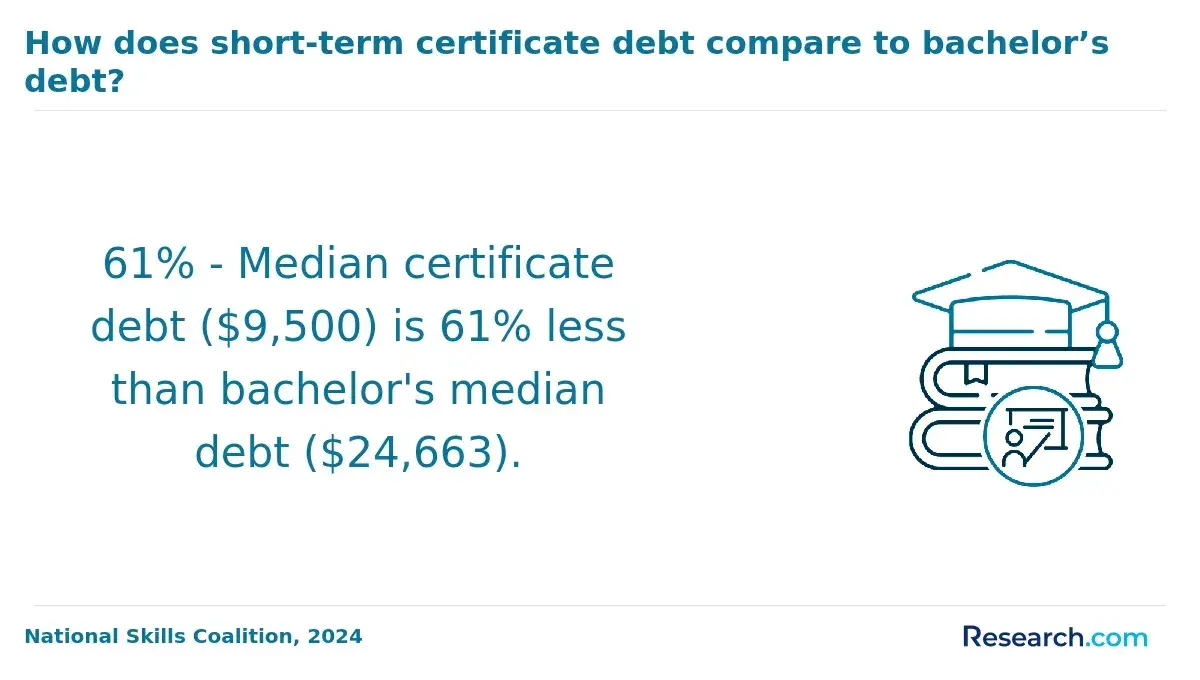
Before applying, request a program-specific review of prior coursework. Ask which credits fulfill major requirements, which count only as electives, and how many credits you must complete at the new institution. If you are not ready for a bachelor's program, an associate's degree may be a useful starting point - but confirm how its courses would apply to a later degree.
How Much Do Online College Programs Cost and How Long Do They Take?
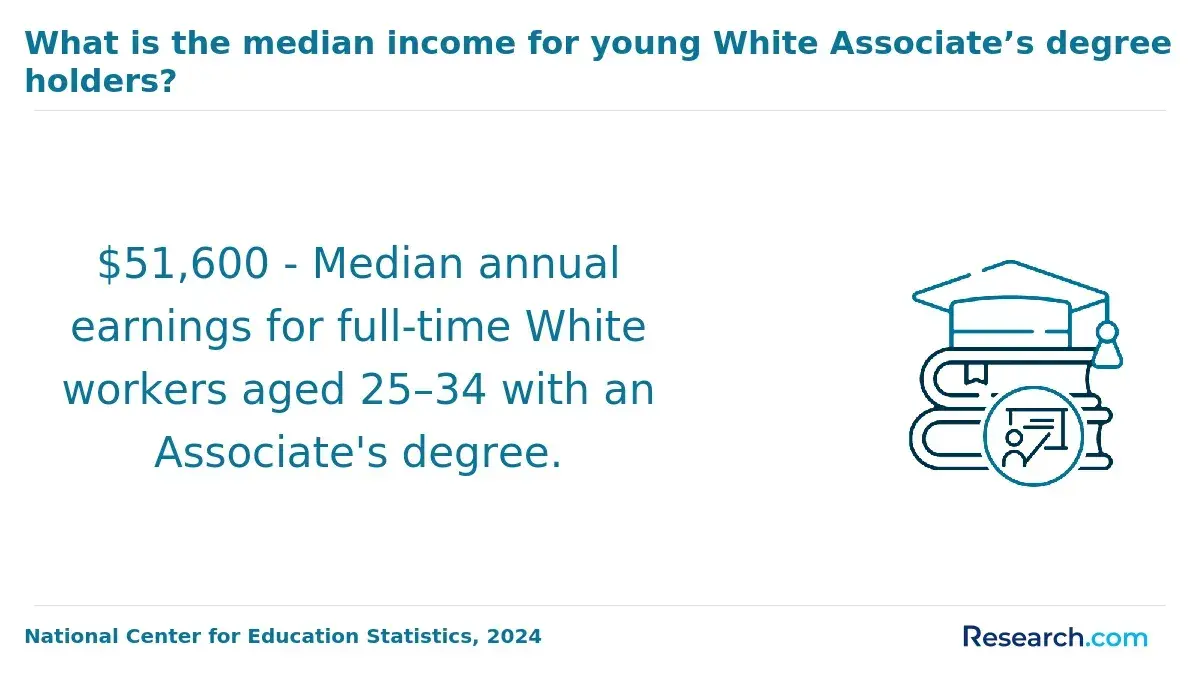
Total cost depends on remaining credits, tuition, mandatory fees, materials, and any travel or placement expenses. A lower per-credit rate may not be cheaper if fewer prior courses apply to the degree. Ask each college for a written estimate based on your transfer evaluation and likely part-time or full-time enrollment pattern.
Completion time depends on prerequisites, course availability, enrollment intensity, accepted credits, and experiential requirements. Short classes do not by themselves create a short degree.
Compare your expected time to finish with the financial cost of reducing work hours, and check federal aid eligibility, employer tuition assistance, and scholarship conditions before borrowing. Do not plan around an advertised accelerated timeline unless you meet its stated entry assumptions.
What Careers, Salaries, and Job Outlooks Do Online Graduates Have?
Online graduates enter different labor markets; there is no single "online degree salary." The U.S. Bureau of Labor Statistics publishes occupational pay and employment projections, which can help you compare roles, but those figures describe workers in an occupation - not what graduates of a particular college will earn. Experience, location, licensing, and employer requirements also matter.
Build a shortlist of target jobs, compare their entry requirements with each program's curriculum, and look for opportunities to produce work samples or gain supervised experience.
Career fit matters as much as advertised pay: someone seeking independent, concentrated work might explore jobs for introverts, while checking the actual collaboration demands of each role. Avoid treating a college's career-services access as a placement guarantee.
Do Online Career Programs Meet Licensing and Certification Requirements?
Licensing and certification are determined by the profession, credential, program, and jurisdiction - not by whether coursework is online. Nursing, teaching, social work, and some engineering or counseling paths can require approved education, in-person training, examinations, supervised experience, or a state license. An optional industry certification has different rules from a legal license to practice.
Before enrolling, identify the state where you intend to work and the exact license or certification you need.
Compare the board's education requirements with the college's published program disclosures, then ask the program to clarify any gap in writing. This is especially important if you may move: eligibility in one state should not be assumed to transfer to another.
Other Things You Should Know About
Often, but check weekly deadlines, live meetings, course load, and required fieldwork. Ask for a sample schedule from your intended program.
Not necessarily. Many follow fixed terms and deadlines even when lectures are available on demand. Confirm the format of required courses before enrolling.
Yes, if the college accepts them and applies them to remaining requirements. Request an individual transfer evaluation; accepted elective credit may not replace a required major course.
Compare the same intended credential at both schools. Prioritize accreditation, remaining requirements, workable scheduling, total cost, and any licensing or hands-on obligations over a general ranking.
References
- Types of Financial Aid: Grants, Work-Study, and Loans | studentaid.gov https://studentaid.gov/understand-aid/types
- Diploma Mills and Accreditation | ed.gov http://www.ed.gov/laws-and-policy/higher-education-laws-and-policy/college-accreditation/diploma-mills-and-accreditation
- College Credit for Military Training & Experiences | dantes.mil https://www.dantes.mil/credit4training/
- Professional Licensure - State Authorization Network https://wcetsan.wiche.edu/resources/professional-licensure
- 603 CMR 7.00: Educator Licensure and Preparation Program Approval Regulations - Education Laws and Regulations https://www.doe.mass.edu/lawsregs/603cmr7.html
- The impact of work placements on graduate earnings | tandfonline.com https://www.tandfonline.com/doi/full/10.1080/03075079.2023.2211999
- Outcomes after Graduation | fitnyc.edu https://www.fitnyc.edu/about/required-information/right-to-know/status.php
- Professional Licensure - Adams State Online - Adams State University https://www.adams.edu/online/professional-licensure/
- Professional Licensure Programs | Regis University https://www.regis.edu/regulatory/professional-licensure
- How Internships, Practicums, and Clinicals Actually Work | Florida National University (FNU) https://www.fnu.edu/internships-practicums-clinicals-explained/


