
2027 Best Majors for Parents

Co-Founder and Chief Data Scientist
Choosing a major while raising children means weighing more than career interest. A program must fit your available hours, budget, and ability to attend labs or placements. The stakes are substantial: the U.S. Bureau of Labor Statistics (BLS) reports a 2024 median annual wage of $133,080 for software developers, but reaching that occupation takes more than choosing a computer science major.
This guide compares ten fields by scheduling demands, educational pathways, and realistic career requirements so you can find a degree you can finish and use.
Key Things You Should Know
- For maximum scheduling flexibility, start by comparing business, information technology, psychology, and criminal justice programs; confirm whether classes are asynchronous and offered part-time.
- For a direct path to a licensed occupation, nursing, education, and social work may be stronger fits, but required placements can conflict with childcare or work schedules.
- Compare career outcomes carefully: BLS reports a 2024 median annual wage of $93,600 for registered nurses, not a guaranteed salary for nursing graduates.
Top 10 Best Majors for Parents
Business Programs
Business administration, accounting, and supply chain management are worth considering if you need broadly applicable skills and potentially flexible coursework. An associate or bachelor's degree can support entry-level business work; an MBA or specialized master's is generally aimed at advancement and may expect prior experience. Accounting is more occupation-specific, but certified public accountant eligibility involves separate state education and examination rules. Ask whether required group projects meet at fixed times and whether previous credits satisfy major requirements, not just electives.
Healthcare Programs
Healthcare is a program family, not a single major. Health administration and health information programs may suit parents seeking less hands-on clinical work; allied health programs may lead toward patient-facing roles but often require labs, clinical hours, or certification. A master's in healthcare administration generally supports experienced professionals rather than providing a clinical license. Before enrolling, identify the exact occupation you want and confirm whether the credential meets its state or employer requirements. Online lectures do not eliminate in-person training.
Information Technology Programs
Information technology majors often cover networks, systems administration, databases, and cybersecurity. They may fit parents who want technical work without the heavier mathematics typical of some computer science curricula. Bachelor's programs can prepare students for entry-level roles; a master's in IT or cybersecurity usually builds on earlier study or experience. Hands-on projects and employer-recognized certifications can complement a degree, but neither guarantees a job. Compare lab access, scheduled team activities, and whether coursework teaches the tools used in your target role.
Computer Science Programs
Computer science emphasizes programming, algorithms, software design, and mathematics. It is a strong option for parents interested in building software and able to reserve consistent time for demanding assignments. Bachelor's programs commonly prepare students for software-related entry roles; a master's may provide specialization or a career-change pathway, sometimes with foundation courses. An online format can reduce commuting, but coding projects still take substantial uninterrupted time. Review mathematics prerequisites and opportunities to build a portfolio before choosing a program.
Nursing Programs
Nursing offers a defined professional goal but comparatively little control over clinical schedules. Associate and bachelor's pathways can lead toward registered nurse eligibility when they meet applicable requirements; an MSN serves different purposes, such as advanced practice, education, or leadership, depending on the track. Admission to nursing coursework may be more selective than general college admission. Verify clinical placement locations, shift expectations, program accreditation, state board approval, and eligibility for the required licensing examination. Parents who cannot arrange dependable coverage for clinical hours should consider that constraint first.
Psychology Programs
Psychology develops research, communication, and human-behavior skills, making it useful for several career directions. A bachelor's degree alone does not qualify someone to practice as a licensed psychologist or therapist. A master's in counseling or a related field may support a specific state-regulated practice pathway, while psychologist licensure generally requires doctoral preparation and additional supervised experience. Compare the exact occupation you want with your state's rules before committing; a broadly titled psychology degree and a licensure-track clinical program are not interchangeable.
Education Programs
Education can be a good fit for parents drawn to teaching, but school-hour employment does not make teacher preparation automatically family-friendly. Initial-licensure bachelor's and master's pathways commonly require classroom observations and student teaching during fixed daytime hours. Other master's programs serve already licensed teachers and may not lead to an initial license. Check state approval, the grade level or subject covered, testing requirements, and who arranges placements. If classroom teaching is not your goal, compare instructional design or education administration with their distinct hiring expectations.
Criminal Justice Programs
Criminal justice examines law, institutions, public safety, and policy. Online bachelor's coursework may suit a parent interested in public service, while a master's can support specialization or advancement for someone with relevant experience. The degree does not by itself qualify someone for policing, federal service, or a particular investigative position; employers may require academy training, background checks, experience, or other credentials. Match the curriculum to a specific job posting before enrolling, particularly if an employer values technical, accounting, or social-service skills more directly.
Engineering Programs
Engineering majors offer a technical route for parents comfortable with mathematics and sequential coursework. Bachelor's programs typically include laboratories and design projects; a master's usually provides specialization rather than replacing all undergraduate foundations. Scheduling is the main trade-off: required courses may be offered in a fixed sequence, and remote classes may still require lab attendance. Check whether a program has ABET accreditation when it matters to your employment or professional-engineer plans. Licensure, where needed, involves requirements beyond earning a degree.
Social Work Programs
Social work is a practice-focused choice for parents who want to support individuals, families, or communities. A bachelor of social work can prepare students for some entry roles; a master of social work is commonly needed for clinical licensure pathways. Accredited programs require field education, which can create substantial daytime scheduling demands. Some MSW programs offer advanced standing to eligible BSW graduates, but eligibility and remaining requirements vary. Confirm program accreditation, placement arrangements, and your state's supervision and licensing rules before assuming an online degree will fit your schedule.
What Are the Best Majors for Parents Returning to College?
The best major for a parent returning to college is one that connects a realistic career goal with a schedule and total cost the family can sustain. Business and IT often provide more options for arranging coursework around caregiving. Nursing, education, and social work have clearer routes to particular professions but less flexibility during required placements. If you are still exploring, compare easy degrees to get cautiously: manageable coursework is only useful if the major supports your goal.
This comparison highlights the constraint most likely to affect completion. It describes fields, not a ranking of individual colleges or a promise that every program offers the same format.
| Field | Potential advantage for parents | Constraint to check |
| Business or IT | Coursework may be available online or part-time | Live projects, technical labs, and course availability |
| Computer science or engineering | Preparation for technical careers | Math prerequisites, labs, and sequential courses |
| Nursing, education, or social work | Pathways toward defined professions | Placements, licensing rules, and daytime commitments |
| Psychology or criminal justice | Broad preparation for further study or several roles | Additional credentials or training for the intended job |
Which Majors Offer Flexible Online Programs for Parents?
Ask whether lectures are recorded, attendance is required at set times, deadlines follow a predictable pattern, and every required course is offered part-time. For nursing, teaching, social work, and some healthcare programs, confirm where and when in-person training occurs before treating the program as flexible.
What Careers Can Parents Enter With a Short Certificate Program?
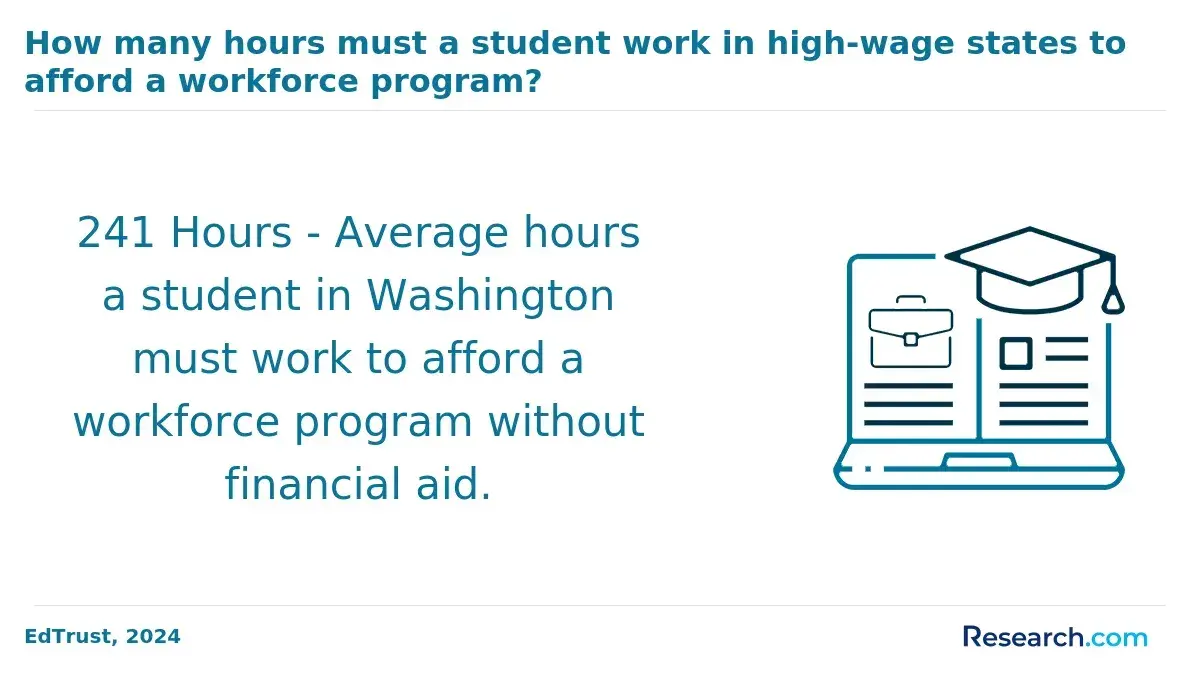
A short certificate can be a sensible first step if a full degree does not currently fit your budget or childcare arrangements. Options to investigate include bookkeeping, IT support, medical coding, and certain allied health support roles. Requirements differ: some employers seek a particular certification, and patient-care roles may require supervised training or state authorization. A certificate alone does not guarantee employment.
Before paying, compare local job postings with the certificate's coursework, ask whether it prepares students for a required examination, and find out whether its credits can apply to a later degree. That last point matters if you expect to return for a bachelor's or explore online master degree programs after completing the necessary undergraduate education.
Which Majors Provide the Best Salary and Job Outlook for Parents?
Salary and job outlook are useful filters, not forecasts of what a parent will earn after graduation. BLS reports a 2024 median annual wage of $133,080 for software developers. That makes computer science worth investigating if software development fits your interests, but the figure covers workers across experience levels and does not measure the earnings of new graduates. Likewise, demand for nurses does not erase the cost or scheduling demands of clinical preparation.
Compare occupations rather than major names: identify the usual entry credential, examine BLS wages and projected employment change for that occupation, then check local openings and any licensing steps. Business, IT, and healthcare administration can lead to varied jobs with substantially different pay. Weigh likely opportunities against tuition, time away from paid work, and the chance that you can complete the program.
How Do Parents Choose an Accredited College Program?
Start with institutional accreditation recognized by the U.S. Department of Education. Then check any program-specific approval relevant to your goal, such as nursing board approval, social work accreditation, teacher-preparation approval, or engineering accreditation. Institutional accreditation alone does not establish eligibility for every professional license.
Use the college's current catalog to verify that the exact major, credential level, and delivery format you want are available. For a licensed occupation, ask the program and the licensing board in the state where you intend to work whether that specific pathway meets educational requirements. Be wary of vague assurances that an "accredited online degree" qualifies graduates everywhere.
What Admission Requirements Apply to Adult Learners and Parents?
Adult learners generally apply with prior transcripts; undergraduate applicants may also need proof of secondary education. Programs can impose separate prerequisites, minimum grades, interviews, background checks, or technical requirements even when general college admission is less restrictive. Graduate programs usually require a bachelor's degree, and professional tracks may require a particular major, license, or work experience.
Request an evaluation of previous coursework before committing. Ask which credits satisfy general education, which count toward the major, whether older science or technology courses must be repeated, and how many credits must be completed at the new institution. Credit for workplace learning or certificates is possible only where a college has an applicable evaluation policy; experience does not automatically become degree credit.
How Much Do Degree Programs Cost and How Long Do They Take?
A certificate may take less time than an associate degree, while a bachelor's generally requires substantially more coursework; a master's adds graduate requirements after a bachelor's. Actual completion time depends on accepted credits, course sequencing, enrollment intensity, and any labs, clinicals, internships, or student teaching. A short academic term does not mean the whole degree is short.
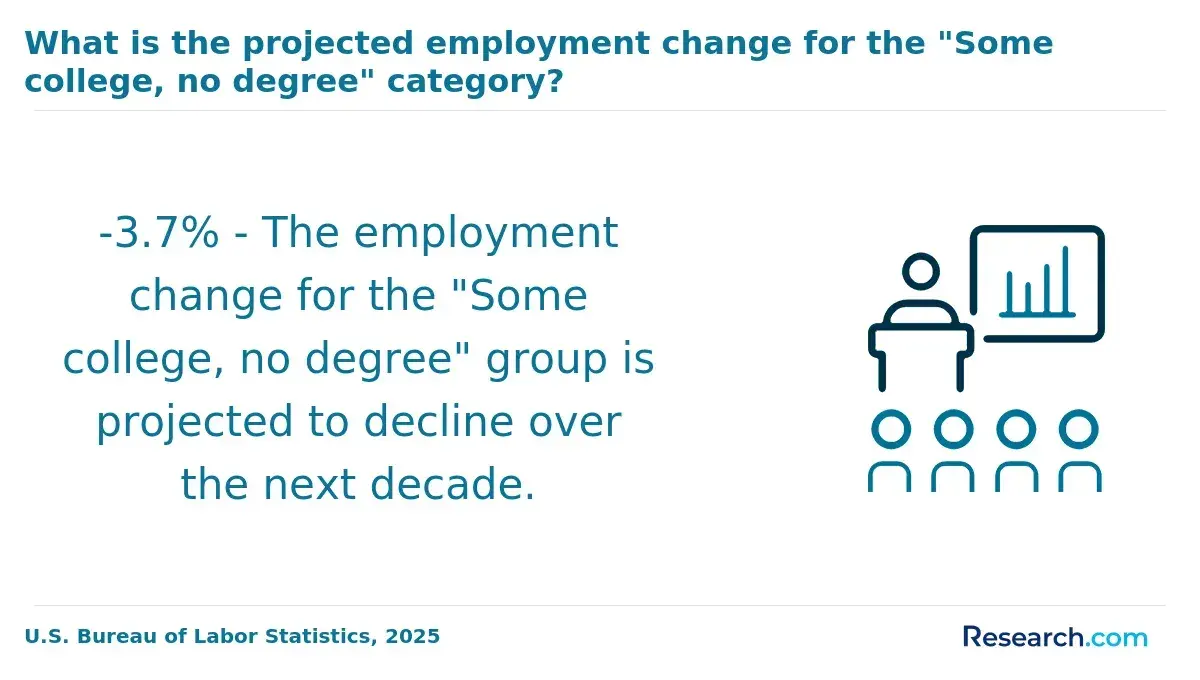
Compare the cost to finish, not just the advertised price per credit. Include mandatory and program fees, books, equipment, placement travel, and childcare during required attendance. Ask each school for a written estimate based on your evaluated transfer credits and planned pace. Federal aid eligibility depends on the student and program; also check employer assistance and whether part-time enrollment changes aid. A lower-tuition program can cost more overall if fewer previous credits apply.
Which Majors Require Licensure or Professional Certification?
Registered nursing, classroom teaching, and clinical social work involve state licensing requirements beyond admission to a major. Some healthcare support roles require certification or state authorization. Professional engineering licensure applies to particular work and has education, examination, and experience requirements that vary by jurisdiction. Accounting graduates pursuing CPA status must also meet state-specific requirements.
Psychology illustrates why the exact career matters: a bachelor's in psychology does not authorize clinical practice, and psychologist licensure generally requires doctoral training and supervised experience. If comparing a cheapest doctorate degree online option, first verify that its field, accreditation, and in-person training meet the rules for your intended license; a low price alone is not enough.
What Coursework and Skills Do the Best Majors for Parents Include?
The strongest curriculum depends on the job you want. Business emphasizes accounting, operations, and communication; IT and computer science add technical problem-solving; nursing and allied health combine science with supervised practice. Psychology and social work emphasize human behavior and research or practice skills, while education includes teaching methods and classroom experience. Engineering requires substantial mathematics, science, and design work.
Before enrolling, compare required courses with job postings and ask to see a term-by-term plan. Look for a manageable sequence of prerequisites, useful projects or placements, and a clear final requirement such as a capstone or practicum. A common mistake is choosing a major for its appealing title without checking whether its coursework, schedule, and credential actually match the intended career.
Other Things You Should Know About
Business or IT may offer more scheduling options, but check for asynchronous classes, predictable deadlines, and part-time course availability at the specific school.
Some academic coursework may be online. Clinical training and student teaching still require in-person attendance, so confirm placement hours and locations.
A certificate may be the better first step for a specific entry-level goal. Check employer requirements and whether its credits will count toward a later degree.
Request a formal transfer-credit evaluation before enrolling and confirm that accepted courses satisfy requirements in the intended major, not only electives.
References
- Fast Facts: Time to degree (569) | ed.gov https://nces.ed.gov/fastfacts/display.asp
- Cost of Attendance (Budget) | 2025-2026 Federal Student Aid Handbook https://fsapartners.ed.gov/knowledge-center/fsa-handbook/2025-2026/vol3/ch2-cost-attendance-budget
- College Costs | ccp.edu https://www.ccp.edu/college-catalog/college-costs
- Tuition & Expenses | Student Financial Services https://financialaid.wsu.edu/tuition-and-expenses/
- What is the time commitment for different degree options? | Penn State World Campus https://www.worldcampus.psu.edu/about-us/news-and-features/what-is-the-time-commitment-for-different-degree-options
- Clinical Placement FAQs | Simmons University School of Social Work Online https://online.simmons.edu/nursing-faq/clinical-placement-faq/
- Clinical Requirements | Chamberlain University https://www.chamberlain.edu/resources/academics/clinical-requirements
- How Career-Focused Education Helps Adult Learners Succeed - Florida National University (FNU) https://www.fnu.edu/how-career-focused-education-helps-adult-learners-succeed/
- Effective Practices that Support Adult Learners | acenet.edu https://www.acenet.edu/Research-Insights/Pages/Student-Support/Effective-Practices-Adult-Learners.aspx
- Trends & Predictions - Job Market https://www.naceweb.org/job-market/trends-and-predictions/





