2027 Choosing an Online MS in Psychology - Forensic Psychology for a Future Victim Services Research Position: Prerequisites to Compare
Audited and Verified:
Our Editorial and Data Verification Process
Research.com uses government datasets, official education statistics and primary institutional information to support its career and degree guides. Our review process checks factual accuracy, occupational definitions, source dates and the requirements associated with the credentials discussed.
How This Article Was Fact-Checked
Our editorial team verifies salary estimates, employment projections, education requirements and program information against original data providers and official organizations. Salary figures are checked against the relevant occupational definitions and reporting periods. Information about licensure, accreditation and required in-person training is reviewed separately.
Fact-checked and verified on:

Co-Founder and Chief Data Scientist
If you want to study whether victim services reach people effectively, a forensic psychology master's may sound like a direct route. But program names reveal less than coursework, data access, and supervised research opportunities - and the degree may not be necessary for your target job. This guide is for prospective graduate students and professionals in advocacy, community services, or justice agencies. It explains which prerequisites matter, how to compare online programs, and when a less expensive research or experience pathway could serve you better.
Key Things You Should Know
- Prioritize statistics, research design, evaluation experience, and ethical data handling over the forensic label; a thesis or agency-approved project is especially useful if it produces work you can discuss with employers.
- Check the target job before enrolling: some research-support roles accept a bachelor's degree plus experience, while independent research leadership may require advanced methods training and a stronger project record.
- Compare total cost as required credits multiplied by the applicable tuition rate, plus fees and project expenses; an accelerated online schedule is valuable only if research supervision and any site obligations remain workable.
What Is an Online MS in Forensic Psychology for Victim Services Research?
An online MS in forensic psychology studies psychological science in legal and justice-related settings. For a future victim services researcher, its value lies in learning to examine questions such as who can access advocacy, how referral systems operate, and whether services meet participants' stated needs. That is different from providing therapy, conducting forensic evaluations, investigating crimes, or representing clients legally.
"Victim services researcher" describes a function rather than one standardized credential. A researcher might analyze administrative records, help design an evaluation, interview service providers, or report findings to an agency or funder. An advocate, by contrast, primarily provides direct support and referrals. People drawn to that frontline work can compare recovery services employment pathways as another example of service roles that require different preparation from research positions.
The degree makes the most sense when its methods training and supervised projects fill gaps in your existing background. Someone already conducting evaluations at a nonprofit may benefit more from advanced statistics, mentorship, or access to a research team than from another broad survey of forensic topics.
What Prerequisites Are Needed for a Victim Services Research Career?
Start with the work you want to do, not a universal course checklist. Employers may hire research assistants with a bachelor's degree and demonstrated data skills, while roles that design studies, manage evaluations, or supervise analysts may expect a master's degree and substantial experience. Advocacy experience provides valuable service-system knowledge but does not replace training in research design.
The comparison below separates preparation that helps you enter a research team from preparation for more independent responsibility. A job posting, rather than a degree title, should settle which qualifications are mandatory.
| Preparation | Research-support work | More independent evaluation work |
| Academic foundation | Bachelor's-level preparation may suffice when the employer accepts relevant experience | Graduate methods training may be preferred or required |
| Technical skills | Data cleaning, literature searches, accurate documentation, basic statistics | Study design, measurement, analysis plans, interpretation, reporting |
| Service context | Knowledge of referrals, accessibility, and agency procedures | Ability to define useful questions with agencies and interpret findings without overstating them |
| Ethics | Confidentiality and approved handling of records | Oversight planning, consent where applicable, data agreements, and safeguarding |
For a career changer, existing strengths may include case documentation, grant reporting, interviewing, or database work. Identify the missing skill by reviewing actual postings, then seek a project that demonstrates it. If you do not yet hold a bachelor's degree, compare undergraduate routes against the intended occupation; an undergraduate education investment in substance abuse counseling, for example, serves a different career objective from training to evaluate victim services.
How Do You Choose an Accredited Online Forensic Psychology Master's Program?
First verify the university's recognized institutional accreditation through its accreditor and federal recognition records. Then confirm the exact degree, whether "forensic psychology" is the awarded degree or a concentration, and which requirements apply to your entry term. Institutional accreditation does not establish that a nonclinical MS qualifies you for a professional license; APA accreditation generally concerns covered professional psychology doctoral programs and internships, not every psychology master's degree.
For this career goal, compare programs by the evidence of research preparation they can actually provide. Ask for the current curriculum and written answers to these questions:
- Are advanced statistics, research design, and program evaluation required or merely optional?
- Can online students complete a faculty-supervised thesis or applied evaluation, and how are advisors assigned?
- What happens if an agency cannot provide data or approve a proposed project?
- Are live meetings, campus visits, local placements, or particular software required?
- What career and project-support services can distance students use?
Request an example project policy, not confidential student work. Compare the supervision and scheduling rules alongside fast-paced psychology degree formats: a shorter calendar is not an advantage if it leaves too little time to secure permissions and complete sound research.
Curricula vary, but may combine psychology and law, victimology, trauma as a subject of study, research methods, statistics, ethics, and justice-system policy. For victim services research, judge a course by the work it prepares you to do: define a service outcome, choose a defensible measure, recognize selection bias, analyze incomplete records, and communicate limitations to a nontechnical audience.
Pay particular attention to the difference between a course about assessment or counseling and supervised professional training to perform either activity. Likewise, learning about trauma does not make a student qualified to diagnose survivors or provide treatment. If your intended role is substance-use counseling rather than evaluation, an addiction counseling degree comparison resource is more relevant than assuming overlapping course titles make the credentials interchangeable.
Useful electives may include qualitative interviewing, psychometrics, public policy, or implementation and program evaluation. Prioritize the combination that addresses your documented gaps; a methods course with an applicable project can be more valuable to this goal than another broad forensic elective.
Requirements belong to the individual program. Schools commonly ask for a completed bachelor's degree, transcripts, an application statement, and recommendations, but psychology coursework, statistics, research methods, GPA thresholds, and entrance-test policies differ. A non-psychology major is not automatically disqualifying: public health, sociology, criminal justice, computing, and human services can provide relevant preparation.
Separate required prerequisites from evidence that makes an application stronger. If you lack statistics, ask whether a stand-alone course satisfies the requirement, when it must be finished, and who approves an exception. If you have agency experience, explain a specific research question it raised and show what you did - not just your interest in helping survivors. Confirm any international credential-evaluation or English-language rules with the program if they apply to you.
Finally, choose the admission pathway that matches the job. A nonclinical forensic psychology MS is not a substitute for a qualifying counseling program. Applicants whose actual aim is psychotherapy should compare the prerequisites and credential purpose of an accelerated clinical counseling master's before applying.
Time to completion depends on required credits, course availability, enrollment pace, and whether a thesis or agency project needs approval. An accelerated course sequence may shorten classroom study without shortening the time needed to arrange data access and supervision. Ask the program for both its published completion schedule and the rules for changing pace or taking leave.
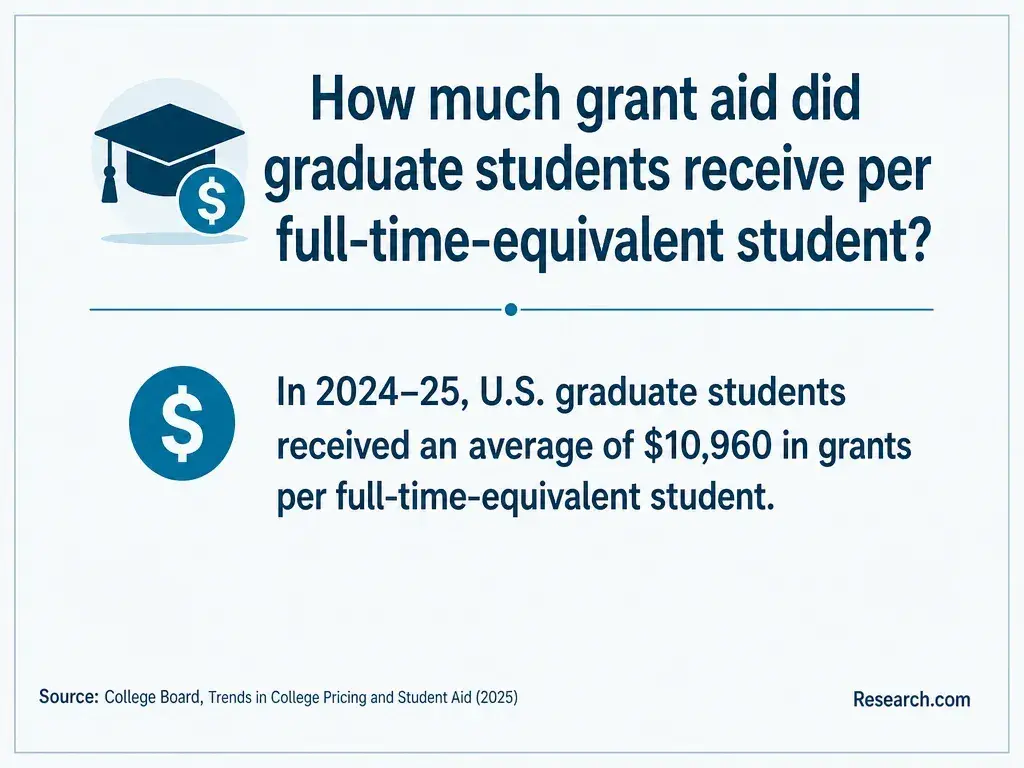
Calculate cost from the current tuition rate and required credits, then add mandatory fees, books or software, travel for any in-person obligations, and possible continuation charges. If a project or placement reduces paid work hours, include that opportunity cost. Compare the resulting estimate with your budget and likely job requirements, not a hoped-for salary increase. A broader guide to psychology degree tuition and affordability can help frame the comparison, but obtain a program-specific estimate before committing.
Ask whether employer tuition assistance, graduate aid, or an assistantship is actually available to online students and whether it depends on enrollment intensity or continued eligibility. Do not count unconfirmed funding as a cost reduction.
Online study can allow a working advocate or agency employee to remain in a local service network. Campus study may make it easier to attend research-team meetings and build faculty relationships. Neither format guarantees a thesis advisor, a placement, or access to survivor-service data; those arrangements require separate verification.
The practical distinction is how each program supports research. Ask whether online students can join faculty projects, how often supervision occurs, whether meetings are live, and whether approved projects can use a local agency. Campus applicants should ask equally direct questions about project availability rather than assuming proximity means a place on a research team.
If speed matters, review one-year online forensic psychology master's options against the time your intended project requires. For someone employed full time, an asynchronous lecture schedule may still be difficult if research meetings, group work, or site approvals demand daytime availability.
Strong experience demonstrates a complete, appropriately supervised piece of research or evaluation work. Examples include cleaning an authorized service dataset, preparing a literature review for an advocacy agency, developing a feasible evaluation plan, or contributing to interviews under an approved protocol. A modest project with clear methods and limitations is more persuasive than an ambitious proposal that depends on records you cannot access.
Before using agency records or contacting service users, establish who owns the data, what permissions and agreements apply, and whether institutional review or another oversight process is needed. Deidentification alone does not grant permission to use records. If working with survivors, plan for confidentiality, accessibility, potential distress, and any safeguarding or reporting duties with qualified supervisors. A portfolio can show a redacted protocol, codebook, or aggregate report without exposing client information.
Seek feedback from both a methods supervisor and someone who understands the service setting. If the work instead makes you want to deliver treatment, investigate a qualifying professional pathway and its full expense; clinical mental health master's tuition and career value addresses a different investment than a nonclinical research MS.
Relevant job titles include research assistant, program evaluation associate, victim services analyst, and research or grants coordinator. Duties can range from maintaining datasets and summarizing interviews to designing measures and presenting findings. Advancement depends on demonstrated methods skills, organizational experience, and the employer's requirements - not the forensic degree title alone.
There is no single reliable "forensic psychology MS salary" for these varied jobs. US Bureau of Labor Statistics occupation-wide wage data can provide context for a closely matched role, but it does not report what graduates of a particular program earn. Before estimating a return on tuition, compare local postings with similar duties, required degrees, and salary ranges, especially if you intend to remain in nonprofit or public-sector employment.
A shorter program can reduce time away from work, but only if its graduates can show the skills your target employers seek. Use time-to-degree planning for forensic psychology graduate students alongside a review of local job requirements, not as a stand-in for employment outcomes.
Does Forensic Psychology Require Licensure or Professional Certification?
Nonclinical victim services research generally does not require a psychology practice license merely because it studies psychological topics. Employers may still require background checks, research training, or agency-specific qualifications. Direct-service positions can have separate certification or training rules; check the exact job and jurisdiction.
Using the title psychologist, providing psychotherapy, and performing independent forensic psychological assessments involve different, regulated pathways. A nonclinical forensic psychology MS does not by itself qualify someone for those responsibilities. If licensure is your long-term aim, obtain the relevant state board's education and supervision requirements before selecting any program. Even the shorter online psychology master's timelines do not resolve whether a degree meets a particular profession's credential rules.
For a research goal, the decisive question is narrower: will the program help you produce credible, ethically conducted evidence that an employer or future research supervisor can evaluate?
Other Things You Should Know About Psychology
No. You can explain your research interests and relevant skills without sharing personal trauma. Follow the application prompt and disclose only what you choose.
Only within the agency's permission and confidentiality rules. Ask whether you may share a redacted methods summary or a public report instead of internal records.
Usually not by themselves. Crime counts do not show who used a service, what support they received, or what outcomes matter to participants; an evaluation needs measures suited to its question.
It can help when faculty-supervised projects are central to your choice. Ask admissions whether online students may work with particular faculty and whether contacting them before applying is appropriate.
- Informed Consent FAQs | hhs.gov https://www.hhs.gov/ohrp/regulations-and-policy/guidance/faq/informed-consent/index.html
- Principles for doing trauma-informed research and program evaluation | Australian Institute of Family Studies https://aifs.gov.au/resources/practice-guides/principles-doing-trauma-informed-research-and-program-evaluation
- Evaluating Technology-Based Services for Victims of Crime | National Institute of Justice https://nij.ojp.gov/topics/articles/evaluating-technology-based-services-victims-crime
- Victim Services Careers | fbijobs.gov https://www.fbijobs.gov/victim-services
- Assistant Professor of Research - School of Social Work | Charlottesville, Virginia, United States https://www.jobs.virginia.gov/jobs/assistant-professor-of-research-school-of-social-work-vcu-main-campus-virginia-united-states
- Master's in Psychology Requirements | louisiana.edu https://psychology.louisiana.edu/programs/masters/requirements
- Master of Arts in Research and Evaluation Methods | ucdenver.edu https://www.ucdenver.edu/programs/Research-and-Evaluation-Methods-MA
- Courses | Program Evaluation Online Graduate Certificate | University of Connecticut https://progeval.uconn.edu/courses/
- How to Become a Victim Advocate in California: Steps and Pay | Touro University Worldwide https://www.tuw.edu/psychology/how-to-become-a-victim-advocate/
- Graduate Academic Requirements | John Jay College of Criminal Justice https://www.jjay.cuny.edu/admissions/graduate-admissions/apply/graduate-academic-requirements