2027 Online BA in Psychology - General Psychology for Psychology of Recreation and Leisure: Which Courses Should You Look For?
Audited and Verified:
Our Editorial and Data Verification Process
Research.com uses government datasets, official education statistics and primary institutional information to support its career and degree guides. Our review process checks factual accuracy, occupational definitions, source dates and the requirements associated with the credentials discussed.
How This Article Was Fact-Checked
Our editorial team verifies salary estimates, employment projections, education requirements and program information against original data providers and official organizations. Salary figures are checked against the relevant occupational definitions and reporting periods. Information about licensure, accreditation and required in-person training is reviewed separately.
Fact-checked and verified on:

Co-Founder and Chief Data Scientist
If you want to understand why people participate in recreation - and how programs can better serve them - a general psychology BA can provide useful tools. But the degree title alone will not tell you whether you can study motivation, development, accessibility, or program evaluation.
This guide is for prospective online students considering recreation, parks, community programs, or related graduate study. It identifies the courses and experiences worth prioritizing, then shows how to check whether a program's format, cost, and career outcomes fit your goal.
Key Things You Should Know
- Prioritize statistics and research methods, then choose electives in motivation, development, social behavior, and health; course names matter less than what the syllabus teaches.
- Look for an approved, supervised project with a recreation organization if you want applied experience; an online BA does not necessarily include one.
- A general psychology BA supports nonclinical work but does not qualify you to provide therapy or hold a regulated recreation-therapy credential.
What Is an Online General Psychology Degree for Recreation and Leisure?
It is usually a general psychology bachelor of arts degree whose core courses and electives can be applied to questions about play, hobbies, physical activity, parks, and community participation. "Psychology of recreation and leisure" describes an area of interest, not necessarily a named concentration on the diploma. Check the catalog before treating an advertised theme as a formal academic credential.
The distinction matters because settings with similar names can involve different work. Designing an accessible community activity is different from providing clinical treatment. If your interest is instead in substance-use recovery services, explore roles in community recovery organizations and their specific hiring requirements rather than assuming recreation coursework prepares you for every support role.
What Courses Should You Look For in a Recreation and Leisure Psychology Program?
Start with methods, then select electives that explain participation. Statistics and research methods help you judge whether a program appears effective rather than relying on testimonials. The following course groups connect psychology to distinct recreation questions; catalog titles and availability vary.
For a useful sequence, compare syllabi for these subjects and the skills they actually assess:
- Statistics and research methods: survey design, sampling, comparison groups, and cautious interpretation of outcomes such as attendance or reported enjoyment.
- Social psychology and motivation: belonging, group norms, barriers to participation, and reasons people begin or stop an activity.
- Developmental psychology: age-appropriate activities and changing interests across childhood, adulthood, and later life.
- Health, community, or environmental psychology: behavior in social and physical settings, including access to recreation spaces.
- Psychological measurement and ethics: what a questionnaire can measure, its limitations, consent, confidentiality, and respectful work with participants.
An elective in sport or exercise psychology may be valuable for physical-activity programs, but it is not a substitute for broader preparation if you want to study libraries, arts activities, or parks. Similarly, a forensic elective serves a different goal; comparing forensic psychology curricula and career fit can help you avoid choosing a specialization solely because its courses sound interesting.
After the methods sequence, look for a supervised capstone or internship that permits a modest, nonclinical question - for example, whether a program's registration process creates participation barriers. Ask who approves the site, what data you may use, and whether the experience can be completed near home. Do not assume access to participant records or permission to publish findings.
Is an Online Psychology Bachelor's Degree Accredited?
An online BA can be offered by an institution with recognized institutional accreditation, but you must check the specific school's status and the dates it covers. Confirm the institution through the U.S. Department of Education's accreditation database or the recognized accreditor, then verify that the online degree is actually offered under that institution's catalog.
Do not look for APA accreditation of a general psychology BA: APA accreditation applies to specified professional psychology training programs, not broad undergraduate majors. If your eventual goal is licensed counseling, investigate a qualifying professional program and its state-specific requirements separately. Financial planning for accredited counseling degrees is a separate decision from choosing a general psychology BA.
Online study can make lectures and assignments easier to fit around work, but a recreation-focused education also benefits from observation, collaboration, and community partnerships. An asynchronous methods course may still require scheduled group meetings; an internship may require daytime hours at a local site. Campus programs may offer easier access to nearby faculty projects or partners, though that access is not guaranteed.
Compare the actual weekly schedule, research supervision, and local placement rules - not just the "online" label. This distinction becomes even more important if your plans later change toward a regulated helping profession: accredited clinical counseling timelines for working students involve different training and supervised-practice obligations from an undergraduate psychology course schedule.
Requirements differ for first-year and transfer applicants. Schools commonly request prior academic records, while some have separate standards for entering or continuing in the psychology major. Ask whether introductory psychology, statistics, or other courses must be completed before upper-level study.
If you have college credits, request an official degree audit. A course can be accepted as transfer credit without satisfying a psychology requirement, and that difference can change your course sequence. Use college credit evaluation for psychology majors to prepare questions about equivalencies, remaining major courses, and residency requirements; the receiving institution makes the final determination.
Completion time depends on accepted credits, enrollment pace, prerequisite order, and how often needed electives are offered. Cost depends on tuition and mandatory fees, but an applied course may also involve travel or unpaid site hours. Without a school-specific degree audit and current price schedule, a precise completion date or total cost would be misleading.
Compare a standard schedule with fast-track bachelor's study in psychology only after confirming that the faster option still leaves room for methods courses and relevant electives. Request a term-by-term plan and a written estimate of remaining charges; then check aid eligibility for your intended enrollment pace.
A general psychology BA may support applications for nonclinical recreation-program support, community outreach, participant services, or program-evaluation assistant roles. Employers may also expect experience with scheduling, accessibility, data handling, or the population served. A supervised project that documents those skills can be more informative to an employer than an elective title alone.
Do not confuse these roles with recreational therapist, licensed psychologist, or counselor positions; their qualifications and permitted duties differ. If you are weighing an unrelated specialty because of its advertised career options, graduate-level forensic psychology career research addresses a different labor market and should not be used to predict recreation-related opportunities.
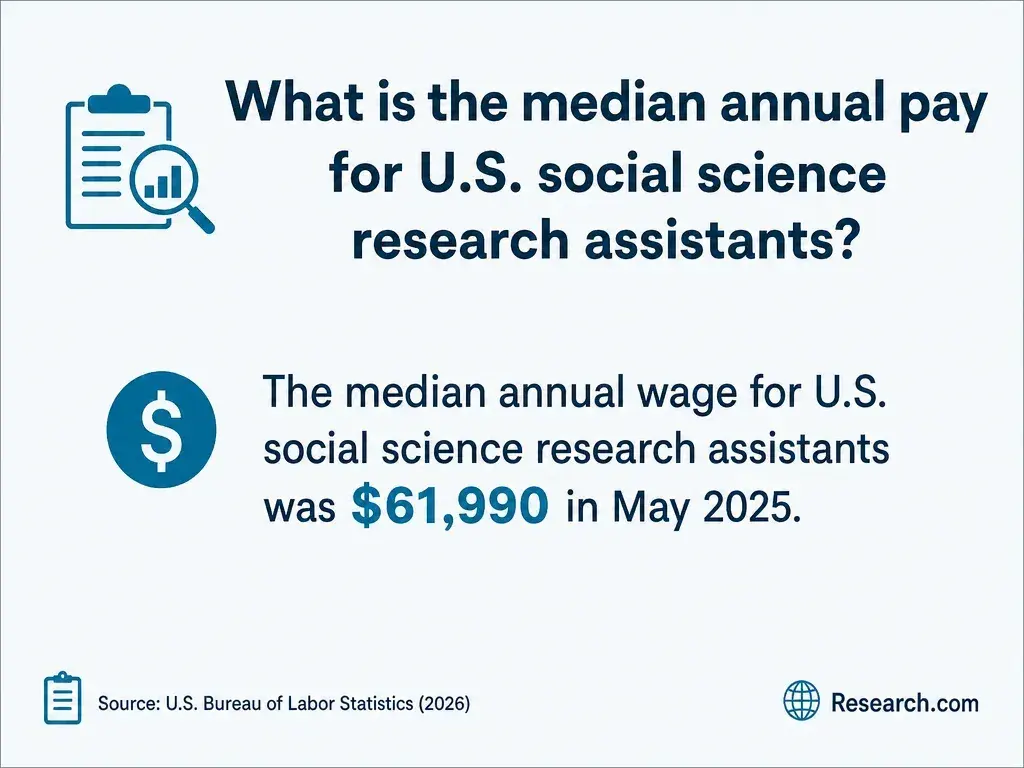
There is no single salary for "recreation and leisure psychology" graduates. Pay follows the actual occupation, employer, location, and experience - not the theme of your electives. Before using a Bureau of Labor Statistics wage figure, match its occupational definition to the job's duties; a median for recreational therapists, for example, is not an expected salary for a BA graduate applying to a nonclinical program-support role.
For a financial decision, compare local job postings' pay and qualifications with your remaining education cost. If substance-use services are your actual target, bachelor's-level substance use counseling scholarship planning concerns a different training and funding path; do not assume its costs or earnings apply to recreation work.
Many nonclinical recreation-support jobs do not require a psychology license, although employers may require safety training, background checks, or other role-specific credentials. Recreational therapy and mental-health treatment have distinct qualification rules. Check the relevant certifying body, employer, and state regulator for the exact title and duties you want.
A psychology BA does not authorize diagnosis, psychotherapy, or independent psychological assessment. Nor does adding a general psychology master's automatically change that: online psychology master's completion planning should begin with whether the particular degree meets the requirements of the intended role, not how quickly it can be finished.
How Do You Choose a Reputable Online Psychology Program?
Choose the program whose documented curriculum and applied opportunities fit your recreation goal. Check institutional accreditation, then obtain the current catalog, course rotation, sample syllabi, and internship or capstone policy. Ask an adviser which relevant electives you can realistically complete, who supervises applied work, and whether a proposed local site would need advance approval.
Finally, compare your audited remaining credits, total charges, and likely schedule against a more direct option, such as recreation-specific training or supervised experience. If graduate study is part of the plan, online master's psychology programs by affordability can inform a later cost comparison - but first confirm that graduate study is needed for your intended work. The best BA choice is the one that lets you demonstrate relevant skills without paying for a specialization you will not use.
Other Things You Should Know About Psychology
No. Sport psychology often focuses on sport and performance. Leisure also includes activities such as arts, games, reading, and informal social participation.
Not on attendance or positive feedback alone. Such evidence may show participation or satisfaction, but stronger claims require appropriate measures, a suitable design, and careful treatment of other explanations.
Ask your instructor and the site first. Permission, consent, privacy safeguards, and possible institutional review depend on the project's purpose, participants, and intended use of the results.
Look for disability studies or accessibility coursework alongside psychology. Learn from the people a program serves, and evaluate participation barriers without assuming that one activity design works for everyone.
- Frequently Asked Questions - California Board of Psychology https://www.psychology.ca.gov/licensees/faq.shtml
- Jobs and Internships - Youth & Young Adult Programs (U.S. National Park Service) https://www.nps.gov/subjects/youthprograms/jobs-and-internships.htm
- Evaluating Intervention Programs with a Pretest-Posttest Design | nih.gov https://pmc.ncbi.nlm.nih.gov/articles/PMC5332425/
- Psychology | ucsd.edu https://catalog.ucsd.edu/curric/PSYC-ug.html
- Psychology careers guide | apa.org https://www.apa.org/education-career/guide/careers
- What Is Health Psychology and Why Is It Important? | National University https://www.nu.edu/blog/what-is-health-psychology/
- Sports And Leisure Studies | ecc.edu https://www.ecc.edu/academics/sports-leisure-studies.html
- 3 Research Methods in Psychology: Techniques and Their Applications | University at Albany https://www.albany.edu/psychology/communications/research-methods-psychology
- Psychology Curriculum - College of Arts and Sciences | University of San Diego (USD) https://www.sandiego.edu/cas/psychological-sciences/curriculum/