2027 Online BA in Psychology - Addictions for Work in Overdose Prevention Nonprofits: Compare Degree Fit and Hiring Requirements
Audited and Verified:
Our Editorial and Data Verification Process
Research.com uses government datasets, official education statistics and primary institutional information to support its career and degree guides. Our review process checks factual accuracy, occupational definitions, source dates and the requirements associated with the credentials discussed.
How This Article Was Fact-Checked
Our editorial team verifies salary estimates, employment projections, education requirements and program information against original data providers and official organizations. Salary figures are checked against the relevant occupational definitions and reporting periods. Information about licensure, accreditation and required in-person training is reviewed separately.
Fact-checked and verified on:

Co-Founder and Chief Data Scientist
If you want to work in overdose prevention, an online psychology BA with an addictions focus may be useful - but it may not be the fastest or most direct qualification. Nonprofits hire for outreach, recovery support, program coordination, and evaluation, and each role calls for different evidence of readiness.
This guide is for prospective students, career changers, and nonprofit workers deciding whether to pursue the degree. It compares the education with actual job duties, credential boundaries, practical experience, and lower-cost alternatives so you can choose a path that fits the work you want to do.
Key Things You Should Know
- An addictions-focused psychology BA can support nonclinical outreach, referral, coordination, and evaluation work; it does not qualify you to diagnose or treat substance use disorders.
- Hiring often turns on relevant community experience, local partnerships, and role-specific training - not the concentration name alone. Check actual job postings before committing to a degree.
- A psychology bachelor's program commonly requires about 120 semester credits, but transfer evaluation, pacing, tuition, and any in-person placement determine your remaining time and cost.
What Is an Online BA in Psychology-Addictions Degree?
It is a bachelor of arts in psychology with additional study of substance use, addiction, prevention, or recovery. Depending on the school, "addictions" may be an officially named concentration, a sequence of electives, or simply a description of available courses. Check the degree audit and transcript designation rather than assuming these arrangements are equivalent.
The psychology core usually develops knowledge of behavior and research methods. Addictions-focused study may address substance use across the lifespan, social and biological influences, stigma, and treatment systems. Studying treatment is not training to deliver it. For examples of program descriptions and requirements to check individually, see online addiction psychology bachelor's admissions and coursework.
A BA and a BS are both bachelor's degrees; their research, science, general education, and elective requirements vary by institution. For prevention jobs, the better choice is the program that gives you relevant methods skills and access to community-based experience, not necessarily the one with the more specialized title.
Can This Degree Prepare You for Overdose Prevention Nonprofit Work?
Yes, particularly for nonclinical work such as preparing outreach materials, coordinating referrals, supporting community education, tracking program activity, and interpreting prevention research. It is less direct preparation for duties that depend on local trust, knowledge of the drug supply and service network, or authorization under a state credential.
Match your target organization's work to evidence you can build. An outreach applicant might document supervised community engagement and accessible communication. A program assistant might show accurate, privacy-conscious reporting and an understanding of referral pathways. An evaluation applicant benefits from statistics, survey design, and the ability to explain why a count of supplies distributed does not, by itself, demonstrate fewer overdoses.
If you already work in a nonprofit, ask whether you can take on an approved, nonclinical project - such as improving a public resource guide or summarizing aggregate program data. Your employer's permission to do the work is separate from a school's approval to count it as a placement. For broader comparisons of online study options, see psychology degree planning for prospective online students.
What Jobs Can You Get With an Addictions Psychology Bachelor's Degree?
The degree can help you compete for some bachelor's-entry or experience-dependent nonprofit roles, but job titles are unreliable shortcuts: an "outreach specialist" at one organization may do education and referrals, while another employer may require a peer credential or clinical background. The comparison below starts with duties and the additional evidence employers may seek.
| Potential role | Typical nonclinical contribution | What to verify in postings |
| Prevention or outreach coordinator | Organizes education, events, partnerships, and referrals | Community experience, local travel, scheduling, and required training |
| Program assistant or coordinator | Maintains activity records, supports grants, and coordinates logistics | Data systems, reporting, budgeting, and experience requirements |
| Recovery-support or peer worker | Offers support and connection to services within a defined scope | State or employer peer-credential rules, including eligibility and supervision |
| Research or evaluation assistant | Helps collect, clean, and summarize authorized program data | Methods skills, data-security expectations, and project experience |
For pay research, compare local postings for the specific duties you want. The US Bureau of Labor Statistics reports occupation-wide wages and outlook, not earnings attributable to an addictions psychology BA; its counselor category, for example, includes workers with qualifications beyond this degree. If you are considering a different specialty, comparing jobs associated with forensic psychology graduate education illustrates why a graduate-degree job list should not be treated as an overdose prevention hiring guide.
Requirements follow the duties and jurisdiction, not the nonprofit label. Education and referral roles may accept varied majors or substantial community experience. Substance use disorder counseling, psychotherapy, diagnosis, and clinical supervision can involve separate state-regulated qualifications. Some peer roles have their own state-recognized credential, training, and supervision rules.
Before applying, read the complete posting and check the relevant state regulator or credentialing body for the job's permitted duties. In particular, distinguish a coordinator who helps someone connect with services from a counselor who assesses and treats a disorder. Completing an addictions course - or working alongside clinicians - does not authorize clinical practice.
If your goal is to provide therapy, compare the educational and supervised-practice requirements of qualifying professional programs instead of assuming a psychology BA or general psychology master's will meet them. Accelerated online master's preparation in mental health counseling is one possible area to investigate, but program speed does not establish eligibility: verify the curriculum, applicable accreditation, placement arrangements, and your state's rules.
Expect a psychology foundation rather than a standardized national addictions curriculum. Introductory and developmental psychology can help you understand behavior across contexts; social psychology and health-related courses can illuminate stigma and prevention messaging. Statistics and research methods are especially valuable when a nonprofit must assess its reach, report to funders, or judge whether evidence supports a proposed intervention.
For overdose prevention, look beyond course titles. Ask whether addictions electives address harm reduction, co-occurring needs, cultural responsiveness, ethics, and the limits of nonclinical support. Check whether a supervised project can involve a community organization and whether statistics precedes the project in the course sequence.
A program oriented toward substance use disorder counseling may emphasize different competencies and credential preparation than a psychology BA aimed at prevention and evaluation. If counseling is your intended occupation, compare the actual curriculum and state requirements alongside lower-cost addiction counseling bachelor's career preparation; neither a program title nor a low advertised price proves credential eligibility.
Online coursework can reduce commuting, but it does not make every requirement asynchronous. Live seminars, group projects, examinations, and supervised placements may impose fixed hours. Campus study may offer easier access to nearby faculty projects or established agency relationships; an online program may work just as well if it supports a placement in your community.
For a working nonprofit employee, the decisive comparison is whether you can complete required activities around your job and whether your existing workplace is an eligible site. Ask who arranges placements, whether evening or weekend hours count, what supervision is required, and whether campus visits are mandatory. An unpaid placement can also carry a meaningful opportunity cost.
Do not confuse online delivery with an accelerated credential pathway. If you later consider short-format forensic psychology graduate program choices, treat them as a separate career decision: a shorter online master's in another specialty does not replace overdose prevention experience or confer clinical authority.
A bachelor's degree commonly totals about 120 semester credits; how many remain depends on the school's written evaluation of your prior work. Accepted transfer credits may fill electives without satisfying psychology, statistics, general education, or residency requirements. Part-time enrollment, prerequisite sequences, and course availability can lengthen the path even when classes are online.
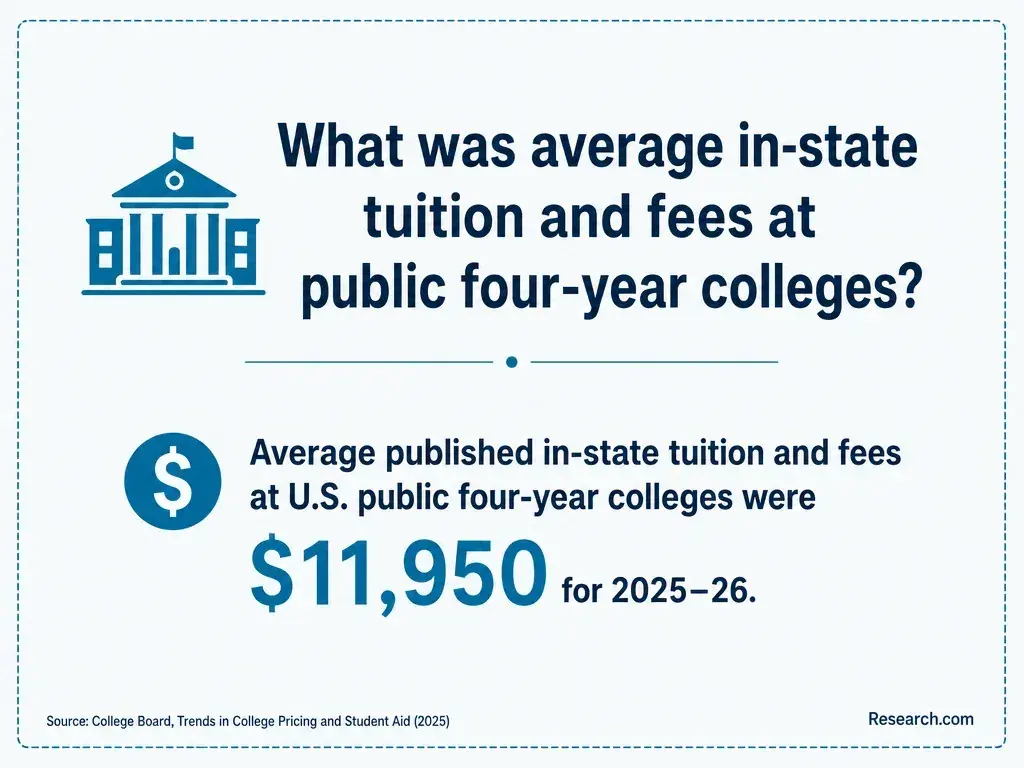
Calculate your likely investment from remaining required credits, not the advertised per-credit rate alone. Include mandatory fees, books or software, travel, and any reduction in paid hours needed for fieldwork. Compare the completed-degree cost with the cost of targeted training or a certificate if you already hold a bachelor's and need only specific prevention skills.
For a starting point on comparing published prices, see cost-focused comparisons of psychology degrees. Request an individualized degree audit and a current, itemized estimate from each school before treating any published figure as your total cost.
Requirements vary by school and by whether you apply as a first-year or transfer student. Schools may request prior transcripts and evidence that you meet their general admission standards; entry to the psychology major, acceptance of transfer credits, and satisfaction of graduation requirements are separate decisions. Ask for a written audit showing where prior statistics, psychology, and general education courses apply.
If you are changing careers, your existing degree or work experience may be more useful than starting another bachelor's. First determine whether your target nonprofit requires a new degree at all. If a later master's is part of your plan, check that program's prerequisites directly rather than assuming an addictions concentration is required. Even comparing shorter online forensic psychology master's pathways requires a separate review of admission rules and career fit; those pathways are not default preparation for overdose prevention.
Prioritize training tied to the duties you will actually perform. Depending on the position and local rules, employers may value documented overdose recognition and naloxone response training, harm-reduction education, privacy and safeguarding training, or a state-recognized peer-support credential. Confirm who provides the training, whether it expires, and whether the employer or jurisdiction requires a particular version.
A short training certificate, a peer credential, and a state-regulated addiction counseling credential are not interchangeable. Ask an employer which is required, which is merely preferred, and whether supervised hours are necessary. A current nonprofit worker may gain more immediate value from approved role-specific training and mentorship than from another degree. Conversely, someone seeking research-intensive work might later compare fast-track graduate psychology programs - but a psychology master's is not a substitute for a required peer or counseling credential.
How Do You Choose an Accredited Online Psychology Degree Program?
Start by confirming the institution's accreditation with its recognized accreditor and the US Department of Education's accreditation records. Then verify the exact BA title, whether addictions is a formal concentration, which courses run online, and the requirements applying to your intended entry term. Do not expect American Psychological Association accreditation of a general undergraduate psychology BA; institutional accreditation and professional-program accreditation serve different purposes.
Ask the program for an individualized degree audit, an itemized cost estimate, and written answers about placement approval and supervision. Compare those answers with local nonprofit postings. A program is a stronger fit when its coursework and available experience produce evidence for your target duties - not merely when its marketing uses the word "addictions."
If graduate study is a realistic next step, weigh its purpose and added cost separately. Budget-friendly online psychology graduate degrees can inform a cost comparison, but a general psychology master's does not automatically meet counseling licensure requirements or make someone more competitive for every prevention job.
Other Things You Should Know About Psychology
Often, yes, if an organization has an appropriate role and provides required training. Ask about supervision, safety procedures, confidentiality, and whether the school would separately approve the work for academic credit.
No. Lived experience can be valuable in community and peer work, but employers and credentialing bodies may still require specific training, documentation, supervision, or education.
Not without the organization's authorization and any required school review. Use public or approved aggregate information when possible; removing names alone does not necessarily make client data safe to share.
Yes, when a posting accepts your current qualifications. An entry-level support role can help you test career fit and identify the skills worth studying before you commit to further tuition.
- Chapter 504 SUBSTANCE USE DISORDER Services | wv.gov https://bms.wv.gov/media/20876/download
- Peer Providers - How Your Experience Makes You Right for the Job | ACL Administration for Community Living http://acl.gov/news-and-events/announcements/peer-providers-how-your-experience-makes-you-right-job
- Requirements Related to the Practice of Counseling - NCBI https://www.ncbi.nlm.nih.gov/books/NBK259170/
- Recruitment and Employment of People in Recovery | dol.gov https://www.dol.gov/agencies/eta/RRW-hub/Getting-started/Recruitment-employment
- Frequently Asked Questions for Mental Health Counselors | nysed.gov https://www.op.nysed.gov/professions/mental-health-counselors/faqs-education-requirements
- Applied Psychology: Addictions Studies, B.S. - CPS, CPSO | University of New Hampshire https://www.unh.edu/program/bachelor-science/applied-psychology-addictions-studies
- Online Bachelor's Degree in Psychology in Addictions | Purdue Global https://www.purdueglobal.edu/degree-programs/psychology/bachelor-psychology-addictions/
- Peer Workers in the Behavioral and Integrated Health Workforce: Opportunities and Future Directions - ScienceDirect https://www.sciencedirect.com/science/article/pii/S0749379718316374
- Outreach Managers: How to Become One | Franklin University https://www.franklin.edu/career-guide/social-and-community-service-managers/how-to-become-outreach-managers
- Harm Reduction and Syringe Services: A Career Guide | asam.org https://careers.asam.org/career-resources/find-the-job-1/harm-reduction-and-syringe-services-addiction-medicine-jobs-and-day-to-day-56