2027 Online BA in Psychology - Mental Health for Work in Federally Qualified Health Centers: Compare Degree Fit and Hiring Requirements
Audited and Verified:
Our Editorial and Data Verification Process
Research.com uses government datasets, official education statistics and primary institutional information to support its career and degree guides. Our review process checks factual accuracy, occupational definitions, source dates and the requirements associated with the credentials discussed.
How This Article Was Fact-Checked
Our editorial team verifies salary estimates, employment projections, education requirements and program information against original data providers and official organizations. Salary figures are checked against the relevant occupational definitions and reporting periods. Information about licensure, accreditation and required in-person training is reviewed separately.
Fact-checked and verified on:

Co-Founder and Chief Data Scientist
If you want to work in mental health at a federally qualified health center, the first decision is which job you want, not simply which psychology degree sounds relevant. FQHCs employ both nonclinical support staff and licensed clinicians, with very different hiring requirements.
This guide is for prospective students and career changers weighing an online psychology BA against more direct training. It explains where the degree can help, where it cannot, and what to check in job postings and programs before committing time and money.
Key Things You Should Know
- An online psychology BA can support applications for FQHC outreach, care-coordination, intake, and program-support jobs; it does not qualify graduates to diagnose or provide psychotherapy.
- Hiring depends on the actual duties. Some support roles accept varied educational backgrounds, while clinical positions require occupation-specific education, supervised training, and a state license.
- Compare the full remaining degree cost with local job requirements and opportunities for supervised experience; an employer-approved credential or targeted training may be a shorter route to a specific support role
What Can an Online Psychology Bachelor's Degree Prepare You to Do in an FQHC?
A federally qualified health center, or FQHC, is a community health center that meets federal program requirements and serves patients regardless of their ability to pay. Mental health services may be integrated with primary care, substance-use services, and community referrals. That creates work beyond therapy: helping people navigate appointments, connecting them with resources, and supporting a team's follow-up processes.
A psychology BA can build useful knowledge of behavior, development, mental health, research, and communication. Its value to an FQHC employer is stronger when you can also demonstrate practical skills.
Explaining services respectfully, documenting work accurately, using interpreters appropriately, protecting patient information, and knowing when to refer a concern to a clinician. Studying a disorder does not authorize you to assess or treat it.
If substance-use services are your main interest, compare a broad BA with undergraduate substance use counseling study on a budget. Neither degree title alone establishes eligibility for a state-regulated counseling role, but the comparison can reveal whether specialized coursework is worth its cost for your intended job.
What Mental Health Jobs Can You Get in an FQHC With a Psychology Bachelor's?
Possible bachelor's-entry jobs include behavioral-health intake coordinator, patient navigator, outreach worker, care-coordination assistant, and program or quality-improvement assistant.
Depending on the employer, duties might include scheduling, explaining referrals, helping patients connect with community resources, tracking follow-up, or preparing authorized service reports. Titles are not standardized: an FQHC may require a bachelor's degree for one navigator position and accept relevant experience for another.
Recovery-support and peer roles need a separate check. A peer position may require lived experience and a state-recognized certification rather than a psychology major. A substance-use counselor position may have its own state credential, education, and supervision rules. Compare the posting's duties with addiction counseling programs and education requirements before assuming a general psychology BA is the most direct preparation.
For a career changer, experience in customer service, community outreach, healthcare administration, or benefits navigation may already meet part of a support role's requirements. Search local FQHC postings by duties as well as title, then separate qualifications marked required from those marked preferred. That exercise may show that applying now, and gaining employer training, makes more sense than starting another degree.
Do FQHC Mental Health Roles Require a License or Graduate Degree?
Some do; many support roles do not. The dividing line is the service performed, not whether the workplace calls its team "behavioral health." An intake worker may coordinate access to care without practicing psychotherapy. A clinician who independently diagnoses or treats mental health conditions must meet the applicable profession's state requirements.
The distinctions below help identify which educational path to investigate. They describe broad role categories, not permission to perform particular duties at a specific FQHC.
| Target work | Typical qualification question | What a psychology BA contributes |
| Outreach, navigation, administrative intake | Does the employer require a degree, relevant experience, language skills, or specific training? | Relevant background; may be preferred rather than required |
| Peer or recovery support | Does the state or employer require a peer or addiction-related credential? | Helpful knowledge, but not a substitute for a required credential |
| Psychotherapy or independent clinical assessment | Which professional license, qualifying degree, and supervised experience apply? | Possible preparation for later study, not clinical authorization |
If your goal is to provide therapy, investigate a qualifying counseling or social-work pathway under your state board's rules, including program recognition and supervised-practice requirements.
Lower-cost accredited counseling degree pathways offer a more relevant comparison than the price of a BA alone. A general psychology master's degree, like a BA, should never be assumed to qualify someone for licensure merely because it includes mental health coursework.
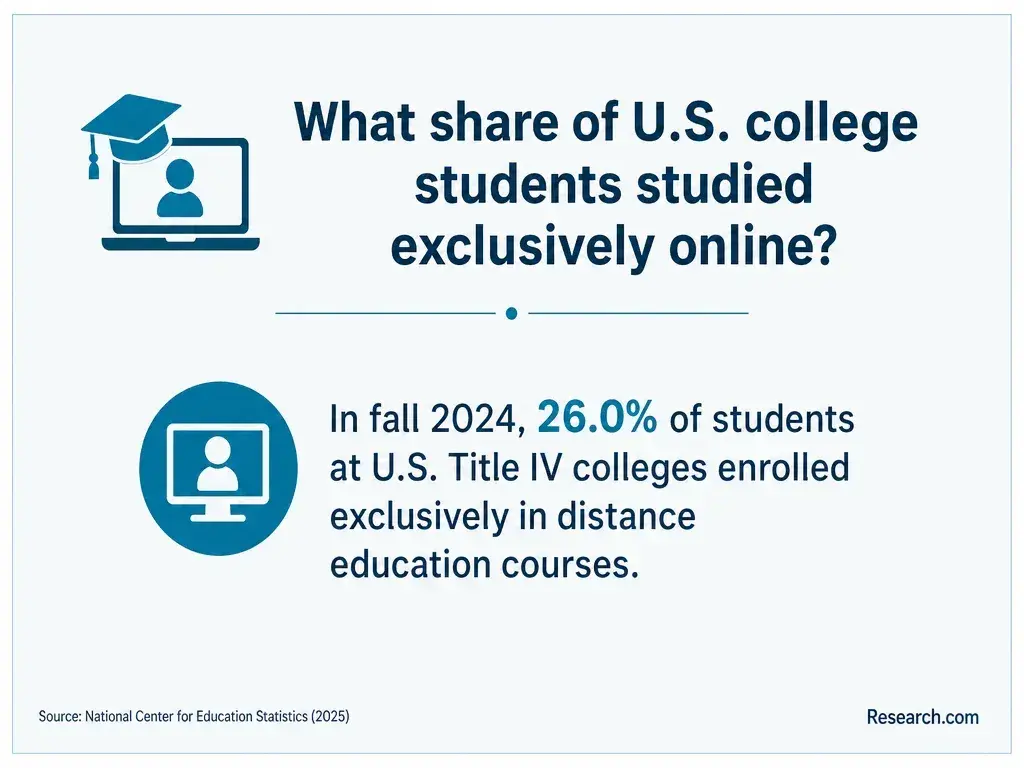
For FQHC hiring, the useful comparison is whether each format lets you finish the degree and gain relevant, supervised experience. An online student may be able to keep a community-health job while studying; a campus student may find it easier to access nearby faculty projects or established local placements. Neither advantage is automatic.
Ask about asynchronous versus scheduled classes, group meetings, required campus visits, internship approval, and who finds a placement. Online coursework does not make patient-facing experience remote: an FQHC may need you on-site, during clinic hours, under its own supervision. Compare these conditions across psychology degree options for distance learners rather than relying on an advertised "flexible" label.
Working adults should map the program's actual weekly obligations against employment and caregiving. If a placement is optional, ask whether the school can still support a locally arranged, nonclinical FQHC experience. If it is required, get written confirmation of the site-approval process before enrolling.
Prioritize courses that match support work: developmental psychology for communicating across age groups; social and cultural psychology for understanding context without stereotyping; abnormal psychology for mental-health literacy; and research methods and statistics for reading evidence and helping with program reporting. Health psychology, substance-use studies, and community psychology can add useful context when offered.
Course titles matter less than assignments that demonstrate careful writing, evidence interpretation, ethical reasoning, and collaboration. A supervised project on referral-process improvement, using information the site authorizes you to access, may be more persuasive for an FQHC support job than several loosely related electives.
Patient records, interviews, and service data require site permission and appropriate privacy or research review; a student project is not automatically authorized because it is for a class.
A forensic specialization, for example, addresses a different professional setting. If you are comparing later graduate options, evaluating forensic psychology degree admissions may help clarify that path, but forensic coursework should not displace community-health preparation solely because it sounds mental-health-related.
Verify that the institution holds recognized accreditation and that it applies to the school awarding the degree. Then inspect the actual psychology curriculum, transfer policies, student support, and any placement arrangements. Institutional accreditation is important, but it does not certify that a BA satisfies a particular FQHC employer's requirements or a state's clinical licensing rules.
Do not reject an undergraduate psychology program because it lacks American Psychological Association accreditation: APA accreditation covers specified professional psychology training programs and internships, not general psychology BAs.
Conversely, an "accredited" claim on a different program, including a forensic graduate program, does not make it a therapy qualification. That distinction matters when reviewing one-year forensic psychology graduate tuition comparisons alongside a possible clinical career goal: verify the credential pathway before comparing prices.
Requirements vary by institution and by whether you enter as a first-year or transfer student. Schools commonly request evidence of prior education and may set separate standards for admission to the university, entry to the psychology major, and acceptance of transfer work. An admitted student should not assume that an accepted statistics course also satisfies the major's statistics requirement.
If you have prior college study, request a degree audit showing how credits apply to general education, psychology requirements, electives, and any residency rule. Ask whether research methods has prerequisites and when required courses are offered online.
For a career changer who already holds a bachelor's degree, first check whether local FQHC postings require another degree at all; targeted experience or training may address the hiring gap more efficiently.
Keep undergraduate entry separate from plans for a second degree. Shorter graduate degree timelines in forensic psychology, for instance, do not answer whether an online BA is necessary for your target FQHC position or whether prior credits will shorten it.
Completion time depends on the school's credit requirements, how prior courses apply to the degree, course availability, and how many classes you can take while working. Online delivery does not by itself accelerate graduation. A required placement, prerequisite sequence, or infrequently offered methods course can affect your finish date even when lectures are asynchronous.
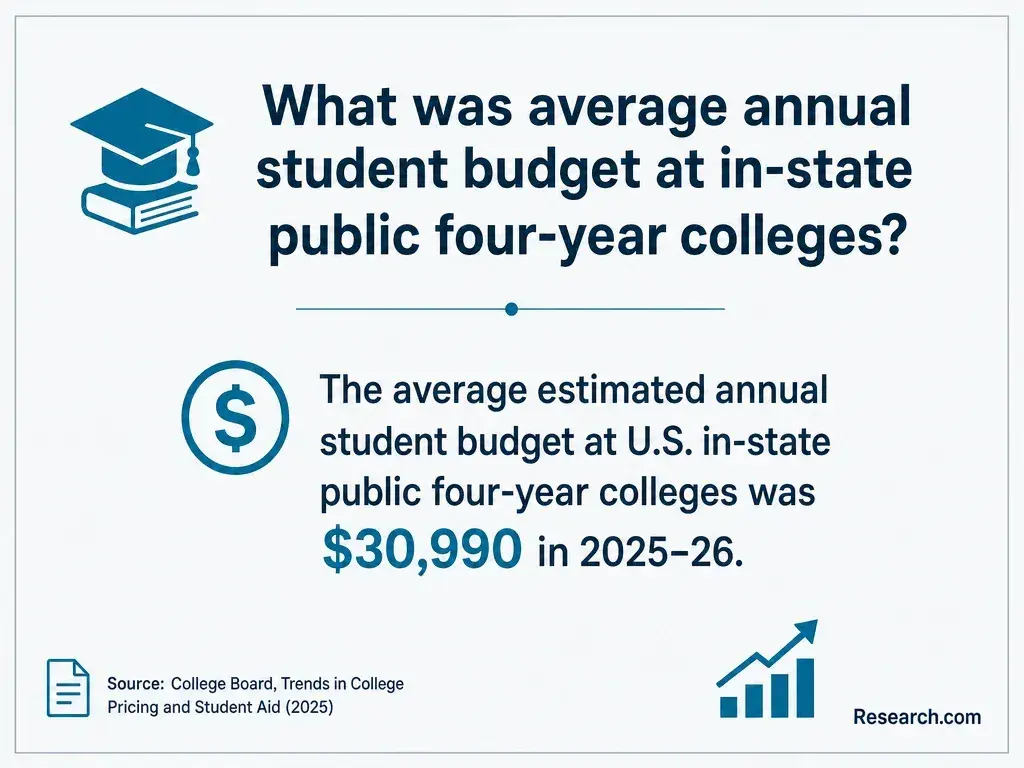
Compare the cost to finish, not a school's advertised per-credit price: include remaining tuition, mandatory fees, materials, any campus travel, and potential lost wages during field experience.
Request a written degree audit and a term-by-term cost estimate from each school. An online psychology tuition comparison guide can help identify candidates, but only the institution can evaluate your credits and confirm its charges and aid conditions.
For return on investment, compare that estimate with the qualifications in actual local postings. If the roles you want accept your existing education and experience, paying for a full BA may not improve your eligibility enough to justify its cost.
There is no single "FQHC psychology BA salary." Pay depends on the job, employer, location, experience, and any required credential. The U.S. Bureau of Labor Statistics reports wages and projections by occupation, not by undergraduate major or FQHC employer.
Its social and human service assistants category can provide broad context for some navigation and support jobs, but its occupation-wide median is not a starting salary offer from a health center.
Use the most recent BLS Occupational Outlook Handbook entry for the occupation that matches a posting's duties, then compare it with posted pay ranges at FQHCs in your area. Check whether a position is full-time, grant-funded, or tied to a certification. A therapist's occupational wage and outlook should not be used to estimate returns on an unlicensed BA.
A budget-friendly online psychology graduate degree should not be treated as an automatic salary upgrade either. Before adding graduate tuition to the calculation, confirm that the degree meets a named position's requirements; licensed clinical roles may instead require a different, qualifying professional program.
How Should You Choose an Online Psychology Program for FQHC Careers?
Start with several FQHC postings in the area where you intend to work. Record the duties, required credentials, preferred degrees, and experience expectations. That gives you a job-based test for each program instead of a vague promise of "mental health careers."
Use the following sequence before paying an enrollment deposit:
- Identify one or two target roles and confirm their qualifications with employers; check state credential rules where a posting names a regulated role.
- Ask each school for a degree audit, total remaining-cost estimate, course schedule, and written explanation of any internship or campus requirement.
- Compare opportunities to demonstrate FQHC-relevant work through approved outreach, navigation, research support, or program evaluation without crossing clinical boundaries.
- Choose the least costly feasible path that closes your actual hiring gap, even if that path is employer training rather than another degree.
If a BA is the right next step, ask the financial-aid office which grants, scholarships, and enrollment conditions apply to you.
Guidance on reducing undergraduate substance abuse counseling tuition through aid can inform questions about a related program, but verify eligibility and the final award with your own school. The strongest choice is the one that fits both your target FQHC duties and a realistic plan to finish.
Other Things You Should Know About Psychology Programs
Possibly. Ask the center about openings, screening, training, and permitted duties. Volunteering does not automatically count as academic credit or authorize access to patient information.
Some entry-level support postings may. Show how your experience in communication, scheduling, outreach, or confidential record handling matches the stated duties, and check which healthcare skills the employer will train.
Some employers may, but policies vary. Ask about eligibility, covered programs, payment timing, and any service commitment before factoring assistance into your budget.
Not without the center's authorization and any required privacy, data-use, or research review. An assignment can often use public information or a proposed workflow instead of patient records.
- Chapter 6 - How To Become a Peer Specialist - NCBI https://www.ncbi.nlm.nih.gov/books/NBK596268/
- Behavioral Health Career Descriptions | samhsa.gov https://www.samhsa.gov/about/careers/behavioral-health-workforce/careers-by-state/descriptions
- Medi-Cal Peer Support Services Specialist Program - DHCS https://www.dhcs.ca.gov/medi-cal-peer-support-services-specialist-program-frequently-asked-questions/
- Patton Psychology Training Frequently Asked Questions (FAQ) | ca.gov https://www.dsh.ca.gov/Patton/Internships_Training/FAQ_Psychology_Training.html
- Chapter 1: Health Center Program Eligibility | hrsa.gov https://bphc.hrsa.gov/compliance/compliance-manual/chapter1
- Institutional Accrediting Agencies | ed.gov http://www.ed.gov/laws-and-policy/higher-education-laws-and-policy/college-accreditation/institutional-accrediting-agencies
- The difference between social work and other behavioral health degrees | University of the Pacific https://socialwork.pacific.edu/blog/difference-between-social-work-and-other-behavioral-health-degrees
- Regionally Accredited Online Colleges: What You Need to Know | Tiffin University https://go.tiffin.edu/blog/regionally-accredited-online-colleges-what-you-need-to-know/
- BS in Psychology vs. Social Work vs. Human Services | Walden University https://www.waldenu.edu/online-bachelors-programs/resource/difference-between-bs-in-psychology-vs-social-work-vs-human-services