2027 Online BA in Psychology - Addictions for Academic Advising Assistants: What to Check Before Changing Careers
Audited and Verified:
Our Editorial and Data Verification Process
Research.com uses government datasets, official education statistics and primary institutional information to support its career and degree guides. Our review process checks factual accuracy, occupational definitions, source dates and the requirements associated with the credentials discussed.
How This Article Was Fact-Checked
Our editorial team verifies salary estimates, employment projections, education requirements and program information against original data providers and official organizations. Salary figures are checked against the relevant occupational definitions and reporting periods. Information about licensure, accreditation and required in-person training is reviewed separately.
Fact-checked and verified on:

Co-Founder and Chief Data Scientist
Academic advising assistants already help people navigate difficult decisions, document conversations, and connect with resources. An online psychology BA with an addictions focus may build on those skills, but it may not be the quickest route into the addiction-related job you want.
This guide helps US-based career changers distinguish recovery-support work from regulated counseling, assess the degree's curriculum and practical requirements, and compare its cost with more direct alternatives before making a commitment.
Key Things You Should Know
- Your advising experience may transfer well to outreach, referrals, and service coordination, but an addictions-focused BA does not itself qualify you to provide addiction counseling.
- Check the target job and your state's credential rules before enrolling; a bachelor's degree, supervised hours, and an approved course of study may be separate requirements.
- Compare the remaining cost and time of the BA with targeted training or a qualifying graduate pathway, especially if you already hold a bachelor's degree.
What is an online bachelor's degree in psychology with an addictions focus?
It is an undergraduate psychology degree that pairs general study of behavior and research with coursework on substance use, prevention, and recovery. "Addictions focus" might mean an officially designated concentration, a set of electives, or simply a program's description. Ask what will appear on your transcript and which courses are guaranteed to be available online.
For an academic advising assistant, the value lies in learning to evaluate evidence about behavior and services - not in acquiring permission to treat clients. If you already have a bachelor's degree, first determine whether a second undergraduate degree fills a specific hiring or credential gap. A graduate option may be more appropriate for some goals, though even shorter completion routes for psychology master's students must be checked against the requirements of the job you want; speed does not establish counseling eligibility.
Can an online psychology degree prepare you for addiction-related careers?
Yes, particularly for nonclinical work involving outreach, program support, referrals, or coordination. Advising assistants may already know how to explain options without making decisions for someone else, maintain records, and recognize when to refer a concern. Employers may still expect familiarity with substance-use services, privacy practices, crisis-response procedures, and the communities they serve.
The strongest preparation combines coursework with approved experience: for example, supervised work helping a recovery organization maintain a resource directory or evaluate whether its referral information is accessible. That is different from diagnosing a substance-use disorder or delivering treatment. If psychotherapy is your destination, investigate a qualifying professional degree rather than assuming a psychology BA leads directly to it; accelerated master's study in clinical mental health counseling is a distinct pathway whose curriculum, placements, and state eligibility require separate review.
What careers can you pursue with an online psychology degree in addictions?
Start with job duties rather than titles: employers use "counselor," "specialist," and "coordinator" inconsistently. The comparison below shows where advising experience may be useful and where additional qualifications may control entry.
| Career direction | Relevant advising experience | What to check |
| Recovery-program or outreach coordinator | Explaining services, scheduling, and follow-up | Employer expectations for community-service experience and documentation |
| Intake or referral support | Listening, recordkeeping, and connecting people with resources | Privacy training, screening boundaries, and supervision |
| Peer recovery support | Resource navigation and respectful communication | State or employer peer-credential rules, which may include lived-experience criteria |
| Addiction counselor | Communication skills provide a foundation | State-specific education, supervised practice, examination, and authorized duties |
An advising background is especially relevant when a role centers on navigation rather than treatment. If you are also considering services for justice-involved people, compare the actual duties rather than treating addiction and forensic specialties as interchangeable; forensic psychology study choices and employment preparation address a different mix of settings and qualifications.
Verify that the institution holds recognized institutional accreditation and that it covers the degree-granting institution offering the online program. Confirm the status with the accreditor and the institution, then ask whether credits will meet the requirements of any future program or credential you have identified. Institutional accreditation does not certify that an addictions concentration satisfies a state counseling board.
Do not look for APA accreditation as a seal of approval for a general psychology BA: APA's professional accreditation applies to specified graduate professional psychology programs and training, not ordinary bachelor's majors. If your intended next step is professional counseling, investigate that pathway's applicable program recognition and state rules instead. Resources on accredited clinical mental health counseling completion pathways concern a different degree level; they should not be read as accreditation claims about an undergraduate psychology program.
Expect to compare two layers: the psychology major's foundation and the addictions-focused requirements. Useful foundations include research methods, statistics, development, social psychology, and the biological and behavioral study of learning and motivation. Relevant specialized courses may cover substance-use research, prevention, recovery systems, and ethics. Catalogs differ, so distinguish required courses from electives that may not run every term.
For a career switch, look beyond course titles. A methods assignment using public, appropriately sourced data can demonstrate evidence appraisal; a supervised, nonclinical project can demonstrate communication and program support. Neither substitutes for license-supervised counseling practice. If justice-system work is attracting you, compare its curriculum separately: short-duration online forensic psychology graduate options illustrate why a different specialty and degree level should not be mistaken for addictions training.
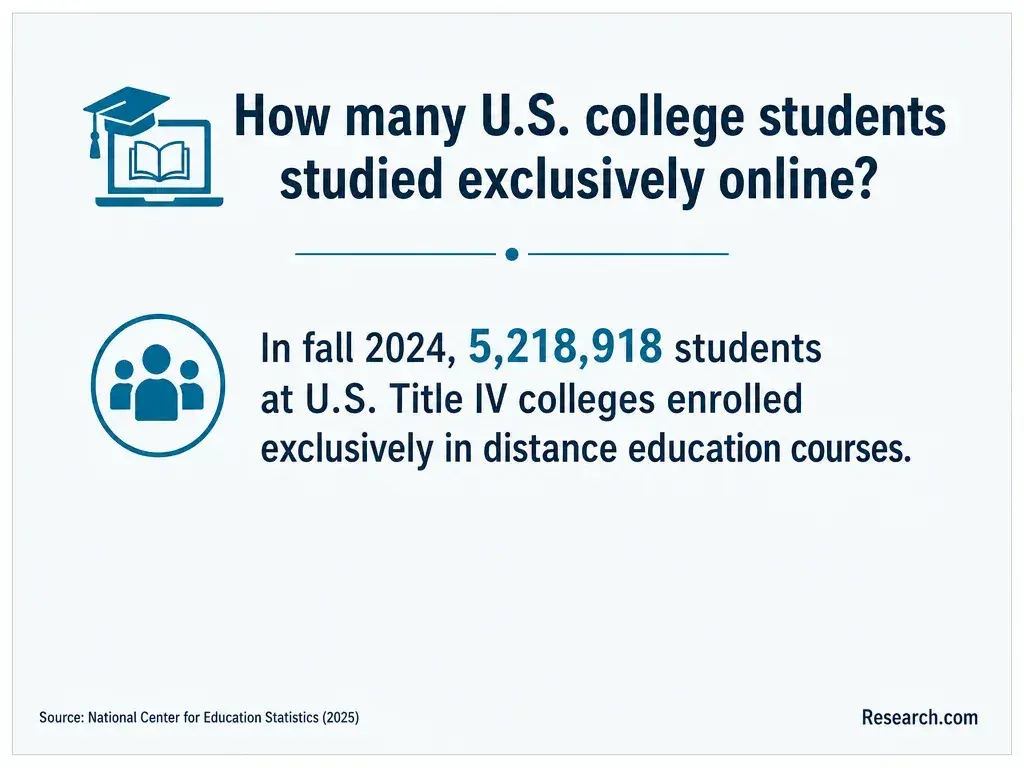
Requirements depend on whether you are entering college, transferring, or seeking a second bachelor's degree. Schools commonly request prior transcripts; some have separate rules for admission to the psychology major. If you have college credit, ask for a degree audit showing not just credits accepted but which general education, psychology, statistics, and residence requirements they satisfy. The receiving institution makes the final equivalency decision.
Before applying, gather transcripts and a description of any prior statistics or psychology coursework, then ask admissions and the psychology department for a written assessment of your remaining requirements. If you already hold a bachelor's degree, compare that assessment with admission prerequisites for an appropriate graduate route and the cost of online master's psychology programs by affordability. A nonclinical psychology master's is not automatically a substitute for a licensure-qualifying counseling degree.
Your remaining courses - not an advertised completion time - determine the realistic timeline. Transfer-credit application, course sequencing, part-time enrollment, and the availability of any required experience can change it substantially. Request a term-by-term plan and a total-cost estimate based on your own degree audit before accepting a projected graduation date.
For a fair comparison, include tuition for remaining credits, mandatory fees, books or software, travel for any in-person obligation, and reduced earnings if a placement conflicts with work. Ask whether employer education assistance is available, and review FAFSA and grants for substance abuse counseling students without assuming that aid or eligibility will be the same for every degree or student. A shorter credential is not necessarily cheaper or better suited to your goal.
Online delivery can make it easier to retain an advising job, but it does not guarantee an asynchronous schedule. Ask about live classes, group meetings, exams, campus visits, and whether an applied experience must occur at an approved local site. Campus programs may offer more immediate access to faculty projects or nearby partners; online programs can also offer meaningful mentorship if supervision and participation are clearly arranged.
Test the schedule against your actual work hours. Request a sample upper-level course timetable and ask who finds placements, who approves supervisors, and what happens if a site falls through. These questions matter across online specialties, including clinical counseling master's time-to-degree and salary outlook, but an undergraduate nonclinical experience should never be confused with a graduate clinical practicum.
There is no single US credential that an addictions-focused BA automatically confers. States set different rules for addiction-counseling titles and levels of practice; requirements may address approved education, supervised experience, examinations, and ongoing obligations. Peer recovery credentials and general mental health counselor licenses follow different rules again.
Before choosing courses, identify a specific job title in the state where you intend to work. Read that state board's or certifying body's requirements, then ask the program to show in writing which requirements its graduates can meet and which must be completed afterward. Compare the required supervision with any proposed internship: an ordinary BA placement may be educational without counting toward a professional credential.
For a psychotherapy goal, review a qualifying counseling pathway rather than relying on the BA's concentration name; accredited clinical mental health counseling completion pathways still need to be matched to the jurisdiction where you plan to practice. You may also review forensic psychology one-year program value considerations for those looking to work as a liaison between the legal system and social services.
What salary and job outlook can psychology graduates expect?
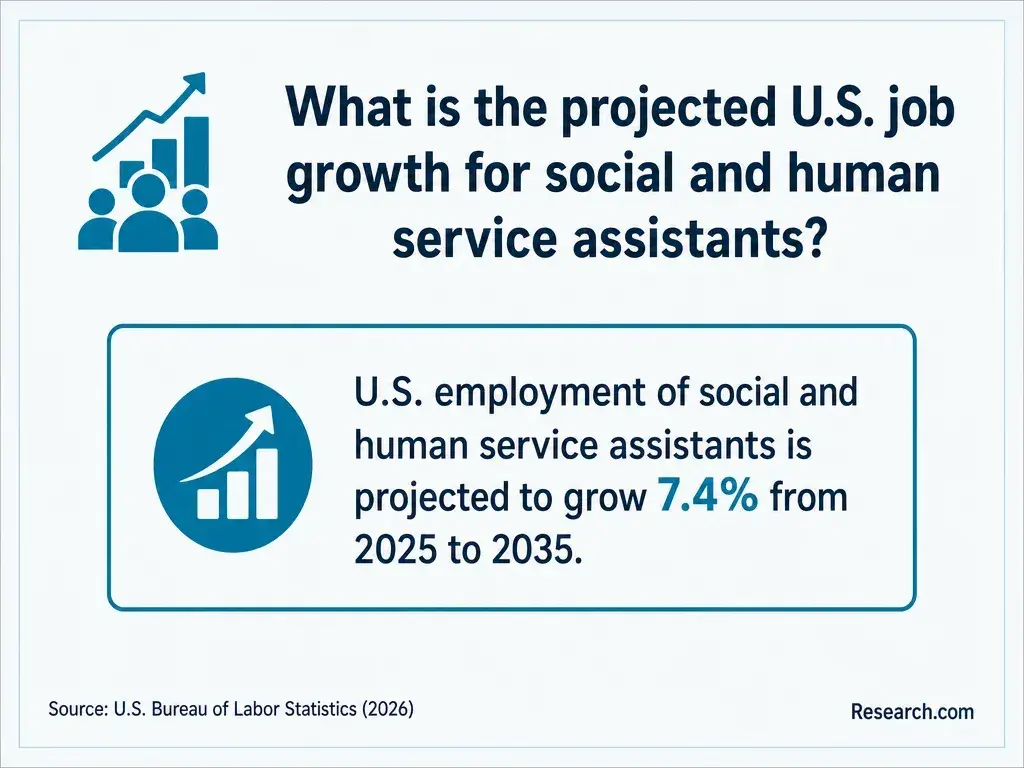
No occupation-wide wage figure predicts what an online psychology BA graduate - or a former advising assistant - will earn. The US Bureau of Labor Statistics groups substance abuse, behavioral disorder, and mental health counselors together for its wage and employment projections, but that category includes workers with different credentials and does not represent every recovery-support or coordination role.
Use the latest Bureau of Labor Statistics Occupational Outlook Handbook figures for the specific occupation you are considering, then compare local postings by duties, required credential, pay, and schedule. The practical question is whether the degree changes your eligibility for those openings enough to justify its remaining cost. Exploring addiction recovery workforce opportunities can help you distinguish an attainable nonclinical first move from a longer regulated-profession pathway.
Other Things You Should Know About Psychology
Possibly, but only if the psychology program approves the site, supervisor, duties, and learning objectives. Employment alone does not establish academic credit.
Do not assume so. Obtain institutional permission and follow applicable student-record, privacy, and research-review rules before accessing or sharing records; consider a project that does not require identifiable information.
Disclose it only when you choose to or when a particular peer-support credential requires relevant lived experience. Check the role's stated criteria and protect your own privacy.
Ask whether education assistance covers this degree, what grades or continued employment it requires, and whether your schedule can accommodate any live classes or approved experience.
- Understanding U.S. Accreditation | EducationUSA https://educationusa.state.gov/understanding-us-accreditation
- Accreditation in the U.S. | ed.gov http://www.ed.gov/laws-and-policy/higher-education-laws-and-policy/college-accreditation/accreditation-in-the-us
- Behavioral Health Career Descriptions | samhsa.gov https://www.samhsa.gov/about/careers/behavioral-health-workforce/careers-by-state/descriptions
- Cost of Attendance (Budget) | 2025-2026 Federal Student Aid Handbook https://fsapartners.ed.gov/knowledge-center/fsa-handbook/2025-2026/vol3/ch2-cost-attendance-budget
- Types of Financial Aid: Grants, Work-Study, and Loans | studentaid.gov https://studentaid.gov/understand-aid/types
- Addictions Counseling | Monroe Community College https://www.monroecc.edu/academics/programs/addictions-counseling/index.html
- Online Addictions and Recovery Psychology Degree | Military Affairs https://www.liberty.edu/online/behavioral-sciences/bachelors/psychology/addictions-recovery/
- 7 Behavioral Health Jobs Herzing Can Help You Prepare For https://www.herzing.edu/blog/behavioral-health-jobs-herzing-can-help-prepare-for
- Addiction Counseling | NHTI https://catalog.nhti.edu/addiction-counseling/associate-of-science/addiction-counseling
- Employer Tuition Reimbursement: How It Works and How to Pay for College | Winston-Salem State University https://ramsonline.wssu.edu/blog/employer-education-benefits/