2027 Choosing an Online BA in Psychology - Addictions Around A Second Job in the Evenings

Co-Founder and Chief Data Scientist
A second evening job changes what "flexible" must mean in an online psychology program. A live class, group meeting, or daytime placement can derail a schedule even when lectures are recorded.
If you want to study addiction and recovery while keeping both jobs, this guide will help you test whether an online BA fits your available hours, budget, and career goal. You'll learn which program details to verify before enrolling - and when a more direct credential may serve you better.
Key Things You Should Know
- An asynchronous online BA may fit a second evening job, but required live meetings, group work, exams, and placements can still conflict with your shifts.
- A bachelor's degree commonly requires about 120 semester credits; your remaining time and cost depend on how accepted credits apply to the degree, not just how many transfer.
- An addictions focus teaches subject matter; it does not by itself qualify you to diagnose, provide therapy, or practice as a licensed or certified addiction counselor.
What Is an Online BA in Psychology for Adults Working Evenings?
An online Bachelor of Arts in Psychology is an undergraduate degree covering behavior, psychological science, research methods, and general education. "Addictions" may be an official concentration, a set of electives, or simply a topic within a course. Those distinctions matter: the transcript and degree audit - not advertising language - show what you will actually study and earn.
For someone working a second job in the evenings, the most useful format is often asynchronous coursework with predictable weekly deadlines. Asynchronous does not mean self-paced: discussion posts, exams, and assignments may still be due on fixed days. When considering online undergraduate addiction psychology program comparisons, confirm the exact BA title, whether the addictions focus is formally awarded, and what happens in required courses that are not asynchronous.
The degree may suit a worker seeking broader undergraduate preparation for nonclinical recovery services or later study. If your sole goal is a specific addiction-support position, check that job's state and employer requirements first; a shorter, recognized training route might be more direct.
Can You Complete an Online Psychology Degree Around a Second Job?
If the program's required activities fit your real work schedule and you can sustain the workload. Compare programs against a representative week that includes both jobs, commuting, sleep, and a protected study block. One course at a time may be manageable where two are not, but a lighter pace can extend the time to graduation.
Before applying, ask an advisor or program coordinator for the requirements of upper-level courses, not just an introductory course. These checks expose the commitments most likely to collide with evening shifts:
- Which courses require live attendance, proctored exams at set times, or group meetings, and what time zones govern deadlines?
- Are internships, service-learning, or capstones required, and can an approved site offer hours outside your shifts?
- How often do required courses run, and can you pause or reduce enrollment without disrupting course sequence or aid eligibility?
- Can you view a recent syllabus and a sample term calendar before committing?
Accelerated online psychology degrees can shorten a calendar only when their faster deadlines fit your capacity. For a worker with two jobs, a reliably repeatable study schedule is usually more valuable than the shortest advertised completion time.
How Do You Choose an Accredited Online Psychology Bachelor's Program?
Start by confirming that the institution holds recognized institutional accreditation and that it is authorized to enroll students in your state. Check the accreditor's listing and the school's current catalog rather than relying on a program-comparison page alone. The American Psychological Association does not accredit general psychology bachelor's programs; institutional accreditation is not proof that an addictions curriculum meets a state counselor credential's rules.
Next, request a written degree audit if you have prior college credit. Separate credits the school accepts from credits that satisfy psychology prerequisites, general education, electives, and any residency requirement. Compare the remaining required courses, their delivery modes, advising access outside standard business hours, and the school's published withdrawal and leave policies. A useful way of reviewing online psychology education pathways is to compare these verified requirements side by side - not to choose on the word "flexible" alone.
If a school reports graduation or employment outcomes, ask which students were counted, over what period, and whether results apply to online psychology students. Outcomes for an entire institution cannot establish what will happen in a particular BA concentration.
Expect introductory psychology, statistics, research methods, and upper-level study such as developmental, social, biological, or abnormal psychology, alongside general education. An addictions focus might add courses on substance use, prevention, recovery systems, and the social context of addiction. Course names and availability vary, so check the catalog for your entry term.
For an evening worker, course sequence matters as much as course content. Statistics may precede research methods, and a capstone may be offered only in certain terms. Ask whether required courses have live components and whether the school can show a feasible sequence at your intended enrollment pace. A course discussing counseling techniques is academic study, not permission to counsel clients.
If your target is a state-regulated counseling role, compare the BA's actual coursework with degree pathways for substance use counseling work and the requirements published by your state's credentialing authority. A broad psychology BA can provide useful foundations without being the most direct route to that credential.
Schools commonly ask first-year applicants for prior academic records and transfer applicants for transcripts from each college attended. Some have separate rules for admission to the psychology major. Requirements for GPA, prior courses, and application timing differ, so obtain the policy for the term in which you would start.
If you are returning to college, send transcripts early and ask for an official evaluation before planning your work schedule around a proposed graduation date. A prior statistics course, for example, may transfer as elective credit without satisfying the major's statistics requirement. Only the receiving institution can approve an equivalency or substitution.
Admission and financing are separate decisions. You can investigate scholarships for undergraduate substance use counseling, but verify whether each award accepts psychology majors with an addictions focus. Also ask the financial aid office how your planned course load affects eligibility; being admitted does not establish eligibility for a particular grant, loan, or scholarship.
A bachelor's degree commonly totals about 120 semester credits, but that is not the number you necessarily need to take at your new school. Completion time depends on your approved transfer audit, prerequisite order, course availability, and how many courses you can complete while working. A program's fastest advertised timeline may assume a heavier course load than your schedule permits.
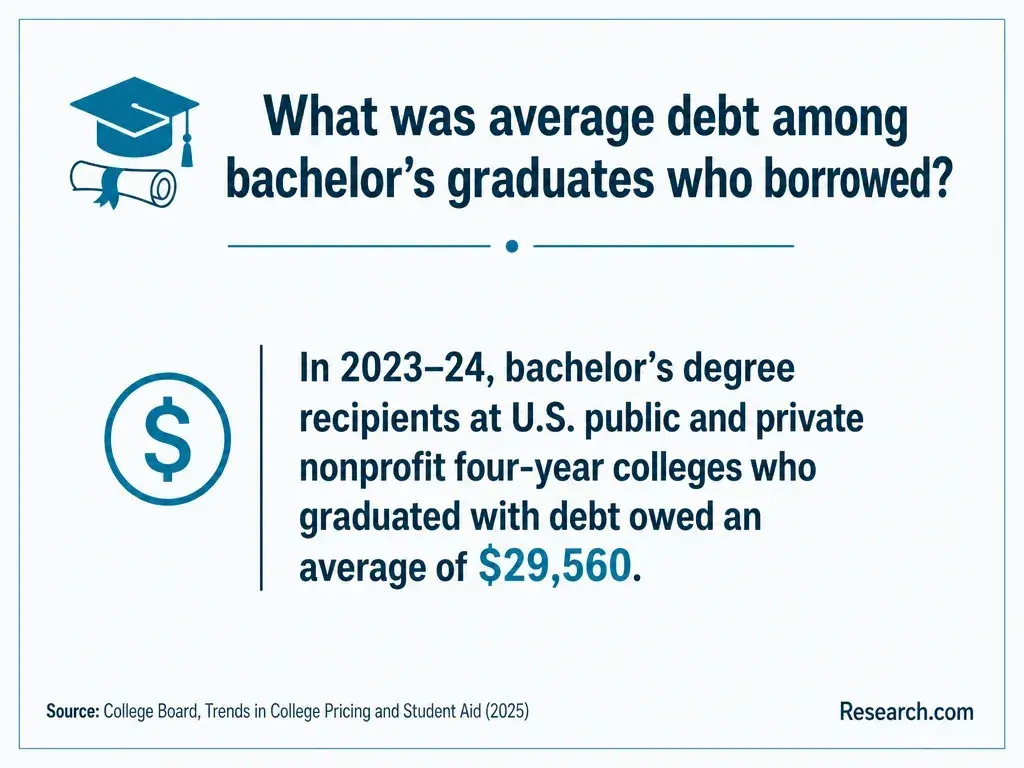
Request a term-by-term estimate and an itemized cost for your remaining requirements. Include tuition, mandatory online and technology fees, books, any exam-proctoring or placement expenses, and the cost of repeating a course after a withdrawal. Compare the total under a sustainable pace, not just the price per credit. Guides to substance abuse counseling undergraduate education investment can help frame the trade-off, but their prices and career assumptions should not replace a current quote from the school or the credential rules for your target job.
If you may use employer tuition assistance from either job, obtain its eligibility, grade, reimbursement, and repayment conditions in writing before counting it as funding.
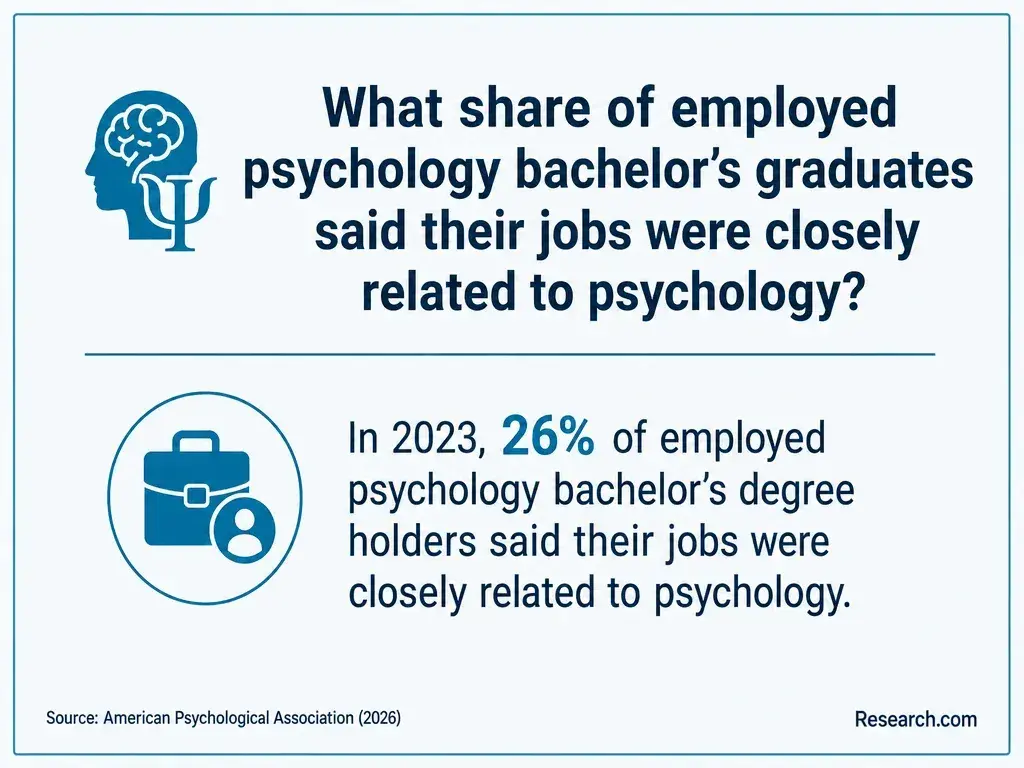
A BA may support applications for nonclinical roles in community organizations, recovery programs, and human services. Your existing work experience can be an advantage when it demonstrates scheduling, documentation, communication, or service coordination. Hiring still depends on the job description, relevant experience, and any required state credential.
The distinctions below help you match a target job to the evidence you would need beyond coursework. Titles and permitted duties vary by employer and state.
| Role to investigate | Typical nonclinical work | Qualification to verify |
| Recovery-support worker | Peer or practical support, navigation, and referrals | Whether lived experience and a state-recognized peer credential are required |
| Intake or service coordinator | Scheduling, information gathering, records, and service connections | Employer experience requirements and confidentiality training |
| Research or program assistant | Recruitment support, data handling, or program reporting under supervision | Methods skills, data protections, and relevant project experience |
For career options in recovery services, read several local postings before choosing electives. Look for recurring requirements you can demonstrate through approved projects, supervised work, or targeted training. Do not assume an undergraduate placement authorizes therapy or independent client assessment.
There is no single salary for an online psychology BA. Pay follows the occupation, location, employer, duties, and experience - not the degree title alone. A public job posting for an intake coordinator, for instance, is more useful for your budget than the median wage of licensed counselors whose education and credentials differ from yours.
For a realistic estimate, compare pay ranges in local postings for roles you currently qualify for with those you could pursue after graduation. Then weigh any likely change against tuition, work hours you might have to reduce, and the possibility of further training. If your eventual goal requires a counseling graduate program, include that later expense; resources on paying for an online mental health counseling degree address a different financial commitment from paying for a BA. Treat published occupational wages as context, never as a forecast for a particular graduate.
Some psychology-related support and administrative jobs do not require a graduate degree. Independent psychotherapy, diagnosis, and practice under protected clinical titles are different: they generally require qualifying professional education, supervised experience, and state authorization. Addiction counselor requirements vary by state and credential level; a psychology BA with addictions coursework does not automatically satisfy them.
Work backward from the role you want. For a licensed mental health counseling goal, check the relevant state board's education and supervised-practice rules before selecting any graduate program. Accredited clinical counseling program timeline comparisons may help you identify programs to investigate, but confirm accreditation scope, required placements, and eligibility in your intended state directly with the program and regulator. If you want nonclinical recovery support instead, a qualifying credential or supervised entry-level role may be more direct than graduate study.
What Job Outlook and Certifications Apply to Psychology Graduates?
Job outlook is published for occupations, not for everyone holding a psychology BA. When using Bureau of Labor Statistics projections, match the occupation's actual duties and typical entry requirements to your intended role. Growth in a counseling occupation, for example, does not mean that BA graduates can enter licensed counseling jobs or that openings near you will fit evening availability.
Certification is similarly role-specific. Peer-support and addiction-counselor credentials may have distinct education, experience, supervision, examination, and renewal rules set by a state or certifying body. Before paying for another credential, identify three jobs you would apply for, record their stated requirements, and confirm the credential's recognition with the responsible authority. Finding a lower-cost psychology master's degree is worth considering only if that degree advances your particular employment or further-study goal; a general psychology master's is not a substitute for a required counseling credential.
Other Things You Should Know About Psychology
Do not count on it. Reading and discussions may work on a phone, but statistics assignments, research papers, and some exams may require a computer and reliable internet. Check the school's technology requirements.
Ask for sample weekly deadlines and the policy for extensions before enrolling. A consistent study block on days without shifts is safer than assuming you can complete every assignment after work.
Possibly, if the instructor approves the project and your employer permits the work and any necessary data use. Employment alone does not grant access to confidential client information or satisfy an academic requirement.
Yes, describe it accurately as a concentration if formally awarded, or identify relevant courses if it is not. Pair that description with concrete skills and experience rather than implying you hold a clinical credential.
- Accredited or Approved Programs | az.gov https://bbhe.az.gov/applying-licensure/accredited-or-approved-programs
- Distance Learning Instruction Planning Guidance | ca.gov https://www.cde.ca.gov/ls/he/hn/guidanceplanning.asp
- Qualified Ed expenses | Internal Revenue Service https://www.irs.gov/credits-deductions/individuals/qualified-ed-expenses
- Cost of Attendance (Budget) | 2025-2026 Federal Student Aid Handbook https://fsapartners.ed.gov/knowledge-center/fsa-handbook/2025-2026/vol3/ch2-cost-attendance-budget
- Curricular Elements in Substance Use Disorders Training | samhsa.gov https://www.samhsa.gov/substance-use/treatment/resources/mat-act/training-requirements/curricular-elements-training
- What's the Difference Between Asynchronous and Synchronous Learning? | Ohio State Online https://online.osu.edu/content-hub/blogs/whats-the-difference-between-asynchronous-and-synchronous-learning/
- Online Addictions and Recovery Psychology Degree | Military Affairs https://www.liberty.edu/online/behavioral-sciences/bachelors/psychology/addictions-recovery/
- Substance use disorders and addictions series | apa.org https://www.apa.org/education-career/training/substance-use-disorders-series
- CCV Academic Support | Tutoring & Student Resources https://ccv.edu/student-support/academic-career-support-services/academic-support/
- Considering Student Workload | CITT - University of Florida https://citt.it.ufl.edu/resources/course-design-basics/develop-and-implement/considering-student-workload/