2027 Online BA in Psychology - Addictions for Peer Recovery Workforce Development: Which Courses Should You Look For?

Co-Founder and Chief Data Scientist
If you work in recovery services - or hope to enter the field - the most useful online psychology BA is not necessarily the one with the most addiction-themed electives. Peer recovery work depends on understanding substance use and behavior while practicing mutual support, respecting lived experience, and staying within a nonclinical role.
This guide identifies the courses and applied experiences worth prioritizing, explains how to check them against state peer credential rules, and helps you decide whether a full bachelor's degree is worth the time and cost for your goal.
Key Things You Should Know
- Prioritize addiction science, recovery-oriented support, ethics, cultural responsiveness, and research methods - not coursework that presents peer support as therapy.
- A psychology BA does not itself confer peer certification or addiction counseling licensure; state credential rules and employer requirements control eligibility.
- If peer certification is your immediate goal, compare its required training and experience with the cost of a bachelor's degree before enrolling.
What Is an Online Psychology Degree Focused on Addictions and Peer Recovery?
It is usually a psychology bachelor's degree with addiction-related courses, a formal concentration, or both. The BA provides a broader foundation in behavior and psychological science; addiction coursework adds knowledge of substance use, recovery, and service systems. Peer recovery support is different from clinical treatment: peers draw on lived experience, training, and mutuality to help people pursue their own recovery goals, connect with resources, and navigate services.
Program names are not interchangeable. A school may advertise an addictions focus while offering only a few electives; another may have a defined concentration with required courses. When evaluating online bachelor's study in addiction psychology, inspect the degree audit and course rotation, not just the concentration label. Neither version makes a graduate a therapist or automatically qualifies them for a peer credential.
Which Courses Should an Online Addictions Psychology Program Include?
For peer recovery workforce development, the strongest curriculum combines sound addiction science with skills for nonclinical, person-directed support. The table shows what each course area contributes; course titles and availability vary by school.
| Course area | Relevance to peer recovery work |
| Substance use and addiction | Explains substance use disorders, recovery pathways, stigma, and the relationship between substance use and mental health. |
| Behavioral health, learning, and motivation | Builds understanding of behavior change without treating peers as clinicians responsible for directing it. |
| Developmental and social psychology | Adds context for family relationships, social support, identity, and different life stages. |
| Research methods and statistics | Helps students assess claims about interventions, interpret service data, and avoid confusing correlation with causation. |
| Ethics, culture, and community health | Supports confidentiality, boundaries, accessibility, cultural responsiveness, and awareness of structural barriers to recovery. |
Also look for instruction on recovery-oriented practice, harm reduction, crisis referral, and the roles of medications for substance use disorders. These subjects may appear in public health, social work, or human-services electives rather than psychology courses. A counseling-skills class can improve communication, but its title does not authorize counseling.
Sequence matters: foundational psychology and research methods make advanced addiction courses easier to evaluate critically. If electives are scarce, favor a recovery-support or community-health course over an unrelated specialty. For example, the curriculum described in one-year forensic psychology master's workload and outcomes serves a substantially different goal; an accelerated specialty is not a substitute for peer-relevant coursework.
How Does an Online Psychology Degree Prepare Students for Peer Recovery Careers?
The degree can strengthen communication, evidence appraisal, and understanding of the systems in which recovery occurs. Preparation becomes more convincing when students can apply that learning in an approved, supervised nonclinical experience - such as outreach, resource navigation, or a community organization's program-support project. A placement involving referrals or support is not a clinical practicum.
For someone already working at a nonprofit or recovery organization, an applied assignment may be especially useful if the school and employer approve its objectives and supervision. Do not assume an existing job automatically counts for credit. Any service-data project needs agency permission and appropriate privacy safeguards; access to client records is not an automatic part of student work.
Online delivery also needs a scheduling check. Accelerated online psychology degrees may shorten the calendar while increasing weekly workload. Ask whether live classes, group work, or local placements conflict with your shifts or other responsibilities.
Yes. Verify that the institution holds recognized institutional accreditation and that it applies to the school awarding the degree. Accreditation matters for academic quality oversight and can affect financial aid and future credit or degree recognition. It does not establish that a particular addictions concentration meets a state peer-certification standard.
Do not look for APA accreditation as a test of a psychology BA: APA's professional accreditation does not cover general undergraduate psychology degrees. When comparing schools for an online psychology major, check institutional accreditation separately from the curriculum, placement arrangements, and any state credential requirements you hope to meet.
Requirements depend on whether you are applying as a first-year or transfer student. Schools commonly review prior academic records and may have separate rules for admission to the psychology major. An addictions concentration may require particular courses after enrollment rather than a separate application.
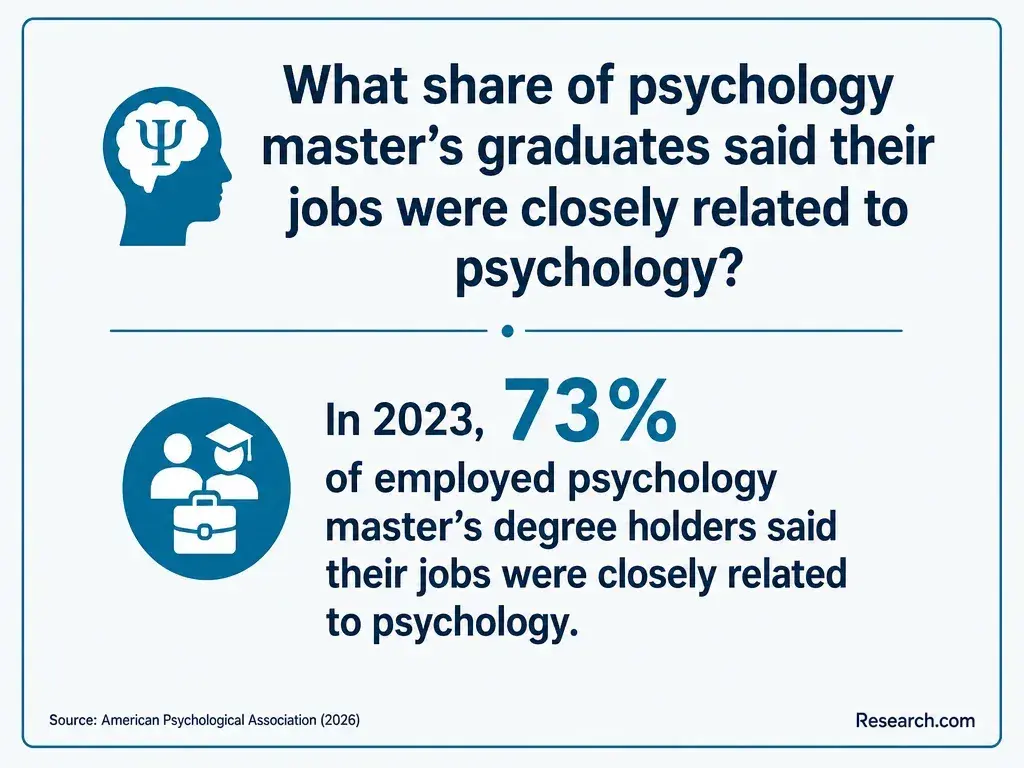
Returning students should request a written degree audit before committing. Accepted credits may count as electives without satisfying psychology, statistics, general education, or residency requirements. Applying associate-level credits to psychology study is especially worth checking if your prior credential was in an applied field. The receiving institution decides which requirements those courses fulfill.
A conventional full-time bachelor's pathway is commonly planned across four academic years, but transfer credit, course sequencing, and enrollment pace can change the time remaining. Online study does not remove prerequisites or guarantee that an addiction elective runs every term.
Compare total remaining cost, not a headline tuition rate: include required credits, fees, books or technology, and any travel or reduced work hours associated with applied learning. Ask each school for an individualized degree plan and cost estimate before comparing lower-tuition undergraduate psychology options. If a state-recognized peer training pathway meets your immediate goal, its shorter commitment may be more sensible than financing a BA solely for certification.
Depending on the employer and state, the degree can support applications for recovery-support, outreach, intake, resource-navigation, case-coordination, or behavioral-health program roles. These positions differ: a peer role may require qualifying lived experience and a specific credential, while a program-support role may place more weight on documentation, coordination, or evaluation. The BA alone does not establish eligibility for any particular job.
Compare job postings by duties and required credentials, not by an appealing title. If your target is recovery support, a forensic specialty is unlikely to address the main skills gap. Even comparing shorter online forensic psychology master's pathways should not be mistaken for a route into peer certification or clinical practice.
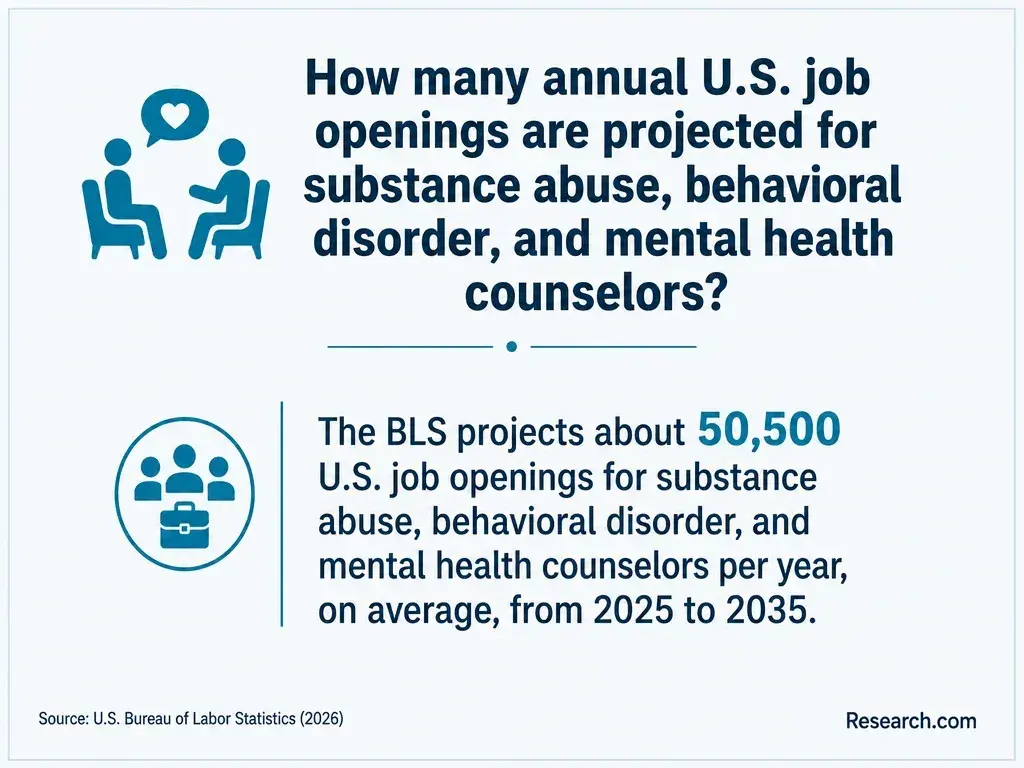
Broad behavioral-health wage figures are poor estimates of what a new peer worker will earn: occupational categories can combine jobs with different education and licensing requirements. Local postings and your prospective employer's pay scale are more useful for this decision.
There is no single nationwide credential that automatically qualifies someone for every US peer recovery position. States and employers may specify approved training, qualifying lived experience, supervised work, an examination, continuing education, or other conditions. Some distinguish substance use recovery peers from mental health or family peers.
Start with the credential named in actual local job postings, then check the responsible state agency or certifying body for its eligibility and training rules. Ask whether any BA courses count toward required training before relying on them. If the credential is the immediate objective, graduate psychology degrees with accelerated schedules are not automatically a faster - or qualifying - alternative to the designated peer pathway.
It can provide academic preparation, but a psychology BA does not by itself confer addiction counseling licensure or permission to diagnose or provide psychotherapy. Addiction counselor credentials vary by state and credential level; the required education, supervised experience, examination, and permitted duties must be checked with the relevant board or certifier.
If your goal is clinical counseling rather than peer support, compare qualifying professional programs against your state's rules before enrolling. Shorter accredited clinical mental health counseling study plans may be worth investigating, but neither a fast schedule nor the word "accredited" establishes eligibility for a specific addiction counseling credential. Peer experience can inform later training; it does not replace required clinical supervision.
How Can You Choose a Reputable Online Addictions Psychology Program?
Choose backward from the work you want to do. For an immediate peer role, state credential fit and access to supervised experience may matter more than the concentration's name. For broader program work or later study, research methods, transferable credits, and the full cost deserve more weight.
Before enrolling, get answers you can compare across schools:
- Request the current degree audit, required addiction courses, prerequisites, and recent course rotation.
- Confirm institutional accreditation and ask whether the school claims any specific state peer-training alignment; verify that claim with the credentialing body.
- Ask what supervised nonclinical opportunities exist, who approves sites, and which activities require in-person attendance.
- Obtain an individualized estimate of remaining credits, tuition, fees, and likely completion pace.
If a later graduate degree is part of your plan, keep that separate from the peer-work decision. Comparing prices for online psychology master's degrees may help with long-term budgeting, but a general psychology master's is not automatically a clinical credential. The best BA choice is the one whose verified courses, practical opportunities, and cost match the role you actually intend to pursue.
Other Things You Should Know About Psychology
Do not assume so. Ask how a course handles personal reflection and whether alternatives are available. Academic discussion should respect privacy; a separate peer credential may have its own lived-experience eligibility rules.
Yes, as part of an evidence-informed understanding of recovery options. Learning what these medications are and how stigma affects access is different from prescribing or advising someone to change treatment.
No. Participation may be personally or professionally valuable, but course credit depends on the school's approved objectives, site, activities, and supervision.
Not without appropriate permission and safeguards. Ask the instructor and organization what consent, confidentiality, and review requirements apply; a fictional scenario or approved public information may be a safer alternative.
- Chapter 6 - How To Become a Peer Specialist - NCBI https://www.ncbi.nlm.nih.gov/books/NBK596268/
- Co-Occurring Disorders and Other Health Conditions | samhsa.gov https://www.samhsa.gov/substance-use/treatment/co-occurring-disorders
- Peer Training and Certification - Arkansas Department of Human Services https://humanservices.arkansas.gov/divisions-shared-services/shared-services/office-of-substance-abuse-and-mental-health/arkansas-peer-recovery/peer-training-and-certification/
- Online Bachelor's Degree in Psychology in Addictions | Purdue Global https://www.purdueglobal.edu/degree-programs/psychology/bachelor-psychology-addictions/
- Online Substance Abuse and Addictions Degree | ASU Online https://asuonline.asu.edu/online-degree-programs/undergraduate/counseling-psychological-sciences/
- Co-Occurring Disorders Treatment | University of Maryland School of Medicine https://ebpcenter.umaryland.edu/training-topics/co-occurring-disorders-treatment/
- Professional Recovery Coach | Carl Sandburg College https://careertraining.sandburg.edu/training-programs/professional-recovery-coach/
- Best Online Bachelor's In Addiction & Recovery 2025 | psychology.org https://www.psychology.org/degrees/addictions-and-recovery/bachelors/