2027 Online BA in Psychology - Addictions Admissions with a Deadline Before Your Employer Reimburses Tuition: What to Ask Before Applying
Audited and Verified:
Our Editorial and Data Verification Process
Research.com uses government datasets, official education statistics and primary institutional information to support its career and degree guides. Our review process checks factual accuracy, occupational definitions, source dates and the requirements associated with the credentials discussed.
How This Article Was Fact-Checked
Our editorial team verifies salary estimates, employment projections, education requirements and program information against original data providers and official organizations. Salary figures are checked against the relevant occupational definitions and reporting periods. Information about licensure, accreditation and required in-person training is reviewed separately.
Fact-checked and verified on:

Co-Founder and Chief Data Scientist
An online psychology BA application can close before your employer starts reimbursing tuition. That gap matters: admission, enrollment, payment, and reimbursement may all happen on different dates. If you work in behavioral health or hope to move into addiction-related work, the degree's career fit matters as much as the funding timeline.
This guide explains which questions to put to admissions, the bursar, and your benefits team before applying - and how to decide whether to apply now, defer enrollment, or choose a more direct credential.
Key Things You Should Know
- An application deadline does not establish when tuition is due or when reimbursement eligibility begins; confirm all three dates in writing before paying a nonrefundable charge.
- Ask whether reimbursement requires a passing grade, job-related coursework, continued employment, or payment after the course ends - and how much you can afford to carry until then.
- An addictions-focused psychology BA does not itself authorize substance-use-disorder counseling; verify the credential rules for your intended job and state before committing.
What Is an Online Bachelor's Degree in Psychology With an Addictions Focus?
It is an undergraduate psychology degree that combines broad study of behavior and research with coursework on substance use, prevention, recovery, or service systems. "Addictions focus" might mean a formally named concentration, a set of electives, or simply the school's description of the curriculum. Ask which designation will appear on your transcript and whether the focus changes graduation requirements.
The BA can suit someone seeking broader psychology preparation alongside addiction-related knowledge. It is less direct if a specific counseling credential is the goal. Also check the actual course list rather than relying on a specialization label: a short-duration undergraduate forensic psychology program, for example, emphasizes a different setting and should not be treated as interchangeable with addiction-focused study.
"Online" describes course delivery, not necessarily every obligation. Live classes, proctored assessments, campus visits, or an approved local placement could affect whether the program works alongside your job.
What Careers Can You Pursue With an Online Addictions Psychology Bachelor's Degree?
Start with the work you already do and the role you want next. Experience in outreach, administration, peer services, or case support may combine with the BA for nonclinical openings such as recovery-program coordinator, intake assistant, community outreach worker, or research-support employee. Hiring requirements and permitted duties depend on the employer and jurisdiction.
These roles may involve scheduling, documenting services, explaining resources, coordinating referrals, or helping evaluate a program. They are distinct from independently diagnosing a disorder or providing psychotherapy. If your target posting specifies an addiction counselor credential, compare substance use counseling program pathways against a psychology BA before applying; the more specialized route may align better with required coursework or supervised experience.
Ask your current employer whether the degree qualifies you for a defined internal position. An encouraging conversation about advancement is not the same as a job posting's written qualifications or a promotion commitment.
What Accreditation Should an Online Psychology Addictions Program Have?
Confirm the institution's recognized institutional accreditation and that it covers the school offering the online degree. Then check the catalog for the exact degree title, concentration status, and applicable academic policies. Institutional accreditation matters for matters such as credit recognition and federal-aid eligibility, but another school still decides whether to accept transfer work.
Do not ask whether the BA is "APA-accredited" as a shortcut for quality or licensure eligibility: APA accreditation does not generally apply to undergraduate psychology majors. If your eventual goal is licensed counseling, the relevant professional-program recognition and state education rules belong to that later pathway. Comparing tuition-conscious mental health counseling degree choices can help clarify why accreditation questions differ for a counseling program and a psychology BA.
Requirements vary by school and by whether you are entering college for the first time or returning with credits. Request the requirements for your intended start term: transcripts, any minimum academic standing, application materials, transfer procedures, and separate rules for entering the psychology major or concentration. Ask whether you can apply by the deadline but choose a later start term without reapplying.
If you have prior coursework, request a written degree audit - not just an estimate of accepted credits. An accepted course might count as an elective without satisfying statistics, research methods, general education, or a residency requirement. Submit transcripts early enough for the school to evaluate them before you make a tuition commitment.
If you already hold a bachelor's degree, first check whether another BA is necessary for your target role. A graduate route serves different goals and timelines; time-to-degree planning for forensic psychology graduate students is relevant only if that is genuinely your intended specialization, not a substitute for checking addiction-work credentials.
Expect the school's psychology core to be more important than its marketing description. Review the required sequence for introductory psychology, statistics, research methods, and other major courses, then identify which addiction-related subjects are required rather than optional. Relevant offerings might address substance use across the lifespan, behavioral health, prevention, ethics, or community services; no single list applies to every program.
Ask whether an internship or capstone is required, whether your existing workplace could be an approved site, and who would supervise the work. Current employment does not automatically satisfy an academic placement, and studying treatment does not authorize a student to provide it.
Use the curriculum to test your actual interest. If you are drawn mainly to justice settings instead of addiction services, comparing accelerated forensic psychology master's costs and outcomes may sharpen that distinction - but it does not make a forensic graduate degree an alternative way to meet undergraduate admissions requirements.
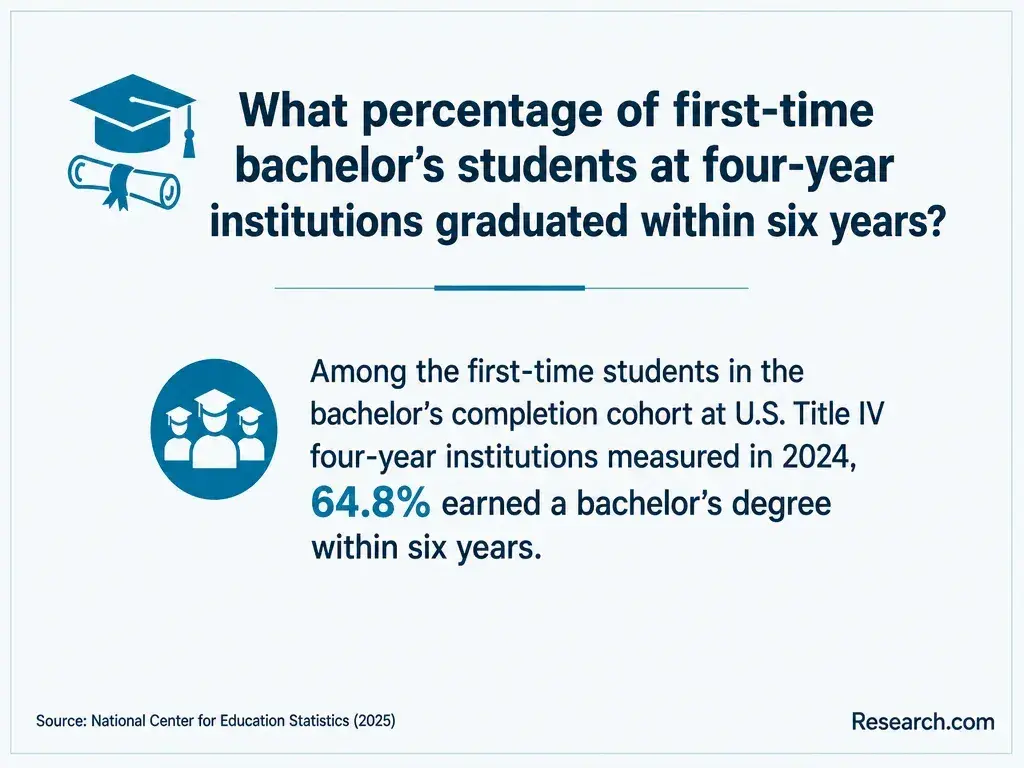
Your completion date depends on the credits that actually satisfy degree requirements, course sequencing, start dates, and how many courses you can manage while working. A school's advertised accelerated pace may assume uninterrupted enrollment and a particular transfer-credit profile. Compare fast-track psychology degree programs online using your written degree audits rather than their shortest advertised timelines.
Ask admissions which remaining courses are offered every term, whether any have prerequisites, and whether live meetings or placements limit your schedule. Then ask your employer whether a reduced course load, a leave of absence, or enrollment across benefit years changes reimbursement. A slower pace may be financially safer if it prevents tuition from coming due before you can pay it.
There is no reliable program cost without your school's charges and your degree audit. Compare tuition for the credits you still need, mandatory fees, materials, and any placement or travel expenses. Lower-cost addiction counseling bachelor's career preparation can provide comparison options, but a lower advertised tuition rate does not establish a lower cost to finish your particular degree.
The components below explain why the amount initially billed can differ from the eventual amount you bear.
| Cost or funding component | What it means for your comparison |
| Tuition and mandatory fees | Charges may vary by credit load, term, residency classification, or online program. |
| Books, technology, and placement expenses | Your employer may exclude charges that the school includes in its cost estimate. |
| Grants, loans, and employer reimbursement | Each has separate eligibility and timing rules; a loan must be repaid even if reimbursement is delayed or denied. |
| Payment-plan charges and cash needed upfront | Reimbursement after grades post does not eliminate the earlier tuition bill. |
Ask for a term-by-term estimate and mark when each bill is due. If your employer offers a qualifying educational-assistance plan, federal tax rules generally allow up to $5,250 in employer-provided educational assistance to be excluded from an employee's income per calendar year, subject to applicable rules. That is a tax limit, not a promise that your employer pays $5,250 or that your program qualifies. Confirm the current plan terms with benefits or payroll.
Not automatically. Addiction counselor credentials vary by state and sometimes by credential level. The responsible state board or certifying body determines acceptable education, specified addiction coursework, supervised practice, examinations, and permitted duties. A BA with an addictions focus may satisfy some educational requirements in a particular pathway while leaving other requirements unmet.
Before applying, obtain the rules for the credential named in your target job posting. Ask the school to map its required courses to those rules in writing, and ask the credentialing authority how it evaluates the degree and any supervised hours. Do not assume an undergraduate internship counts toward post-degree or credential-specific supervision.
If your goal is independent clinical counseling, investigate the appropriate qualifying graduate degree rather than treating this BA as the final credential. A shorter clinical mental health counseling master's cost guide can frame time and expense, but state licensure requirements - not program speed - must control that choice.
There is no single salary or job-growth figure for graduates of an addictions-focused psychology BA. The U.S. Bureau of Labor Statistics tracks occupations, not this concentration's alumni. Its substance abuse, behavioral disorder, and mental health counselors category is useful for understanding a counseling labor market, but it includes workers with different education and credential levels; its occupational median should not be presented as a new BA graduate's expected pay.
For a decision tied to reimbursement, compare the pay range of an actual position you could seek after graduation with your current compensation and the degree's remaining cost. Check its credential and experience requirements first. If you already have a bachelor's degree and are weighing further education for nonclinical advancement, online master's psychology programs by affordability offer a separate cost comparison - not evidence that a master's will raise your salary or qualify you for counseling.
What Should You Ask Before Applying for Employer Tuition Reimbursement?
Separate the application deadline, enrollment commitment, tuition due date, and reimbursement eligibility date. Applying before benefits begin may be harmless if the application is affordable and enrollment can wait; enrolling and paying early may not be. Put the answers from admissions, the bursar, and your benefits team on one timeline before deciding.
Use these questions to identify the point at which an early application becomes a financial obligation.
- Ask admissions: Can I apply now for a later term, defer an offer, or change my start date? Which deposits are nonrefundable, and when must I enroll?
- Ask the bursar: When is tuition due, what payment-plan charges apply, and what happens financially if I withdraw before or after classes begin?
- Ask benefits: Is eligibility determined by application date, course start, payment date, course completion, or claim submission? Must the degree or each course be approved in advance?
- Ask benefits and payroll: Which expenses are covered, what grade and employment conditions apply, when are claims paid, and is repayment required if I leave the organization?
- Ask both sides: Can benefits begin between application and enrollment, and what written documentation will establish that this term qualifies?
Keep copies of the applicable policy, written preapproval, degree audit, term bill, and reimbursement correspondence. If approval is uncertain, compare deferring with choosing a cost-conscious psychology degree program that fits both your career aim and the amount you could cover without reimbursement. Do not treat anticipated employer funds as available cash until the claim conditions and payment timing are clear.
Other Things You Should Know About Psychology
Possibly. Your employer's policy controls whether the relevant date is application, approval, enrollment, payment, or course completion. Get a written answer before paying a nonrefundable fee or deposit.
Some schools permit deferral or a later start term; others require a new application. Ask whether your admission offer, transfer evaluation, and any deposit carry over.
Employer plans may require continued employment or repayment after departure. Check the written policy and ask benefits how it applies to courses already completed and claims still pending.
Some employers offer direct billing or advance payment, but many reimburse only after grades post. Ask benefits and the bursar whether an arrangement exists and whether it covers this program and start term.
- Curricular Elements in Substance Use Disorders Training | samhsa.gov https://www.samhsa.gov/substance-use/treatment/resources/mat-act/training-requirements/curricular-elements-training
- Institutional Accrediting Agencies | ed.gov http://www.ed.gov/laws-and-policy/higher-education-laws-and-policy/college-accreditation/institutional-accrediting-agencies
- Certified Addiction Counselor (CAC) clinical training program | colorado.gov https://bha.colorado.gov/for-service-providers/learning-and-development/certified-addiction-counselor-cac-clinical-training
- Employer-offered educational assistance programs can help pay for college | Internal Revenue Service https://www.irs.gov/newsroom/employer-offered-educational-assistance-programs-can-help-pay-for-college
- and Ask For - Employer Tuition Reimbursement Benefits | Harvard Extension School https://extension.harvard.edu/blog/how-to-use-and-ask-for-employer-tuition-reimbursement-benefits/
- Employer Reimbursement and Tuition Deferment Program | Penn State World Campus Chaiken Center for Student Success https://student.worldcampus.psu.edu/finances/paying-your-bill/employer-reimbursement-and-tuition-deferment-program
- About APA Accreditation https://accreditation.apa.org/about
- What Is Tuition Reimbursement? How It Works for Grad School | University of Kansas https://admissions.ku.edu/blog/what-is-tuition-reimbursement
- Substance Use Disorder Counselor | Salt Lake Community College https://www.slcc.edu/socialwork/programs/sudc.aspx