2027 Online MS in Psychology - Forensic Psychology for Volunteer Coordinators: Compare Transferable Skills and Degree Requirements
Audited and Verified:
Our Editorial and Data Verification Process
Research.com uses government datasets, official education statistics and primary institutional information to support its career and degree guides. Our review process checks factual accuracy, occupational definitions, source dates and the requirements associated with the credentials discussed.
How This Article Was Fact-Checked
Our editorial team verifies salary estimates, employment projections, education requirements and program information against original data providers and official organizations. Salary figures are checked against the relevant occupational definitions and reporting periods. Information about licensure, accreditation and required in-person training is reviewed separately.
Fact-checked and verified on:

Co-Founder and Chief Data Scientist
Volunteer coordinators often already recruit people, manage sensitive situations, and connect communities with services. An online master's in forensic psychology could build on that experience, but its value depends on the job you want next.
This guide compares your existing skills with typical degree requirements and justice-related roles, then explains what to check about admissions, applied learning, cost, and credentials. The goal is to help you decide whether a full master's degree advances your career more effectively than targeted training or a different professional qualification.
Key Things You Should Know
- Volunteer recruitment, training, documentation, and referral experience transfer most directly to nonclinical victim-services, reentry, and justice-program roles, not forensic psychological assessment.
- Compare total tuition using required credits and the school's per-credit rate, then add fees and any placement costs; an online label does not establish the total price or scheduling flexibility.
- A forensic psychology master's alone does not authorize therapy, independent psychological evaluations, or use of a licensed psychologist's title. Check the target job's credential rules before enrolling.
What is an online master's in forensic psychology for volunteer coordinators?
It is a graduate degree examining psychological research and behavior in legal and justice contexts. Depending on the school, coursework may address victims, offending, corrections, research methods, and ethical issues.
Online describes how instruction is delivered; it does not define the degree's clinical status or eliminate possible live classes, campus visits, or field activities.
For a volunteer coordinator, the strongest fit is usually a move toward program leadership, evaluation, or service coordination in a justice-related organization.
If you do not yet hold a bachelor's degree, that is the first educational decision: compare the degree requirements and costs of an affordable psychology degree route with a bachelor's in a field that also serves your target role. A psychology bachelor's is not automatically required for every forensic psychology master's program.
How do volunteer coordinator skills transfer to forensic psychology careers?
The useful comparison is between work you can already document and tasks an employer expects you to perform. The table separates transferable experience from the additional preparation that may matter in justice settings:
| Volunteer coordinator experience | Potential justice-related use | Likely gap to address |
| Recruiting, screening, and training volunteers | Supporting a victim-services or reentry program | Agency protocols, safeguarding, and role-specific screening rules |
| Making referrals and working with community partners | Connecting clients with approved services | Eligibility rules, confidentiality, and boundaries around legal or clinical advice |
| Tracking participation and reporting to funders | Monitoring services and evaluating a program | Research design, data quality, and responsible interpretation |
Volunteer experience is especially persuasive when you can explain your responsibilities and results without disclosing client information. If your organization also serves people affected by substance use, understanding career progression in addiction recovery can help you distinguish support and referral work from positions requiring a state-recognized counseling credential.
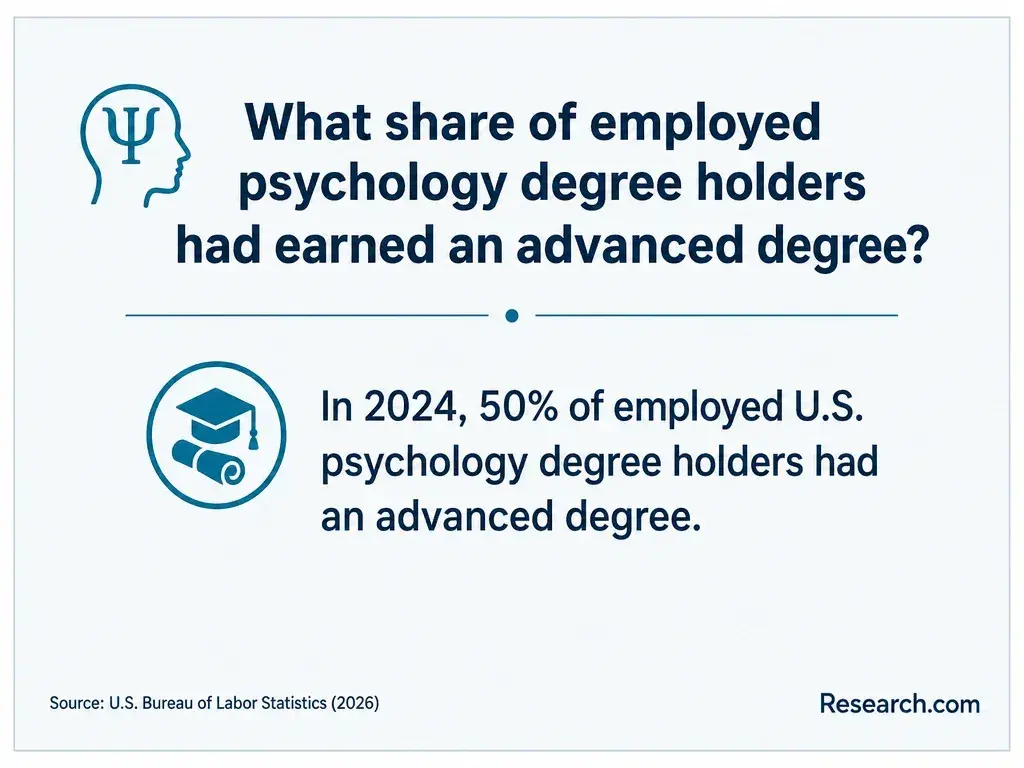
What careers can you pursue with an online forensic psychology master's degree?
Possible nonclinical targets include victim-services program coordinator, reentry program specialist, justice-program evaluator, and research or policy support staff.
In these jobs, employers may value your combination of service operations experience and graduate-level methods more than the degree title alone. Hiring standards differ across agencies, and some roles may be accessible without a master's.
A forensic evaluator or licensed forensic psychologist is a different pathway involving the applicable professional education, licensure, and supervised preparation. Before choosing courses, inspect actual job postings for your intended employer and region; career planning with a forensic psychology graduate degree is most useful when paired with those role-specific requirements.
If your goal is advancement within a nonprofit, ask whether your employer values graduate research and evaluation skills or primarily seeks demonstrated management experience.
Programs generally ask for a completed bachelor's degree, transcripts, and application materials, but their rules for GPA, prerequisites, recommendations, and tests vary.
A criminal justice, human services, business, or other non-psychology major need not automatically rule you out. The key distinction is between a required psychology or statistics course and preparation the school merely recommends.
Ask admissions to review your transcript against its published prerequisites. In your application, connect specific volunteer-coordination duties, training, referral decisions, documentation, and program reporting, to the program's academic work.
If statistics or research methods are missing, ask whether you must complete them before admission or can take approved bridging coursework. Compare these answers with tuition and eligibility for forensic psychology programs, then obtain confirmation from each school for your intended entry term.
Coursework often combines psychological theory in legal settings with research methods, statistics, ethics, and topics such as victimization or correctional systems. The exact curriculum matters more than the concentration name.
For program-evaluation work, prioritize methods, measurement, and an applied project; for service coordination, look for coursework that helps you assess evidence while respecting confidentiality and referral boundaries.
Check whether a thesis, capstone, or placement is required, who approves a work-based project, and whether you can use organizational data. Permission to work at a nonprofit is not permission to use identifiable client records for a class.
If your intended work is substance-use-disorder counseling rather than nonclinical program support, compare the curriculum with an addiction counseling program selection guide and verify your state's credential requirements before treating forensic electives as a substitute.
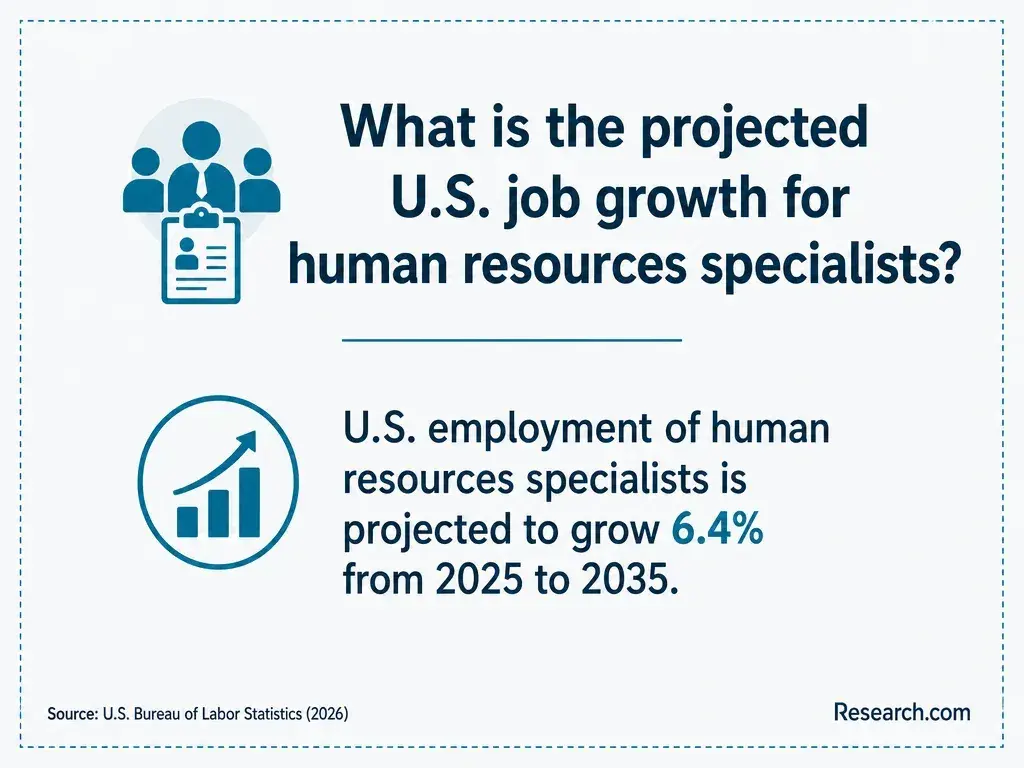
Online study may let you retain your job and community partnerships; campus study may make scheduled research collaboration or local faculty contact easier. Neither format guarantees a placement, close mentorship, or a particular credential outcome.
Compare the actual timetable: recorded versus live classes, group meetings, faculty availability, required visits, and whether an approved project can be completed near home.
For a coordinator covering evening events or weekend volunteers, the schedule can matter more than the advertised delivery mode. When comparing the fastest psychology master's formats, ask how many courses run at once and when required meetings occur. A shorter calendar can increase weekly demands without improving access to supervised applied work.
Completion time depends on required credits, course availability, enrollment pace, and whether a thesis or placement must be arranged.
Total cost depends on the tuition rate applied to those credits, mandatory fees, materials, travel, and any time away from paid work. Published per-credit tuition is therefore a starting point, not a reliable program-total quote.
Request a written degree plan and cost estimate for the pace you can maintain while working. Ask separately about employer education assistance and whether it covers this degree.
Compressed online master's study in forensic psychology is worth considering only if its course load, project requirements, and full cost fit your circumstances; speed alone is not a return on investment.
Not by itself. Studying forensic psychology does not authorize psychotherapy, diagnosis, independent psychological testing, expert psychological evaluation, or use of a protected professional title. Requirements depend on the occupation and jurisdiction.
A victim advocate position may instead have employer training requirements, while a licensed counseling or psychology role follows a distinct educational and supervised-practice pathway.
If your goal is to provide therapy, identify the state license and check its education requirements before enrolling in a forensic psychology MS.
A qualifying counseling route may be more direct, though its cost and fieldwork need separate scrutiny; mental health counseling tuition and funding options provide a comparison point. Do not rely on a forensic program's course titles as evidence of licensing eligibility.
Confirm that the institution holds recognized institutional accreditation and that the status applies to the school awarding the degree. Then ask whether any program-specific recognition is relevant to your intended credential.
APA accreditation does not generally apply to a nonclinical forensic psychology master's simply because psychology appears in its name.
Accreditation also does not establish that courses meet a particular licensing board's requirements or that an employer will prefer the degree.
When using an online psychology master's affordability guide to build a shortlist, verify institutional status, the exact degree awarded, curriculum, and credential claims directly with the school and the relevant regulator.
What are the salary expectations and job outlook for forensic psychology graduates?
There is no single salary or employment projection for people who earn a forensic psychology master's. The US Bureau of Labor Statistics reports occupations, not outcomes for this degree.
Its data for social and human service assistants or related community-service roles may help frame some nonclinical opportunities, but those occupational figures include workers with different education and experience. Psychologist wages describe a substantially different, licensed occupation and should not be used as an MS graduate salary estimate.
For a sound financial decision, compare pay ranges in current postings for your target role and location with the program's full cost and any raise your employer has actually confirmed.
If postings mainly require a bachelor's degree and relevant experience, a fast-track psychology degree program online may be a more relevant comparison for someone still completing undergraduate study; for an established coordinator with a bachelor's, targeted evaluation training or an internal promotion may cost less than another degree.
Other Things You Should Know About Psychology
Possibly. The program must approve the project and supervision, and your employer must authorize the work and any data use. Existing employment alone does not satisfy an academic requirement.
Describe specific duties, such as training volunteers, documenting referrals, coordinating partners, or evaluating participation. Use work samples only when you have permission and can protect confidential information.
Not necessarily, but restrictions vary by position, agency, and jurisdiction. Check screening rules for your intended roles before paying for a degree on the assumption that it will remove an employment barrier.
Obtain organizational and faculty guidance on permission, privacy, data access, and any required review. Removing names alone may not make sensitive records safe or authorized to use.
- Accreditation in the U.S. | ed.gov http://www.ed.gov/laws-and-policy/higher-education-laws-and-policy/college-accreditation/accreditation-in-the-us
- Master's Degree - Forensic Psychology - On Campus | Monroe University https://www.monroeu.edu/academics/king-graduate-school/masters-forensic-psychology
- A Guide To Experiential Learning, Internships, Capstones, and Practicums - UOnline - The University of Utah https://online.utah.edu/blog/posts/learning-experiences.php
- Practicums, Internships and Projects What's the Difference? | Oregon State University https://health.oregonstate.edu/internships/types-of-experiential-learning
- MS in Forensic Psychology | Neumann University https://www.neumann.edu/academics/grad/masters-degree-in-forensic-psychology
- Application Deadlines, Requirements, and Guidelines | nyu.edu https://as.nyu.edu/departments/psychology/graduate/ma-application-info.html
- Professional competencies in forensic psychology. | apa.org https://doi.apa.org/doi/10.1037/a0026776
- A Career in Forensic and Public Service Psychology | apa.org https://www.apa.org/education-career/guide/subfields/forensic/education-training
- How Internships, Practicums, and Clinicals Actually Work | Florida National University (FNU) https://www.fnu.edu/internships-practicums-clinicals-explained/
- Forensic Psychology, MS - ASU degree programs https://degrees.asu.edu/masters-phd/major/ASU00/ASFPSYMS/forensic-psychology-ms