2027 Online MS in Psychology - Forensic Psychology Admissions with a Failed Statistics Course on Your Transcript: What to Ask Before Applying
Audited and Verified:
Our Editorial and Data Verification Process
Research.com uses government datasets, official education statistics and primary institutional information to support its career and degree guides. Our review process checks factual accuracy, occupational definitions, source dates and the requirements associated with the credentials discussed.
How This Article Was Fact-Checked
Our editorial team verifies salary estimates, employment projections, education requirements and program information against original data providers and official organizations. Salary figures are checked against the relevant occupational definitions and reporting periods. Information about licensure, accreditation and required in-person training is reviewed separately.
Fact-checked and verified on:

Co-Founder and Chief Data Scientist
A failed statistics course can make an online forensic psychology master's application feel uncertain, especially when you cannot tell whether the course is a prerequisite or simply part of your academic record. The distinction matters: a program may permit you to apply while still requiring stronger quantitative preparation before enrollment.
This guide is for prospective U.S. applicants deciding whether to apply now, retake statistics first, or consider another route. It explains which questions to put to admissions staff, how to document improvement, and how to check that the degree fits your intended work.
Key Things You Should Know
- One failed statistics course does not establish a universal admissions disqualification; ask whether the specific program requires a passing statistics grade before application, admission, or enrollment.
- Check two policies separately, how the program evaluates the failed grade in your GPA and whether a retake satisfies its statistics prerequisite. A new grade may not erase the original F.
- Before paying an application fee, confirm the degree's career fit: a nonclinical forensic psychology MS does not, by itself, qualify you for psychologist licensure or independent forensic evaluations.
What Is an Online Master's in Forensic Psychology?
An online master's in forensic psychology studies psychological science in legal and justice-system contexts. Depending on the program, it may emphasize research, behavior in correctional settings, victim services, or the interpretation of evidence. An MS is a graduate degree; the word "forensic" describes its subject matter, not a professional license or authority to investigate crimes.
For an applicant with a failed statistics course, the key distinction is methodological depth. A program built around research design and data analysis may expect stronger quantitative preparation than one centered on policy or applied justice topics. Read the required course list and ask whether statistics is an entry prerequisite, a course you can take during the degree, or both.
If you have not yet completed a bachelor's degree, master's admissions may be premature. Compare the remaining undergraduate requirements before pursuing faster online forensic psychology degree completion; a fast timeline does not resolve a missing graduate prerequisite.
Can You Apply to Online Forensic Psychology Programs With a Failed Statistics Course?
Often, you can apply, but eligibility depends on the program's written rules. An F may affect your cumulative or recent-coursework GPA, leave a required prerequisite unmet, or raise a concern about readiness for graduate research. Those are separate decisions. A program with a minimum GPA may also calculate that GPA differently from your undergraduate institution.
Ask admissions staff about your exact record rather than asking only whether they "accept an F." The answers below determine whether applying now is sensible:
- Is statistics required for application, admission, or the start of classes? What minimum grade, course level, and course age are acceptable?
- If I retake the course elsewhere, will you accept it as a prerequisite, and how will both grades affect the GPA you review?
- Can I receive a conditional offer while a retake is in progress? What deadline and grade would the condition require?
- Will you consider an upward grade trend or evidence of research and data-analysis skills when reviewing the failed course?
Request the answer in writing and identify the catalog or admissions policy for your intended entry term. If the prerequisite must be complete before admission, a quicker program will not necessarily mean a quicker start; compare shorter online forensic psychology master's pathways only after confirming that you are eligible to enter them.
What Admission Requirements Do Online Forensic Psychology Master's Programs Have?
Requirements vary by institution. Programs commonly review an earned bachelor's degree, official transcripts, GPA, a statement of purpose, and recommendations. Some specify prior psychology, statistics, or research-methods coursework; others admit students from criminal justice, social science, or other backgrounds and assess preparation individually. Do not assume that work experience replaces a formal prerequisite unless the program says it does.
Separate what the application requires from what might make it stronger. An acceptable undergraduate major establishes eligibility; a successful statistics retake, research project, or well-supported explanation of an academic setback may provide additional evidence of readiness. Ask whether entrance tests, interviews, or prerequisite waivers apply to your entry term, rather than relying on another program's checklist.
If you are considering several degrees, compare admission rules alongside their actual learning goals. Shorter completion routes for psychology master's students may have different prerequisite and scheduling rules; an accelerated label does not make an unresolved statistics requirement optional.
Start by obtaining the target program's course-equivalency requirements. A class called "statistics" may differ in level or content from the psychology statistics course the program expects. Ask for written approval of the proposed retake before registering, particularly if it will be taken at another institution.
Use this sequence to avoid paying for a course that does not solve the admissions problem:
- Collect transcripts, the failed course's description, and any earlier quantitative or research-methods coursework.
- Ask the graduate program which retake would satisfy its prerequisite and whether it accepts community-college, online, or nondegree coursework.
- Confirm the new school's enrollment requirements, total charges, and when an official grade will be available.
- Complete the course and submit the official transcript; briefly explain what changed and point to concrete evidence of improved quantitative work.
A retake is usually more persuasive than an unsupported promise to improve, but it may not replace the F in every GPA calculation. Academic renewal or grade replacement at your undergraduate institution also may not change how a graduate program evaluates all attempted coursework. If you need undergraduate credit as well, review evaluating transfer options before psychology enrollment separately: acceptance for bachelor's credit and satisfaction of a master's prerequisite are different decisions.
Check the institution's recognized accreditation status and confirm that it covers the institution awarding the degree. Accreditation supports an institution's standing; it does not mean another university must accept its graduate credits or that the forensic psychology MS meets a state licensing board's requirements. Transfer and admission to a later degree remain decisions for the receiving institution.
Do not reject a general, nonclinical forensic psychology MS because it lacks APA program accreditation: APA accreditation applies to specified professional psychology programs and training, not every psychology master's. If your goal is a licensed counseling role, investigate the accreditation and state educational rules relevant to that credential. Resources on comparing condensed accredited counseling study routes concern a different professional pathway, not interchangeable forensic MS accreditation.
Coursework varies, but a forensic psychology MS may cover psychology and the legal system, research methods, statistics, ethics, behavior in correctional contexts, and a thesis or capstone. Examine required courses rather than judging the degree by its name. For someone who previously failed statistics, the most consequential questions are how soon quantitative work begins, what background instructors assume, and whether tutoring or methods support is available online.
Applied assignments can build evidence-appraisal and communication skills without constituting clinical training. If a course includes agency work or a project using justice-system information, ask who arranges the opportunity and what approvals, supervision, confidentiality protections, and data permissions are required. Studying assessment does not authorize a student to administer restricted tests or make independent clinical judgments.
If your intended work is primarily substance-use recovery support, compare the forensic curriculum with addiction counseling academic preparation and the credential rules for your target state. The better-fitting coursework depends on the role, not which degree title sounds more specialized.
Time to completion depends on required credits, course sequencing, enrollment intensity, and whether a thesis, capstone, or placement can be completed on your schedule. A statistics retake may add time before enrollment; a conditional admission offer may allow overlap, but only if its terms permit it. "Online" also does not guarantee asynchronous classes or eliminate live meetings and site-based obligations.
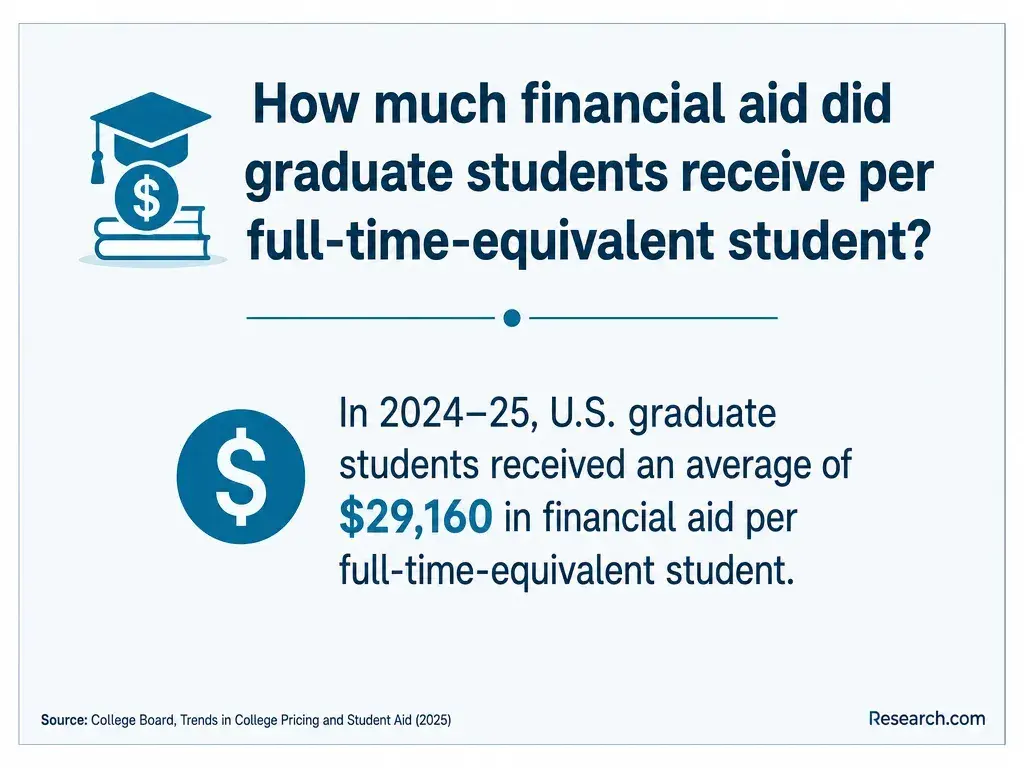
Request a term-by-term degree plan and an itemized estimate from each institution. When planning the cost of a psychology master's, include the prerequisite retake, tuition, mandatory fees, books or software, any travel, and charges that could arise from extra terms. Ask how a slower pace affects financial-aid eligibility and whether employer education assistance applies. Compare the full feasible path, not just the advertised tuition rate.
Do not assume they do. A general or nonclinical forensic psychology MS does not by itself qualify someone for psychologist licensure, independent forensic assessment, psychotherapy, or expert-witness work. Those activities can require a distinct professional degree, supervised experience, examinations, and compliance with jurisdiction-specific rules.
If your goal is licensed practice, name the occupation and state first, then ask the relevant licensing board whether a proposed program meets its educational requirements. Counseling and social-work routes have different training structures from a nonclinical forensic MS. Comparing clinical counseling master's fees and graduation timelines can help frame the cost of an alternative, but speed and price do not establish licensure eligibility. Get program-specific and board-specific confirmation before enrolling.
The degree may support applications for nonclinical work in victim services, program coordination, justice-related research, or corrections support, depending on your prior experience and an employer's requirements. It does not create a single occupation called "forensic psychology master's graduate." Hiring managers may value case coordination, careful documentation, data skills, or justice-system experience more than the concentration alone.
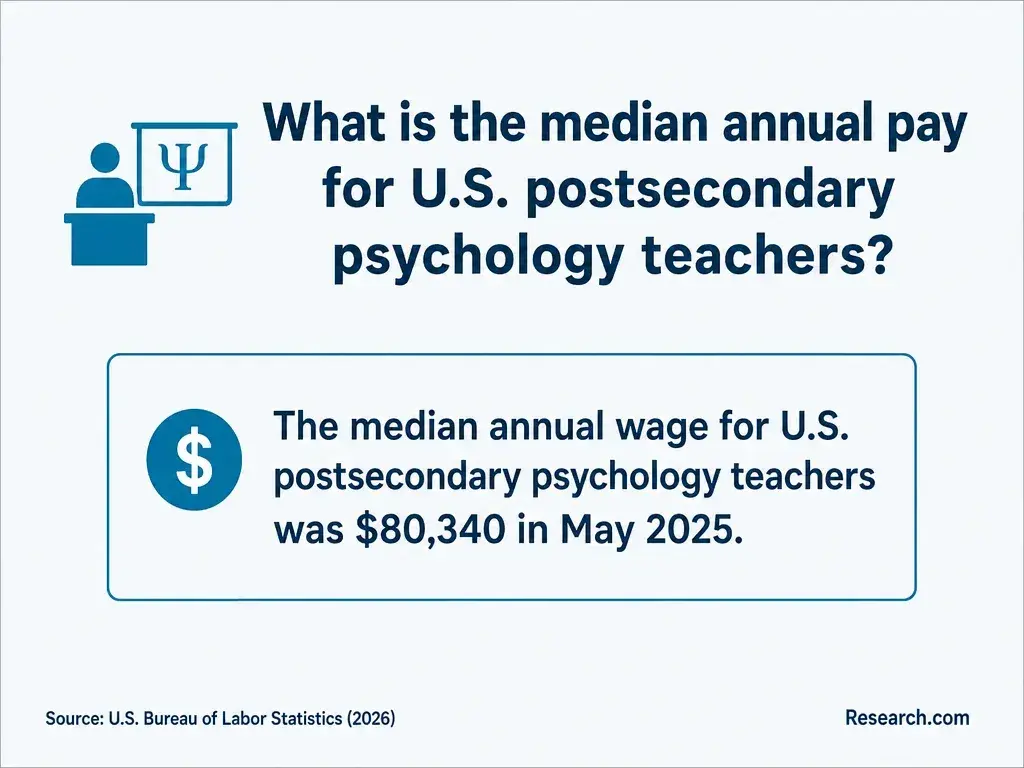
Salary research should therefore start with a specific job title and location. An occupation-wide U.S. wage figure is not an expected salary for graduates of one MS program, and psychologist wage data is not an appropriate proxy for unlicensed applicants. Compare local postings' required credentials and pay ranges with the program's total cost; ask career services for outcomes that identify job titles, reporting periods, and how many graduates responded.
For a target job in substance-use services, also compare the cost and eligibility implications of affordable substance abuse counseling bachelor's costs and careers. A different qualification or supervised experience may be a more direct investment than a forensic psychology MS.
How Can You Choose a Reputable Online Forensic Psychology Program?
First screen for admissions feasibility: obtain written answers about the failed statistics grade, an acceptable retake, GPA calculation, and any conditional-admission deadline. Then assess the program you would actually attend. Confirm its awarding institution, required methods courses, faculty support, online scheduling, project or placement arrangements, total cost, and outcomes relevant to your target role.
Be especially cautious about a promised fast finish. When comparing one-year forensic psychology master's formats, ask for the course sequence available to a student entering with your prerequisites and intended enrollment pace. A short published timeline may assume continuous full-time study and completed prerequisites.
Apply now if a program confirms you are eligible and you can present credible evidence of quantitative readiness. Retake statistics first if it is an unmet requirement or the clearest weakness in an otherwise suitable application. If your goal requires a clinical credential or a different set of job skills, investigate that pathway before committing to a forensic MS.
Other Things You Should Know About Psychology
Some programs offer preliminary guidance from an unofficial transcript, but it may not be binding. Ask whether staff can assess your statistics prerequisite and what documents they need; expect to provide official transcripts during the formal process.
Follow each application's instructions for reporting all prior colleges and attempted coursework. Do not assume that leaving a school or retaking the class elsewhere removes the original record.
Only if the target program confirms it accepts a pass/fail grade for the prerequisite. A letter grade may make your improvement easier for reviewers to evaluate.
If the application provides a suitable space, briefly explain relevant circumstances without disclosing more than you wish. Focus on what has changed and the academic evidence showing you can handle graduate quantitative work.
- A Career in Forensic and Public Service Psychology | apa.org https://www.apa.org/education-career/guide/subfields/forensic/education-training
- Section 6. Academic Progress and Grading Policies | Academics at Walden University https://academics.waldenu.edu/handbook/academic-progress-grading/academic-progress
- Graduate School Applications and Interviews | Career Development Center https://career.oregonstate.edu/graduate-school-applications-and-interviews
- Holistic Admissions Toolkit - Indiana University Graduate School https://graduate.indiana.edu/faculty-staff-resources/holistic-admissions-toolkit/index.html
- How the University of California evaluates student applications https://www.universityofcalifornia.edu/news/how-the-university-of-california-evaluates-student-applications
- Forensic Psychology, MS - ASU degree programs https://degrees.asu.edu/masters-phd/major/ASU00/ASFPSYMS/forensic-psychology-ms
- M.A. Forensic Psychology: Online and In-Person | The Chicago School https://www.thechicagoschool.edu/programs/psychology/forensic-psychology/ma/
- Master's in Forensic Psychology Degree Online & On Campus | University of North Dakota https://und.edu/programs/forensic-psychology-ma-ms/index.html