2027 Choosing an Online BA in Psychology - Addictions Around Weekend-Only Availability
Audited and Verified:
Our Editorial and Data Verification Process
Research.com uses government datasets, official education statistics and primary institutional information to support its career and degree guides. Our review process checks factual accuracy, occupational definitions, source dates and the requirements associated with the credentials discussed.
How This Article Was Fact-Checked
Our editorial team verifies salary estimates, employment projections, education requirements and program information against original data providers and official organizations. Salary figures are checked against the relevant occupational definitions and reporting periods. Information about licensure, accreditation and required in-person training is reviewed separately.
Fact-checked and verified on:

Co-Founder and Chief Data Scientist
If work or caregiving leaves weekends as your only dependable study time, an online BA in psychology with an addictions focus may look like a workable path. But "online" does not necessarily mean every class, group project, or placement can happen on Saturday and Sunday.
This guide explains how to test a program's actual schedule, compare its academic and financial fit, and understand what the degree can - and cannot - prepare you to do in addiction services.
Key Things You Should Know
- Weekend-only is a scheduling requirement, not a standard program type. Asynchronous classes may allow weekend study, but deadlines, live meetings, and placements can still require weekday availability. Check the complete degree plan before enrolling.
- A typical bachelor's degree is built around 120 semester credits, but transfer-credit application, course rotation, and enrollment pace determine your remaining time and cost.
- An addictions-focused psychology BA is not a counseling license. It can support applications for nonclinical roles; regulated counseling work depends on the state's separate education, supervision, and credential rules.
What Is an Online BA in Psychology With an Addictions Concentration?
An online BA in psychology with an addictions concentration is a bachelor's degree combining general psychology study with designated coursework on substance use, prevention, treatment systems, or recovery. Schools may instead offer an addictions minor, certificate, or set of electives. Those labels matter: electives alone do not create a formal concentration, and none of these options independently authorizes clinical practice.
For someone already working in community services, the degree may add research literacy and a stronger understanding of behavior and recovery systems. For someone seeking a particular addiction-services job, the better starting point is that job's required credential. Compare the published major requirements and concentration designation when reviewing addiction psychology bachelor's curriculum options.
Are Weekend-Only Online Psychology Degree Programs Available?
A fully weekend-only program should not be assumed available simply because a BA is advertised as online. The more common possibility is asynchronous coursework: lectures and assignments can often be completed at chosen times, while due dates still occur throughout the week. Some courses require live discussions, scheduled exams, or collaborative work; internships may follow an agency's weekday hours.
The distinction below helps separate a workable weekend study plan from a promise the program does not make.
| Scheduling feature | What it means for a weekend-only student |
| Recorded, asynchronous classes | May permit weekend study if assignment windows and participation rules allow it. |
| Live classes or group meetings | Could require weekday or evening attendance despite online delivery. |
| Internship or field experience | May depend on approved supervision and site hours, not the class schedule. |
| Accelerated terms | Shorten the calendar but may increase weekly work and deadline pressure. |
Ask the program for recent syllabi, a term-by-term course rotation, live-attendance rules, and written placement expectations. If accelerated study appeals to you, compare accelerated undergraduate psychology program choices against the hours you can reliably protect each weekend. A faster term is not necessarily a more flexible one.
Is an Online Addictions Psychology Degree Accredited?
For an online psychology BA, first verify the university's institutional accreditation through the accreditor or U.S. Department of Education's recognized accreditation records. Then confirm that the online BA and advertised addictions concentration appear in the university's current catalog. Institutional accreditation does not verify a weekend-only schedule or establish eligibility for an addiction counseling credential.
Do not expect APA accreditation of a general undergraduate psychology major; APA accreditation applies to specified professional psychology training programs, not ordinary psychology BAs. This distinction also matters when comparing other specialties, including forensic psychology academic pathways and tuition: check the institution, the exact degree, and the credential you ultimately want rather than relying on a specialty label. Before paying a deposit, confirm that the school can enroll students in your state and ask the relevant state credentialing authority whether the coursework meets any requirements you intend to pursue.
Expect a psychology core covering subjects such as development, social behavior, biological or cognitive foundations, statistics, and research methods. An addictions focus may add courses on substance-use science, prevention, co-occurring concerns, recovery systems, and ethics. Exact titles, availability, and prerequisites vary by school.
For weekend study, the sequence matters as much as the course list. Ask whether statistics must precede research methods, whether addictions courses are offered every term, and whether a capstone or field course has fixed meeting times. If you are also considering later specialization, do not confuse undergraduate electives with faster routes through forensic psychology graduate coursework; they are different degrees with different admissions and schedules. Coursework about treatment or assessment teaches concepts, not permission to provide either service.
Online BA applicants generally need the institution's required secondary-school record or prior college transcripts. Transfer applicants should request more than an admission decision: obtain a degree audit showing which accepted credits satisfy general education, psychology prerequisites, concentration requirements, and any credits that must be earned at the university. The school makes the final equivalency decision.
If your eventual aim is graduate counseling study, ask prospective graduate programs about their own prerequisites rather than assuming this BA is required or sufficient. Admissions and scheduling for intensive graduate study in clinical mental health counseling are separate decisions. For the BA, request the next entry term's catalog and ask admissions whether any course, orientation, or exam requires weekday attendance.
Completion time depends on credits still required, prerequisite order, course rotation, and how many courses you can manage alongside work or caregiving. A student entering with applicable transfer credits may finish sooner than a first-time student, but accepted credits do not always satisfy major requirements. Taking only one course at a time can make weekends manageable while extending the degree and its associated fees.
Have an advisor map your remaining requirements by term, including courses offered infrequently and any placement. Do not use the duration of twelve-month forensic psychology graduate study pathways as an estimate for an undergraduate BA: graduate programs have different entry requirements and credit structures. Ask what happens to your plan if you must skip a term.
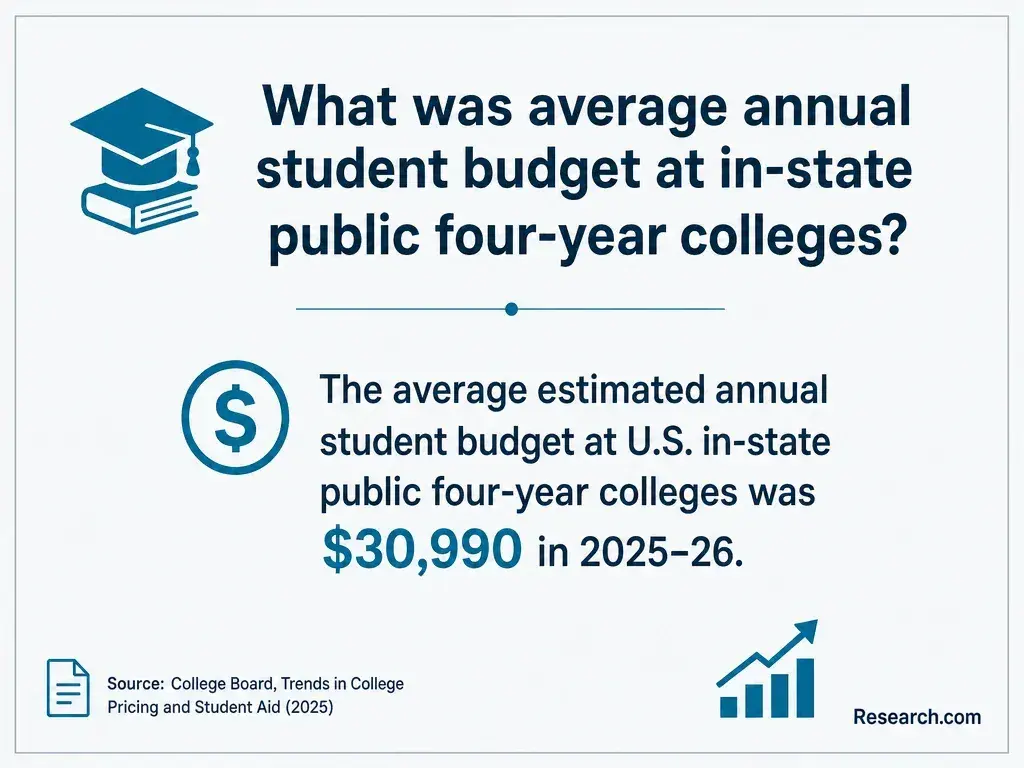
There is no reliable single price for an online addictions-focused psychology BA. Compare each school's tuition per credit or term, required fees, remaining credits after the official evaluation, and likely number of terms. Add books or software, technology charges, and any travel or reduced work hours associated with an approved placement. A low advertised per-credit rate can be less useful than a higher rate paired with more credits applied to your degree.
Request a written estimate based on your degree audit and planned pace, then compare it with an online psychology tuition comparison guide. Ask financial aid staff how part-time enrollment, breaks between terms, and satisfactory academic progress affect your particular aid package. Do not budget for employer reimbursement or a scholarship until its eligibility and renewal conditions are confirmed.
An addictions-focused BA may help you compete for nonclinical work such as recovery-program support, outreach, intake coordination, referral assistance, or human-services case coordination. Duties vary: one employer may prioritize a degree, while another requires relevant experience, a driver's license, a peer credential, or a state-specific addiction-services certification. Study of addiction does not authorize diagnosis or therapy.
Start with local job postings and identify the recurring tasks you can already demonstrate. Experience documenting referrals, communicating respectfully with clients, handling confidential information, or supporting program evaluation may be valuable alongside coursework. Use recovery support career planning to distinguish support roles from counseling positions before choosing a degree solely for a job title.
There is no single salary for an addictions psychology BA. Pay follows the occupation, location, employer, experience, and required credential - not the concentration name. The U.S. Bureau of Labor Statistics publishes occupation-wide wages for substance abuse, behavioral disorder, and mental health counselors, but those figures should not be presented as expected earnings for BA graduates: counseling positions can have additional education or licensing requirements.
For a realistic comparison, match local postings to roles you would qualify for now, note their posted pay and credential requirements, and weigh that against your remaining tuition and time. If your target is specifically a state-recognized substance-use counseling role, compare the BA with lower-tuition bachelor's pathways in substance use counseling - but confirm which, if any, meets your state's educational rules before treating a lower price as a saving.
Does an Addictions Psychology BA Qualify You for Counseling Licensure?
No: an addictions-focused psychology BA alone does not qualify you for independent counseling licensure. States regulate professional counseling and substance-use-disorder counseling through their own education, supervised-experience, examination, and application requirements. Some addiction-services credentials have different entry levels and permitted duties; the word "counselor" in a job title is not enough to establish eligibility.
If your goal is licensed mental health counseling, compare qualifying graduate programs and their total training requirements, not just BA concentrations. Shorter online counseling master's financial comparisons can help frame the next education decision, but a shorter academic calendar does not remove state-required supervised practice. If your goal is nonclinical recovery support instead, a full second degree may be unnecessary; check local employer and credential requirements first.
Other Things You Should Know About Psychology
Possibly. Confirm that the university accepts students living in your state and distinguish permission to enroll from eligibility for any state-regulated credential.
Only if the program approves the site, supervision, duties, and documentation. Get approval before assuming paid work will count.
That depends on the university's diploma and transcript policies. Ask the registrar for the exact degree designation.
Check withdrawal deadlines, leave and reentry policies, course rotation, and financial-aid consequences before enrolling. A flexible weekly schedule does not automatically make missed terms cost-free.
- Types of Financial Aid: Grants, Work-Study, and Loans | studentaid.gov https://studentaid.gov/understand-aid/types
- Cost of Attendance (Budget) | 2026-2027 Federal Student Aid Handbook https://fsapartners.ed.gov/knowledge-center/fsa-handbook/2026-2027/vol3/ch2-cost-attendance-budget
- Applied Psychology: Addictions Studies, B.S. - CPS, CPSO | University of New Hampshire https://www.unh.edu/program/bachelor-science/applied-psychology-addictions-studies
- Practicum Education Manual - VI. Practicum Education Placement Policies, Procedures, and Processes https://socialwork.wayne.edu/practicum/manual/policies
- Transfer credit policies - Office of Admissions https://admit.washington.edu/apply/transfer/policies/
- Trinity Policies for Online Teaching and Learning | trinitydc.edu https://discover.trinitydc.edu/catalog-25-26/online-teaching-and-learning-policy/
- Psychology BA Online - Colin Powell School - CUNY https://colinpowellschool.ccny.cuny.edu/undergraduate-majors/psychology-ba-online/
- Placement Process FAQ | Syracuse University Online Master's Programs https://onlinegrad.syracuse.edu/social-work/admitted/field-faq/
- Field Placement FAQ's | Social Work at Providence College https://social-work.providence.edu/field-placement/faq/
- Course Modalities | Course Design | Teaching Guides | DePaul University, Chicago https://resources.depaul.edu/teaching-commons/teaching-guides/course-design/Pages/course-modalities.aspx