2027 Choosing an Online MS in Psychology - Forensic Psychology Around An On-Call Emergency Services Schedule
Audited and Verified:
Our Editorial and Data Verification Process
Research.com uses government datasets, official education statistics and primary institutional information to support its career and degree guides. Our review process checks factual accuracy, occupational definitions, source dates and the requirements associated with the credentials discussed.
How This Article Was Fact-Checked
Our editorial team verifies salary estimates, employment projections, education requirements and program information against original data providers and official organizations. Salary figures are checked against the relevant occupational definitions and reporting periods. Information about licensure, accreditation and required in-person training is reviewed separately.
Fact-checked and verified on:

Co-Founder and Chief Data Scientist
An on-call shift can interrupt a lecture, group meeting, or assignment deadline without warning. If you work in emergency medical services, dispatch, fire service, or another response role, choosing an online MS in forensic psychology means testing its actual scheduling rules, not just its "online" label.
This guide explains what the degree can add to your experience, where its career and licensure limits lie, and how to check coursework, field requirements, time, and cost before committing. The goal is to help you find a workable program, or recognize when a more direct qualification would serve you better.
Key Things You Should Know
- Prioritize recorded or asynchronous instruction, documented deadline accommodations, and a feasible capstone or placement; online delivery alone does not make a program compatible with unpredictable callouts.
- A forensic psychology MS can support nonclinical justice, victim-service, research, or program roles, but it does not by itself qualify you as a licensed forensic psychologist or therapist.
- Compare the full degree cost and time away from work against the specific job you want. Even an occupation-wide psychologist salary figure would not represent the expected pay of forensic psychology master's graduates.
What is an online master's in forensic psychology?
An online forensic psychology master's studies psychological science in legal and justice-related settings. Depending on the institution, an MS may emphasize research methods, behavior and the law, victimization, correctional systems, or applied program evaluation.
The "forensic" label describes subject matter; it does not confer investigative authority or a clinical credential.
For an emergency services professional, the most useful distinction is between studying responses to crisis and justice-system involvement and qualifying to treat or evaluate people clinically.
Experience with stressful incidents can inform research questions and service improvements, but it does not substitute for clinical training or authorization to use confidential incident records. If psychotherapy is your goal, compare a qualifying counseling pathway, including the cost and length of shorter counseling master's programs, rather than choosing by a forensic-sounding course title.
Can an online forensic psychology master's prepare you for emergency services work?
It can deepen skills relevant to some emergency services responsibilities, particularly interpreting behavioral research, communicating across agencies, evaluating referral processes, and understanding how victims or justice-involved people encounter service systems.
Those are different from learning emergency response procedures. Your employer's training, protocols, and required certifications remain the authority for operational duties.
Choose courses and projects around a defined work objective. A dispatcher interested in improving referral information might benefit from research methods and program evaluation; a responder seeking to provide psychotherapy needs a different educational route.
A forensic MS also cannot authorize you to diagnose someone during a call or conduct a fitness-for-duty evaluation. If treatment is the intended transition, examine licensure-oriented options and their supervised training demands before considering faster-paced online mental health counseling master's study; faster coursework does not eliminate required clinical preparation.
Is an online forensic psychology master's accredited and licensure-eligible?
Accreditation and licensure eligibility are separate checks. Confirm that the institution holds recognized institutional accreditation, then ask whether any program-specific accreditation applies to the exact degree.
Do not interpret institutional accreditation, or the existence of APA-accredited programs elsewhere at the university, as APA accreditation of a nonclinical forensic MS. APA accreditation generally concerns specified professional psychology doctoral programs and related training, not every psychology master's.
Most importantly, ask the program in writing whether its curriculum is designed to meet educational requirements for a particular credential in your state. Confirm the answer with the relevant licensing or credentialing board.
Requirements for licensed psychologists, counselors, and addiction professionals differ; studying forensic behavior does not satisfy them automatically. If your objective is recovery support rather than forensic research or justice work, an addiction recovery employment guide can help you identify the actual job title before checking its state-specific credential rules.
Your existing response experience may be as important as the new degree. A forensic MS could strengthen an application for nonclinical work in victim services, justice-program coordination, corrections support, training, research assistance, or program evaluation.
Hiring still depends on the employer's duties, required experience, security or background checks, and any applicable public-sector classification.
The comparison below separates plausible uses of the degree from jobs that require additional authority. It is a planning guide, not a claim that the MS qualifies every graduate for a listed position:
| Target work | Potential value of the MS | Qualification to check |
| Victim-service or justice-program coordination | Evidence interpretation, service-system knowledge, and evaluation | Employer experience requirements and agency training |
| Research or program evaluation | Study design, statistics, and responsible reporting | Methods skills, project evidence, and data-access rules |
| Forensic psychological assessment or therapy | Academic background only | Required professional degree, license, supervised practice, and scope of practice |
For career planning with a forensic psychology graduate degree, start with actual job postings in your region. Compare their required credentials with the program's documented outcomes; do not assume that a higher-level title is an automatic promotion from emergency services.
Curricula vary, but relevant offerings may cover psychological research methods, statistics, psychology and law, victimization, ethics, and correctional or justice systems. Some programs offer a thesis, applied capstone, or internship; others do not.
A course about psychological assessment teaches concepts and limits, not independent authority to administer restricted tests or issue forensic opinions.
Read the course sequence, not just the catalog descriptions. An on-call student should find out whether statistics precedes the capstone, whether required courses run every term, and whether a group project or placement has fixed meeting hours.
If your bachelor's preparation lacks introductory psychology or research methods, ask admissions which courses are required versus merely recommended. For a substantial undergraduate gap, accelerated psychology curriculum planning may help you compare ways to build that foundation; a second bachelor's is not automatically necessary.
Plan around the least predictable week, not the easiest one. Before enrollment, obtain a sample syllabus and ask what happens when a callout overlaps an exam, required live session, group presentation, or placement shift. A supportive verbal assurance is less useful than a written policy and an instructor's explanation of how it works.
These format differences show where "flexibility" can break down for an on-call student:
| Program feature | Likely scheduling issue | Evidence to request |
| Recorded or asynchronous classes | Assignments may still close at fixed times | Sample weekly deadlines and late-work policy |
| Live classes or group projects | Callouts can interrupt attendance or teammates' work | Attendance rules and makeup options |
| Internship or supervised project | Site hours may be less flexible than coursework | Approved-site rules, required hours, and supervision schedule |
| Part-time enrollment or leave | Less weekly pressure may extend the degree or affect aid | Course rotation, maximum completion period, and aid rules |
Share your call rotation with an advisor before registering, identify a backup study period, and agree with your employer on any predictable time you must protect. Keep recovery time after demanding shifts in the plan: available hours are not necessarily usable learning hours.
If you are considering intensive online graduate psychology study, compare its overlapping deadlines against your busiest rotation, not just its advertised finish date.
Programs commonly review a completed bachelor's degree, transcripts, academic preparation, and a statement of purpose; specific GPA thresholds, prerequisite courses, recommendations, and test policies vary.
A background in EMS, dispatch, fire service, or another response field can give an application a clear purpose, but it does not waive published academic requirements unless the program says so.
Ask admissions to distinguish required prerequisites from recommended preparation. If your undergraduate major was not psychology, identify how you will demonstrate readiness for psychological research and statistics.
In your statement, connect a specific, ethically appropriate question, such as evaluating a publicly documented referral process, to the faculty and courses available. Avoid proposing access to confidential call records without agency permission.
If you do not yet hold a bachelor's degree, resolve that eligibility issue before comparing master's programs. For a goal centered on substance-use services rather than forensic psychology, planning affordable bachelor's-level substance abuse counseling study may be more relevant; verify that any program meets the requirements of your intended job and jurisdiction.
There is no dependable single duration or price for the degree. Credit requirements, course rotation, full- or part-time enrollment, transfer policies, and thesis or placement obligations determine the timeline.
Tuition may be charged per credit or term, while fees, books, travel, and a delayed completion term can change the total. Request a written degree plan based on your intended pace.
For an on-call worker, the cheapest-looking accelerated option may become costly if missed fixed deadlines lead to a course withdrawal or if unpaid field hours displace shifts.
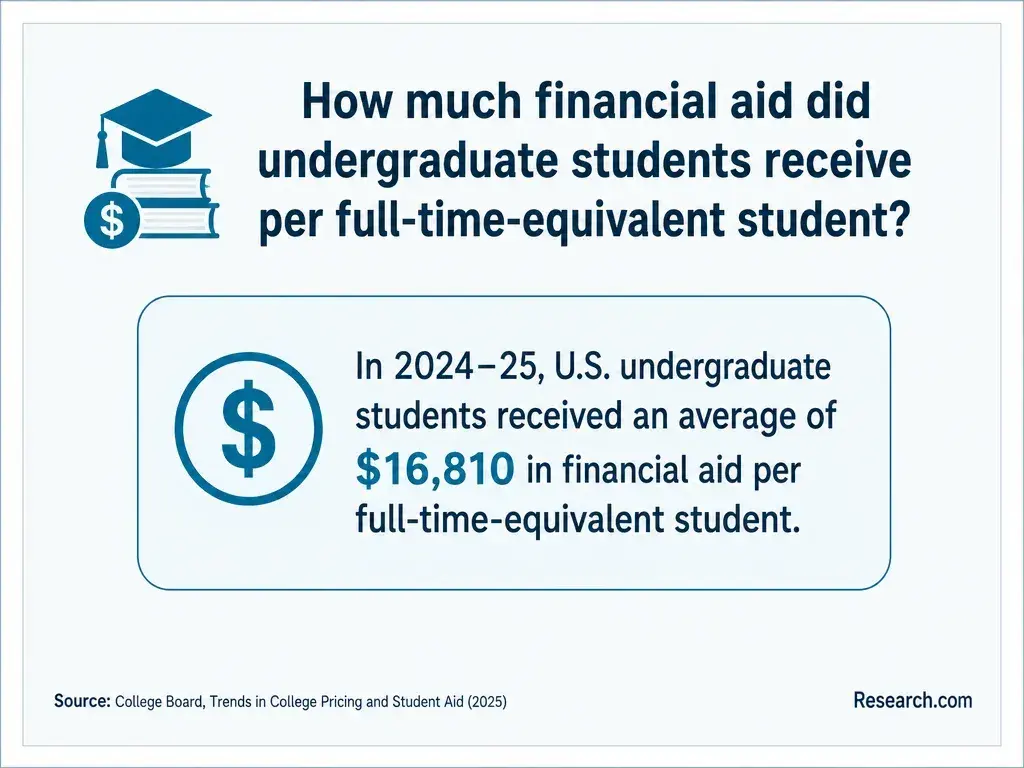
Compare the school's complete cost estimate with your employer's education-assistance rules, and ask financial aid how part-time enrollment or a leave affects eligibility. Use compressed online master's study in forensic psychology as a comparison point only after confirming the proposed course sequence is feasible around callouts.
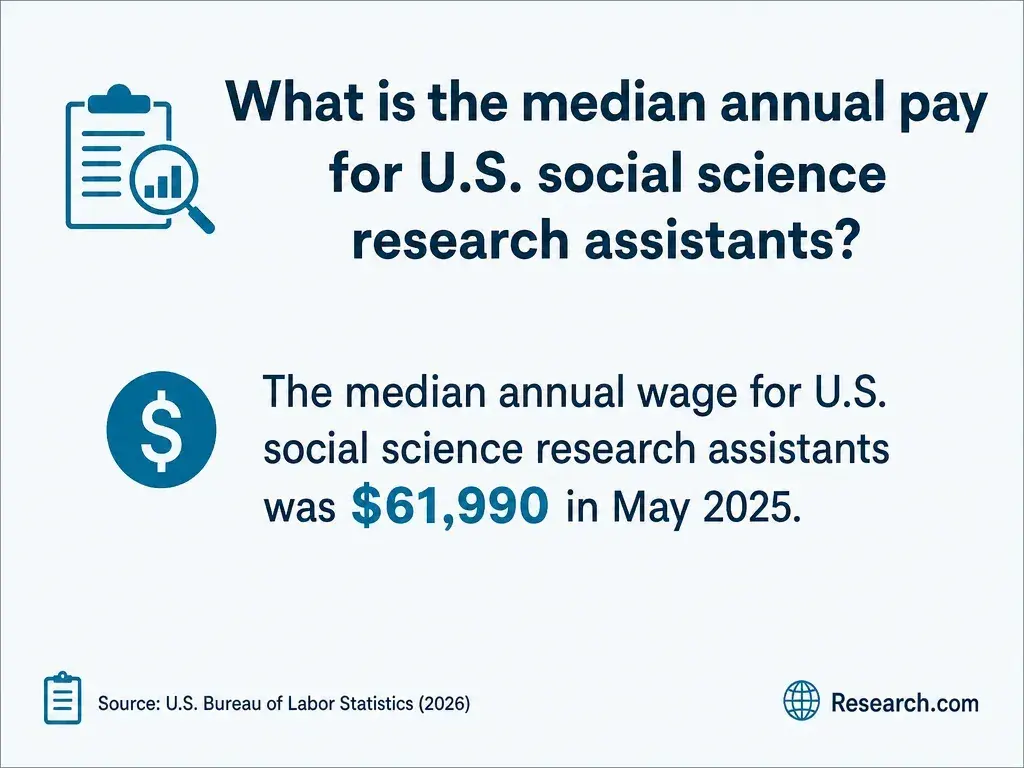
There is no reliable salary that applies to everyone with a forensic psychology MS. Pay attaches to a job and employer, not the degree title. In particular, Bureau of Labor Statistics wages for psychologists describe an occupation with its own credential and licensing expectations; they should not be presented as the expected earnings of nonlicensed master's graduates.
For a useful estimate, choose the exact job title you could qualify for, check its current occupation-specific wage data, and compare local public-sector pay schedules or employer postings. Account for whether the job would replace shift differentials, overtime, or benefits you currently receive.
If your real goal is an entry route into recovery services, compare the cost of that route before taking on graduate tuition; reducing undergraduate substance abuse counseling tuition through aid may matter more to that decision than a psychologist salary figure.
How do you choose a reputable online forensic psychology program?
Choose against a defined outcome: advancement in your current agency, a nonclinical justice role, research preparation, or eventual application to a separate professional program. Then test both academic quality and interruption tolerance. A reputable institution can still offer a course format that does not fit your shift pattern.
Before paying a deposit, get clear answers to the checks that could change your decision:
- Confirm the institution's accreditation, exact degree name, curriculum, and whether the program claims any specific credential eligibility.
- Request sample syllabi, live-session schedules, makeup policies, course rotations, and written leave or reentry rules.
- Ask whether a capstone or internship is required, who approves sites, and whether your workplace could qualify without relying on restricted records.
- Obtain a personalized time-and-cost plan, then compare documented career support with the requirements in your target job postings.
Use forensic psychology degree program quality checks to organize comparisons, but confirm every consequential policy with the institution for your entry term. If the program cannot explain how required activities work during an unpredictable callout, keep looking - or postpone the degree until it serves a clearer career goal.
Other Things You Should Know About Psychology
Not without appropriate agency authorization and any required school review. Removing names alone may not resolve confidentiality or data-use obligations. A public-data or literature-based project may be more feasible.
Only if the institution has a policy allowing it and approves your specific training. Ask for a written credit evaluation before assuming it will shorten the degree.
An MS may be relevant to some positions, but each posting controls eligibility. Review the role's education, experience, background, and other requirements rather than treating a forensic degree title as a hiring credential.
Possibly. Eligibility depends on the institution, program, enrollment level, and your individual aid status. Ask the school's financial aid office how your planned course load and any leave would affect you.
- Types of Financial Aid: Grants, Work-Study, and Loans | studentaid.gov https://studentaid.gov/understand-aid/types
- How to Become a Licensed Psychologist | Texas Behavioral Health Executive Council https://bhec.texas.gov/texas-state-board-of-examiners-of-psychologists/applying-for-a-psychology-license/how-to-become-a-licensed-psychologist/
- Cost of Attendance (Budget) | 2025-2026 Federal Student Aid Handbook https://fsapartners.ed.gov/knowledge-center/fsa-handbook/2025-2026/vol3/ch2-cost-attendance-budget
- Frequently Asked Questions - California Board of Psychology https://www.psychology.ca.gov/licensees/faq.shtml
- Psychological health and safety of criminal justice workers | nih.gov https://pmc.ncbi.nlm.nih.gov/articles/PMC11863410/
- Professional Licensure Disclosures | rutgers.edu https://gsapp.rutgers.edu/professional-licensure-disclosures
- What's the Difference Between Asynchronous and Synchronous Learning? | Ohio State Online https://online.osu.edu/content-hub/blogs/whats-the-difference-between-asynchronous-and-synchronous-learning/
- A Career in Forensic and Public Service Psychology | apa.org https://www.apa.org/education-career/guide/subfields/forensic/education-training
- Online Forensic Psychology Master's Degree | ASU Online https://asuonline.asu.edu/online-degree-programs/graduate/master-science-forensic-psychology/
- Careers With a Forensic Psychology Master's Degree | The Chicago School https://www.thechicagoschool.edu/insight/career-development/career-options-masters-degree-forensic-psychology/