2027 Online BA in Psychology - Addictions for Recovery Coaching Versus Clinical Counseling: Which Courses Should You Look For?
Audited and Verified:
Our Editorial and Data Verification Process
Research.com uses government datasets, official education statistics and primary institutional information to support its career and degree guides. Our review process checks factual accuracy, occupational definitions, source dates and the requirements associated with the credentials discussed.
How This Article Was Fact-Checked
Our editorial team verifies salary estimates, employment projections, education requirements and program information against original data providers and official organizations. Salary figures are checked against the relevant occupational definitions and reporting periods. Information about licensure, accreditation and required in-person training is reviewed separately.
Fact-checked and verified on:

Co-Founder and Chief Data Scientist
An online psychology BA with an addictions focus can prepare you to support people in recovery, but coursework about treatment is not the same as qualification to provide it. That distinction matters when you choose electives, arrange fieldwork, and decide whether a bachelor's degree is worth the cost. This guide is for students and career changers comparing recovery coaching with clinical counseling. It identifies the courses and supervised experiences each goal calls for, explains where state credential rules take over, and helps you avoid paying for a pathway that does not lead to your intended role.
Key Things You Should Know
- For recovery coaching, prioritize addiction science, motivational communication, ethics, peer-support boundaries, referral skills, and approved supervised experience.
- For clinical counseling, prioritize statistics and research methods, psychopathology, development, and addiction coursework - but plan separately for a qualifying professional credential and supervised practice.
- A psychology BA does not itself authorize therapy or diagnosis; state rules determine whether bachelor's-level addiction counseling credentials exist and what additional training they require.
What Is an Online Psychology Degree in Addictions and Recovery Coaching?
It is usually a psychology bachelor's degree with an addictions concentration, a set of electives, or related applied coursework - not a separately licensed recovery-coaching degree. Confirm which designation appears on the transcript. Psychology provides a foundation in behavior and research; addiction-focused study adds substance use, recovery systems, prevention, and service ethics.
Recovery coaching is typically nonclinical, goal-oriented support. A coach may help someone identify resources, navigate appointments, and pursue self-defined recovery goals. Some roles specifically require lived experience and a state-recognized peer credential; a psychology BA cannot replace those requirements. When comparing accredited addiction psychology undergraduate education, examine the actual course catalog and fieldwork arrangements rather than relying on the concentration name.
How Does Recovery Coaching Differ From Clinical Counseling?
The decisive difference is scope of practice, not how much a worker cares about clients. Coaches support recovery plans within their training and employer policies. Counselors may assess substance-use concerns and provide treatment within the authority granted by their state credential, employer, and supervision arrangement. Neither title alone tells you every permitted duty.
This comparison shows why the two goals call for different educational checks.
| Decision point | Recovery coaching or peer support | Clinical addiction counseling |
| Primary work | Practical support, connection to services, recovery-goal follow-through | Assessment and treatment services within credentialed scope |
| Coursework emphasis | Recovery systems, communication, ethics, cultural responsiveness, referrals | Clinical theory and methods required by the applicable credentialing authority |
| Qualification check | Employer rules and any required state peer certification | State education, supervised-experience, examination, and credential rules |
A coach should know how to recognize a concern, follow safety procedures, and refer it appropriately - not present coaching as psychotherapy. If treatment is the intended job, compare academic routes into addiction counseling against the requirements of the state where you intend to practice.
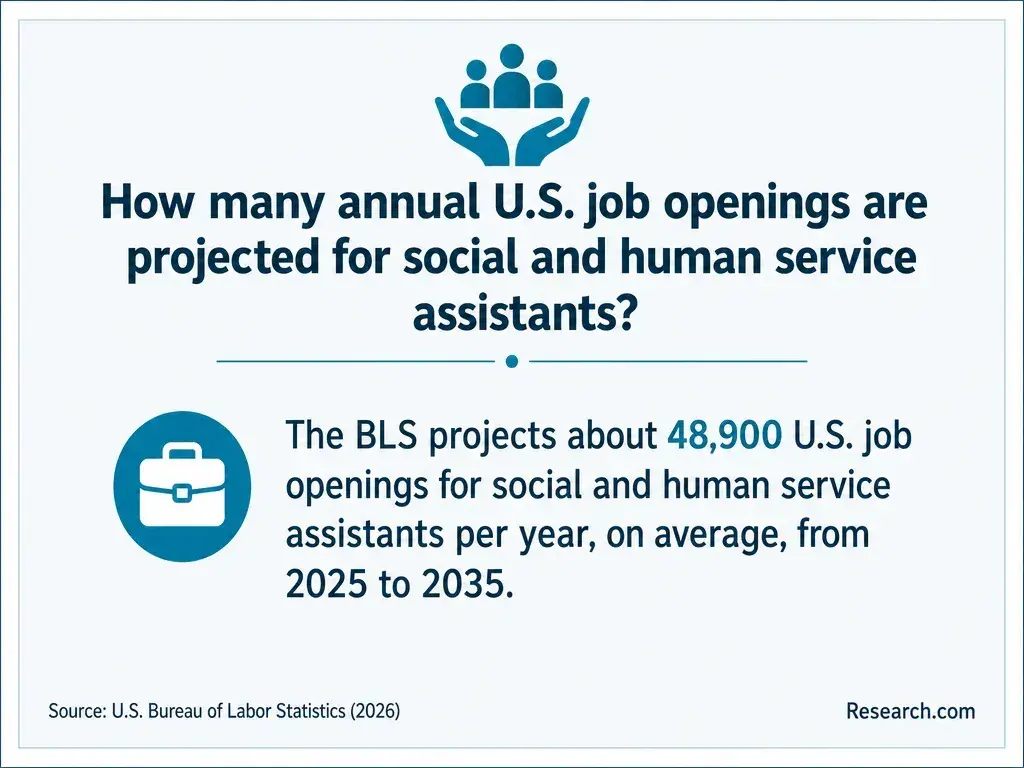
Which Courses Should an Addictions Psychology Bachelor's Degree Include?
Start with a psychology core that helps you understand evidence without mistaking classroom knowledge for clinical competence. Look for developmental psychology, social psychology, biological bases of behavior, statistics, and research methods. Then check whether the addiction courses address substance use across the lifespan, co-occurring concerns, prevention, recovery approaches, stigma, and the limits of screening.
Your intended role should determine which electives and applied work receive priority. The course groups below describe the preparation to seek; they do not establish eligibility for a particular credential.
| Preparation | Especially useful for recovery coaching | Especially useful for future counseling study |
| Communication and ethics | Motivational communication, peer-support boundaries, confidentiality, referral practice | Ethics, culturally responsive communication, professional boundaries |
| Addiction and behavior | Recovery models, community resources, harm reduction, behavior change | Addiction science, abnormal psychology, development, co-occurring conditions |
| Evidence and experience | Evaluating recovery-service claims; supervised nonclinical agency work | Statistics, research methods, critical appraisal; preparation for qualifying graduate training |
Ask whether an internship involves approved support and referral tasks, who supervises it, and whether the site can accommodate an online student. An internship is not a clinical practicum simply because it occurs in a treatment setting. Also compare short-duration undergraduate forensic psychology programs by their courses, not their pace: a different specialization may omit the addiction and recovery preparation you need.
First, verify that the institution holds recognized institutional accreditation and that it covers the school offering the online BA. This matters for academic credibility, transfer review, and many financial-aid decisions. Next, confirm the precise degree title, concentration status, and course availability with the institution.
Do not expect American Psychological Association accreditation for a general psychology BA; APA accreditation applies to specified professional psychology programs and training sites, not undergraduate majors. Likewise, counseling-program accreditation matters when evaluating an applicable professional counseling degree, not as a label to require of every psychology BA. The same distinction applies if you later consider graduate psychology degrees with accelerated schedules: speed and institutional accreditation alone do not show that a program meets counseling-license requirements.
Possibly to a state-specific, limited addiction-counseling credential - but not automatically, and not necessarily to independent clinical practice. States use different titles and may require specified addiction courses, supervised work, an examination, or a qualifying graduate degree. A BA in psychology is academic preparation unless the relevant authority confirms how its courses count.
Before enrolling, identify the exact credential and state, then compare the regulator's educational requirements with the program's written course descriptions. Ask the program which requirements it has documented as meeting and which remain the student's responsibility. If your goal is professional mental health counseling, planning completion of accredited clinical counseling coursework is a separate decision from choosing a BA; verify the applicable graduate-program and postdegree requirements with the licensing board.
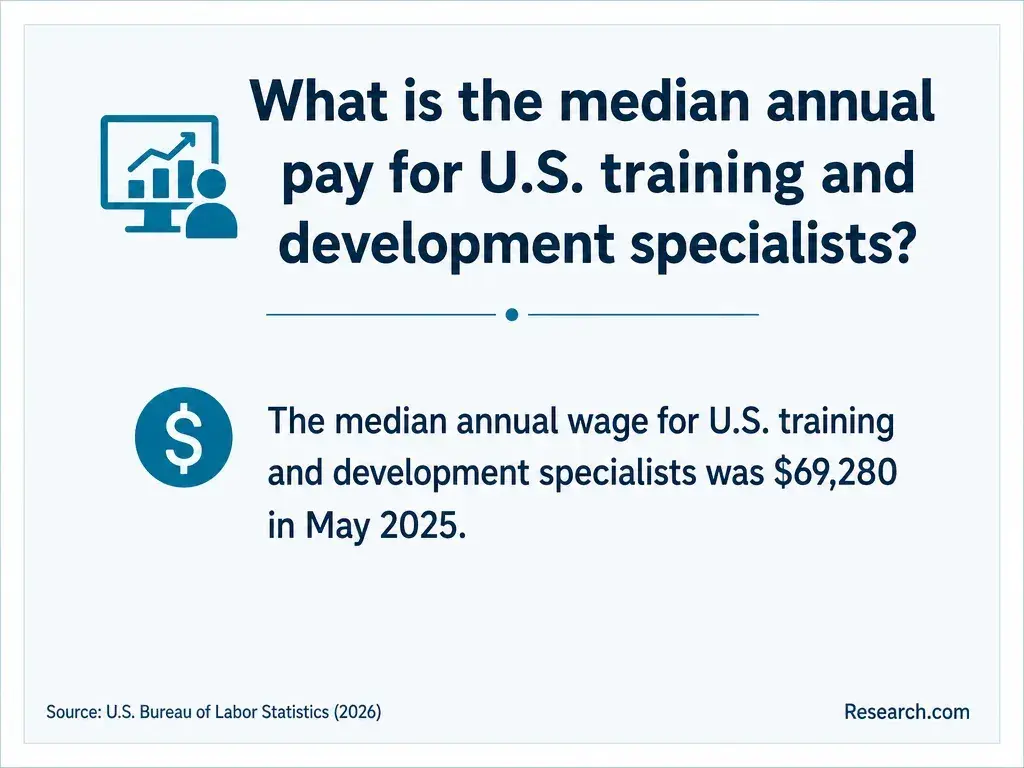
Depending on experience and employer requirements, a graduate might pursue recovery-support work, behavioral-health intake, service coordination, prevention outreach, or community-program support. These jobs may involve resource navigation, scheduling, documentation, group logistics, and referrals. They do not make the employee a therapist or licensed psychologist.
Career changers should inventory what they already bring. Community-service, health care, case-management, and administrative experience may transfer directly; gaps may instead be in addiction-specific knowledge, respectful documentation, or a required peer credential. Seek supervised work that demonstrates those skills. If another specialization is tempting, compare duties rather than titles: graduate forensic psychology job options and qualifications address a different employment question and should not be treated as recovery-coaching outcomes.
Online lectures can reduce commuting, but live classes, group assignments, proctored assessments, and local fieldwork can still create fixed obligations. Campus programs may make agency contacts and supervised experiences easier to arrange; online programs can work well when a student has an approved nearby site and responsive placement support. Neither format changes a state credential's requirements.
Request a sample term schedule and the placement policy before choosing. Ask who finds the site, whether evening or weekend supervision is possible, whether campus visits are required, and how missed fieldwork is handled. Advertised speed needs the same scrutiny: compressed online master's study in forensic psychology, for example, cannot tell you whether an addictions BA offers flexible or credential-relevant field experience.
First-year and transfer admission standards vary by institution. A bachelor's program commonly combines general education, psychology core courses, electives, and any concentration requirements; transfer students should obtain a degree audit showing where accepted credits actually apply. Statistics or research methods may have prerequisites that affect the remaining schedule.
Compare cost using the credits you still need, tuition and mandatory fees, books, technology, placement travel, and any lost work hours - not an advertised per-credit price alone. Ask for a term-by-term plan and written transfer evaluation before assuming that fast-track psychology degree programs online will save time or money. Financial-aid eligibility and total cost depend on the school and your enrollment circumstances.
A state-recognized peer recovery certification may be more directly relevant to a coaching job than another academic concentration. Eligibility can depend on lived experience, training, supervised hours, examinations, and ongoing education. Addiction-counselor credentials are a different category: their requirements and permitted counseling duties depend on the state.
Check the credential named in local job postings, then ask the issuing authority whether your planned courses or experience count. If your aim is peer support, targeted training plus supervised experience may be a more direct investment than graduate study. Even cost-conscious options for a psychology master's should be evaluated against the actual credential requirement, not assumed necessary for coaching.
What Salary and Job Outlook Can Graduates Expect?
There is no reliable single salary for "addictions psychology BA graduates." Pay depends on the job, location, employer, experience, and credential. The U.S. Bureau of Labor Statistics groups substance abuse, behavioral disorder, and mental health counselors in an occupation with its own education and credential expectations; its occupation-wide wage and outlook figures should not be presented as expected pay for recovery coaches or BA graduates.
For a useful comparison, collect local postings for the exact role and credential you want, note the stated pay range and experience requirements, and compare those with your remaining education cost. Be especially cautious about using earnings claims tied to evaluating faster-paced forensic psychology master's degrees to estimate returns from an addiction-focused BA: they concern a different qualification and job market.
Other Things You Should Know About Psychology
Some peer-support credentials and jobs do; other recovery-support roles may not. Check the specific credential and posting rather than assuming every coaching position has the same eligibility rules.
Compare required courses and applied opportunities, not the letters on the diploma. A BS may require more science or quantitative study, but degree structures vary by school.
Only if the academic program approves the site, supervisor, duties, and learning objectives. Existing employment does not automatically satisfy fieldwork requirements.
A general psychology major paired with relevant electives and approved experience may meet your learning goal. Confirm any separate credential's course rules before substituting electives for a named concentration.
- GAC - Chapter 135-5 REQUIREMENTS FOR LICENSURE https://rules.sos.ga.gov/gac/135-5
- Certification for Peer Support as a Medicaid Benefit | texas.gov https://www.hhs.texas.gov/providers/behavioral-health-services-providers-programs/peer-support-services/certification-peer-support-a-medicaid-benefit
- Coaching vs Psychotherapy in health and Wellness - PMC - NIH https://pmc.ncbi.nlm.nih.gov/articles/PMC3833547/
- NCDAC Behavioral Health Services Practicum, Internship & Field Opportunities https://www.dac.nc.gov/html/ncdac-behavioral-health-services-practicum-internship-field-opportunities
- CACREP-Accredited Counseling Program | University of Bridgeport https://www.bridgeport.edu/news/cacrep-accredited-counseling-program-benefits/
- CACREP Accreditation and License Eligibility | tcnj.edu https://onlinecounselored.tcnj.edu/about/accreditation-and-licensure/
- Counseling Degree Online: Flexible, Accredited Paths to Impact | News & Updates from the Antioch University Community https://commonthread.antioch.edu/counseling-degree-online-flexible-accredited-paths-to-impact/
- Online Addictions and Recovery Psychology Degree | Military Affairs https://www.liberty.edu/online/behavioral-sciences/bachelors/psychology/addictions-recovery/
- Pursuing a Career in Clinical or Counseling Psychology | apa.org https://www.apa.org/education-career/guide/subfields/clinical/education-training
- Online Bachelor's Degree in Psychology in Addictions | Purdue Global https://www.purdueglobal.edu/degree-programs/psychology/bachelor-psychology-addictions/