2027 Online BA in Psychology - Addictions: Degree Options for Youth Substance Use Prevention Coordination
Audited and Verified:
Our Editorial and Data Verification Process
Research.com uses government datasets, official education statistics and primary institutional information to support its career and degree guides. Our review process checks factual accuracy, occupational definitions, source dates and the requirements associated with the credentials discussed.
How This Article Was Fact-Checked
Our editorial team verifies salary estimates, employment projections, education requirements and program information against original data providers and official organizations. Salary figures are checked against the relevant occupational definitions and reporting periods. Information about licensure, accreditation and required in-person training is reviewed separately.
Fact-checked and verified on:

Co-Founder and Chief Data Scientist
Youth substance-use prevention coordinators need more than knowledge of addiction. They plan age-appropriate outreach, work with schools and families, coordinate community partners, and assess whether programs reach the young people they intend to serve. An online psychology BA with an addictions focus can build useful foundations, but its value depends on the coursework, supervised experience, and credentials a particular employer expects.
This guide helps prospective students and community-service professionals compare degree options, identify practical training gaps, and decide whether a full bachelor's degree - or a more targeted route - is the better investment.
Key Things You Should Know
- An addictions-focused psychology BA can prepare students for nonclinical prevention work; it does not qualify them to diagnose or treat substance-use disorders.
- Prevention-coordinator jobs often value a bachelor's degree alongside experience in youth programs, partnerships, and evaluation; requirements vary by employer and state.
- Compare the credits and total cost remaining, local fieldwork access, and eligibility for any prevention credential before choosing an online program.
What is an online bachelor's degree in psychology with an addictions focus?
It is an undergraduate psychology degree that combines the major's study of behavior and research with coursework on substance use, prevention, or recovery. The focus may be an officially named concentration, a minor, a certificate, or simply a set of electives. Those labels matter: a few electives should not be mistaken for a formal credential.
For youth prevention, the strongest fit connects adolescent development and social influences to community-level action. Students should learn why risk and protective factors differ across young people, how to assess prevention evidence, and how to communicate without stigmatizing youth or families. A psychology BA usually emphasizes behavioral science; a public health or human services degree may offer more direct training in population-level programming or service delivery. Students primarily seeking treatment work should compare those routes with an addiction counseling degree comparison resource and check their state's credential rules.
What careers can an addictions psychology degree support in youth substance-use prevention?
A psychology BA can support applications for prevention assistant, youth-program specialist, community outreach worker, coalition coordinator, or program-evaluation assistant positions. A coordinator may organize school or community activities, train partners on approved materials, track participation, help prepare grant reports, and refer families to appropriate services. The degree supports these tasks; it is not, by itself, proof of readiness to lead a program.
The comparison below separates realistic nonclinical work from roles requiring different preparation. Titles vary, so read the duties in each vacancy rather than relying on its name.
| Target work | Useful preparation | Important boundary |
| Youth prevention outreach | Adolescent development, facilitation, community partnerships, supervised youth-program experience | Education and referral are not counseling or diagnosis. |
| Coalition or grant coordination | Project management, budgets, partner communication, reporting | Employers may expect substantial experience beyond a BA. |
| Prevention evaluation support | Statistics, survey literacy, data handling, accessible reporting | Access to student or client records requires authorization. |
| Substance-use treatment | State-specified counseling education, supervision, and possibly a license | A psychology BA alone does not authorize treatment. |
For someone already working in a school, nonprofit, or youth-serving agency, a supervised prevention project may provide stronger hiring evidence than the concentration name alone. Justice-system work with young people can also involve outreach or referrals, but it has different institutional requirements; intensive forensic psychology master's admissions and study plans describe a separate graduate-study choice, not a prerequisite for community prevention coordination.
What education and licensing requirements apply to youth substance-use prevention coordinators?
There is no single nationwide license for everyone called a youth substance-use prevention coordinator. An employer may request a bachelor's degree in psychology, public health, education, or a related field; experience with youth and community coalitions; or a state-recognized prevention credential. Grant conditions and school-district policies can add requirements. Work involving minors may also require background screening and safeguarding training.
Prevention and treatment are different pathways. A coordinator who delivers approved education, organizes partners, or makes referrals is not thereby qualified to assess a young person for a disorder or provide psychotherapy. If the position includes counseling, check the state regulator's education, supervised-practice, examination, and scope-of-practice rules before enrolling. An accelerated counseling study and accreditation requirements comparison is relevant only if the intended role is licensed counseling rather than prevention coordination.
For a specific vacancy, ask the employer which duties require a credential, whether experience can substitute for a preferred major, and who supervises referrals, disclosures, and mandated-reporting decisions. Those answers are more useful than assuming the job title has a uniform meaning.
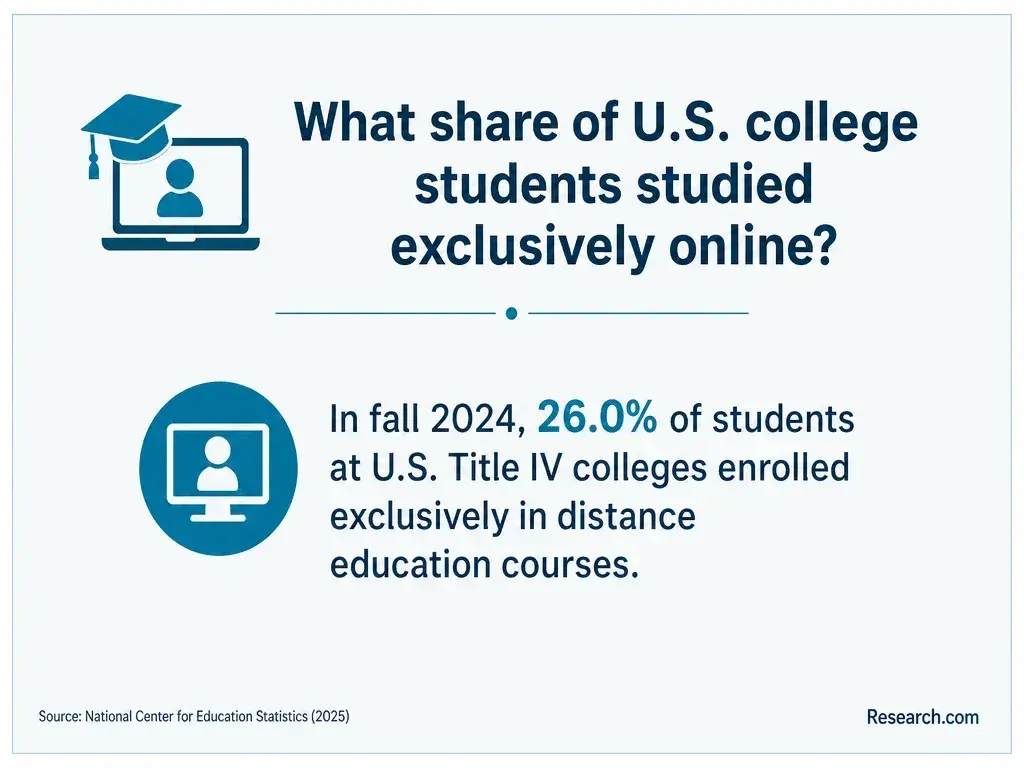
Online study may let a working youth-services employee keep their job and apply coursework locally. Campus study may provide easier access to faculty projects and established placement partners. Neither format guarantees a suitable prevention placement.
Compare actual scheduling obligations: asynchronous lectures can coexist with fixed-time seminars, group projects, exams, or daytime fieldwork. Ask whether the school approves placements in your community, who finds and supervises the site, and whether travel or campus visits are required. A student seeking later graduate study should also check access to methods courses, faculty mentorship, and research experience rather than judging format alone. Accelerated psychology master's study for working adults is a separate decision after the BA; a faster graduate schedule will not replace undergraduate field access needed for an entry-level prevention goal.
Course catalogs vary, but the most relevant foundation is developmental psychology, social psychology, research methods, and statistics. Addictions or health psychology can explain substance-use behavior; community psychology, public health, or program evaluation can connect that knowledge to prevention planning. Look for instruction on cultural responsiveness, ethical data use, and communication with adolescents and families.
Course titles are less revealing than assignments. A useful sequence moves from understanding adolescent development and evaluating evidence to designing a feasible outreach plan, then testing its assumptions through a supervised, nonclinical project. A student might prepare a literature-based prevention brief or an evaluation plan using authorized, aggregate information - not independently screen or diagnose minors.
Choose electives for the target setting. For school and coalition work, evaluation and community partnerships usually offer a clearer match than specialized legal-system coursework. Forensic psychology graduate programs with shortened study plans address a different specialization; their existence should not drive an undergraduate course plan for youth prevention.
First-year applicants generally submit evidence of secondary-school completion and any materials the institution requests. Transfer applicants typically submit transcripts from every prior college. Schools set their own admission, major-entry, and transfer policies; admission does not mean every prior course will satisfy a psychology requirement.
Returning students should request a written degree audit showing which credits meet general education, psychology core, addictions-focus, and in-residence requirements. Confirm whether earlier statistics or research-methods courses count, when remaining courses are offered, and whether an internship has prerequisites. A guide to psychology degree completion with transfer coursework can help frame questions, but the enrolling institution makes the final credit decision.
A bachelor's degree commonly follows a four-year full-time study plan, but an online student's remaining time depends on accepted credits, enrollment pace, course sequencing, and placement availability. Part-time study can make employment manageable while extending the period over which fees and other expenses accrue.
Compare total remaining cost, not the advertised price of one course: multiply the school's applicable tuition rate by credits still needed, then account for mandatory fees, materials, travel, and any unpaid fieldwork. Ask for a term-by-term plan and financial-aid estimate before committing. For possible ways to reduce borrowing, review scholarship options for online addiction counseling undergraduates, then verify each award's eligibility and whether it applies to the specific psychology program.
There is no reliable national wage figure for the exact title "youth substance-use prevention coordinator." Pay depends on whether the job is primarily outreach, health education, grant administration, or program management, as well as employer funding and experience requirements. The U.S. Bureau of Labor Statistics' occupational data for health education specialists or social and community service managers can provide context, but neither category represents all prevention coordinators or the earnings of psychology BA graduates.
For a useful local estimate, compare posted pay ranges for roles whose duties match the work you want. Note whether a posting requires coalition leadership, grant reporting, or a prevention credential; an entry-level outreach salary should not be compared uncritically with a manager's salary. An undergraduate substance use counseling tuition versus salary outlook comparison can inform the education-cost side of the decision, but counseling and prevention jobs are not interchangeable labor markets.
Prevention credentials are distinct from addiction-counselor licenses and treatment certifications. Depending on the state and employer, a prevention specialist credential may recognize approved education, prevention work experience, supervision, and an examination. Some jurisdictions use credentials aligned with International Certification & Reciprocity Consortium standards, but the state certifying body determines its own eligibility and permitted titles.
Check a credential's rules before choosing coursework or a placement: ask which courses count, how experience must be documented, who may supervise it, and whether work completed while enrolled qualifies. If your intended work is clinical counseling instead, a prevention credential is not a substitute for a qualifying graduate pathway. The clinical counseling master's time-to-degree and salary outlook addresses that separate investment.
How can students choose an accredited online psychology program?
Verify the institution's recognized accreditation and confirm that it covers the school offering the degree. Do not expect APA accreditation for a general undergraduate psychology BA; institutional accreditation and eligibility for a particular professional credential answer different questions.
Then compare programs against the work itself: confirm the exact degree and status of the addictions focus, examine developmental and evaluation coursework, request a sample degree plan, and obtain written answers about local placements and supervision. Ask career services for evidence of relevant employer relationships, not a promise of a coordinator job. Finally, compare the audited remaining cost with a lower-cost route such as employer training, a prevention credential, or targeted coursework if you already hold a suitable bachelor's degree.
If a school markets the BA as preparation for later therapy practice, verify the additional graduate and licensing steps independently. Accredited counseling program affordability comparisons are useful for evaluating that later option, not evidence that the BA itself qualifies someone to counsel youth.
Other Things You Should Know About Psychology
Possibly, but obtain approval from both the academic program and employer first. Existing employment does not automatically satisfy a placement requirement or permit use of workplace records.
Use approved, nonidentifiable materials such as a public-facing outreach plan or a literature-based brief. Do not include student stories, restricted records, or identifiable images without the permissions your institution and site require.
Follow the population's documented needs and the employer's program scope. Prevention planning should use appropriate local evidence rather than assume every substance presents the same risks or calls for the same message.
Not without checking authorization, privacy rules, and the survey's intended use. School data access and permission to collect new responses are separate decisions.
- Prevention | Ohio Chemical Dependency Professionals Board https://ocdp.ohio.gov/get-certified-licensed/prevention
- Requirements Related to the Practice of Counseling - NCBI https://www.ncbi.nlm.nih.gov/books/NBK259170/
- Evidence-Based Strategies to Prevent Youth Substance Use | cdc.gov https://www.cdc.gov/overdose-prevention/php/interventions/youth-substance-use-prevention.html
- Frequently Asked Questions for Mental Health Counselors | nysed.gov https://www.op.nysed.gov/professions/mental-health-counselors/faqs-education-requirements
- Costs - UGA Student Financial Aid - University of Georgia https://osfa.uga.edu/costs/
- Practicum Education - Silver School of Social Work https://socialwork.nyu.edu/a-silver-education/practicum-education.html
- Practicum Education | Columbia MSSW https://onlinemsw.socialwork.columbia.edu/practicum-education/
- School-Based Substance Use Disorder (SUD) Prevention Strategies & Programs - Evidence-to-Impact Collaborative https://evidence2impact.psu.edu/resources/school-based-substance-use-disorder-sud-prevention-strategies-programs/
- Online Bachelor's Degree in Psychology in Addictions | Purdue Global https://www.purdueglobal.edu/degree-programs/psychology/bachelor-psychology-addictions/
- How Do Transfer Credits Work When You Go Back to School? | Whitworth Online https://online.whitworth.edu/news-articles/how-do-transfer-credits-work-when-you-go-back-to-school/