2027 Online BA in Psychology - General Psychology for Peer Support Workers: What to Check Before Changing Careers
Audited and Verified:
Our Editorial and Data Verification Process
Research.com uses government datasets, official education statistics and primary institutional information to support its career and degree guides. Our review process checks factual accuracy, occupational definitions, source dates and the requirements associated with the credentials discussed.
How This Article Was Fact-Checked
Our editorial team verifies salary estimates, employment projections, education requirements and program information against original data providers and official organizations. Salary figures are checked against the relevant occupational definitions and reporting periods. Information about licensure, accreditation and required in-person training is reviewed separately.
Fact-checked and verified on:

Co-Founder and Chief Data Scientist
Peer support work may have given you strong recovery-focused communication and community-service skills. An online BA in general psychology could add research, writing, and behavioral-science preparation - but it may not be the fastest route to the job you want next. This guide is for peer support workers weighing a career change or advancement. It explains what the degree can and cannot qualify you to do, how to evaluate online programs, and when a credential, targeted training, or different degree would be a better investment.
Key Things You Should Know
- A general psychology BA can support a move into nonclinical coordination, outreach, or research-support work; it does not replace a state peer credential or qualify you to provide therapy.
- A bachelor's degree commonly requires about 120 semester credits, but accepted transfer credits may not satisfy psychology-major requirements. Get a degree audit before estimating time or cost.
- Choose the next job first, then compare its actual hiring requirements with the degree's total cost, schedule, applied opportunities, and lower-cost alternatives.
What is an online BA in general psychology for peer support workers?
It is a broad undergraduate psychology degree delivered primarily online, not a special peer-support qualification. General psychology usually combines the study of behavior and mental processes with research methods, statistics, writing, and electives. A BA may also include substantial general-education and humanities requirements; the exact curriculum varies by institution.
For a peer support worker, its value is strongest when the target role calls for a bachelor's degree, evidence appraisal, program documentation, or broader knowledge of development and social behavior.
Your existing lived-experience expertise and relationship-building skills remain distinct strengths; academic psychology should supplement them, not replace the peer model with a clinical one. An online psychology degree selection guide can help you identify programs to investigate, but confirm each program's current requirements directly.
Can a psychology bachelor's degree qualify you for peer support work?
Not by itself. Peer support roles are built around appropriately used lived experience, recovery-oriented practice, boundaries, and organizational or state requirements. Some jobs require a state-recognized peer credential, approved training, supervised hours, or other eligibility conditions; a psychology BA does not automatically substitute for them.
If you already work as a peer, the more useful question is whether a degree unlocks a different job at your organization. Ask for the written qualifications for positions such as outreach coordinator or program assistant.
If the answer is additional peer supervision or a specialized recovery credential rather than a bachelor's degree, pursue that route first. Explore addiction recovery workforce opportunities by comparing actual duties and credential requirements, not job titles alone.
What accreditation should an online psychology bachelor's program have?
Check that the institution holds recognized institutional accreditation and that it applies to the school awarding the degree. Then confirm that the online BA is an authorized offering of that institution. Institutional accreditation matters for educational quality oversight and can affect federal aid and how other schools evaluate transfer work; it does not guarantee that another institution will accept credits.
Do not reject a general psychology BA because it lacks American Psychological Association program accreditation. APA accreditation applies to specified professional psychology training programs, not general undergraduate psychology majors.
Likewise, a school's accreditation does not establish eligibility for a state peer credential or clinical license. This distinction matters when comparing broad degrees with specialized offerings, including online forensic psychology programs and graduate outcomes: verify the award, accreditor, and claimed outcome separately.
Expect foundational psychology alongside statistics and research methods, although required courses and elective availability differ. For a peer worker considering coordination or program-support roles, the most useful question is whether coursework helps you explain evidence, communicate respectfully across communities, and assess a service claim without exceeding your scope.
Compare course descriptions for developmental and social psychology, cultural context, psychological disorders as an academic subject, ethics, and applied research. A methods course could help you read an evaluation report; it does not authorize you to diagnose clients or administer restricted assessments.
If you might pursue graduate study, check the specific future program's prerequisites before choosing electives. Even shorter completion routes for psychology master's students should be judged by their actual admissions requirements and purpose, not speed alone.
Online delivery can remove a commute while leaving fixed deadlines, live meetings, group work, and possible in-person experiences. Campus study may offer easier access to faculty, research teams, and local employers, but it can be harder to fit around peer-support shifts. Neither format guarantees a relevant placement or stronger career connections.
Ask whether classes are asynchronous, when live activities occur, and how online students obtain research or community-based experience. If a program advertises a fast timeline, test it against your work schedule and course sequence. Comparisons of faster forensic psychology undergraduate options illustrate why an advertised completion pace should not be mistaken for a pace available to every student - or for a better fit than a general psychology BA.
Requirements differ for first-year and transfer applicants. Schools may request prior transcripts and proof of secondary-school completion; some have separate rules for admission to the psychology major. Prior peer-support employment can strengthen your sense of purpose without replacing academic admissions requirements.
If you have college credits, request a written evaluation showing which satisfy general education, psychology prerequisites, electives, and remaining institutional requirements. Accepted credit is not the same as credit applied to the major.
Ask specifically about statistics and research-methods equivalencies, course sequencing, and any residency requirement before committing. A guide to psychology major credit portability can help you frame those questions; the receiving institution makes the final evaluation.
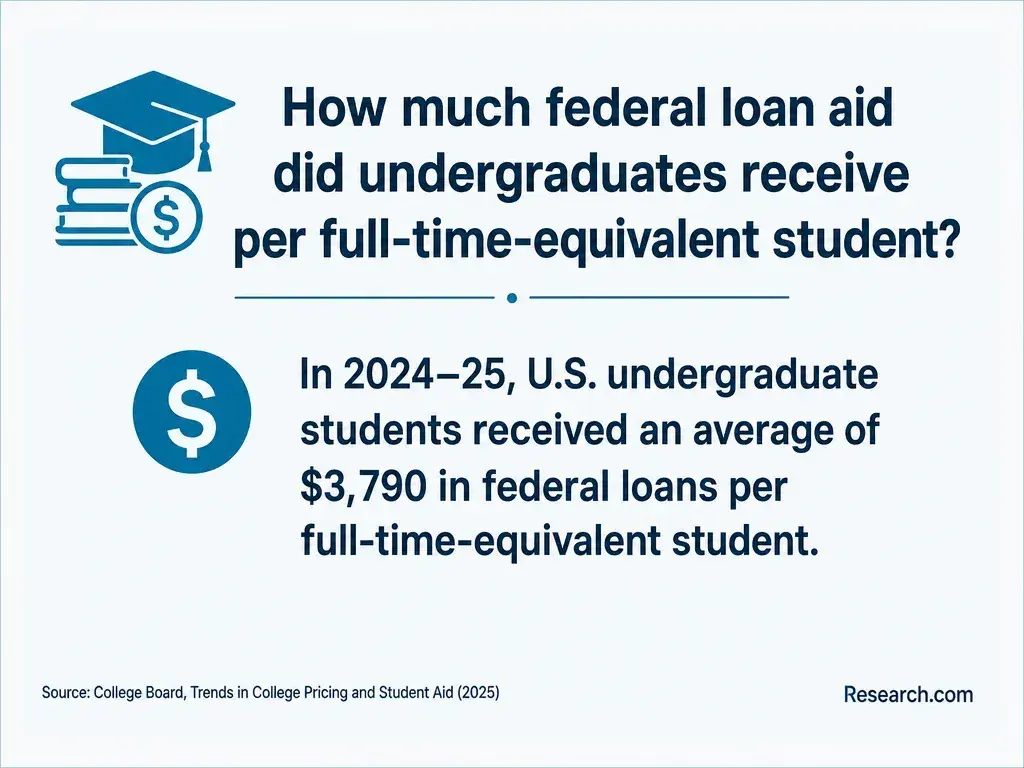
Completion depends on remaining requirements, transferable coursework, course availability, and how many classes you can manage while working. Tuition alone is an incomplete price: compare mandatory fees, materials, technology charges, potential travel, and any reduction in earnings if you change shifts. Request a term-by-term plan and an estimated remaining cost after a degree audit.
The following comparison keeps the financial decision tied to your intended job rather than the appeal of an advertised tuition rate.
| Route | Cost and time to check | Best fit when |
| General psychology BA | Remaining credits, total charges, course schedule, and any applied-experience costs | A target nonclinical role requires or values a bachelor's degree |
| Peer credential or targeted training | Training, supervision, renewal fees, and time away from work | The goal is to enter or advance within peer support |
| Specialized undergraduate route | Program charges and whether specialization changes completion time | Its documented requirements better match a specific target role |
Ask your employer about education assistance and compare aid only after checking eligibility. If addiction-focused study genuinely matches your goal, review scholarship options for online addiction counseling undergraduates; availability and eligibility must be confirmed for the actual program.
Possible nonclinical transitions include behavioral-health outreach, service coordination, program assistance, intake support, and entry-level research or evaluation support. Your peer experience may provide evidence of respectful communication, referrals, boundaries, and community knowledge. The BA can add writing and methods skills, but employers may also require documentation experience, a particular credential, or work with a specified population.
A substantial shift requires more than a new degree title. For research support, seek supervised experience handling permitted data and writing concise findings; for coordination, document scheduling, referrals, and collaboration within your authorized role.
If your goal is forensic work, distinguish victim-services or program-support jobs from licensed assessment. Review forensic psychology master's career progression options only after checking which listed roles require additional experience or professional qualifications.
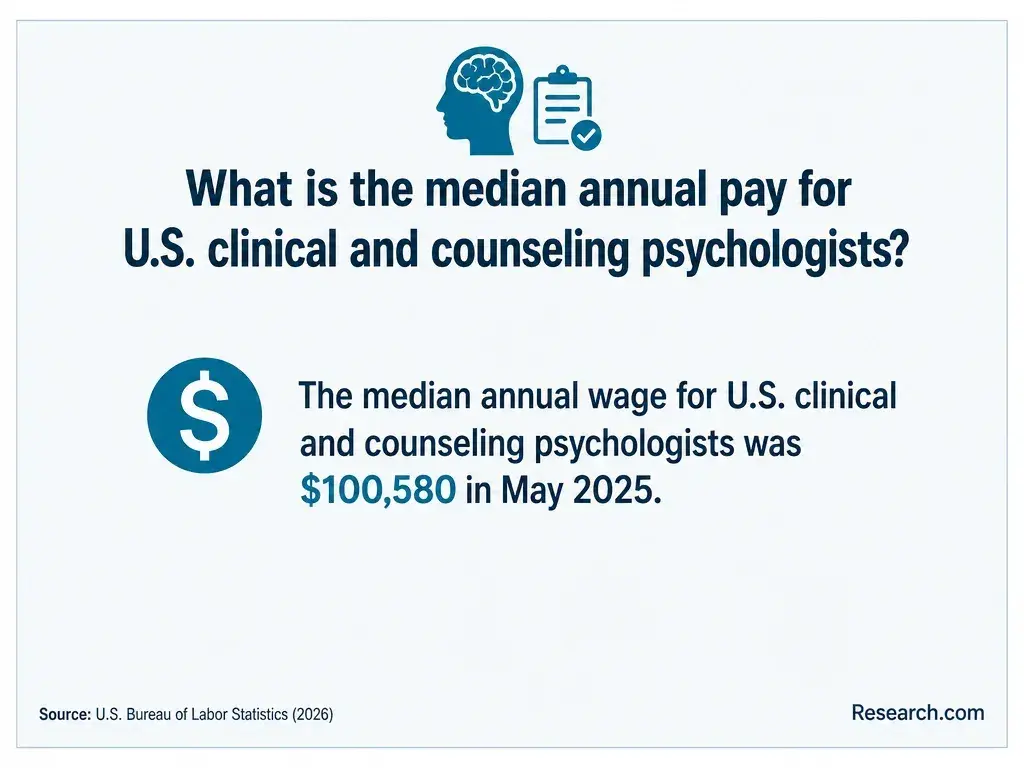
There is no single salary or employment projection for "psychology BA graduates." The US Bureau of Labor Statistics reports wages and outlook by occupation, not by major. A peer support position, a social and human service assistant position, and a substance use counselor position can have different duties and qualification rules; the last may require a separate credential or license. Even an occupation-wide median is not a prediction of your starting offer.
For a useful comparison, identify local postings for your current and target jobs, note their stated degree and credential requirements, and consult the corresponding Bureau of Labor Statistics occupational profile for its wage reference year and projection period.
Then weigh likely pay against the degree's remaining cost and forgone work time. If you are considering an addiction-specific bachelor's instead, compare its documented costs and job alignment using bachelor's-level substance use counseling tuition and career value - without treating advertised earnings as a guaranteed graduate outcome.
What certifications or licenses might peer support workers need?
Start with your state's peer-support credentialing authority and the employer's job posting. Ask which approved training, lived-experience criteria, supervision, application steps, and renewal obligations apply to the particular peer role. Requirements can differ by state and setting. A BA may be useful background but does not itself grant a peer credential.
For a career change into counseling, social work, or substance use treatment, check the relevant state board's education and supervised-practice rules before enrolling. Studying disorders or recovery in a psychology BA is not a license to provide psychotherapy, diagnose, or practice independently.
If counseling is the destination, comparing condensed accredited counseling study routes may help you investigate a later qualifying degree, but verify that any specific program meets the rules where you intend to practice.
Other Things You Should Know About Psychology
Not generally as a condition of studying psychology. Check assignment expectations and ask about an alternative if a task appears to require personal disclosure. Share lived experience on your own terms.
Do not include identifiable client information or assume changing a name is enough. Follow workplace confidentiality rules and ask the instructor about using a fictional scenario or approved public material instead.
No. If an internship is required, the academic program must decide whether your workplace, supervisor, tasks, and learning objectives qualify. Seek approval before planning around those credits.
It can be useful to ask about advancement criteria, scheduling, and education benefits. If reimbursement is offered, get its eligibility rules, grade conditions, and any repayment obligation in writing before enrolling.
- Chapter 6 - How To Become a Peer Specialist - NCBI https://www.ncbi.nlm.nih.gov/sites/books/NBK596268/
- Medi-Cal Peer Support Services Specialist Program - DHCS https://www.dhcs.ca.gov/medi-cal-peer-support-services-specialist-program-frequently-asked-questions/
- Become a Certified Recovery Peer Advocate | ny.gov https://oasas.ny.gov/recovery/become-certified-recovery-peer-advocate
- Online Bachelor's Degree in Psychology | Purdue Global https://www.purdueglobal.edu/degree-programs/psychology/bachelor-degree-psychology-online/
- Supporting Peer Suport Workers | Research Corner | IRIS https://www.iris.ssw.umaryland.edu/rc-peer-support-work
- Can You Work Full-Time and Go to School? A Practical Guide | Whitworth Online https://online.whitworth.edu/news-articles/can-i-go-to-school-and-work-full-time/
- Credit for Prior Learning | CUNY SPS https://sps.cuny.edu/academics/credit-prior-learning
- Methods of Earning Credit | Thomas Edison State University https://www.tesu.edu/admissions/methods-of-earning-credit/
- General Psychology | Online Bachelor's Degree | Capella University https://www.capella.edu/online-psychology-degrees/bs-psychology-program/bachelors-general-psychology/
- Choosing a Program - APA Accreditation https://accreditation.apa.org/choosing-a-program